
Filters
Level
Grade
Subject
Subject Area
Subject Topic
Standard(s)
Audience
Keyword
DurationMinutes
Toddler Social Skills Lesson Plans
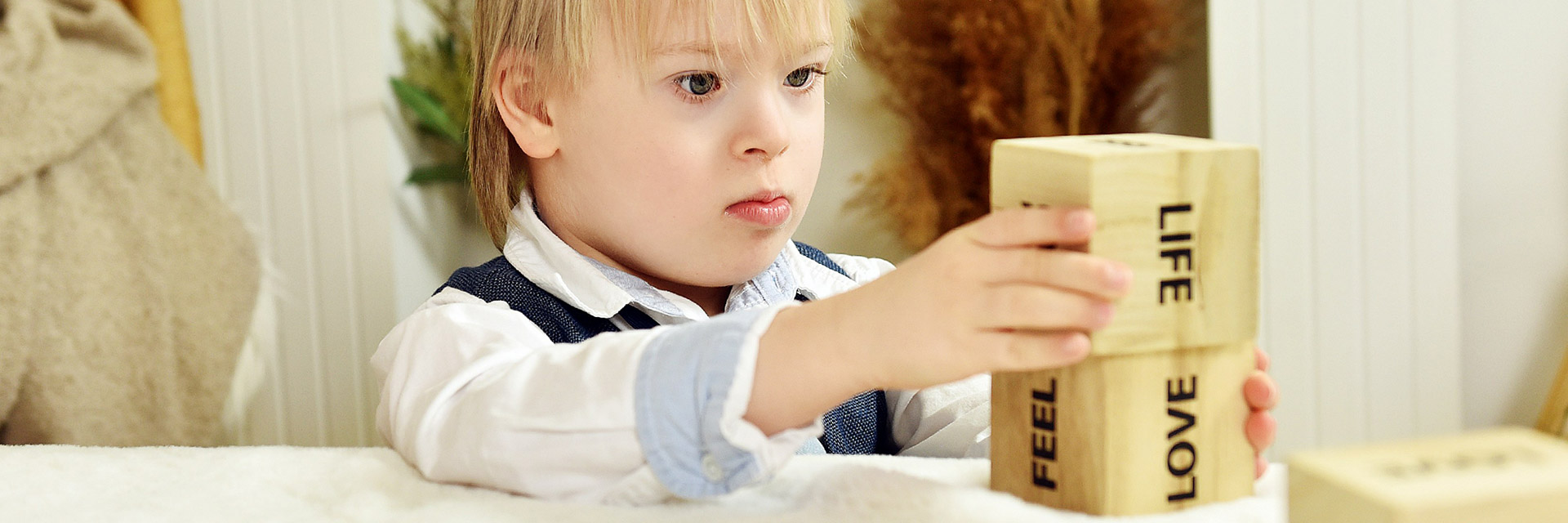
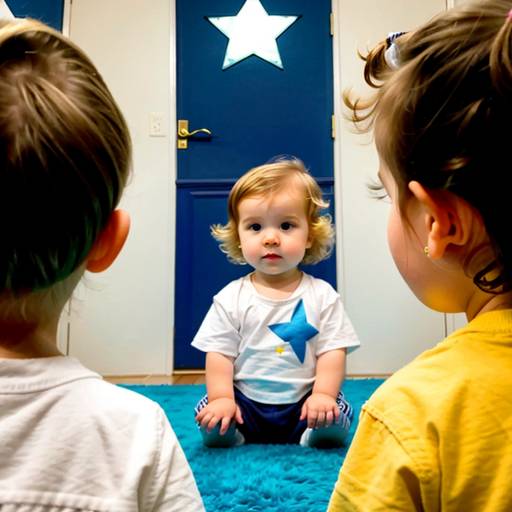
This lesson plan focuses on helping toddlers develop confidence by understanding and expressing their unique qualities. The lesson begins with a circle time discussion where children share what makes them special, fostering a sense of self-worth. A mirror activity encourages each child to look at themselves and articulate something they love about their appearance or abilities.
Next, a craft project allows toddlers to create their own stars, decorated with drawings and stickers representing their individual strengths. A story featuring a confident character provides relatable context, prompting discussions about the character's traits and actions. The lesson includes a movement activity where children dance freely, embodying the idea of expressing confidence through physical movement.
The session concludes with a reflective circle, where children share their learnings and reinforce their understanding that everyone has something special to offer. This engaging lesson encourages self-acceptance and builds a supportive community among the children, laying the groundwork for their social skills development.
This lesson plan focuses on enhancing toddlers' problem-solving abilities and social skills through interactive activities. The session begins with a group discussion about problem scenarios, encouraging children to express their thoughts and solutions. Following this, a story is read to illustrate collaborative problem-solving, allowing children to reflect on the characters’ experiences.
Next, toddlers engage in a group activity where they work together to build a shelter for toy animals using soft blocks, promoting teamwork and communication. This is followed by a puzzle activity where children learn to collaborate and think critically to complete it.
The lesson culminates in a creative expression segment, where children draw their own problem-solving experiences and share them with the group. Throughout the session, the instructor observes interactions to assess cooperation and communication skills. The overall aim is to foster teamwork, encourage kindness, and develop essential communication skills in a playful and engaging environment.
The lesson plan focuses on teaching toddlers the value of cooperation through interactive activities designed to enhance teamwork, sharing, and collaborative problem-solving. The class begins with a warm circle time where children discuss cooperation and enjoy a story about friendship and teamwork. Following the story, students participate in a cooperative art project, where they work together to create a mural, emphasizing the importance of each child’s contribution.
Next, a teamwork game called "Pass the Ball" is played, encouraging gentle passing and sharing among peers. This is followed by a role-play activity where groups collaborate on simple scenarios that require teamwork, allowing them to practice communication and support for one another.
The lesson concludes with a closing circle where children reflect on their experiences and share what they appreciated about working together. Optional follow-up activities encourage families to engage in cooperative tasks at home. Throughout the session, children are observed for their interaction and willingness to cooperate, reinforcing positive behaviors with affirmations and encouraging a sense of community among peers.
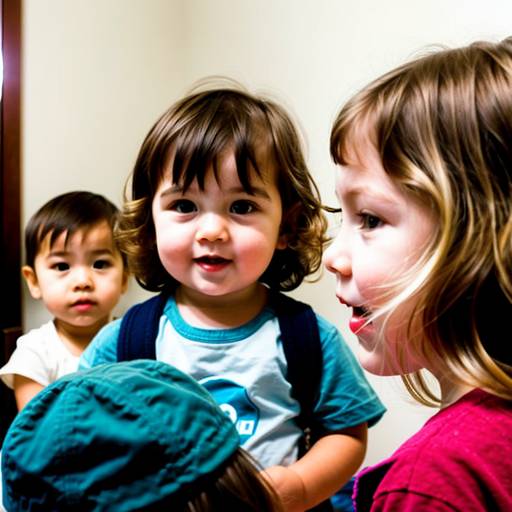
The lesson plan focuses on teaching toddlers about personal boundaries and the concept of personal space. Through engaging activities, children will learn to recognize their own space and understand the importance of respecting others' boundaries.
The session begins with a discussion about personal space, using visual aids like hula hoops to illustrate the idea of a "Friendship Circle." Children participate in a movement game where they find their circles in response to music, emphasizing the feelings associated with personal space and the challenges of sharing it with friends.
To reinforce their understanding, children will draw their own "Friendship Circle" on a large paper, allowing for a creative expression of their individual boundaries. The lesson culminates with a group discussion and a fun song that reinforces the concepts of respect and togetherness.
Throughout the activities, caregivers can observe the children's interactions to assess their grasp of personal space, and parents are encouraged to continue reinforcing these concepts at home. The lesson aims to foster an understanding of boundaries while promoting positive social interactions among peers.
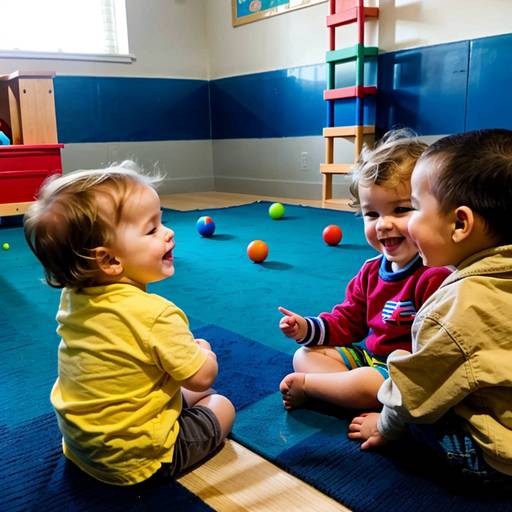
The lesson plan focuses on teaching toddlers about sharing through engaging activities designed to foster cooperation and empathy. It begins with a discussion on the meaning of sharing, supplemented by visual aids to illustrate the concept. A story that emphasizes sharing is read, encouraging interactive discussion among the children.
The main activity involves building something together using blocks, where children are prompted to ask for turns and share materials. This is followed by a music and movement break that encourages interaction between peers.
Children engage in role-playing scenarios that involve sharing toys, allowing them to express feelings associated with both giving and receiving. The lesson concludes with a reflective discussion, inviting children to share their thoughts and experiences about sharing during the activities. Positive reinforcement is emphasized throughout to build confidence in their social skills.
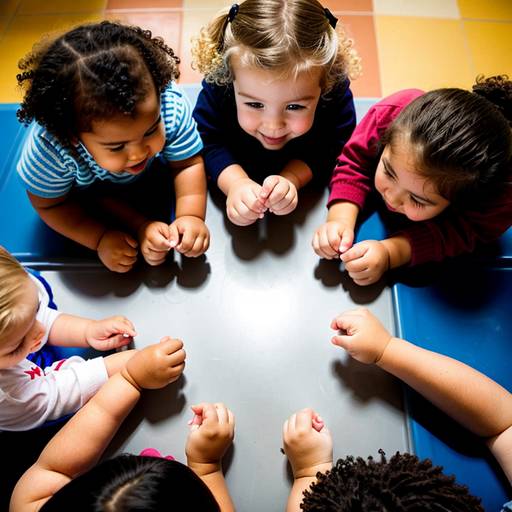
This lesson plan focuses on helping toddlers develop social skills related to teamwork through engaging group activities. The session begins with a circle time introduction, where children are introduced to the concept of teamwork and encouraged to share their experiences.
Following this, they participate in a building activity using large blocks, where they collaborate to construct a structure, promoting communication and role assignment. Next, small groups tackle a large puzzle, reinforcing skills in cooperation and turn-taking.
An art project allows children to create a mural together, encouraging discussion about their contributions and fostering a sense of shared ownership. The lesson concludes with a closing circle where children reflect on their teamwork experiences, followed by a song or movement activity to enhance the sense of togetherness.
Throughout the session, educators observe interactions, noting instances of effective communication, sharing, and problem-solving, while providing positive reinforcement to encourage teamwork. Adaptations are considered to support varying needs, ensuring an inclusive environment. Reflection on the lesson's effectiveness is encouraged, allowing for adjustments in future teamwork-focused activities.
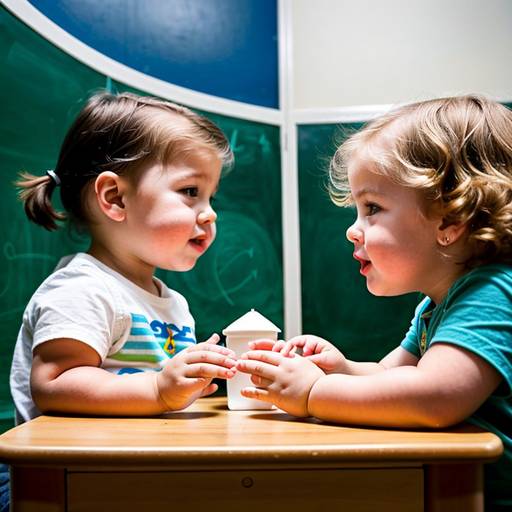
This lesson plan focuses on teaching toddlers the importance of sharing through interactive activities and storytelling. The session begins with a discussion on sharing, supported by visual aids to help illustrate the concept. A storybook that highlights sharing is then read aloud, fostering engagement and comprehension.
Following the story, children participate in a group activity where they take turns selecting toys from a central blanket and sharing them with their peers. This encourages cooperation and communication as they explain their favorite toys and invite others to play.
Next, toddlers engage in role-playing scenarios that depict common sharing situations, using colorful scarves as props to creatively resolve conflicts. The lesson wraps up with a group reflection where each child has the opportunity to express what they learned about sharing.
Throughout the session, the educator observes and reinforces positive sharing behaviors, aiming to instill a sense of empathy and teamwork among the children. Extensions of the lesson include creating a "Sharing Chart" and discussing ways to share at home, further enriching the learning experience.
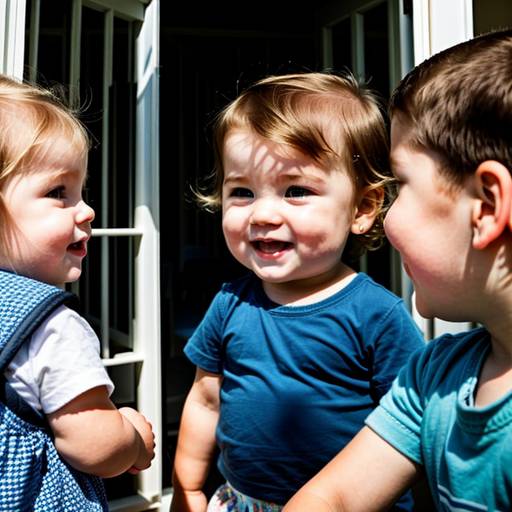
This lesson plan focuses on helping toddlers recognize and understand their own emotions and those of others, cultivating empathy and kindness. The session begins with a group circle, where children are introduced to various emotions through flashcards and are encouraged to mimic the corresponding facial expressions. A mirror activity allows them to explore their own emotions by making faces and discussing how they feel.
Following a storytime segment, where a book about emotions is read, children engage in role-playing scenarios with plush toys to express feelings and demonstrate empathy by suggesting ways to help. An art activity follows, where students draw moments related to different emotions, sharing their work with the group.
The lesson concludes with a group reflection about what they learned regarding feelings and kindness, reinforced with a collective “kindness chant.” Assessment involves observing children's participation and their ability to express emotions during the activities, while follow-up suggestions encourage parents to discuss feelings with their children at home. The approach emphasizes a supportive environment where children can freely express their emotions and learn the importance of caring for others.
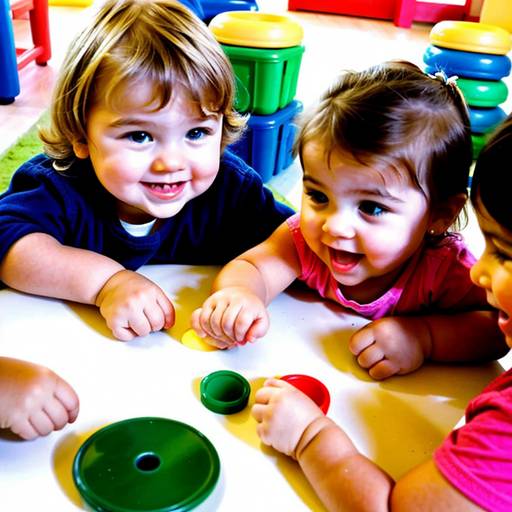
The lesson plan focuses on teaching toddlers the concept of cooperation through a variety of interactive activities. It aims to help children understand how to share, take turns, and work together towards common goals while enhancing their communication and social interaction skills. The session begins with an introduction to cooperation, followed by an icebreaker activity where children pass a soft ball while holding hands. Participants then engage in partner activities by constructing towers with building blocks, which fosters teamwork as they share and build together. They progress to solving puzzles in small groups, reinforcing the importance of collaboration through shared efforts. A creative group art project allows children to express themselves while cooperating on a larger piece, culminating in a closing circle where they reflect on their experiences. The lesson emphasizes observation and assessment of children's interactions to gauge their understanding of cooperation and guide future lessons. Extensions include storytime to further reinforce the theme of friendship and collaboration. Overall, the lesson provides a fun, structured approach to developing social skills in young children.
In this toddler lesson plan, students will explore the concept of empathy through interactive and engaging activities. The session begins with a circle gathering where the instructor introduces the idea of understanding and caring for others' feelings. A storybook featuring characters with various emotions sets the stage for discussion, encouraging children to express how characters feel and share their own experiences.
The lesson includes an activity using emotion flashcards, where toddlers learn to identify and mimic different feelings while discussing how they can support friends experiencing those emotions. A role-playing segment allows children to act out scenarios, using props to portray characters and practice empathetic responses.
To further reinforce the lesson, children engage in a creative drawing activity, illustrating what brings happiness to themselves or others. The session concludes with a group reflection, summarizing what they learned about feelings and kindness. The use of puppets during the closing circle adds an enjoyable touch while reinforcing empathetic messages. Overall, this lesson aims to foster an understanding of empathy among toddlers in a supportive and playful environment.