
Filters
Level
Grade
Subject
Subject Area
Subject Topic
Standard(s)
Audience
Keyword
DurationMinutes
Toddler Gross Motor Skills Lesson Plans

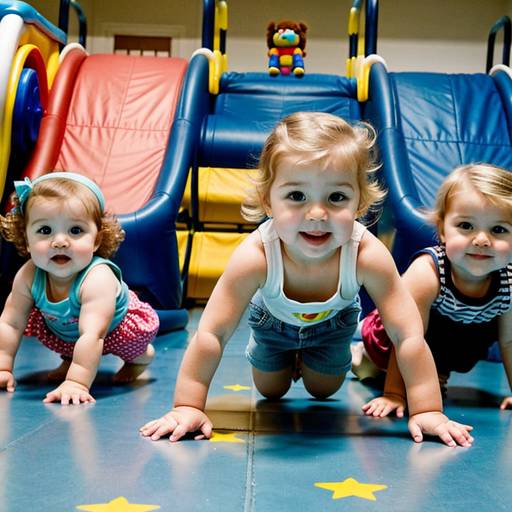
This lesson plan is designed for toddlers aged 18 months to 3 years and focuses on enhancing gross motor skills through basic tumbling activities, including rolling, balancing, and navigating obstacle courses. The session begins with a warm-up featuring fun stretches and animal movements, followed by three engaging activities: practicing rolling safely on mats, walking along balance beams made of foam blocks, and maneuvering through a simple obstacle course with cushions and cones. A calming cool-down helps transition the children back to a relaxed state, featuring deep breathing and gentle stretches. Throughout the lesson, children are encouraged to express their favorite activities and demonstrate newly learned skills, allowing for assessment of their engagement and development. Emphasis is placed on creating a safe, fun environment that fosters physical activity and coordination.
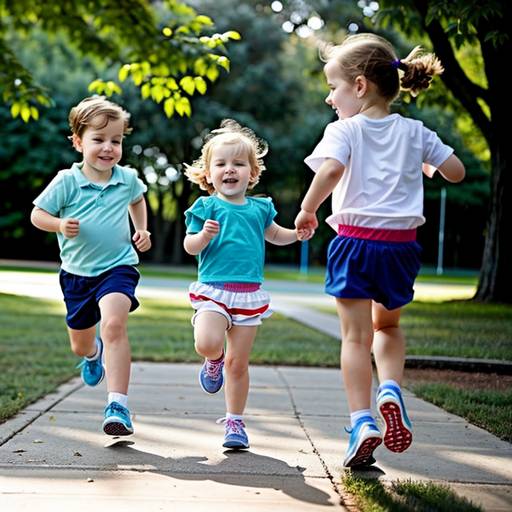
This lesson plan focuses on enhancing toddlers' gross motor skills through engaging running activities. Designed for children aged 2 to 3, the session begins with a warm-up that incorporates movement songs to prepare the children for physical activity. The main component consists of a running course set up with cones and optional balls for added coordination practice. Following this, an obstacle course encourages further movement through jumping and weaving, promoting physical agility. A musical running game allows children to enjoy free movement while also practicing listening skills as they freeze when the music stops. To conclude, the lesson includes gentle stretches and a group reflection, allowing children to share their favorite moments. Safety is prioritized throughout the session, ensuring that all activities cater to the varying skill levels of the participants. Caregivers are encouraged to support continued physical play at home to further develop these essential skills.
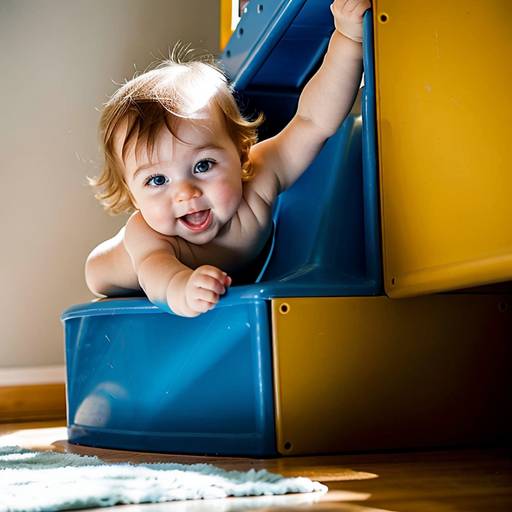
This lesson plan aims to help toddlers develop gross motor skills through engaging climbing activities. The session begins with an energetic introduction and warm-up to prepare the children physically and mentally for the day's exploration. Multiple climbing stations featuring soft climbing blocks, slides, and obstacle courses allow children to practice their climbing, balance, and coordination in a safe environment.
A group climbing challenge fosters teamwork and social skills by encouraging children to help one another navigate a soft foam 'mountain.' The lesson concludes with a cool-down period, where children engage in deep breathing exercises and reflect on their experiences, promoting communication and confidence. Throughout the session, educators are encouraged to provide supervision, support, and positive reinforcement, ensuring a safe and enjoyable experience for all participants.
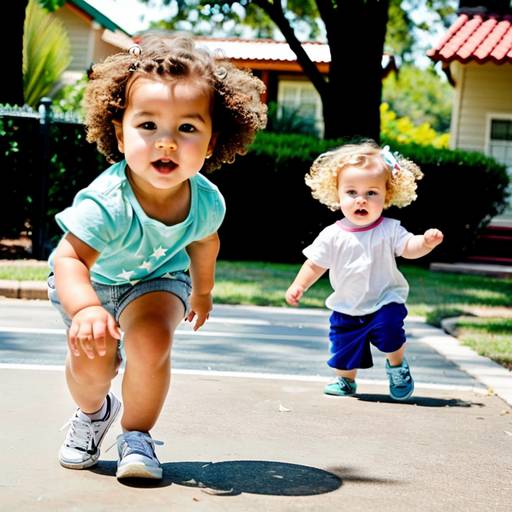
This lesson plan is designed for toddlers aged 2-4 years and focuses on developing gross motor skills through skipping. The session lasts approximately 30 minutes and begins with a lively warm-up involving movement and stretching. After a brief introduction to skipping, children engage in a guided activity that has them skip along a course marked by colored markers and cones, fostering coordination and balance.
To further enhance their skills, toddlers participate in an activity that involves skipping in and out of hula hoops, encouraging turn-taking and social interaction. The lesson also incorporates creative movement with scarves or ribbons as children skip to upbeat music, allowing for self-expression and enjoyment.
To wrap up the session, children cool down by sharing their feelings about the activities and reflecting on their experiences, fostering a sense of community and connection. The lesson concludes with a calming song to help transition them back to a relaxed state, while assessment focuses on observing participation and skill development. Extension activities are suggested to encourage continued practice and integration of skipping into various contexts.
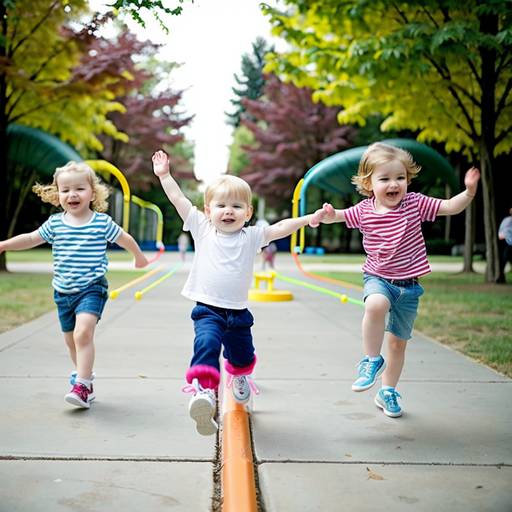
This lesson plan is designed for toddlers aged 2 to 4, focusing on developing gross motor skills through the fun activity of skipping. The session begins with a warm-up involving a lively movement song and simple stretches to prepare the children for physical activity. Next, a demonstration of skipping is provided, followed by individual practice where toddlers are encouraged to try skipping across a short distance. They will also engage in partner activities to promote teamwork.
An obstacle course is then set up, allowing children to navigate by skipping around cones and markers, reinforcing their newly acquired skills. The group activity features an upbeat music segment where toddlers are encouraged to skip freely, adding scarves for a creative visual element. Finally, there is a cool-down session with stretches and a reflection circle, allowing students to share their experiences and favorite moments from the lesson. Throughout the session, emphasis is placed on safety, encouragement, and making the experience enjoyable while fostering coordination and balance.
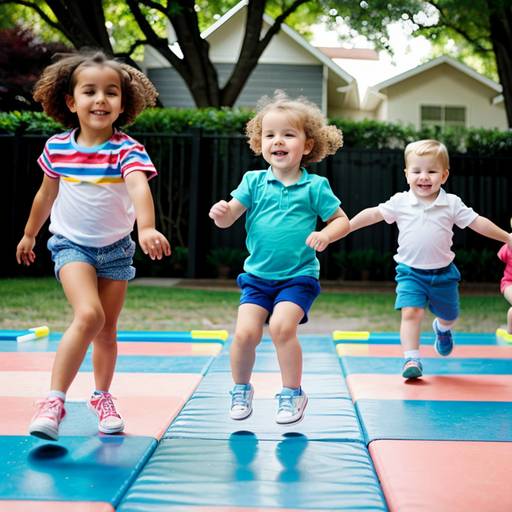
This lesson plan focuses on developing gross motor skills in toddlers through the activity of skipping. It aims to enhance coordination, balance, and rhythmic movement while promoting social interaction and cooperative play. The session begins with warm-up exercises, followed by an introduction to the skipping technique, where children practice the basic step-hop movement.
Participants engage in a guided activity along a marked skipping pathway and take part in fun games, including skipping races and freestyle skipping to music. The lesson concludes with a gentle ball retrieval activity combined with relaxation stretches, allowing children to cool down. Parents and caregivers are encouraged to continue practicing skipping at home, fostering skill development and enjoyment beyond the classroom. Throughout the lesson, educators will assess each child's ability and engagement, ensuring a safe and enjoyable learning environment.
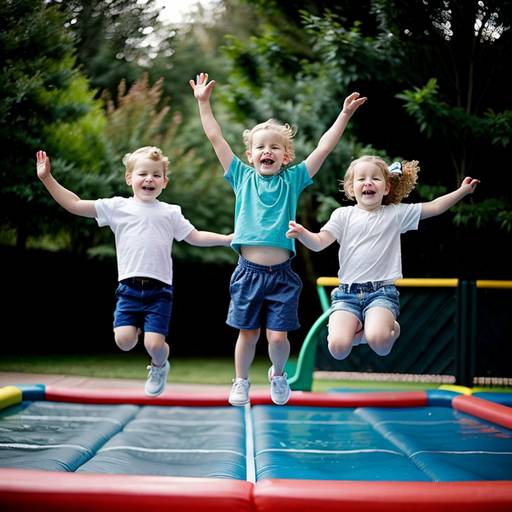
This lesson plan focuses on developing toddlers' gross motor skills through a series of engaging jumping activities. Aimed at children aged 2 to 4, the session lasts 30-35 minutes and includes a variety of fun exercises designed to enhance coordination, balance, and spatial awareness.
The activities involve warm-up exercises to prepare the children, followed by structured play at multiple stations featuring hula hoop hops, a zigzag cone course, jump rope challenges, and a foam mat challenge. These stations enable children to practice their jumping abilities in a supportive environment. Additionally, a relay race encourages teamwork and friendly competition, allowing each child to showcase their jumping skills.
The session concludes with a cool-down routine that includes gentle stretches and a calming song, promoting relaxation after energetic play. Throughout the activities, children receive positive reinforcement while caregivers are encouraged to continue fostering jumping skills at home. Safety is a priority, with careful attention given to the jumping area to ensure a secure play environment.
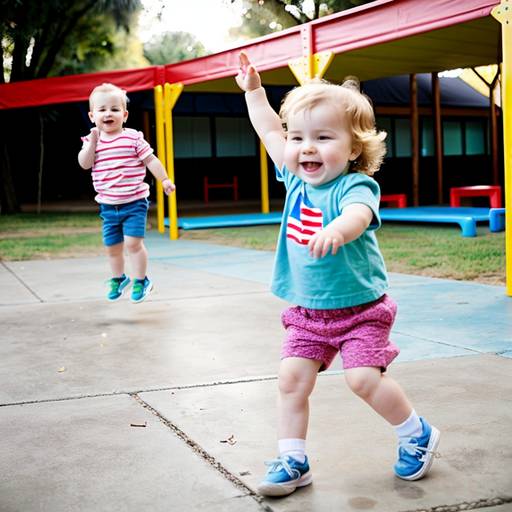
This lesson plan focuses on enhancing toddlers' gross motor skills through activities that promote balance and stability. Designed for children aged 2-4 years, the session begins with an engaging circle time discussion about the importance of balance, followed by a dynamic warm-up to prepare the children for movement.
Three activity stations are set up to encourage exploration: a balance beam walk where children practice walking in various ways, a hula hoop hopping activity that emphasizes careful movement and landing, and a beanbag challenge to help them develop poise while walking. Each station allows toddlers to practice balancing in a fun and interactive way.
Afterward, a gentle cool-down involves stretching and a group discussion to reflect on the activities and their experiences. The session concludes with a playful song or dance, reinforcing the skills learned. Throughout the lesson, educators will assess children's balance abilities while providing adaptations for varying skill levels to ensure inclusivity. Overall, the plan combines physical activity with enjoyment, fostering both fun and learning in developing balance skills.
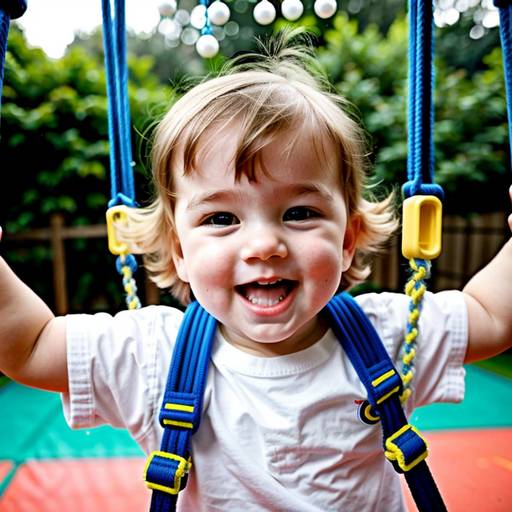
This lesson plan focuses on enhancing toddlers' gross motor skills through engaging swinging activities. Designed for children aged 2-4 years and lasting 30 minutes, it begins with a warm-up stretching routine using imaginative movements that encourage bodily readiness.
The lesson introduces swinging techniques, demonstrating how to swing safely and effectively. Children are divided into small groups based on their comfort levels, with supportive guidance provided for those who need it. Engaging games, such as swinging while attempting to kick a soft ball or reach for objects, enhance coordination and balance.
The session concludes with a cool-down period where children can reflect on their experiences and discuss their feelings about swinging. Overall, the plan promotes physical development, spatial awareness, and social interactions among toddlers. Safety measures are emphasized throughout the activities to ensure a secure and pleasant environment. Extensions to the lesson include incorporating storytelling and additional motor skill challenges to further enrich the experience.
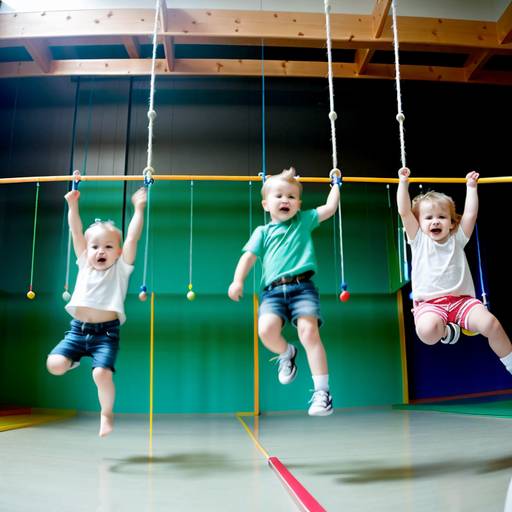
In this toddler lesson plan, young children will develop their gross motor skills, coordination, and balance through a series of interactive swinging activities. The session begins with an introduction to the concept of swinging, supplemented with visual aids. A warm-up involving gentle stretches prepares their bodies for movement.
Participants will then individually swing in bucket swings while practicing holding on and looking around to enhance their balance. As they gain confidence, they will use colorful scarves or ribbons while swinging to encourage creativity and hand-eye coordination.
A group game incorporates music, allowing children to swing and freeze when the music stops, helping them understand rhythm and movement. The lesson concludes with a cool-down routine, promoting relaxation and reflection on their swinging experience. Throughout the activities, careful supervision ensures safety and inclusion for all children, making it a fun and engaging session focused on movement and physical development.