
Filters
Level
Grade
Subject
Subject Area
Subject Topic
Standard(s)
Audience
Keyword
DurationMinutes
Toddler Gross Motor Skills Lesson Plans


This lesson plan focuses on enhancing toddlers' gross motor skills through engaging balancing activities. Designed for children ages 2-4, the session lasts 30-45 minutes and aims to develop body awareness, coordination, and focus.
The session begins with a brief warm-up that includes animal walks, helping to physically prepare the children while promoting fun and body awareness. The main activities involve walking across soft balance beams, navigating a simple obstacle course with cones and hula hoops, and partnering up to enhance teamwork and communication.
To conclude, a cool-down phase allows children to reflect on their experiences, discussing what they enjoyed. The closing activity involves a freeze dance where children balance in poses when the music stops, further reinforcing the skills learned throughout the session. Safety measures, such as using soft mats and close supervision, ensure a secure environment for exploration and play. Overall, the activities aim to foster confidence while making balancing enjoyable and exciting for toddlers.

This lesson plan focuses on enhancing toddlers' gross motor skills through engaging balancing activities. Designed for children aged 2-4, the session lasts 30-40 minutes and includes various activities that promote coordination, stability, and body awareness.
The lesson begins with an introduction to balancing, where children learn its importance through fun demonstrations. A warm-up featuring imaginative animal walks prepares them for the main activities. The core segment consists of multiple balance stations, including walking on balance beams, navigating through hula hoops, balancing beanbags on their heads, and weaving between cones. Each activity encourages children to develop their balancing abilities in a playful environment.
To reinforce the skills learned, a group activity, like balancing freeze dance, allows children to express creativity while fostering coordination. The session concludes with a cool-down period that involves gentle stretching and reflection, encouraging children to share their experiences and challenges.
Safety is prioritized throughout the lesson, with supervision and proper equipment ensuring a secure environment for exploration. Overall, the plan is designed to provide a fun, interactive experience that supports toddlers in developing essential gross motor skills through balancing.

The lesson plan focuses on enhancing toddlers' gross motor skills and coordination through a series of engaging and playful activities. The session begins with an introduction to the concept of coordination, followed by a warm-up that incorporates animal movements to get the children energized.
The activities include a ball toss game to develop hand-eye coordination, a hula hoop hopping exercise to practice balance and jumping skills, and an obstacle course that encourages movement and teamwork. The lesson concludes with a cool-down session featuring parachute play, fostering cooperation among the children. Throughout the lesson, educators assess the children's participation and skill development while ensuring a safe and supportive learning environment. The plan aims to create a fun and interactive experience that promotes physical development and social interaction.

This lesson plan focuses on enhancing toddlers' gross motor skills through various jumping activities designed to improve coordination, balance, and muscle strength. It is intended for children aged 2-3 years and lasts approximately 30-45 minutes.
The session begins with a warm-up that includes movement songs and gentle stretches to prepare the children for jumping. Three engaging activity stations are set up: "Hoop Hops" where children jump between hula hoops; a "Cone Course" where they navigate around cones by jumping; and "Ball Bounce" where they jump to catch bouncy balls or land on bean bags.
A group game titled "Follow the Leader" encourages children to replicate different jumping actions demonstrated by their peers. The lesson concludes with a calming cool-down period involving reflection and stretches, fostering a sense of community and encouraging each child to share their favorite jumping experiences.
Throughout the lesson, careful attention is paid to safety, ensuring a soft landing area and adequate space to avoid collisions. Adaptations are also suggested for varying skill levels, allowing each toddler to engage comfortably and confidently in the activities. Overall, this lesson promotes physical development through active, playful learning.
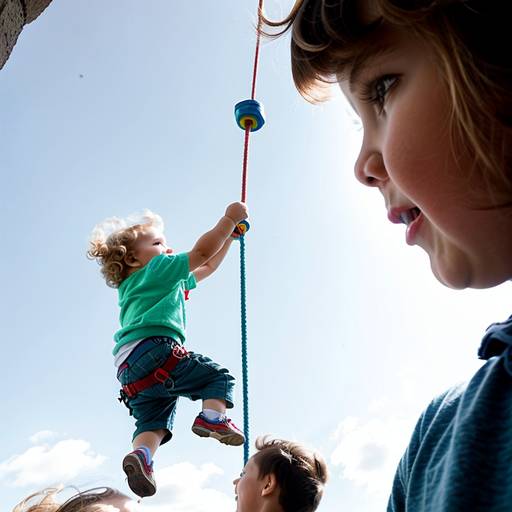
This lesson plan focuses on enhancing gross motor skills in toddlers through engaging climbing activities. It is designed for children aged 2-4 years and spans a duration of 30-45 minutes. The session begins with a fun introduction, including a song related to climbing, followed by a warm-up that encourages various motions to prepare their bodies.
The main activities involve free exploration of safe climbing structures and a guided climbing challenge that promotes confidence and coordination. An obstacle course designed with elements such as tunnels, balance beams, and foam blocks allows children to practice climbing, crawling, and balancing while fostering turn-taking and cooperation.
After the active climbing phase, the children participate in a cool-down session with gentle stretches and breathing exercises. The lesson wraps up with a discussion about their experiences, reinforcing the skills learned and the importance of teamwork. Throughout the session, safety is prioritized, ensuring that all equipment is age-appropriate and closely supervised. The plan encourages a positive and fun environment, aiming to promote physical fitness and social interaction among the toddlers. Follow-up activities include creating a climbing journal and introducing climbing-themed books.
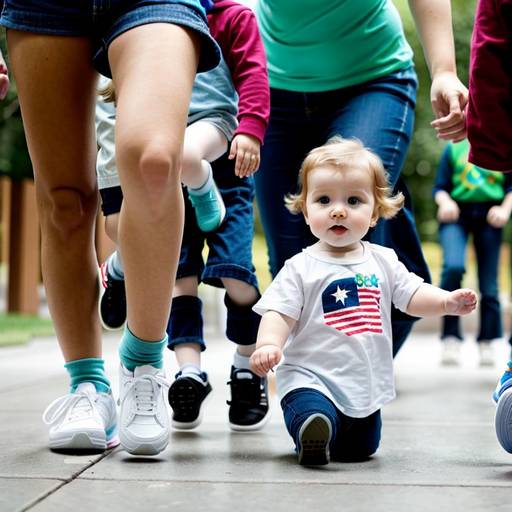
This lesson plan focuses on enhancing toddlers' gross motor skills with an emphasis on coordination through engaging and interactive activities. The session begins with a warm-up that includes a fun movement song and simple stretching exercises to prepare the children for the activities ahead.
- Ball Toss - Kids practice throwing soft balls into targets to develop hand-eye coordination.
- Balance Beam - Children walk along a designated line to improve balance and stability.
- Scarf Dance - While listening to upbeat music, toddlers dance with colorful scarves, promoting rhythm and coordinated movement.
- Obstacle Course - A simple course encourages children to navigate various challenges, fostering confidence and coordination.
The session concludes with a cool-down segment that encourages gentle movements and reflections on their favorite activities, reinforcing the day's learning outcomes. The lesson is designed to be fun, safe, and supportive, promoting physical activity and coordination in a playful environment.
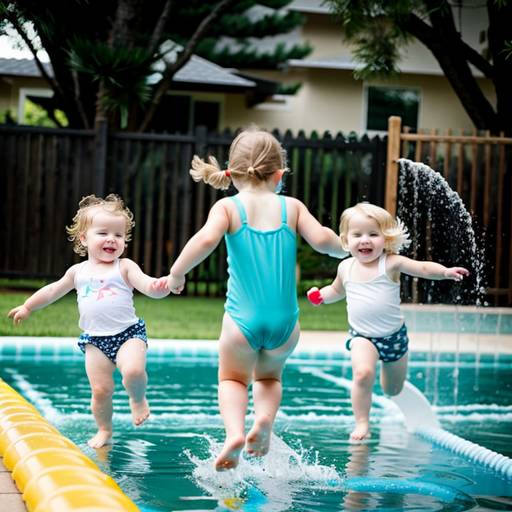
This lesson plan focuses on enhancing toddlers' gross motor skills through a series of engaging running activities. The session begins with a warm-up that includes fun stretches and movements designed to prepare the children for physical activity. Participants then rotate through three main stations: running a designated track where they race to improve speed and coordination, navigating hula hoops that encourage jumping and agility, and completing a simple obstacle course that practices balance and movement control.
After the active portion, the children engage in a cool-down period to help regulate their heart rates while incorporating relaxation techniques. The session concludes with a closing circle, where kids can share their favorite activities and reflect on their experiences. The overall goal is to foster a love for running and movement, promote physical fitness, and encourage social interaction among peers in a lively and supportive environment.
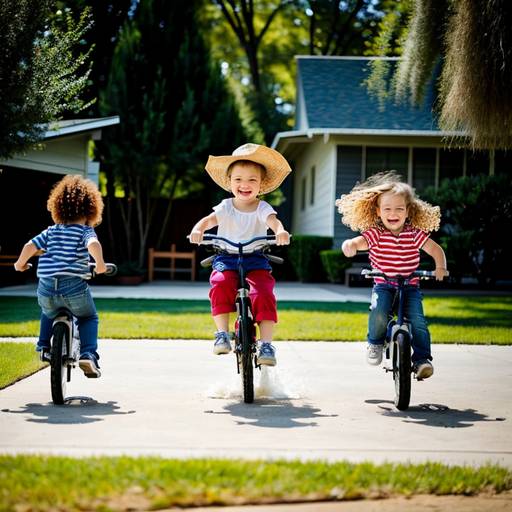
This lesson plan focuses on developing gross motor skills in toddlers through the engaging activity of galloping. It begins with an introduction that captures children's interest by discussing animals that gallop, using visual aids for stimulation. A warm-up session includes fun songs and animal imitations to get them moving and excited.
Children are then guided through basic galloping techniques before participating in structured activities such as a relay race and a musical game, which emphasize balance, coordination, and teamwork. The lesson culminates with a cool-down segment featuring gentle stretches and a reflective discussion that encourages children to share their thoughts on the activity. Overall, this interactive approach fosters movement, creativity, and social interaction while enhancing physical skills.
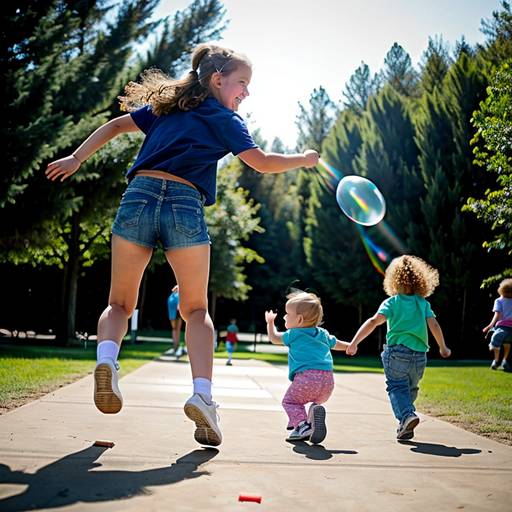
This lesson plan focuses on developing toddlers' gross motor skills through the engaging activity of galloping. Designed for children aged 2-4, the session begins with an introduction to the galloping motion, encouraging children to mimic the movement in place. After a warm-up that combines marching and galloping, students navigate an obstacle course featuring cones, hula hoops, and soft mats to reinforce their galloping technique in a playful environment.
A lively freeze dance game keeps the energy high, where the children gallop around and freeze in motion when the music stops. In a creative play segment, they pretend to be different animals while galloping, further enhancing their imaginative skills. The lesson concludes with gentle cool-down stretches, allowing children to reflect on their experience and express what they enjoyed most. Observations of their movements throughout the class help assess their progress in gross motor skills, while verbal encouragement supports their development. The activities promote not only coordination and balance but also creativity and social interaction.
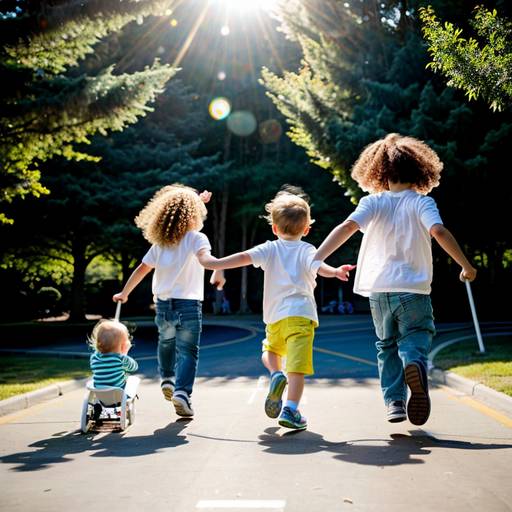
This lesson plan is designed for toddlers aged 2-4 years and focuses on developing gross motor skills through galloping activities. The session lasts for 30 minutes and aims to enhance coordination and balance while engaging children's imagination and creativity.
The lesson begins with an introduction where children discuss galloping and mimic animals that showcase this movement. A warm-up activity invites them to imitate various animals to prepare their bodies for movement. Next, the instructor demonstrates proper galloping technique and facilitates practice sessions around a designated course marked by cones.
To make the activity dynamic, a creative movement game called "gallop and freeze" is introduced, where children gallop to music and freeze when it stops, fostering listening skills and control. The session concludes with a cool-down period that includes gentle stretching and a reflection where children share their experiences.
Optional extensions include providing colorful scarves as reminders of the activity and encouraging children to practice galloping at home. Throughout the lesson, the instructor assesses children's balance and coordination, offering positive reinforcement to create an engaging and supportive environment. Safety is prioritized by ensuring the area is clear of obstacles and adapting activities to meet individual needs.