
Filters
Level
Grade
Subject
Subject Area
Subject Topic
Standard(s)
Audience
Keyword
DurationMinutes
Toddler Self Regulation Lesson Plans

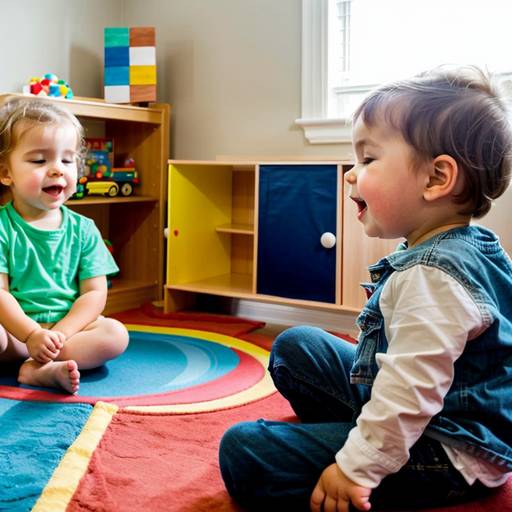
This lesson plan aims to support toddlers in developing self-regulation skills by exploring emotions and calming techniques. The session begins with an introduction where toddlers are gathered to discuss feelings and recognize different emotions through an engaging chart. They are then introduced to a special “Calm Down” box filled with various calming items, which they can use to help manage big feelings.
Next, the toddlers participate in a guided activity within a designated “Calm Down Corner,” utilizing soft music and cushions to create a calming environment. They practice deep breathing techniques while using items from the box. Following this, toddlers express their emotions through drawing, capturing how they feel after practicing their calming strategies.
The lesson concludes with a closing circle where each child shares insights about their learning experience. The plan emphasizes ongoing emotional awareness and self-regulation, encouraging daily practices that can be integrated into the classroom routine. Assessment is conducted through observation of the toddlers' engagement and ability to express and manage their emotions.
This lesson plan focuses on cultivating toddlers' emotional awareness and self-regulation skills. The session begins with circle time, where children engage in conversation about their feelings using emotion flashcards, helping them identify and express different emotions. A story is read that highlights various feelings, fostering discussion and empathy.
Interactive activities follow, including exploring plush toys representing emotions, looking in mirrors to mimic feelings, and creating artwork that expresses how they feel. Simple calming techniques, like deep breathing exercises paired with soft music, help children learn self-soothing strategies.
The session concludes with a closing circle where children share their favorite parts of the lesson and contribute to a feelings jar, symbolizing their emotional states. This plan emphasizes recognizing emotions, discussing them, and practicing self-regulation, while promoting a supportive environment for open expression. Future sessions will include ongoing discussions about feelings and coping strategies.
This lesson plan focuses on fostering self-regulation and emotional understanding in toddlers aged 2 to 4 through interactive activities and engaging discussions. The goal is to help children recognize and express their emotions while learning strategies for self-control.
The session begins with a circle time discussion about feelings, using emotion flashcards to prompt children to identify and mimic different emotions. An interactive song follows to reinforce the concept. Main activities include an emotion charades game, where children act out emotions and discuss self-regulation techniques, and puppet play that illustrates emotional scenarios, encouraging children to suggest calming strategies. Finally, children engage in creative expression by creating artwork that represents an emotion and sharing their creations with peers.
The lesson wraps up with a reflection circle where children share their learned strategies, followed by a calming breathing exercise to reinforce self-regulation techniques. The plan emphasizes play and exploration, allowing children to develop their emotional vocabulary and coping skills in a supportive environment. Optional extensions include a "Feelings Library" for further exploration of emotions and a weekly focus on a specific emotion to deepen understanding.
The lesson focuses on helping toddlers identify and manage their emotions through engaging activities that promote self-regulation. The session begins with an introduction where children explore various emotions using flashcards, followed by a story that encourages discussion about feelings.
Next, participants take part in an emotion exploration activity, where they express feelings through movement and body language. This is complemented by a self-regulation segment that introduces calming techniques, incorporating sensory experiences like interacting with water.
Children then engage in creative expression by representing emotions through playdough or drawings and sharing their creations with the group. The lesson concludes with a closing circle where each child shares their feelings experienced during the session. This approach fosters emotional awareness and equips children with strategies to manage their emotions effectively in a fun, supportive environment. The plan allows for ongoing emotional exploration through follow-up activities, promoting a lasting understanding of feelings.