
Filters
Level
Grade
Subject
Subject Area
Subject Topic
Standard(s)
Audience
Keyword
DurationMinutes
Toddler Emotional Development Lesson Plans

This lesson plan focuses on fostering toddlers' emotional development by helping them recognize and express their feelings, as well as introducing basic coping strategies. The session begins with an engaging circle time where children explore various emotions through visual aids and interactive discussions. A story is then read aloud to illustrate different feelings, encouraging personal connections.
Following the story, simple coping strategies are introduced, such as deep breathing and hugging soft toys, allowing children to practice these techniques together. An art activity allows toddlers to express their emotions creatively by drawing, which they can later share with the group. The lesson concludes with a supportive closing circle, reinforcing the idea that it's okay to experience different feelings and that they have friends to lean on. Parents are encouraged to continue the conversation about emotions and coping strategies at home, ensuring a collaborative approach to emotional development.

This lesson plan focuses on cultivating toddlers' emotional awareness and self-regulation skills. The session begins with circle time, where children engage in conversation about their feelings using emotion flashcards, helping them identify and express different emotions. A story is read that highlights various feelings, fostering discussion and empathy.
Interactive activities follow, including exploring plush toys representing emotions, looking in mirrors to mimic feelings, and creating artwork that expresses how they feel. Simple calming techniques, like deep breathing exercises paired with soft music, help children learn self-soothing strategies.
The session concludes with a closing circle where children share their favorite parts of the lesson and contribute to a feelings jar, symbolizing their emotional states. This plan emphasizes recognizing emotions, discussing them, and practicing self-regulation, while promoting a supportive environment for open expression. Future sessions will include ongoing discussions about feelings and coping strategies.

This lesson plan focuses on helping toddlers recognize, express, and label their emotions using appropriate vocabulary. Designed for a duration of 30-45 minutes, it includes a range of engaging activities suitable for a small group of 5-10 students.
The session begins with a circle time where children are introduced to a feelings chart and emotion flashcards, encouraging them to repeat and practice emotional vocabulary. Following that, an interactive game allows them to match specific emotions to the corresponding flashcards, promoting recognition and expression.
A story-reading segment introduces various emotions through a book, prompting discussion about the characters’ feelings. This is followed by a movement activity where toddlers express emotions through dance, connecting music to feelings. In the art activity, children draw faces that represent their chosen emotions, facilitating creativity while reinforcing vocabulary.
The lesson concludes with a reflective circle where children share their feelings using the terms learned throughout the session, highlighting the importance of emotional expression and validation. Extensions include creating an emotion wall and encouraging parental involvement to reinforce emotional discussions at home. Overall, the plan aims to build emotional awareness and communication skills in a fun and interactive setting.

This lesson plan focuses on helping toddlers identify and express various emotions through engaging activities. The session begins with a circle time where children are introduced to different feelings using emotion flashcards and encouraged to mimic expressions. A lively feelings song follows, incorporating movements to reinforce the concepts.
Next, the children gather for storytime, where they explore emotions further through a book that prompts discussions about feelings. Plush toys are introduced as a fun way for kids to project emotions and share stories about their chosen items.
Children then participate in a drawing activity, creating representations of their favorite feelings, followed by sharing their creations with the group. The session concludes with a wrap-up discussion, reinforcing what the children have learned about emotions, and featuring a positive group activity to foster connection.
Throughout the lesson, there is an emphasis on participation and expression, allowing toddlers to develop their emotional vocabulary and understanding of feelings in themselves and others. For follow-up, a feelings chart can be created, and an "Emotion of the Week" can be introduced to deepen their exploration of emotions over time.
This lesson plan focuses on helping toddlers identify and understand their emotions, while also introducing simple coping strategies for managing those feelings. It begins with an interactive circle time where children explore various emotions using flashcards and share personal experiences. A story illustrating different emotions enhances their understanding, followed by a discussion on coping strategies tailored to specific feelings.
Through role-playing with plush toys, children practice expressing emotions and applying coping techniques. They engage in a creative activity by drawing personal experiences related to emotions, which fosters self-expression and sharing. The lesson concludes with a group reflection on what they’ve learned, reinforcing a supportive atmosphere. Throughout the session, the emphasis is on creating a safe space for emotional expression and building foundational skills for emotional regulation.
This lesson plan focuses on fostering empathy and understanding in toddlers aged 2-4 through engaging activities that promote emotional awareness. The session begins with a welcome circle, where children are introduced to the concept of empathy and encouraged to express their feelings through song. Using emotion flashcards, children imitate facial expressions and share personal experiences related to each emotion.
A storytime segment allows for exploration of emotions via a large book that includes diverse characters and relatable situations, prompting discussion about feelings and help. The lesson continues with puppet play, where children act out scenarios involving emotions and comforting friends.
In the craft activity, each child creates their own "Emotion Heart," illustrating a time they supported a friend or received help. The lesson wraps up with a reflection session where children share their insights about feelings and the importance of caring for one another. This interactive approach promotes emotional development, empathy, and social skills in a nurturing environment.
This lesson plan focuses on fostering self-regulation and emotional understanding in toddlers aged 2 to 4 through interactive activities and engaging discussions. The goal is to help children recognize and express their emotions while learning strategies for self-control.
The session begins with a circle time discussion about feelings, using emotion flashcards to prompt children to identify and mimic different emotions. An interactive song follows to reinforce the concept. Main activities include an emotion charades game, where children act out emotions and discuss self-regulation techniques, and puppet play that illustrates emotional scenarios, encouraging children to suggest calming strategies. Finally, children engage in creative expression by creating artwork that represents an emotion and sharing their creations with peers.
The lesson wraps up with a reflection circle where children share their learned strategies, followed by a calming breathing exercise to reinforce self-regulation techniques. The plan emphasizes play and exploration, allowing children to develop their emotional vocabulary and coping skills in a supportive environment. Optional extensions include a "Feelings Library" for further exploration of emotions and a weekly focus on a specific emotion to deepen understanding.

In this engaging lesson plan for toddlers focused on emotional development, children will learn to identify and express their feelings through interactive and creative activities. The session begins with a group discussion encouraging children to name and make faces for different emotions using colorful flashcards. A storybook centered on emotions is read, prompting reflections on characters’ feelings.
A feelings chart and mirror activity allow children to explore their own emotions and practice expressing them physically. To further reinforce their understanding, children will create drawings depicting their favorite emotions, sharing their artwork and experiences with the group. The lesson concludes with a wrap-up circle where children review what they’ve learned and share affirmations about the importance of feelings. Extensions for the lesson include setting up a “Feelings Corner” in the classroom and encouraging discussions about emotions at home. Overall, the plan aims to foster emotional awareness and expression in a supportive and fun environment.

The lesson focuses on helping toddlers identify and manage their emotions through engaging activities that promote self-regulation. The session begins with an introduction where children explore various emotions using flashcards, followed by a story that encourages discussion about feelings.
Next, participants take part in an emotion exploration activity, where they express feelings through movement and body language. This is complemented by a self-regulation segment that introduces calming techniques, incorporating sensory experiences like interacting with water.
Children then engage in creative expression by representing emotions through playdough or drawings and sharing their creations with the group. The lesson concludes with a closing circle where each child shares their feelings experienced during the session. This approach fosters emotional awareness and equips children with strategies to manage their emotions effectively in a fun, supportive environment. The plan allows for ongoing emotional exploration through follow-up activities, promoting a lasting understanding of feelings.
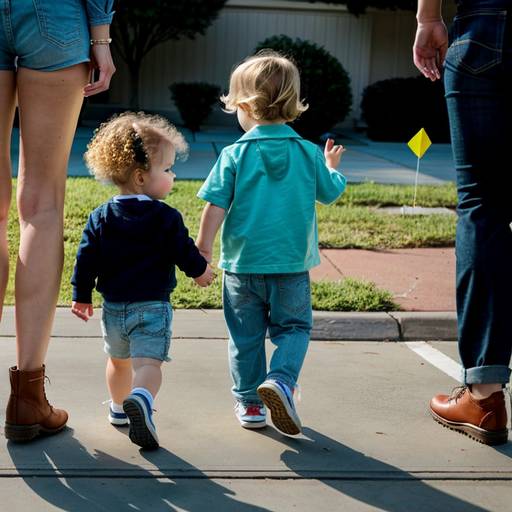
This lesson plan is designed for toddlers aged 2-4 and focuses on teaching the concepts of empathy and understanding others. The activities aim to help children identify and express emotions through interactive methods. The session begins with a circle time where children engage with emotion flashcards, mimicking expressions and sharing personal experiences. A storybook related to empathy is then read, prompting discussions about feelings and character actions.
The lesson includes a role-playing activity utilizing stuffed animals or dolls, allowing children to act out different emotional scenarios and practice providing empathetic support. An art activity follows, where children create drawings reflecting happy and sad moments in their lives, promoting sharing and connection within the group.
The session concludes with a reflective discussion, where children use a mirror to explore how their facial expressions can convey care and kindness. A kindness challenge encourages children to commit to an act of kindness before leaving. Throughout the lesson, emphasis is placed on recognizing and responding to emotions, fostering a supportive community atmosphere.