
Filters
Level
Grade
Subject
Subject Area
Subject Topic
Standard(s)
Audience
Keyword
DurationMinutes
Toddler Lesson Plans

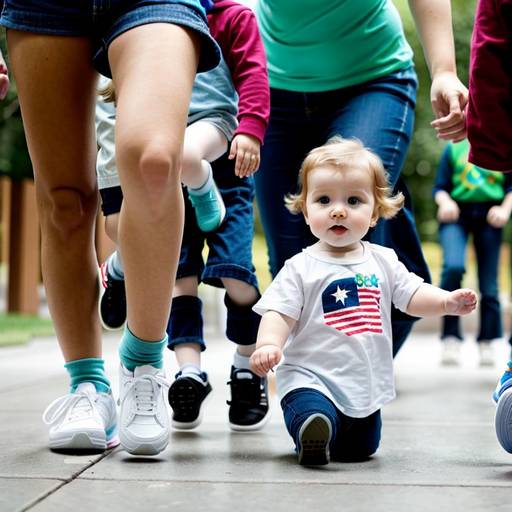
This lesson plan focuses on enhancing toddlers' gross motor skills with an emphasis on coordination through engaging and interactive activities. The session begins with a warm-up that includes a fun movement song and simple stretching exercises to prepare the children for the activities ahead.
- Ball Toss - Kids practice throwing soft balls into targets to develop hand-eye coordination.
- Balance Beam - Children walk along a designated line to improve balance and stability.
- Scarf Dance - While listening to upbeat music, toddlers dance with colorful scarves, promoting rhythm and coordinated movement.
- Obstacle Course - A simple course encourages children to navigate various challenges, fostering confidence and coordination.
The session concludes with a cool-down segment that encourages gentle movements and reflections on their favorite activities, reinforcing the day's learning outcomes. The lesson is designed to be fun, safe, and supportive, promoting physical activity and coordination in a playful environment.

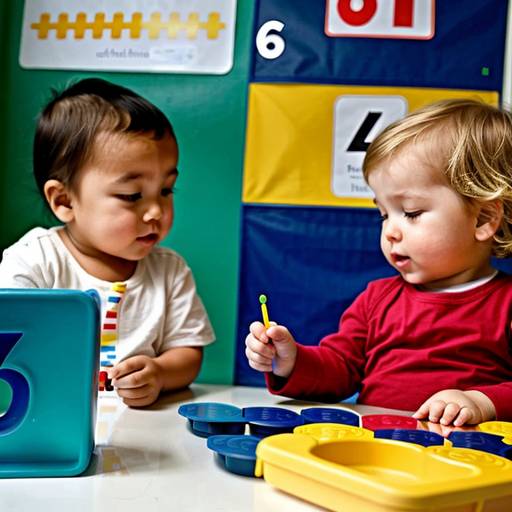
This lesson plan focuses on teaching toddlers the concept of number sequencing through engaging activities and songs. The session begins with a lively introduction involving a counting song to capture the children's attention. Following this, children participate in a number recognition activity where they identify numbers 1-10 on cards. They then play a sequencing game, arranging the numbers correctly on a number line.
Next, the toddlers use counting bears or blocks to practice counting in sequence, reinforcing their understanding of order. The lesson concludes with a recap, where children answer questions about number sequences, followed by a final counting song. Participants are rewarded with stickers or stamps for their involvement. The assessment focuses on their ability to recognize and sequence numbers, and additional activities can be introduced to reinforce learning. Overall, the plan provides a fun, interactive learning environment that emphasizes collaboration and hands-on experience with numbers.
In this engaging lesson plan for toddlers, students will explore the concept of number sequencing from 1 to 10 through a variety of interactive activities. The lesson begins with a fun introduction involving counting songs and number recognition to warm up the children. It then incorporates a short story about caterpillars that includes counting elements, allowing for further engagement.
Students will participate in a hands-on activity where they help sequence colorful caterpillar cutouts in the correct order, celebrating their successes together. To keep the energy high, a counting song encourages movement and physical expression, reinforcing the numbers learned.
The lesson also includes a manipulatives segment where children are guided to count and arrange objects, facilitating tactile learning. The session concludes with a circle time where children share their favorite numbers, reinforcing their understanding and rewarding participation. Overall, this lesson fosters a foundational understanding of numbers and sequencing through playful and dynamic experiences.
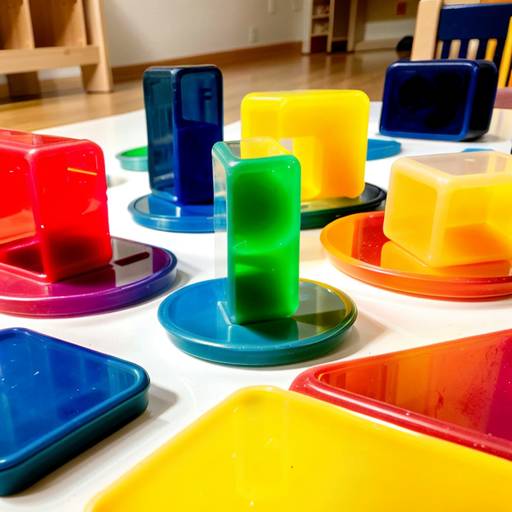
This lesson plan focuses on helping toddlers identify and create simple number patterns using colorful shapes while enhancing their counting skills. The session begins with an introduction to patterns, encouraging students to recognize repeating sequences through engaging discussions. A brief counting review strengthens their numerical understanding before they participate in a hands-on activity where small groups create their own shape and color patterns. As they work on their creations, they practice counting the shapes aloud. The class then shares their patterns, promoting group discussion and reinforcing their learning. To conclude the session, students join in a fun counting song that incorporates their newfound knowledge of patterns. The overall aim is to foster early math skills in an interactive and enjoyable manner while encouraging teamwork and creativity.
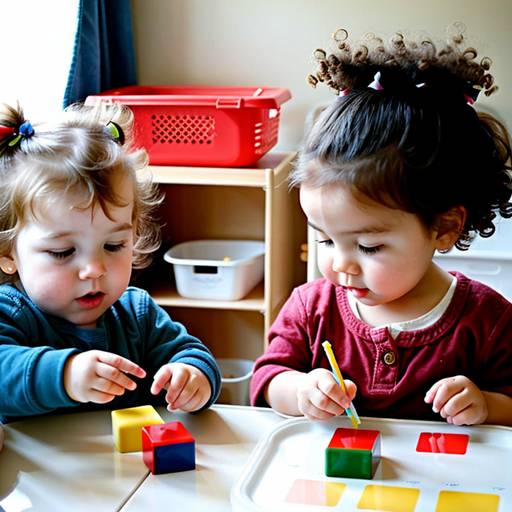
This lesson plan is designed for toddlers aged 2 to 4 years, focusing on foundational counting and quantity concepts. The objective is to help children understand one-to-one correspondence and basic counting skills from 1 to 5 through interactive and engaging activities.
The session begins with a circle gathering where students are introduced to various plush toys or animal figurines, allowing them to identify the animals and make related sounds. Children then participate in a hands-on counting activity, placing their chosen animals on numbered mats to reinforce the concept of one-to-one correspondence.
A storytime segment follows, featuring a counting-themed book that encourages children to count along using their fingers. This is complemented by a lively counting song where children use colorful beads or blocks to represent numbers, further solidifying their counting skills.
To conclude the lesson, children engage in a craft activity where they can draw their favorite animal and indicate the number they created. Finally, the group revisits the session's content with a summary discussion and farewell counting song, ensuring that the concept is reinforced.
Throughout the lesson, children are observed to assess their understanding, and extensions are suggested for those who demonstrate advanced counting abilities. This engaging approach effectively introduces essential math skills through play and interaction.
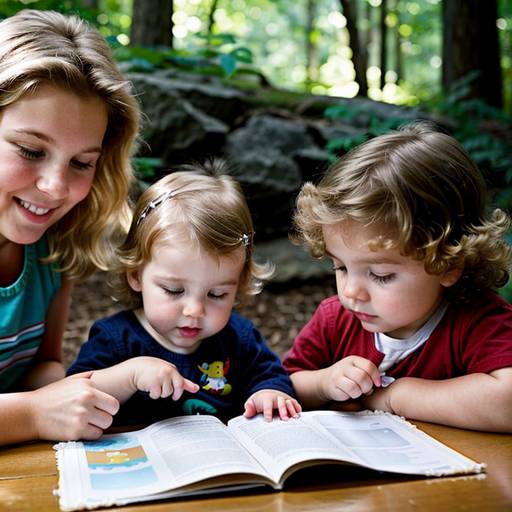
This lesson plan focuses on developing number recognition and counting skills for toddlers aged 2-4 through engaging activities and interactive games. The session begins with a welcoming circle where children are introduced to various animal figurines that will be used throughout the lesson. The first activity involves matching animal figurines with numbers displayed on a chart, where children collectively count the animals to reinforce understanding.
Next, an active movement activity encourages children to engage in a parade while holding their figures; they respond to called-out numbers by displaying the corresponding quantity of their animals. After a brief break, toddlers participate in a sing-along featuring counting songs, where they further practice verbal counting and movement.
The lesson concludes with a reflective circle where children share their experiences and reinforce their learning by answering questions about the numbers. The instructor observes participation and comprehension throughout the activities, providing praise and rewards to encourage engagement. The session is designed to be interactive, fostering a fun and stimulating learning environment for early numeracy skills.

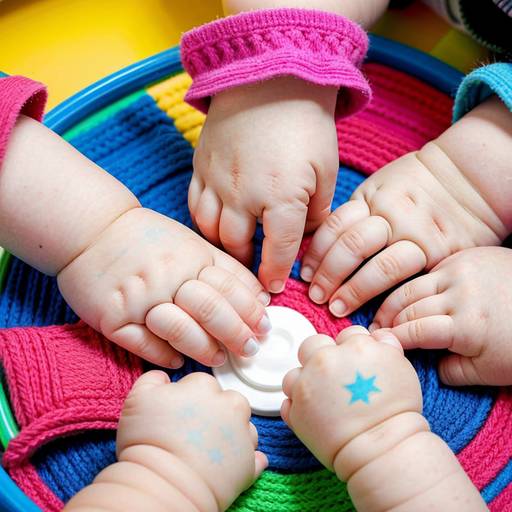
This lesson plan is designed for toddlers aged 18 to 36 months and aims to enhance their finger dexterity through a series of engaging activities that promote fine motor skill development. The session includes various activity stations where children can squeeze soft balls, manipulate playdough, use clothespins for sorting, and create art with crayons and markers. Additionally, toddlers will practice using tongs to transfer small objects, fostering hand-eye coordination. A group bubble activity encourages interactive play, allowing children to experience the joy of manipulating bubbles with their fingers. The lesson concludes with a reflection period where children share their favorite activities and demonstrate their new skills. Observations during the activities will inform assessments of their dexterity, while suggestions for home activities will extend learning beyond the classroom.

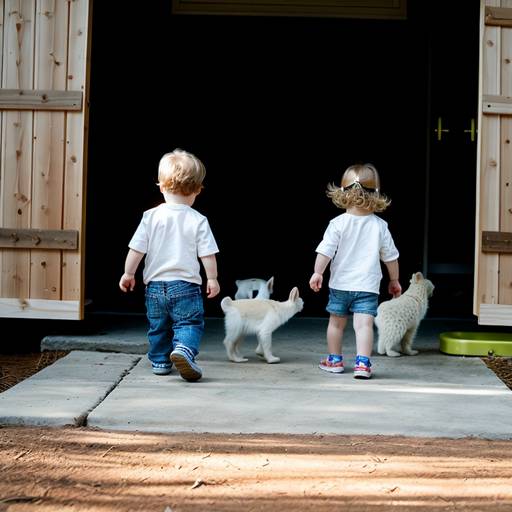
In this engaging lesson plan, toddlers will embark on a hands-on journey to discover the fascinating world of animals. The session begins with a circle time where children share their favorite animals and explore various types, facilitated by picture books. Following this, a captivating storytime introduces different animals and their habitats.
The core of the lesson features interactive exploration stations. At the puppet show station, children engage in imaginative play by mimicking animal movements and sounds. The observation station allows them to examine natural items using magnifying glasses, while the sound station invites them to identify animal sounds. In the creative station, they express themselves by drawing their favorite animals on large paper.
As a fun culminating activity, the children participate in an animal parade where they act like their chosen animals, embodying their characteristics. The lesson concludes with a group discussion and a healthy snack, allowing children to share their experiences and reflections.
Overall, this lesson fosters curiosity about animals and nature while promoting creativity, observation skills, and social interaction among young learners.
This lesson plan focuses on introducing toddlers to the fascinating properties of water through engaging and sensory-rich activities. Children will begin by observing water in a clear container and discussing its characteristics. They will participate in three exploration stations: pouring and filling containers, experimenting with floating and sinking items, and using sponges to grasp how they absorb water. A mini science experiment will allow them to mix water with blue food coloring, encouraging discussions about mixing and water movement. Following free exploration with various materials, children will assist with cleanup, fostering a sense of responsibility. The session concludes with a group reflection on their favorite activities. Throughout the lesson, children will enhance their hands-on skills, social interaction, and foundational understanding of basic scientific concepts related to water. Extensions can be planned to deepen their exploration in the following days.

This lesson plan is designed for toddlers aged 2-4 years, focusing on enhancing their coordination skills through imaginative movement inspired by various animals. The session begins with a welcoming circle where children are introduced to the day's theme. A fun warm-up helps prepare their bodies for movement, featuring stretches and actions mimicking different animals.
The core activities involve an interactive animal parade where children mimic various animals, incorporating both movement and sounds, fostering creativity and physical coordination. Following that, a coordination game called "Animal Freeze Dance" encourages children to dance and then freeze in animal poses when the music stops, further reinforcing their coordination and focus.
The lesson concludes with a calming cool-down activity, allowing children to relax while continuing the animal theme. They are guided through gentle stretches and have the opportunity to share their favorite animal experience from the day. Throughout the session, the emphasis is on positive reinforcement and adaptation to individual children's abilities, ensuring an engaging and enjoyable experience that promotes physical development.