
Filters
Level
Grade
Subject
Subject Area
Subject Topic
Standard(s)
Audience
Keyword
DurationMinutes
Preschool Social Studies Lesson Plans

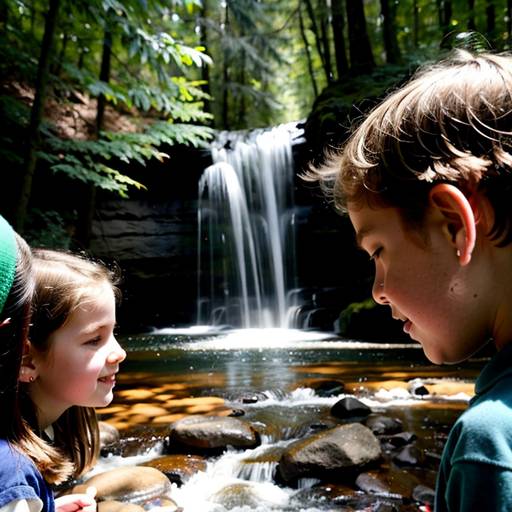
This preschool lesson plan focuses on helping students understand their environment and community through a series of interactive activities. It begins with a welcoming circle time where children discuss their observations of nature and familiar places in their neighborhood. A read-aloud story reinforces concepts related to nature and community, encouraging engagement and critical thinking.
Students then participate in a nature scavenger hunt, either outdoors or through pretend play indoors, to explore their surroundings more actively. This leads to an art activity where they create drawings of their favorite plants, animals, or community landmarks, fostering creativity and self-expression.
The lesson concludes with a sharing session, allowing students to present their artwork while discussing the importance of caring for the environment. They reflect on ways to contribute positively to their community, culminating in a class discussion that emphasizes environmental stewardship. This plan aims to build students' awareness and appreciation of their surroundings while promoting teamwork and shared learning experiences.
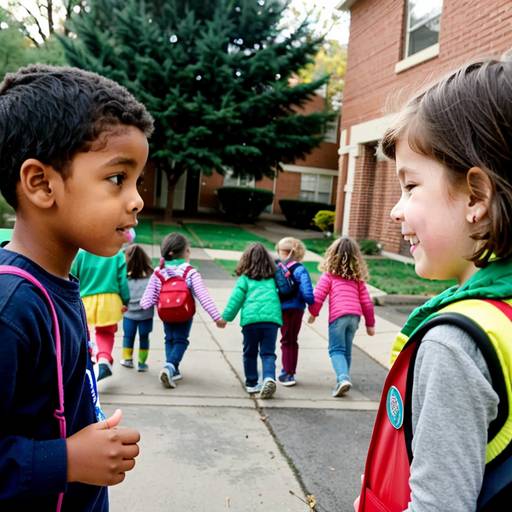
In this preschool lesson, students will explore the concept of community and learn about various community helpers and their roles. The session begins with a discussion to engage children in understanding what a community is, followed by an introduction to different community helpers such as firefighters, police officers, doctors, and teachers. Through the use of pictures and props, students will gain insights into how these individuals contribute to the safety and well-being of the neighborhood.
Following this introduction, students will work in small groups to create a collage representing their chosen community helpers, allowing them to express their understanding creatively. Each group will present their collage to the class, fostering communication skills and reinforcing their learning about the roles of these helpers.
To enhance engagement, a movement activity will follow, where children will participate in a fun dance that incorporates actions reflecting the work of community helpers. The lesson will conclude with a reflective discussion, where students will share what they learned, emphasizing the importance of community and collaboration.
Throughout the lesson, students will actively participate in discussions, creative tasks, and physical activities, reinforcing their understanding of community helpers and their contributions in a fun and interactive way. Adaptations will be made to ensure all students can engage meaningfully with the content.
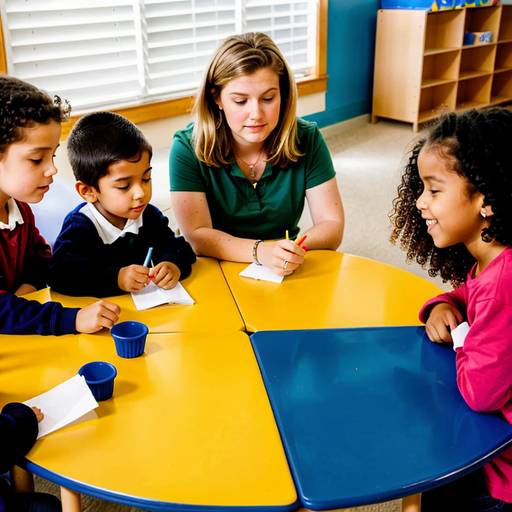
This preschool lesson plan focuses on helping young children understand the significance of rules and routines within their families and how these elements strengthen relationships. Beginning with an engaging circle time, students are encouraged to share their thoughts about family, followed by a read-aloud of a story that highlights various family structures and daily practices. After discussing their own family rules and routines, children collaboratively create a family routine chart, which reinforces their understanding of the topic.
An art activity allows them to express their experiences visually by drawing pictures of their families engaging in specific routines. The lesson concludes with a group reflection on the importance of these familial dynamics, supported by a song that celebrates family connections. Throughout the session, educators assess children's participation and understanding, and extensions are suggested to enhance family involvement in the learning process.
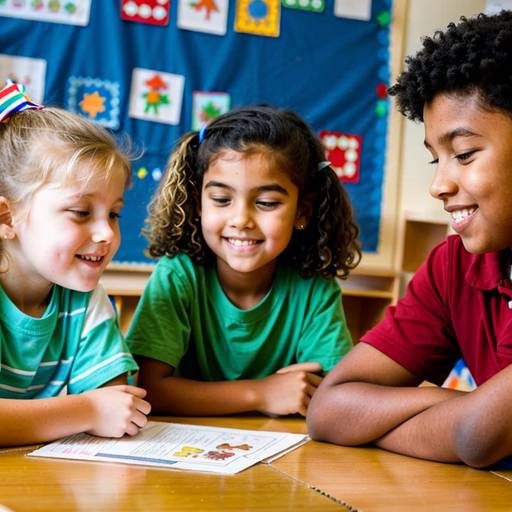
This preschool social studies lesson focuses on the concept of family and celebrates the diversity of family structures. It begins with an engaging discussion where children share their thoughts on what a family is and who is included in theirs. A storybook is then read to illustrate different family dynamics, encouraging interaction and prompting students to reflect on the story's content.
Following the story, children participate in an art activity where they draw pictures of their own families, fostering self-expression and personal connection. As they share their artwork with the class, a collaborative chart is created, listing various family roles mentioned by the students. This chart serves to highlight both the similarities and differences among families.
The lesson wraps up with a reminder of the importance and uniqueness of all families, reinforcing themes of connection and community. Extensions of the lesson provide opportunities for further exploration, such as creating a display or using puppets for interactive storytelling. Overall, the lesson emphasizes recognition of family diversity and encourages preschoolers to express their individual family experiences.
In this preschool lesson, children will explore the concepts of family, rules, and routines through engaging activities and discussions. The session begins with a group introduction, where children are invited to share their thoughts about family. A storybook that emphasizes familial relationships and feelings will be read aloud, prompting the children to reflect on the characters and their emotions.
Following the story, a guided discussion will help children recognize the importance of rules in both the classroom and at home, fostering understanding of how these rules contribute to safety and happiness. To reinforce these ideas, children will collaborate to create a poster featuring family rules, allowing them to express their creativity and personalize their contributions.
The lesson will conclude with a reflection where children can share their favorite rules or aspects of their families. A calming exercise will help reinforce emotional regulation. Throughout the session, children's engagement and contributions will be observed to tailor future activities to their interests and developmental needs. This lesson aims to strengthen social and emotional understanding while fostering connections among peers.
The lesson focuses on enhancing preschool students’ emotional awareness by exploring their feelings and the connections they share with their families. It begins with an introduction that encourages students to identify and discuss their family members, emphasizing the diversity of family structures. Through emotion cards, children share personal experiences related to various feelings, fostering open communication about their emotions. They then engage in a drawing activity, creating artwork that represents their family and the emotions they feel when together. After sharing their drawings, students participate in a calming circle activity, reinforcing the importance of expressing feelings. The session concludes with a recap of the lessons learned and the significance of discussing emotions with family, coupled with plans for follow-up activities, including a feelings chart and a family engagement event. Assessment is based on participation, expression of emotions, and peer interactions, providing insight into their social and emotional development.
In this preschool social studies lesson focused on emotional awareness, students will engage in activities designed to help them identify and express various basic emotions, such as happy, sad, angry, surprised, and scared. The lesson begins with a circle time discussion where children share their understanding of feelings, followed by the use of illustrated emotion cards to reinforce their learning.
A storybook that highlights emotions will be read, prompting students to discuss the feelings of characters and share personal experiences related to those emotions. To further enhance their understanding, children will use a feelings wheel to identify and talk about their own feelings.
Following the discussion, students will participate in a lively song and dance activity that incorporates movements representing different emotions. This is complemented by an art activity where children will draw a picture expressing how they feel that day and share it with the group.
Throughout the lesson, students will work on assessments through observations during discussions and activities, as well as through their drawings. The lesson emphasizes that all feelings are valid and creates a supportive environment for children to express themselves, promoting emotional awareness and social skills. A follow-up activity will reinforce their learning by encouraging students to share their feelings throughout the week.
In this preschool lesson, students explore the concepts of friendship and community through engaging activities that promote cooperation, empathy, and connection with their peers. The session begins with a group discussion about friendship, followed by a read-aloud of a story that illustrates these themes. Afterward, children participate in a crafting activity where they create friendship bracelets, symbolizing their connections with others.
The lesson includes a collaborative puzzle activity to reinforce the idea that everyone plays a valuable role in a community, just as each puzzle piece is essential for completion. The session wraps up with a closing circle, allowing students to share their feelings about friendship and community. An optional dance party adds an element of joy and fun, emphasizing the positive experiences shared among friends. Reflection on student engagement helps inform future lessons.
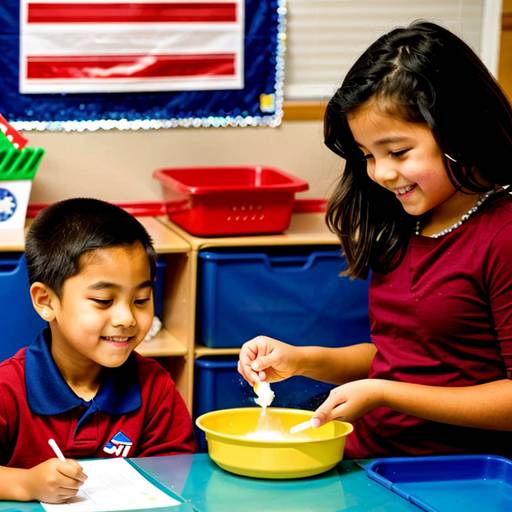
In this preschool social studies lesson, students will explore the concept of holidays celebrated around the world. The lesson begins with a group discussion to define holidays and share personal experiences related to their favorite celebrations. A read-aloud session featuring picture books will introduce various cultural holidays, engaging children with inviting illustrations and open-ended questions.
Following the story, students will participate in a discussion that connects their own holiday traditions to those mentioned in the book. The lesson culminates in a hands-on craft activity, where children will create decorations that reflect their chosen holiday, fostering creativity and personal expression.
As the lesson concludes, students will gather in a circle to share their crafts and articulate why their holiday is significant to them. Throughout the lesson, students will gain an appreciation for diverse traditions and develop empathy towards different cultural practices, enhancing their social understanding within the classroom community. Informal assessments will be made via observations and interactions, ensuring that children connect meaningfully with the content. Extension activities will encourage further exploration of holiday traditions at home and in future classroom discussions.
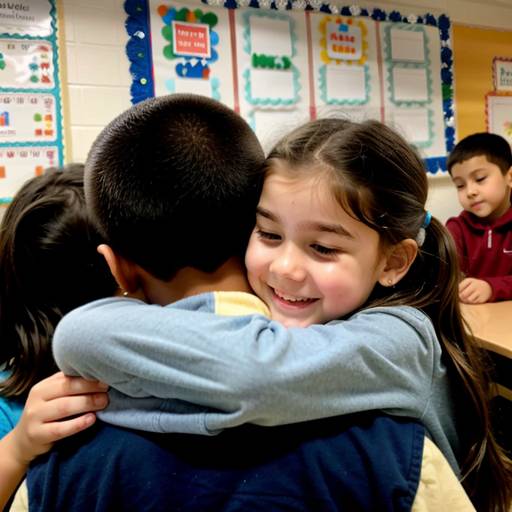
This preschool lesson plan focuses on developing emotional awareness in children by exploring their feelings related to family experiences. The session begins with a circle time discussion, where children share their thoughts about families and emotions. It incorporates a storytime activity that illustrates characters' emotions within family contexts, prompting children to relate these feelings to their own experiences.
To deepen their understanding, children engage in an emotion exploration activity where they use emotion cards to identify and express their own feelings, contributing to a collaborative "Family Emotions Chart." The lesson includes a creative puppet show to demonstrate various emotions, allowing children to suggest solutions for the puppet's feelings based on their personal experiences.
The session concludes with a reflective discussion, encouraging children to share their thoughts and feelings, reinforcing the importance of understanding and communicating emotions within family settings. The overall goal is to foster emotional awareness and strengthen connections between children and their families through interactive and engaging activities.