
Filters
Level
Grade
Subject
Subject Area
Subject Topic
Standard(s)
Audience
Keyword
DurationMinutes
Preschool Social Studies Lesson Plans

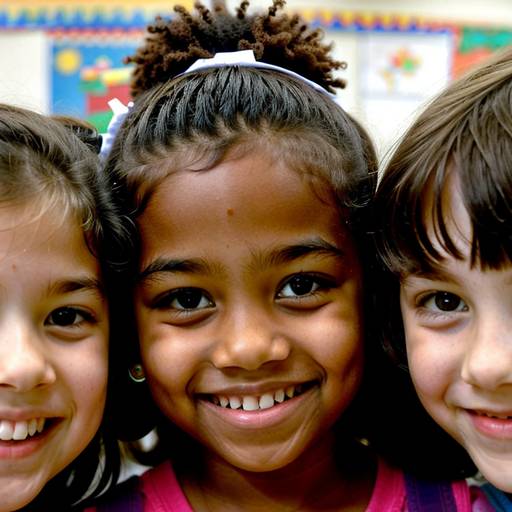
In this preschool social studies lesson, students will explore the concept of diversity, focusing on the unique backgrounds, cultures, and traditions of their classmates and communities. The lesson will begin with a group discussion about what makes each child special, followed by a storytime featuring a book that emphasizes inclusion and appreciation of differences. Afterward, students will participate in a sharing activity where they can express something unique about their family or culture.
The children will then engage in a creative project to craft individual leaves that symbolize their uniqueness, which will collectively form a “Diversity Tree.” This collaborative artwork will highlight the beauty of diversity in the classroom. The lesson will conclude with a reflection on the completed tree, reinforcing the idea that every individual's differences contribute to a stronger and more beautiful community. Students will also have the opportunity to participate in a multicultural dance, celebrating their unique qualities together. Opportunities for extension activities, such as sharing cultural items from home, will be provided to further their understanding and appreciation of diversity.
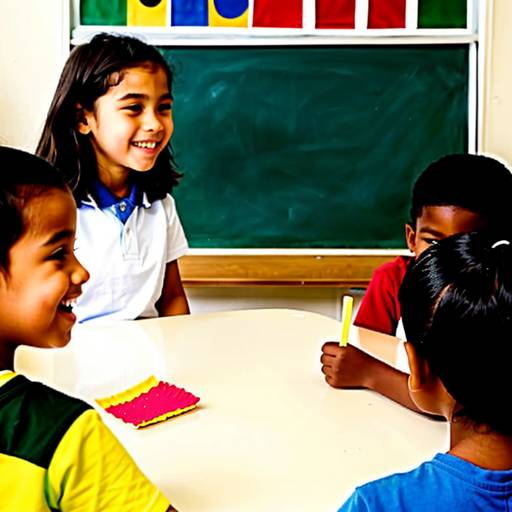
This preschool lesson plan focuses on helping young children understand and appreciate diversity through engaging activities. The lesson begins with a circle discussion about differences among people, allowing students to express their thoughts. A picture book illustrating various cultures is read aloud, encouraging discussions about similarities and differences among the characters.
Next, students participate in a music activity where they listen to a piece from a different culture and are invited to dance and move, highlighting the joy that music brings across cultures. Following this, children engage in an art activity where they create "Cultural Flags" that represent their unique identities or family heritage, fostering creativity and self-expression.
The lesson concludes with a group sharing session where students present their flags, reinforcing the understanding that each individual is special and valued. Throughout the activities, the emphasis is on respect, appreciation, and the importance of celebrating diversity among peers. The plan includes adaptations for children with special needs and encourages ongoing exploration of cultural differences.
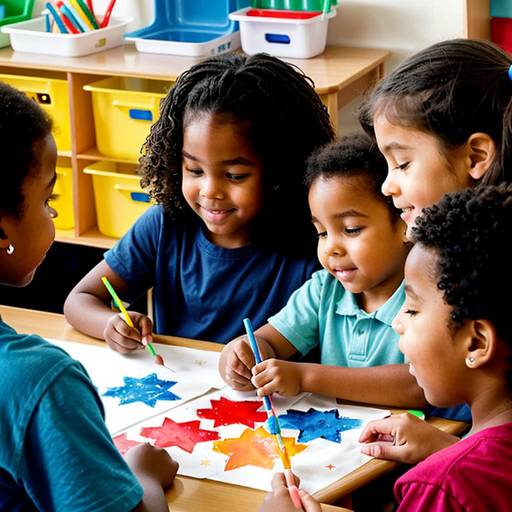
This preschool lesson plan focuses on promoting emotional awareness among young children through interactive activities and creative expression. It begins with a circle time discussion about emotions, using a visual emotion wheel to help children identify and relate to various feelings. A storybook is read to further explore these emotions, encouraging students to share their thoughts and demonstrate emotions through facial expressions.
The lesson includes an engaging activity where children act out different feelings, fostering empathy by allowing peers to guess the emotions being portrayed. Following this, students are invited to create drawings that represent their own feelings, using colors that they associate with those emotions. As they create, they engage in discussions about their artwork, reinforcing their understanding of emotional expression.
The lesson concludes with a sharing circle, where children present their drawings and articulate their chosen colors and feelings. The overall goal is to help children recognize, express, and empathize with emotions, providing them with essential social and emotional skills for their development. Extensions to the lesson involve creating an “Emotion Wall” and introducing mindfulness practices to help manage emotions.
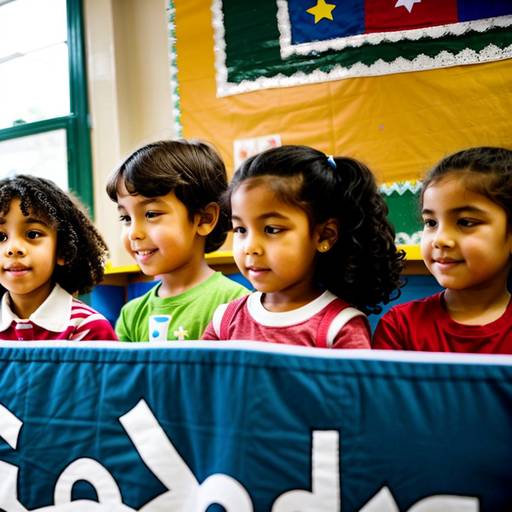
In this preschool lesson plan, students are introduced to the concept of community helpers and their significant roles within the neighborhood. The session begins with a circle discussion where children share their experiences with various community helpers, such as firefighters, doctors, and police officers. A storybook about community helpers is then read aloud, prompting interactive questions to deepen understanding.
The children participate in activities, including trying on community helper costumes to engage in role-play, allowing them to envision themselves in these vital positions. They also create simplified community maps illustrating their interpretations of where community helpers can be found, showcasing their creativity with crayons and paper.
To foster gratitude, students write or draw thank-you notes to community helpers in a designated mailbox, reinforcing their appreciation for these individuals. The lesson concludes with a closing circle, where each child shares something they learned or expresses their future aspirations related to community service.
Throughout the lesson, children are encouraged to actively engage and participate, providing opportunities for them to develop a sense of citizenship and recognize the importance of helping their community. Optional extension activities, such as a field trip to a local fire station or an invitation for a community helper to visit the classroom, can further enhance their learning experience. Overall, the lesson aims to instill an understanding of community, engagement, and the values of service and gratitude.
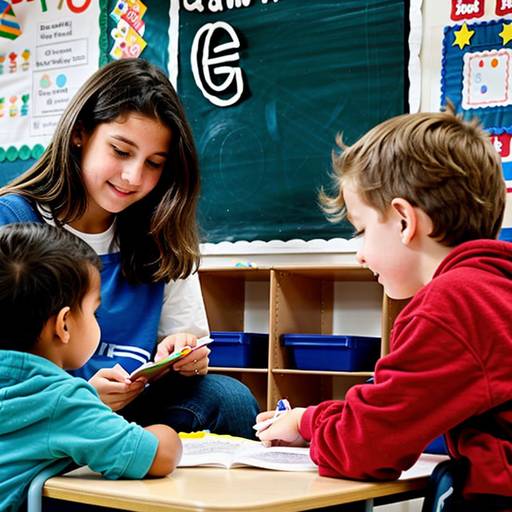
This preschool lesson focuses on fostering a sense of community and kindness among students. The session begins with a welcoming circle, where students are encouraged to share their thoughts on what being part of a community means. A story about kindness is read aloud, prompting discussions about how to show care for one another.
Students then participate in a craft activity, creating personal representations of caring, which are displayed on a bulletin board for a "gallery walk." The lesson includes an interactive "Fill the Bucket" activity, where each child contributes a kind idea, symbolically filling a class bucket with paper hearts.
The lesson concludes with a reflective discussion about ongoing ways to cultivate a caring environment in the classroom. Students leave the session with a deeper understanding of community and the importance of kindness towards others. Opportunities for ongoing kindness challenges and further exploration of community helpers are suggested for future engagements.
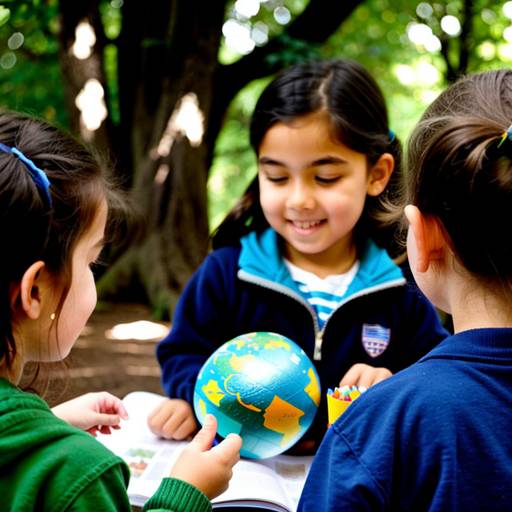
This lesson plan focuses on helping preschoolers explore the connection between their environment and community through interactive activities over a 19-minute session. The lesson begins with a group discussion about what children observe in their neighborhood and who helps them in the community. It includes a storytime segment where a picture book is read, emphasizing the relationship between nature and community.
Following the story, students participate in a nature scavenger hunt, collecting items from their surroundings and sharing their findings with peers. The lesson continues with a discussion about community helpers, where children learn how these individuals contribute to the community and interact with nature.
For creative expression, students draw their favorite natural elements or community helpers. The session concludes with a sharing circle where each child presents their artwork, reflecting on how nature and community work together. Throughout the lesson, children are encouraged to participate, engage in discussions, and understand their roles within their environment and community.
This preschool lesson focuses on the concept of diversity, helping young children understand and appreciate the unique differences among individuals. The lesson begins with an engaging discussion about what makes each child special, followed by a read-aloud of a story that highlights diversity in a positive manner. Students then participate in a creative activity where they draw pictures to represent their individual traits and contribute to a collaborative diversity collage.
Afterward, a physical movement segment allows children to express themselves through dance, accompanied by music from various cultures. The lesson concludes with a group reflection, encouraging children to share their creations and thoughts about diversity. Extensions for family involvement and follow-up activities are suggested to deepen the learning experience. The lesson aims to foster understanding, communication, and a celebration of differences, ensuring that each child feels valued and accepted.
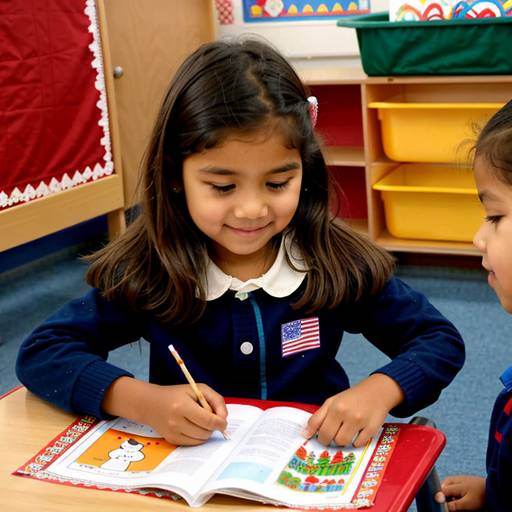
This preschool lesson plan focuses on teaching students about diversity and celebrating the unique cultures present in their classroom and community. The session begins with a group discussion to introduce the concept of diversity, supported by a world map to illustrate different countries and cultures. Students participate in a read-aloud activity featuring picture books that highlight diverse experiences and traditions, followed by a discussion to connect the stories to their own lives.
Next, the lesson incorporates music from various cultures, encouraging students to engage by dancing or playing simple instruments, emphasizing the unifying power of music. An art activity allows each child to create a piece representing their own culture or family tradition, which will be combined into a collaborative “Culture Quilt” for display.
The lesson concludes with a sharing session where students present their artwork, reflecting on its significance. To close, the class sings a song about friendship or diversity, reinforcing the lesson's themes. Ongoing assessment is based on student participation, engagement, and willingness to share. The plan includes adaptations for varying abilities and suggestions for future activities to deepen students' understanding of cultural diversity.
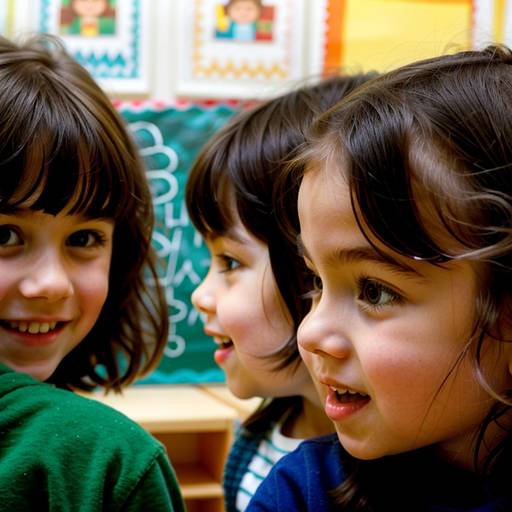
In this preschool lesson plan focused on emotional awareness, students will engage in activities designed to help them identify and express various feelings. The session begins with a circle time where children explore different emotions through facial expressions and discussion. A storybook centered on emotions will be read aloud, prompting students to relate the characters' feelings to their own experiences.
Following the story, students will contribute to a feelings chart by matching emotion cards with their current feelings and explaining their choices. An art activity will allow children to draw scenes that represent emotions they have experienced. The lesson concludes with reflections where students share their artwork and receive "Emotion Explorer" sticker badges for their participation.
Overall, this plan aims to foster emotional literacy by encouraging students to recognize, articulate, and appropriately express their feelings in a supportive group setting.
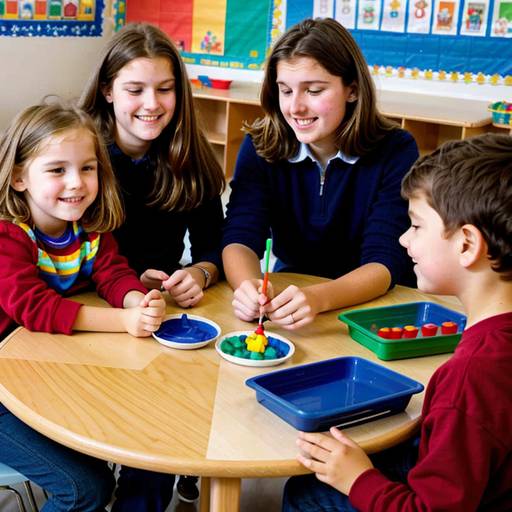
This lesson plan focuses on helping preschool children understand and express their emotions in the context of family. The session begins with a group discussion about family structures and the emotions associated with family experiences. Children engage in identifying different feelings through facial expression cards, sharing personal stories related to those emotions. This is followed by a storytime segment featuring a book about family dynamics, where children reflect on characters' emotions and make connections to their own lives.
Afterward, children participate in a creative activity where they create their own family trees, adding drawings and names of family members while expressing their feelings about each one. The lesson concludes with a reflective circle where children share what they learned and appreciate about their families. The overall goal is to foster emotional awareness and strengthen the connections children have with their family members. An extension activity encourages parents to continue the conversation at home, promoting ongoing emotional development.