
Filters
Level
Grade
Subject
Subject Area
Subject Topic
Standard(s)
Audience
Keyword
DurationMinutes
Preschool Social Studies Lesson Plans


This preschool lesson focuses on helping children explore the concept of family and its diverse structures. It begins with a group discussion to introduce what families are and who belongs to them, followed by a read-aloud of a storybook that highlights different types of families. After the story, children share details about their own families to promote social skills like listening and respect.
Next, students engage in a creative drawing activity where they illustrate their families, encouraging them to express individuality and creativity. The class then collaborates on a large poster showcasing the drawings, symbolizing the diversity and unity of families within the group. The lesson concludes with a fun song or rhyme related to families, reinforcing the day's learning while allowing for a smooth transition to free play. Throughout the lesson, teachers observe participation, engagement, and respect among peers to assess understanding. The activities are designed to foster a sense of belonging and appreciation for each child's unique family background.
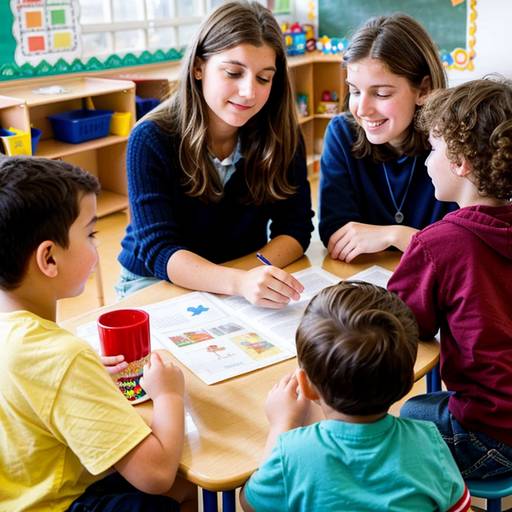
In this preschool lesson plan, students will explore the concept of family by identifying and describing different family members and understanding the diversity of family structures. The session begins with a group discussion about families, guided by a read-aloud of a storybook that illustrates various family dynamics. Following the story, children will engage in a creative activity where they design their own family trees using art supplies, encouraging self-expression and peer interaction. Each child will have the opportunity to share their family tree with the class, fostering communication skills. The lesson concludes with a reflective discussion on what they learned about families, followed by a sing-along to reinforce community and connection. The overall goals are to cultivate an appreciation for family diversity and enhance social skills among students. Accommodations and extensions are provided to ensure inclusivity and further engage families in the learning process.
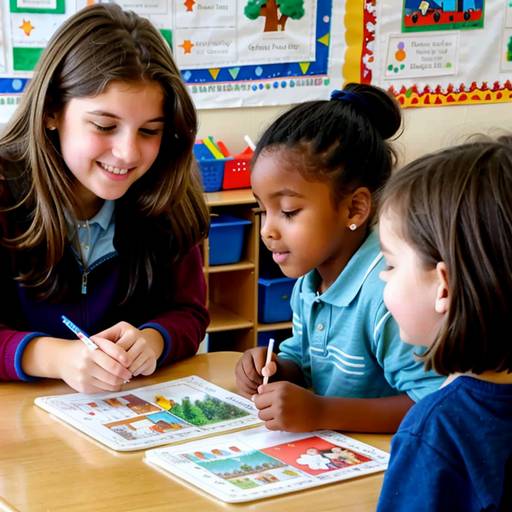
The lesson focuses on helping preschool students explore and appreciate the concept of family. It begins with an interactive circle time where children identify and share who is in their families. This is followed by a read-aloud of a story that highlights various family structures, encouraging students to think about their own experiences. Students then have the opportunity to share family photos, reinforcing vocabulary related to family members and relationships.
Next, a fun Family Bingo game engages children in recognizing different family roles and items. The lesson culminates in a creative craft activity where students create family trees or collages representing their family members, allowing for individual expression. The session wraps up with a reflective discussion, inviting students to share their learning outcomes. Throughout the lesson, diverse learning needs are accommodated, and assessments are incorporated through observation and interactive participation, ensuring a comprehensive understanding of family dynamics among the children.
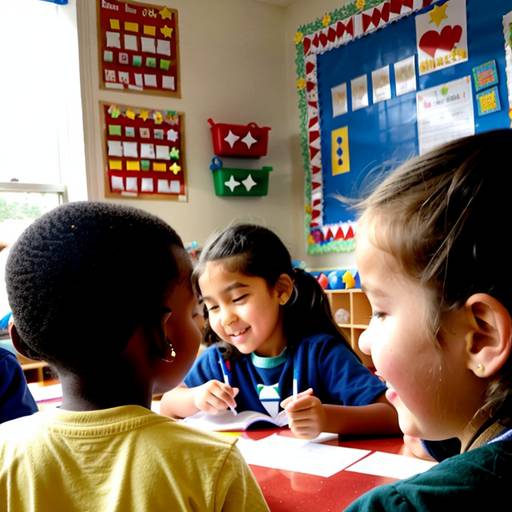
In this preschool social studies lesson, students will explore the concept of community and learn about the various roles of community helpers. The lesson begins with a group discussion on the meaning of community, followed by a story that illustrates the importance of these roles. Students engage with community helper picture cards to identify and discuss figures such as police officers, firefighters, and doctors, contributing their own knowledge to a collaborative chart.
An interactive activity encourages students to brainstorm ways they can positively impact their community, culminating in the assignment of roles for a simple community project. The lesson wraps up with a review of what they learned and recognition of their participation with stickers. Through this engaging approach, students will develop a sense of belonging and responsibility within their community, fostering an early understanding of citizenship and community engagement. Optional extensions, such as creating a mural or planning a field trip, can further enrich this learning experience.
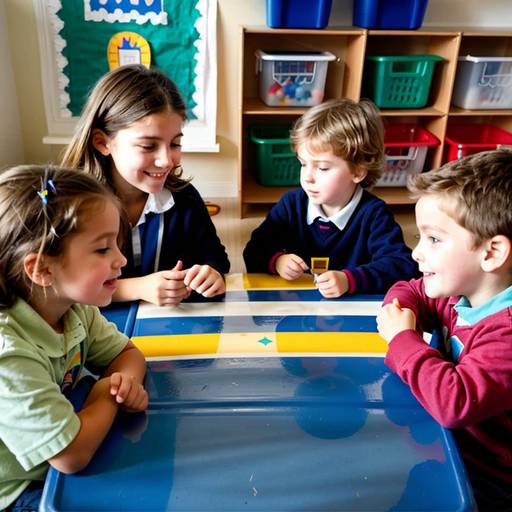
This lesson plan focuses on helping preschool children understand the importance of family, emotions, and the establishment of rules and routines that foster a safe and supportive environment. The lesson begins with a discussion to encourage children to share about their families and the feelings they experience when together. A story related to families and feelings is read, prompting further exploration of emotions through visual aids.
Children then work collaboratively to create a list of classroom rules inspired by the supportive dynamics of their own families. A group activity includes singing a family-themed song, incorporating movement to express emotions. The lesson concludes with a wrap-up discussion, allowing children to reflect on what they’ve learned regarding family connections and classroom expectations. Through engagement in these activities, children develop social and emotional skills that enhance their understanding of relationships within their families and community. Extension activities are suggested to reinforce these concepts at home.
This preschool social studies lesson focuses on the concepts of kindness and building positive relationships within the community. It begins with a discussion to gauge students' understanding of kindness, followed by a read-aloud of a story that highlights how kind actions can positively impact others. Students then participate in a brainstorming session to identify various kind acts and create personalized “Kindness Cards” to express their own acts of kindness.
The lesson also includes a role-playing activity where students dress up as community helpers and act out scenarios demonstrating kindness in their roles. This interactive approach encourages collaboration and reinforces the importance of being good friends and helping others in their community. The lesson concludes with students sharing their Kindness Cards and reaffirming their commitment to choosing kindness. Opportunities for extensions, such as creating a “Kindness Wall” and initiating a "Kindness Challenge," are suggested to further encourage ongoing kindness and empathy in the classroom. Through engaging activities, students learn valuable social skills that will benefit them throughout their lives.
In this preschool lesson, children will explore the concepts of caring and positive relationships within their community. The session begins with a circle discussion where students share their thoughts on friendship. A storybook reading, featuring themes of community and caring, follows, encouraging engagement through questions about characters' feelings. The children will then participate in an emotions activity, matching expressions to emotional flashcards and discussing experiences related to those feelings.
Next, the lesson shifts to role-playing, where children use puppets or stuffed animals to demonstrate caring behaviors, followed by creating a group mural that represents their ideas of how to care for friends and community members. The lesson concludes with a reflection circle, where each child shares their commitment to showing care in their relationships.
Throughout the activities, the objectives focus on enhancing understanding of empathy, cooperation, and friendship, allowing for observation of children's participation and engagement. The lesson also provides opportunities for future extension activities to further reinforce community connections.
This preschool lesson aims to teach young children about the diverse holidays celebrated around the world and the significance of these celebrations. The lesson begins with an interactive discussion where children share their favorite holidays, followed by a read-aloud session using a picture book that highlights various cultural celebrations. Through this storytelling, children are encouraged to connect personally with the holidays discussed.
Following the reading, students engage in an art activity where they create collages representing a specific holiday of their choice, fostering creativity and self-expression. The lesson concludes with a sharing session, allowing each child to present their collage and explain its significance, reinforcing the importance of holidays in creating community and cultural identity. The class wraps up with a fun holiday song, enhancing the festive atmosphere. Overall, the lesson promotes cultural awareness, storytelling, and active participation in learning about traditions from around the globe.
This preschool lesson plan focuses on introducing young children to the concept of holidays and cultural celebrations around the world. The session begins with a discussion about holidays, encouraging students to share their thoughts and experiences. Through engaging storytelling, children learn about specific holidays, their significance, and associated customs. The lesson includes an interactive discussion using visual aids to help students identify and connect with various cultural traditions.
To foster creativity and personal expression, students participate in an arts and crafts activity where they create holiday cards or decorations representing a holiday of their choice. The lesson concludes with a sharing session, allowing children to present their creations and discuss the holidays they relate to. The plan emphasizes the importance of diversity and respect for different cultural traditions while promoting community spirit among the students.
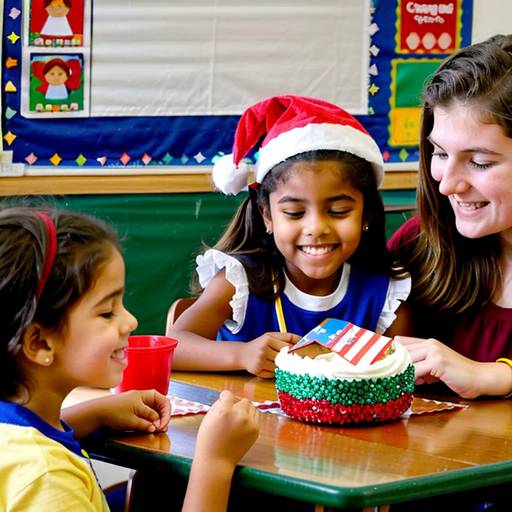
This preschool lesson plan focuses on introducing young learners to the concept of holidays and how they are celebrated across different cultures. The session begins with a discussion to engage students and gather their thoughts about what holidays mean to them. This is followed by a storytime segment where picture books about various holidays are read aloud, allowing students to visualize and understand the significance of each celebration.
After the reading, children participate in a "show and tell" activity to share personal experiences related to holidays they celebrate at home. The lesson continues with an arts and crafts activity where students create holiday-themed cards or decorations, encouraging creativity and expression.
To conclude the session, students gather for a dance to a holiday song, celebrating the joy of the topic discussed. The lesson includes elements of reflection, reinforcing the importance of understanding and respecting different cultures. Assessment focuses on student engagement and participation throughout the activities. The plan accommodates diverse learners through visual aids and supportive practices. Ultimately, this lesson aims to foster appreciation for cultural diversity and the shared joy of celebrations.