
Filters
Level
Grade
Subject
Subject Area
Subject Topic
Standard(s)
Audience
Keyword
DurationMinutes
Preschool Pre Reading Lesson Plans

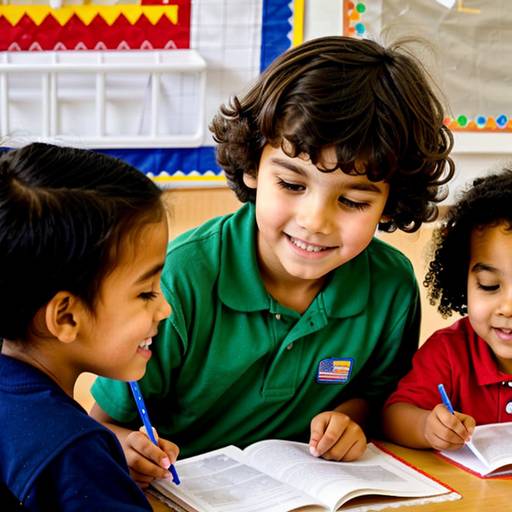
This preschool lesson plan focuses on helping young students recognize and use basic sight words to enhance their pre-reading skills. The session begins with an introduction to sight words, highlighting their importance in reading. Following this, an engaging game called "Sight Word Simon Says" allows students to practice these words through movement.
Next, the teacher reads an illustrated storybook that incorporates the sight words, encouraging students to join in when they hear familiar words, thus reinforcing recognition and understanding. An interactive "Safari Animal Match" activity provides a hands-on approach, where students find associated sight word flashcards after selecting a toy animal.
As a creative expression element, students illustrate a chosen sight word on poster paper, allowing them to connect art with language learning. The lesson concludes with a reflection segment where students share their thoughts on the sight words and the activities.
Overall, the lesson emphasizes participation, collaboration, and creativity, making the learning of sight words a fun and enriching experience for preschoolers. Optional worksheets are provided for practice at home, and extensions are suggested to further reinforce sight word recognition in different contexts.
In this preschool language arts lesson, students will enhance their pre-reading skills by focusing on key sight words. The session begins with a warm welcome and an introduction to sight words, where children will engage with flashcards through pronunciation and fun actions. Following this interactive review, a short illustrated story will be read aloud, allowing students to identify sight words as they appear in context.
The lesson will then transition into a creative craft activity where each child selects and illustrates their favorite sight words, promoting both recognition and artistic expression. To reinforce learning, students will participate in a bingo game featuring sight words, providing a fun and competitive way to demonstrate their knowledge. The lesson concludes with a circle discussion that reflects on what they learned and encourages them to look for sight words outside the classroom.
Assessment is conducted through observation and review of their crafts, and extensions include sending home materials for continued engagement with sight words. Overall, the lesson aims to build vocabulary and confidence in young learners as they embark on their reading journey.
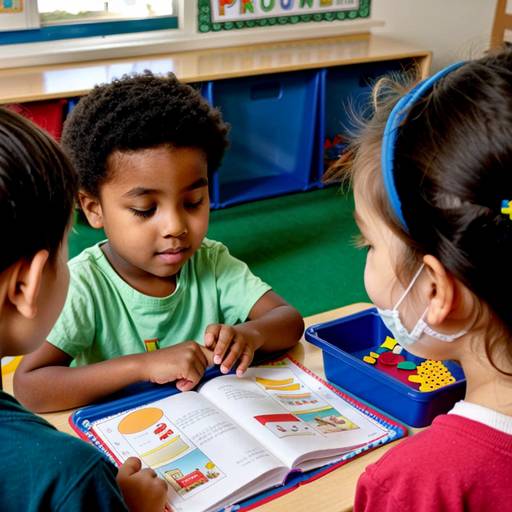
This preschool language arts lesson focuses on teaching students to recognize and read common sight words, enhancing their pre-reading skills and vocabulary development. The lesson begins with an introduction to sight words through interactive flashcards, where students repeat and identify these words. This is followed by a group reading of a large book that highlights sight words, encouraging students to participate and point out the words as they appear in the text.
Students then engage in a creative activity where they work in small groups to illustrate assigned sight words on chart paper, promoting discussion and collaboration. The lesson includes an engaging bingo game that allows students to practice their sight word recognition in a fun and competitive format, with prizes for bingo winners to encourage participation.
The session concludes with a group discussion to reinforce what students learned about sight words, inviting them to continue searching for these words in their reading at home. Assessment is primarily observational through participation and recognition during the activities, with differentiation strategies in place to support diverse learning needs. Overall, the lesson creates an interactive and enjoyable atmosphere that lays the groundwork for literacy development.
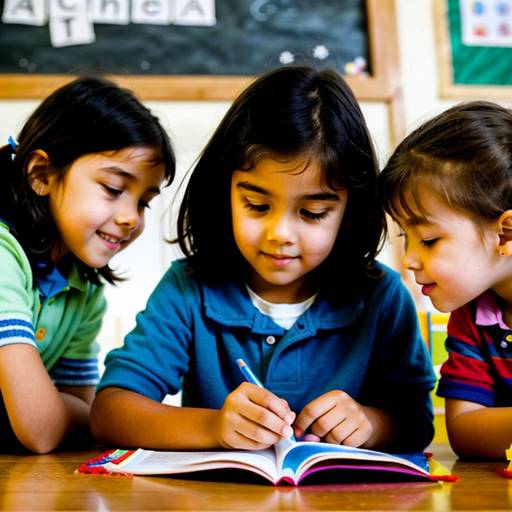
This preschool lesson plan focuses on enhancing language arts skills through storytelling and discussion. The session begins with an engaging introduction that prompts children to predict the story’s content based on the cover. The teacher reads a picture book aloud with expressive narration, encouraging participation and fostering comprehension by asking open-ended questions throughout the reading.
Following the story, a discussion reinforces comprehension, prompting students to express their favorite parts and personal connections to the narrative. New vocabulary from the story is introduced and written on a whiteboard for visual reference.
Students then participate in a creative activity by creating story maps, where they draw and label the main characters, settings, and events from the story. The lesson wraps up with a recap of key points from the narrative and an opportunity for children to share what they learned, reinforcing the idea that every story contributes to their development as readers and thinkers. The lesson includes observations for assessment and suggests extensions for independent exploration of related books.
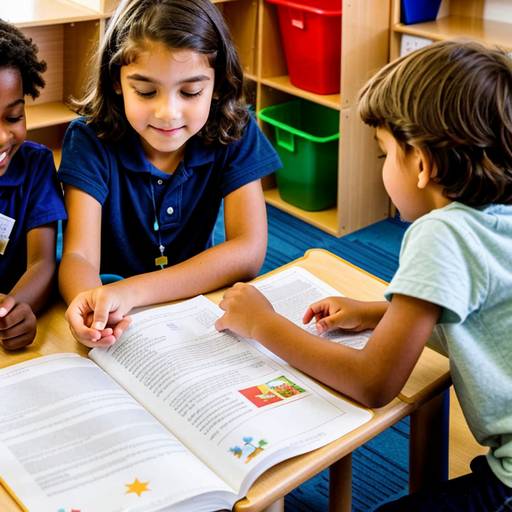
This lesson plan focuses on enhancing preschoolers' literacy development through a multisensory experience centered around story exploration and phonological awareness. In the 30-minute session, children will engage in a circle discussion to predict a story's content and learn new vocabulary words relevant to the story theme. The facilitator will read a selected picture book with enthusiasm, pausing to promote interaction and comprehension.
Following the reading, students will participate in an interactive rhyming activity using picture cards, where they will explore and generate rhyming words in a fun, engaging manner. The lesson will then transition to a sensory exploration activity, where children will discover items related to the story's theme within a sensory bin, fostering their connection to the narrative through tactile experiences.
To conclude, the group will reflect on their learning and share their thoughts about the story and vocabulary. This approach not only builds foundational literacy skills but also encourages participation and creativity among young learners. Observational assessment will focus on children’s engagement and understanding throughout the activities. Extensions include independent reading opportunities and creating a word wall to reinforce vocabulary.
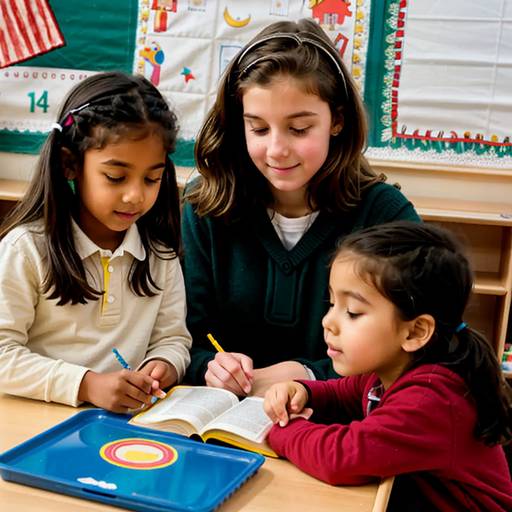
This preschool language arts lesson focuses on enhancing pre-reading skills through an engaging storytelling experience. The session begins with a welcoming introduction where students share their favorite stories. An interactive read-aloud of a selected picture book captivates the children's attention, prompting questions about the story's plot and character emotions. After reading, a discussion allows students to explore the main characters further, using plush toys or puppets to bring the characters to life.
Next, students collaboratively create a mind map on a large piece of paper, identifying key elements of the story, such as characters, setting, and main events. This is followed by a comprehension segment where open-ended questions encourage children to share their thoughts about the story and relate it to their own experiences. To reinforce understanding, a role-playing activity allows selected children to act out scenes while others provide sound effects.
The lesson concludes with a recap of the main ideas discussed and a short transition activity that reflects the actions of the story’s characters. Assessment is conducted through observation of student participation and engagement throughout the lesson. Differentiation strategies are included to cater to varying levels of literacy development among the students. This approach not only fosters early literacy skills but also cultivates a love for reading and storytelling.
This preschool lesson plan focuses on enhancing language arts skills through an engaging storytime experience. The session begins with a warm welcome and a brief introduction to the story, stimulating children's curiosity. As the chosen picture book is read aloud with enthusiasm, interactive elements like props and visual aids are integrated to keep students engaged and help them visualize the narrative.
Following the reading, a comprehension check is conducted using open-ended questions that encourage critical thinking about the story. The lesson then transitions into a pre-reading activity, featuring a sound game that reinforces vocabulary and encourages phonemic awareness through familiar items. Students also participate in a rhyme exercise to further develop language skills.
In a collaborative group activity, children create their own ending to the story, with their ideas documented on a whiteboard and illustrated on paper. The session concludes with a sharing time for students to present their drawings and a farewell song, reinforcing the day's learning and encouraging a love for reading at home. Overall, this lesson promotes listening comprehension, vocabulary development, and creative thinking while fostering an enjoyable and dynamic learning environment.
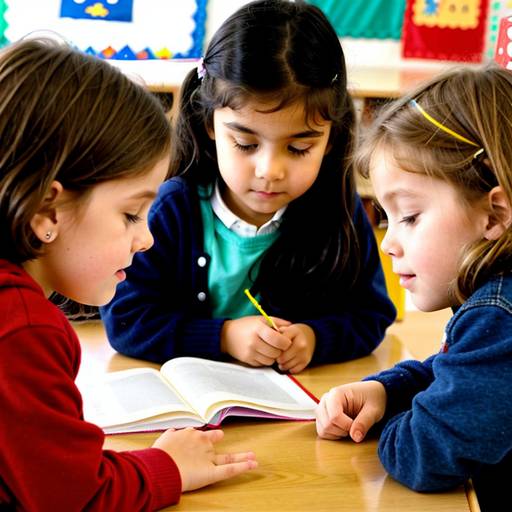
This preschool language arts lesson focuses on enhancing comprehension skills and pre-reading abilities through an interactive storytelling experience. Students will listen to a selected picture book, participate actively by predicting outcomes, and engage in discussions about story elements such as characters, setting, and plot.
The lesson begins with a group prediction activity based on the book's cover, followed by reading the story aloud with expressive intonation and prompting questions to stimulate interaction. After the reading, students will collaboratively create a story map on chart paper, visually representing key elements, and reinforcing vocabulary through picture cards.
To conclude the session, children will illustrate their favorite part of the story, sharing their drawings with the group to deepen their understanding and connection to the text. The lesson wraps up with a discussion to reflect on the story and preview the next learning adventure, fostering excitement for future literacy exploration. Assessment will focus on student participation and the connection of their illustrations to the story's elements. Adaptations are included to support all learners, ensuring an inclusive and engaging experience for every child.