
Filters
Level
Grade
Subject
Subject Area
Subject Topic
Standard(s)
Audience
Keyword
DurationMinutes
Preschool Pre Reading Lesson Plans

In this preschool lesson, students will explore the concept of environmental print and its importance in everyday life. The session begins with an engaging song to set the mood, followed by a discussion about the various signs, labels, and logos students encounter daily. Real-life examples will be shown to help children recognize and read environmental print, fostering their understanding of how it aids in navigation and communication.
Students will then work in small groups to examine a selection of environmental print materials, discussing their meanings and contexts as they engage in guided exploration. The activity will shift to a scavenger hunt, where children will search for specific environmental prints within the classroom or schoolyard. This hands-on experience will be followed by a group sharing session, encouraging students to present their findings and reflect on the importance of print in their surroundings.
The lesson will conclude with a recap of the day’s learning, reinforcing the connection between literacy and the world around them. Throughout the lesson, educators will assess students’ engagement and understanding through observation and their scavenger hunt worksheets. Options for extending the lesson include creating a display of collected environmental prints and integrating more related stories into the reading area for further exploration.
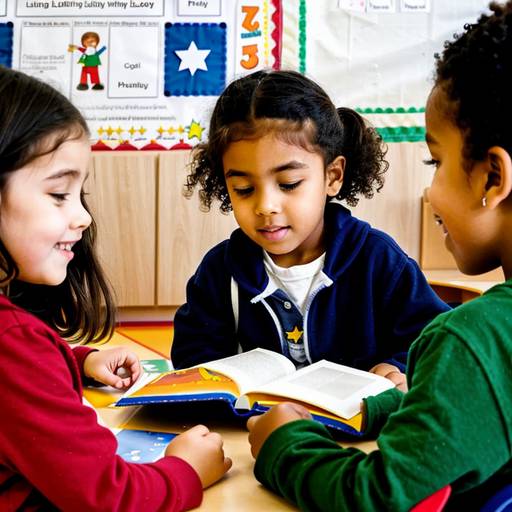
In this preschool language lesson, children will develop essential pre-reading skills through an interactive storytelling experience. The session begins with an engaging introduction where children examine the book's cover and make predictions about the story. Following this, an enthusiastic read-aloud captures their attention, with questions posed throughout to enhance comprehension and encourage participation.
After the story, children will engage in a discussion that prompts them to express their thoughts and connections to the narrative. An interactive activity using puppets will reinforce comprehension while vocabulary flashcards will support language development. Creativity is further encouraged as children draw their favorite character or scene, sharing their artwork with peers to enhance verbal skills.
The lesson concludes with a review of key vocabulary and a fun, related song to reinforce language concepts. Overall, the activities are designed to foster engagement, creativity, and a love for reading as children interact with stories and build foundational literacy skills. Extensions include introducing a "story of the week" for sharing, further promoting independent reading and communication among students.
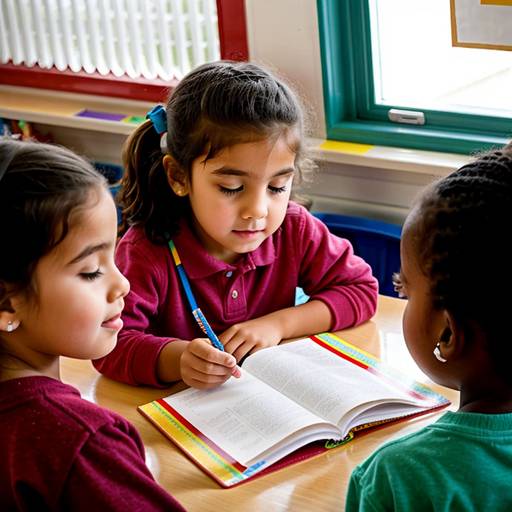
This preschool language lesson focuses on enhancing pre-reading skills through engaging storytelling activities. The lesson begins with a circle time introduction where children discuss their favorite stories. A carefully selected picture book is read aloud, encouraging children to interact by answering questions related to the story, thereby enhancing comprehension and vocabulary development.
After the reading, students engage in a vocabulary activity where they learn and match key words from the story using visual aids. The lesson incorporates an interactive retelling segment, allowing children to use props to act out parts of the story, fostering participation and creativity.
Additionally, students are given an opportunity to express their understanding through a drawing activity, where they illustrate their favorite moments from the story or create their own narratives. The lesson culminates in a sharing session where children present their drawings and discuss what they learned.
Throughout the lesson, the teacher assesses participation and comprehension, while encouraging connections between the story and the children’s own experiences. Families are invited to continue the learning at home with suggested activities. This comprehensive approach cultivates vocabulary, comprehension, and storytelling skills in an enjoyable and interactive way.
In this preschool language arts lesson, students will focus on recognizing and reading common sight words, aiming to understand their meanings through engaging activities. The lesson begins with an interactive introduction to sight words, where students repeat words after the teacher. A storybook is then read aloud with an emphasis on sight words, prompting discussions about the words' meanings through visual aids.
Next, students participate in a "Sight Word Treasure Hunt," searching the classroom for hidden sticky notes featuring sight words, which they check off on their lists with partners. Following the treasure hunt, students express their creativity by illustrating their favorite sight word on drawing paper and sharing their art with the class. The lesson concludes with a review of the sight words learned and a fun movement activity that reinforces recognition.
Assessment will occur through student participation and engagement, while extensions are available for those who advance quickly, including additional sight words for practice at home. This lesson effectively integrates storytelling, movement, and creative expression to support early literacy development.
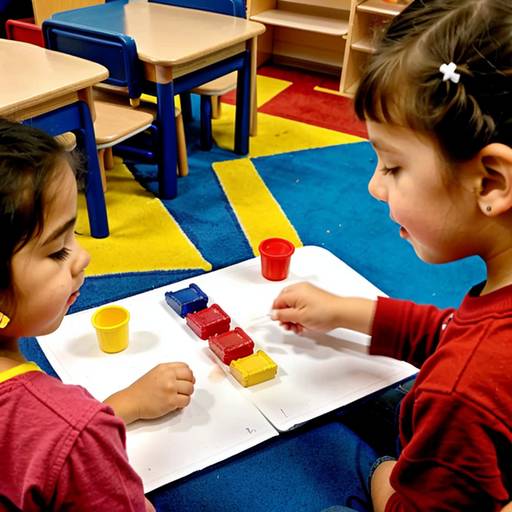
In this preschool lesson, children will engage in a variety of interactive activities designed to introduce them to the concepts of letters and their corresponding sounds. The session begins with a welcoming introduction where students share their thoughts about letters. They will then participate in a lively letter sound chant, matching sounds to hand motions to enhance engagement.
Next, students will work with alphabet flashcards, identifying letters and objects that begin with those letters to reinforce their understanding. Following this, a storytime segment will feature a book rich in alliteration and rhythmic sounds, encouraging active participation through repetition and discussion about the sounds they hear.
The lesson will include a craft activity where each child decorates a letter of their choice and shares it with the group, reinforcing their learning. The session concludes with a closing circle where children reflect on what they've learned and celebrate their creativity through a song that incorporates letters and sounds.
Assessment will be based on observation of participation and understanding during activities, while extensions may include creating a letter sound book or conducting an "Alphabet Hunt" around the classroom. Adaptations for individual needs will also be available, ensuring an inclusive learning environment that fosters early literacy skills in a fun and supportive way.
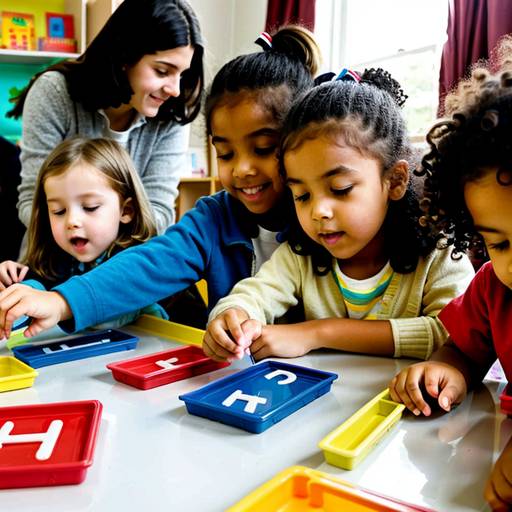
This lesson plan aims to support preschoolers in developing pre-reading literacy skills through engaging and interactive activities focused on letter recognition and sound association. The session begins with a familiar alphabet song to engage children's interest, followed by a series of activities involving flashcards to identify uppercase and lowercase letters and connect them with their corresponding sounds using props.
An interactive story time with an alphabet-themed book further reinforces letter recognition and sounds, encouraging participation and discussion. Hands-on activities, including forming letters with playdough and tracing worksheets, allow children to practice their skills in a tactile manner. Sensory exploration through a bin filled with items that start with different letters provides a fun and immersive experience.
The lesson concludes with a review to reinforce learning and a final sing-along of the alphabet song. Throughout the session, educators assess children's understanding by observing their participation and responses, with suggested extension activities to encourage continued learning at home. Overall, the lesson fosters a positive and playful environment for young learners to build foundational literacy skills.

The lesson plan focuses on enhancing preschool students' literacy skills through an engaging storytelling experience. It begins with an interactive discussion about favorite story characters, fostering a creative mindset. The teacher reads a selected picture book aloud, encouraging prediction and interaction, and pauses to engage students in discussions about the story. Following the reading, students explore their favorite characters and contribute to a character profile chart.
The lesson includes imaginative play where students use props related to the story to act out scenes, promoting expressive language use. Collaborative sentence-building activities allow children to work together to organize phrases from the story, reinforcing teamwork and literacy skills. To wrap up, students participate in sound exploration by mimicking sounds associated with characters or actions, reinforcing their understanding of connections between sound and meaning.
The lesson concludes with a review of the activities, allowing children to share their reflections on what they learned. Throughout the lesson, the teacher observes participation and comprehension, adapting the activities as necessary to meet the needs of all learners.
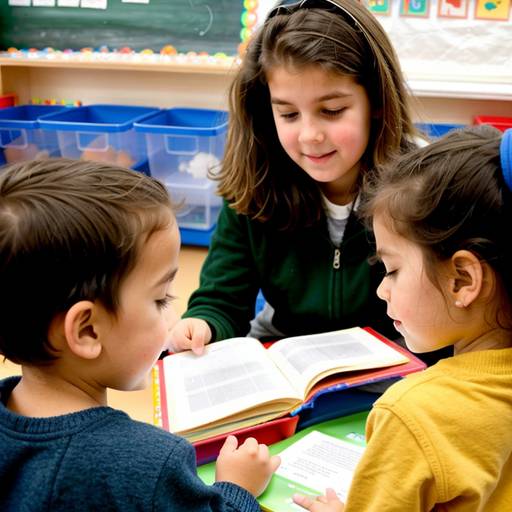
This preschool language lesson plan focuses on introducing emergent reading concepts to young children through engaging and interactive activities over a 35-minute duration. The session begins with a warm welcome and a discussion about the importance of reading. A large picture book is read aloud to the class with expressive storytelling, inviting participation from students through predictions and repeated phrases.
Following the read-aloud, students explore letter recognition and sounds through flashcards, engaging in a call-and-response activity to reinforce the letters and their associated sounds. This is complemented by an interactive game where children jump to the correct letter based on verbal prompts.
Phonemic awareness is further developed through a rhyming game, where students suggest words that rhyme with a given example, accompanied by a fun song that encourages movement. The lesson continues with vocabulary building, where key words from the read-aloud are introduced, allowing children to act them out in a playful manner.
The lesson concludes with a reflection period, where students share their favorite parts and newfound knowledge. Throughout the session, the emphasis is placed on fostering excitement about reading and encouraging exploration of books both in class and at home. Assessment is based on observation of engagement and understanding, with potential extensions to further support literacy development. Overall, the lesson aims to create a joyful and supportive environment for children to begin their journey into reading.
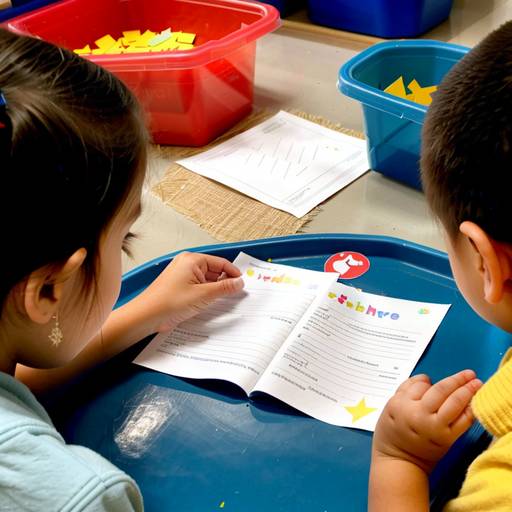
This preschool lesson focuses on developing pre-reading skills through an engaging and interactive activity centered around letter recognition. Children will participate in a fun letter hunt, where they work in small groups to find hidden cut-out letters, reinforcing their ability to identify and name each letter. After the hunt, the groups will gather to share their findings, and a matching game will further enhance their understanding of letters and sound associations.
The lesson includes a read-aloud session with a story that highlights the letters discovered during the hunt, encouraging discussion and interaction. To wrap up the lesson, children will draw their favorite letter or an object that begins with that letter, allowing for creative expression and consolidation of learning. Throughout the session, children are assessed on their participation and understanding, while opportunities for extension activities adapt to varying levels of familiarity with the content.
The overall approach emphasizes teamwork, communication, and a fun-filled exploration of letters, laying a strong foundation for pre-reading skills.
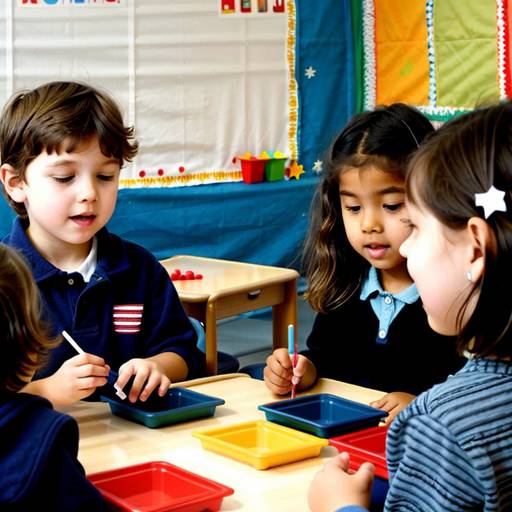
This preschool lesson focuses on developing phonological awareness through the exploration of rhyming words. Over the course of 35 minutes, students engage in activities designed to help them recognize and produce rhymes, which are essential foundations for reading.
The lesson begins with a circle gathering where the concept of rhyming is introduced in simple terms. A read-aloud session of a rhyming book follows, allowing students to hear examples of rhymes in context and practice identifying them.
Students then participate in a rhyme-matching activity in small groups, where they pair cards that contain rhyming words and practice saying these words aloud. An interactive game encourages students to generate rhyming words based on prompts, enhancing their creativity and engagement.
The lesson wraps up with a fun rhyming song that involves active participation through singing and movement. Throughout the session, the teacher assesses students’ understanding informally through observation and encourages them to share more rhymes. The lesson concludes with a discussion that reinforces what they learned and inspires further exploration of rhyming at home.
Extensions include creating a "Rhyme Wall" for students to add new words they discover and incorporating art activities to reinforce the newfound skills. Overall, the lesson is designed to be engaging and responsive to students' interests, laying a strong groundwork for literacy development.