
Filters
Level
Grade
Subject
Subject Area
Subject Topic
Standard(s)
Audience
Keyword
DurationMinutes
Preschool Language Lesson Plans
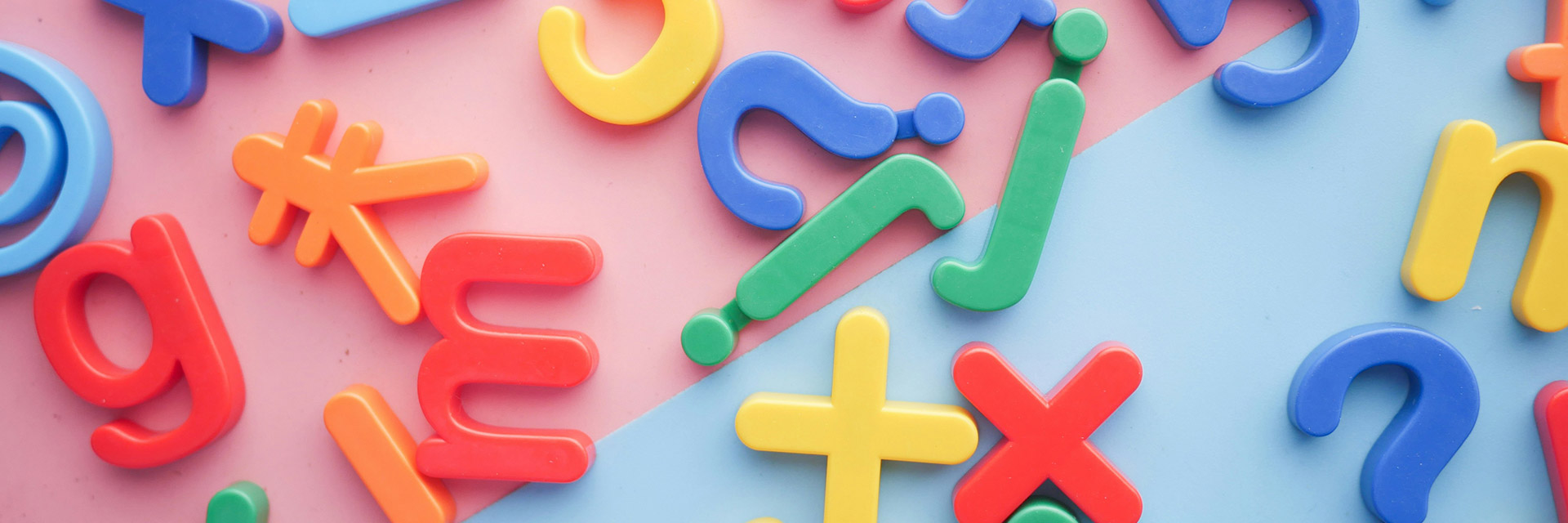

This lesson plan focuses on helping preschool students recognize and identify letters of the alphabet, both uppercase and lowercase. The session begins with a welcoming circle time where children are introduced to the concept of letters and their role in forming words. The children engage with flashcards to name letters and share words associated with them. An interactive letter hunt activity allows them to find and identify letters around the classroom, reinforcing their learning through play.
The lesson continues with a creative art activity, where children select their favorite letter and create drawings related to it. The session concludes with a reflective circle, where students share their work and sing an alphabet song together to reinforce their knowledge. Throughout the lesson, the educator evaluates participation and understanding through observation and engagement. Extension activities encourage further practice at home, fostering continuous learning beyond the classroom. The overall aim is to create an engaging, interactive environment that promotes early literacy skills and a love for letters.
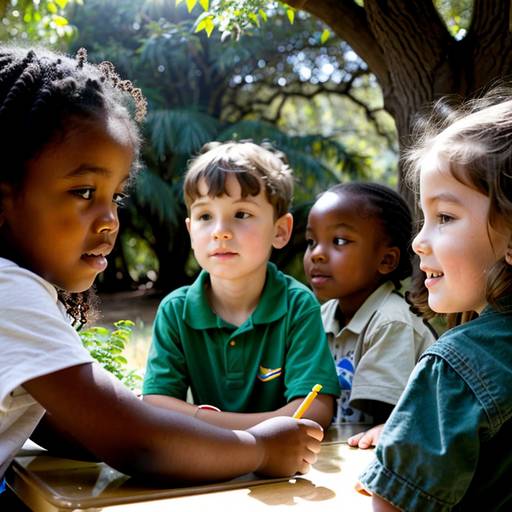
In this preschool language lesson plan, students will enhance their listening and speaking skills through engaging activities centered around the sounds of nature. The lesson begins with a group gathering where children participate in sound identification exercises by listening to various nature sound clips and discussing what they hear. Following this, a story related to animals or nature is read aloud, with opportunities for the children to predict and share their thoughts.
Students then create their own drawings of their favorite animal or a nature scene, providing a chance for each child to present their artwork to the group and articulate their choices. The lesson concludes with a collaborative sound-making activity where children use instruments to mimic nature sounds, encouraging turn-taking and respectful listening. Assessment will focus on the children's participation and ability to express themselves throughout the activities, with additional extension activities suggested for further exploration of nature and sound.
This preschool language lesson focuses on enhancing vocabulary development through interactive activities centered around sight words. The session begins with a group introduction to selected sight words, where students actively participate by repeating the words aloud. Following this, an engaging scavenger hunt is organized, allowing children to explore the classroom and find hidden sight word flashcards, reinforcing word recognition through playful interaction.
After the hunt, students get creative with a craft activity where they make artistic representations of their chosen sight words using construction paper and decorative materials. Each child shares their artwork with the group, further solidifying their understanding and pronunciation.
The lesson concludes with a storytime that features the sight words discussed, giving students the opportunity to see these words in context. A reflective discussion wraps up the activity, allowing the children to express their thoughts and favorite moments from the day. Throughout the session, focus is placed on encouraging participation, enhancing fine motor skills, and building vocabulary in a fun, engaging way.
This preschool lesson plan focuses on enhancing listening and speaking skills through engaging activities centered around sound identification and storytelling. The session begins with a warm-up song, encouraging children to express themselves by mimicking animal sounds. Following this, students participate in a sound identification activity where they listen to various sound clips and describe what they hear.
A story is then read, incorporating sound elements that allow children to join in by making sounds and discussing their favorite parts. Next, a playful listening game is introduced, where children express themselves through movement using colorful scarves in time with music or nature sounds.
The lesson concludes with a group discussion about their favorite sounds and characters, followed by a drawing activity where children illustrate their favorite sound or story element and share their creations with the class. The session promotes active participation, creativity, and verbal expression while fostering a deeper understanding of auditory experiences. Assessment is based on children’s engagement and ability to identify and replicate sounds during the activities. Adjustments are made throughout to accommodate varying levels of skill and attention within the group.
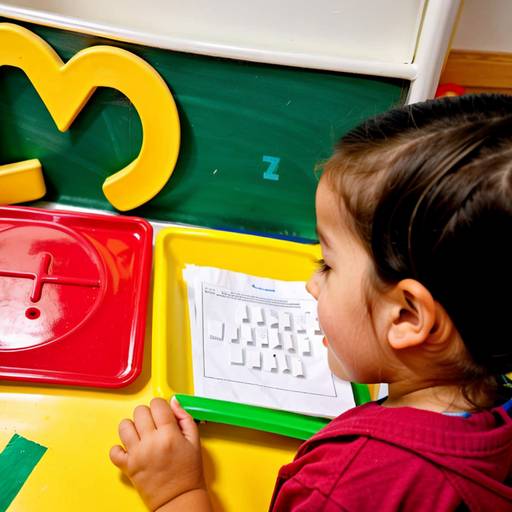
This preschool language lesson plan focuses on introducing young children to the sounds of letters in the alphabet, helping them associate each sound with familiar words and objects. The lesson is designed to last 30-40 minutes and includes a variety of engaging activities to reinforce phonetic awareness.
The session begins with a welcome song that incorporates letters and sounds, followed by a warm-up activity where children participate in clapping and repeating letter sounds. This is followed by an interactive introduction to letter sounds using flashcards and picture cards, encouraging students to think of words that start with those letters.
An interactive Bingo game reinforces the learning by allowing children to recognize and cover letters and sounds as they are called out. A storytime segment features a phonics-themed book, where children are encouraged to identify sounds within the text.
To conclude the lesson, students engage in a rhythmic dance, responding to letter sounds with movements. The session wraps up with a review of the sounds learned and distribution of stickers as rewards for participation. Overall, the plan emphasizes a fun and engaging approach to early literacy while fostering a love for language and learning among preschoolers.
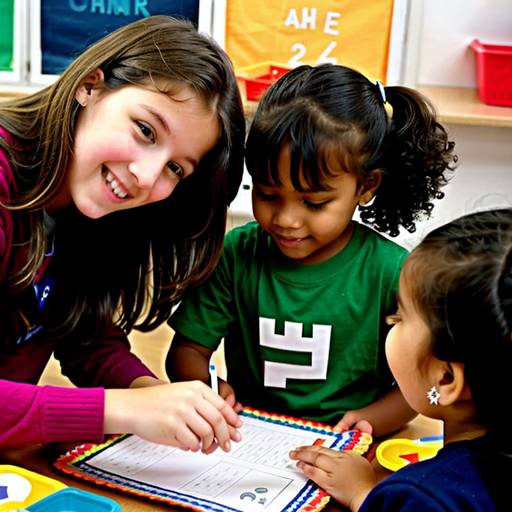
The lesson focuses on teaching preschool students the sounds associated with specific letters of the alphabet through interactive activities. It begins with a brief introduction to letter sounds, utilizing flashcards and picture cards to engage students and promote recognition. A scavenger hunt follows, where children search for objects around the room that correspond to the sounds they’ve learned. This is complemented by a creative group activity where students make crafts related to specific letters, encouraging them to express their understanding through art. The lesson concludes with an enjoyable sing-along that reinforces phonics concepts, followed by a review to gauge understanding and celebrate participation. Extension activities are suggested for ongoing engagement with phonics during the week. The overall approach blends auditory, visual, and kinesthetic learning methods to create a fun and effective phonics experience.
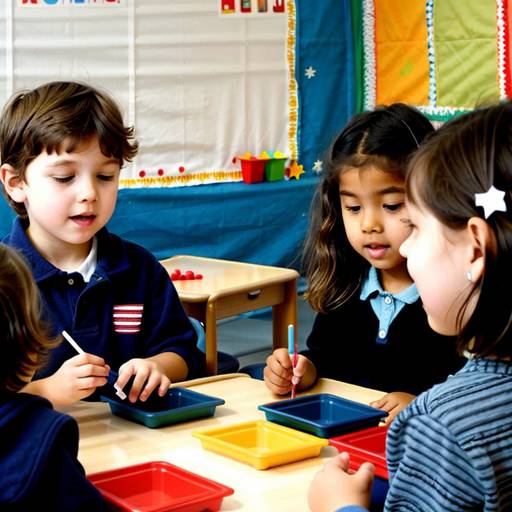
This preschool lesson focuses on developing phonological awareness through the exploration of rhyming words. Over the course of 35 minutes, students engage in activities designed to help them recognize and produce rhymes, which are essential foundations for reading.
The lesson begins with a circle gathering where the concept of rhyming is introduced in simple terms. A read-aloud session of a rhyming book follows, allowing students to hear examples of rhymes in context and practice identifying them.
Students then participate in a rhyme-matching activity in small groups, where they pair cards that contain rhyming words and practice saying these words aloud. An interactive game encourages students to generate rhyming words based on prompts, enhancing their creativity and engagement.
The lesson wraps up with a fun rhyming song that involves active participation through singing and movement. Throughout the session, the teacher assesses students’ understanding informally through observation and encourages them to share more rhymes. The lesson concludes with a discussion that reinforces what they learned and inspires further exploration of rhyming at home.
Extensions include creating a "Rhyme Wall" for students to add new words they discover and incorporating art activities to reinforce the newfound skills. Overall, the lesson is designed to be engaging and responsive to students' interests, laying a strong groundwork for literacy development.

In this Preschool Language Arts lesson, students will engage in activities that promote writing skills through expression and creativity. The session begins with a discussion on the importance of writing, followed by an interactive read-aloud of a visually engaging picture book that encourages imagination. After the story, students will create their own "scribble stories" by drawing pictures that convey a narrative, utilizing lines, shapes, and recognized letters. They will also incorporate relevant word cards into their drawings.
Following the creation of their scribble stories, students will present their artwork to the class, fostering public speaking skills and peer interaction. The lesson concludes with a reflection on the activity and a possible optional journal writing component if time permits. Throughout the lesson, the teacher will observe participation, creativity, and the students' ability to articulate their thoughts, ensuring a supportive and engaging environment for developing writing skills. Finally, follow-up activities will reinforce letter recognition and provide further opportunities for writing practice.
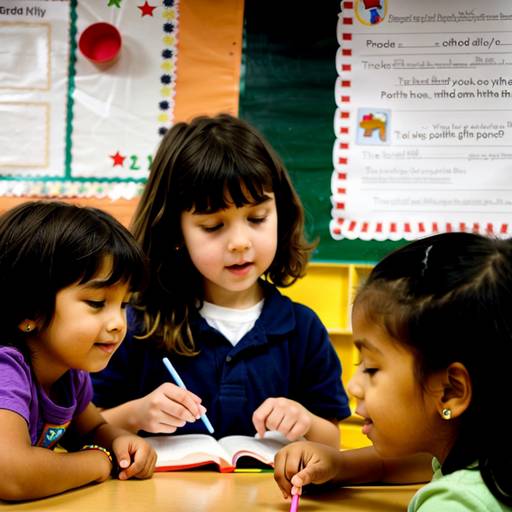
In this preschool language arts lesson, students will explore basic sentence structure by identifying subjects, verbs, and objects through interactive group activities. The lesson begins with a welcoming circle time where students share their names and favorite things to foster engagement. They will then collaborate in small groups using sentence-building cards to create simple sentences, which they will share with the class. After modeling sentence components on the whiteboard, students will illustrate their sentences and write them underneath their drawings. The session concludes with a sharing and celebration of their creative efforts, encouraging participation and reinforcing their understanding of sentence formation. Assessments will include observational checks during activities and reviews of the students’ written work. Modifications and extensions are included to cater to varying skill levels. Overall, this lesson promotes collaboration, creativity, and fundamental grammar skills in a fun and engaging manner.
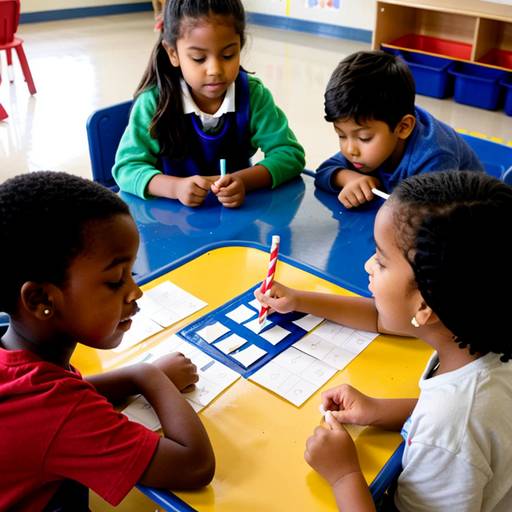
This preschool language arts lesson focuses on teaching students the basics of sentence structure, specifically identifying nouns and verbs. The session begins with an interactive discussion where students learn what a sentence is and explores its components through engaging flashcards and collaborative examples. During guided practice, children observe and participate in creating sentences based on picture prompts, reinforcing their understanding through verbal expression. As an independent activity, each student draws from a given picture prompt and writes a sentence about it, allowing them to apply what they've learned creatively. The lesson concludes with a sharing session, where students present their work, enhancing their confidence and reinforcing their learning. This approach promotes active participation and foundational writing skills in a fun, collaborative environment. Assessment is conducted through observations and the evaluation of student-created sentences. Extension activities provide opportunities for further exploration of sentence construction.