
Filters
Level
Grade
Subject
Subject Area
Subject Topic
Standard(s)
Audience
Keyword
DurationMinutes
Preschool Language Lesson Plans
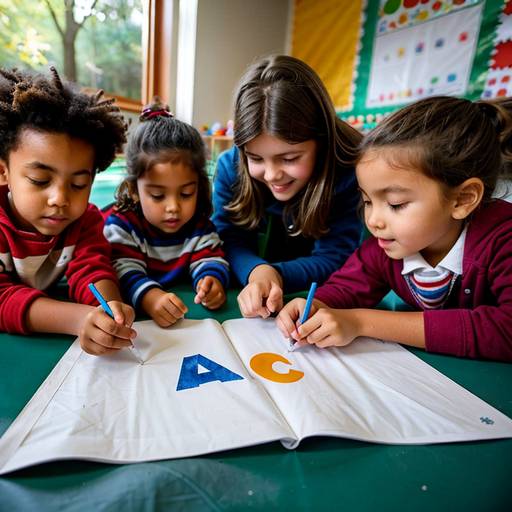
This lesson plan focuses on helping preschoolers identify and articulate letters of the alphabet through interactive activities that encourage exploration and creativity. The session begins with a group discussion about familiar letters and their sounds, fostering engagement.
Students then participate in a letter hunt, locating hidden alphabet cards and sharing their findings with the class. Following this, they connect letters to animals, drawing their favorite letter-animal pairs and discussing the sounds associated with those letters. The lesson continues with a nature-themed activity, where students select natural items and relate them to letters, reinforcing their understanding by creating drawings.
The session wraps up with a group recap and discussion about what was learned, promoting sharing and comprehension. The plan includes assessments through observation and student participation and allows adaptations for varying skill levels, making it an inclusive and enriching experience that supports early literacy development.

In this engaging preschool lesson, students embark on an adventure to explore the alphabet through interactive activities centered around animals. The session begins with a circle gathering where children discuss their experiences with animals and safaris. Following this, students participate in a hunt to find alphabet flashcards and animal toys scattered around the classroom, practicing letter recognition and sharing their discoveries with the group.
Next, the children are divided into small groups for a sorting game, where they organize the animals under the correct letter flashcards, reinforcing their understanding of letter-sound associations. To keep the energy high, a fun movement activity allows kids to imitate different animals while emphasizing letter sounds. The lesson concludes with a group reflection, encouraging children to share their favorite animals and letters, along with extension activities that include drawing and storytime to further integrate their learning. Overall, the lesson promotes literacy skills in a playful and interactive environment.

In this preschool lesson, students will explore the concept of environmental print and its importance in everyday life. The session begins with an engaging song to set the mood, followed by a discussion about the various signs, labels, and logos students encounter daily. Real-life examples will be shown to help children recognize and read environmental print, fostering their understanding of how it aids in navigation and communication.
Students will then work in small groups to examine a selection of environmental print materials, discussing their meanings and contexts as they engage in guided exploration. The activity will shift to a scavenger hunt, where children will search for specific environmental prints within the classroom or schoolyard. This hands-on experience will be followed by a group sharing session, encouraging students to present their findings and reflect on the importance of print in their surroundings.
The lesson will conclude with a recap of the day’s learning, reinforcing the connection between literacy and the world around them. Throughout the lesson, educators will assess students’ engagement and understanding through observation and their scavenger hunt worksheets. Options for extending the lesson include creating a display of collected environmental prints and integrating more related stories into the reading area for further exploration.
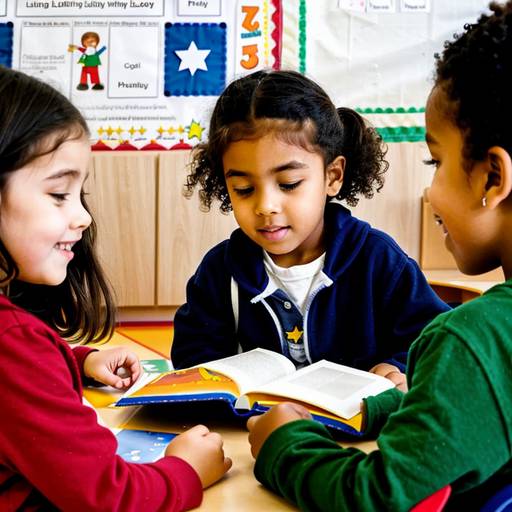
In this preschool language lesson, children will develop essential pre-reading skills through an interactive storytelling experience. The session begins with an engaging introduction where children examine the book's cover and make predictions about the story. Following this, an enthusiastic read-aloud captures their attention, with questions posed throughout to enhance comprehension and encourage participation.
After the story, children will engage in a discussion that prompts them to express their thoughts and connections to the narrative. An interactive activity using puppets will reinforce comprehension while vocabulary flashcards will support language development. Creativity is further encouraged as children draw their favorite character or scene, sharing their artwork with peers to enhance verbal skills.
The lesson concludes with a review of key vocabulary and a fun, related song to reinforce language concepts. Overall, the activities are designed to foster engagement, creativity, and a love for reading as children interact with stories and build foundational literacy skills. Extensions include introducing a "story of the week" for sharing, further promoting independent reading and communication among students.
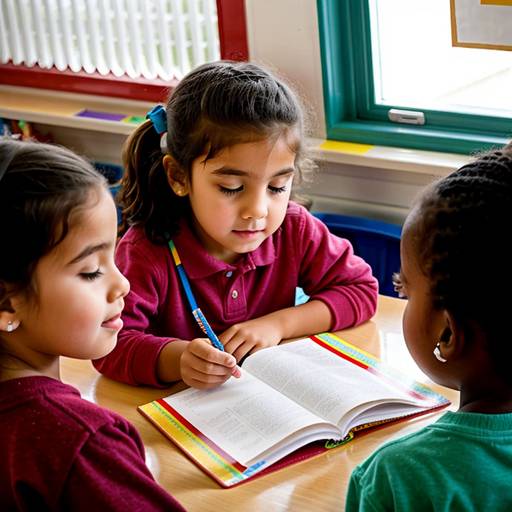
This preschool language lesson focuses on enhancing pre-reading skills through engaging storytelling activities. The lesson begins with a circle time introduction where children discuss their favorite stories. A carefully selected picture book is read aloud, encouraging children to interact by answering questions related to the story, thereby enhancing comprehension and vocabulary development.
After the reading, students engage in a vocabulary activity where they learn and match key words from the story using visual aids. The lesson incorporates an interactive retelling segment, allowing children to use props to act out parts of the story, fostering participation and creativity.
Additionally, students are given an opportunity to express their understanding through a drawing activity, where they illustrate their favorite moments from the story or create their own narratives. The lesson culminates in a sharing session where children present their drawings and discuss what they learned.
Throughout the lesson, the teacher assesses participation and comprehension, while encouraging connections between the story and the children’s own experiences. Families are invited to continue the learning at home with suggested activities. This comprehensive approach cultivates vocabulary, comprehension, and storytelling skills in an enjoyable and interactive way.
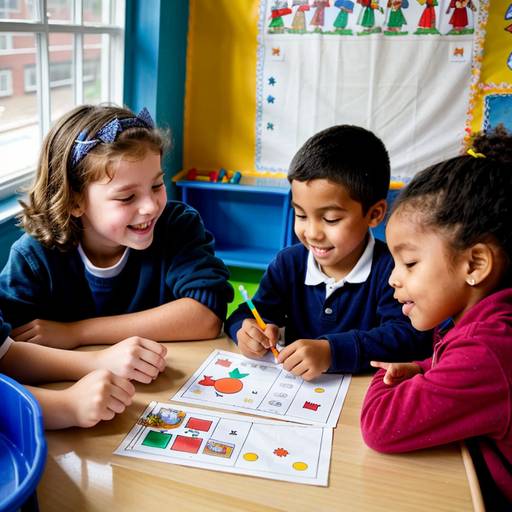
In this preschool language arts lesson, students will explore the basic elements of sentence structure by engaging in interactive activities designed to foster their understanding of subjects, verbs, and objects. The lesson begins with a group discussion about sentences, setting the stage for learning.
Students will participate in sentence-building activities using picture cards depicting nouns and verbs, allowing them to collaboratively create simple sentences. Each child will then form a new sentence using sentence strips, and they will draw corresponding illustrations to reinforce the connection between writing and visual expression.
The lesson concludes with a sharing session, where students present their sentences and artwork to the class, enhancing their confidence in communication and reinforcing their grasp of sentence structure. Assessment will be based on participation and the ability to create meaningful sentences, with opportunities for follow-up activities to continue building their language skills.
This lesson plan focuses on developing preschool students' recognition and understanding of sight words and vocabulary. The session begins with an engaging introduction where children are welcomed and prepared for a “sight word adventure.” Flashcards featuring key sight words, accompanied by visual aids, help children learn the words and their meanings. An interactive activity called “Word Hunt” allows students to find sight words around the classroom, encouraging them to identify and use these words in sentences.
The instructor will then read a large picture book that contains the sight words, prompting children to participate by chiming in when they encounter the words. This read-aloud fosters comprehension and engagement. Following the story, students will create their own sight word posters, illustrating chosen words, which allows for creativity and reinforces their understanding.
The lesson concludes with a review of the sight words learned, encouraging students to look for these words at home, and rewarding participation with stickers. Informal assessment occurs throughout the lesson, observing students as they identify and use sight words, along with evaluating their craft activity. Extensions for learning at home are provided, ensuring that literacy skills continue to develop beyond the classroom setting.
In this preschool language arts lesson, students will focus on recognizing and reading common sight words, aiming to understand their meanings through engaging activities. The lesson begins with an interactive introduction to sight words, where students repeat words after the teacher. A storybook is then read aloud with an emphasis on sight words, prompting discussions about the words' meanings through visual aids.
Next, students participate in a "Sight Word Treasure Hunt," searching the classroom for hidden sticky notes featuring sight words, which they check off on their lists with partners. Following the treasure hunt, students express their creativity by illustrating their favorite sight word on drawing paper and sharing their art with the class. The lesson concludes with a review of the sight words learned and a fun movement activity that reinforces recognition.
Assessment will occur through student participation and engagement, while extensions are available for those who advance quickly, including additional sight words for practice at home. This lesson effectively integrates storytelling, movement, and creative expression to support early literacy development.
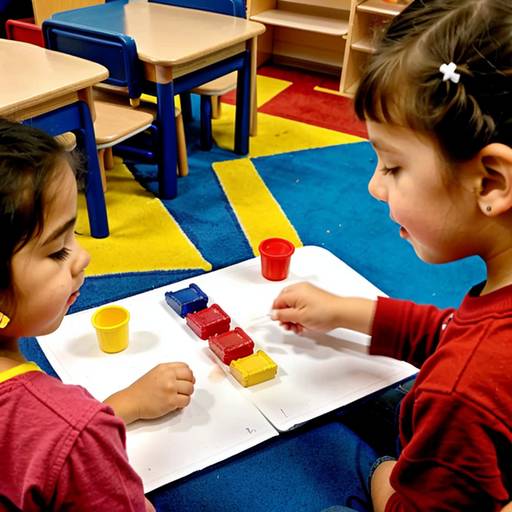
In this preschool lesson, children will engage in a variety of interactive activities designed to introduce them to the concepts of letters and their corresponding sounds. The session begins with a welcoming introduction where students share their thoughts about letters. They will then participate in a lively letter sound chant, matching sounds to hand motions to enhance engagement.
Next, students will work with alphabet flashcards, identifying letters and objects that begin with those letters to reinforce their understanding. Following this, a storytime segment will feature a book rich in alliteration and rhythmic sounds, encouraging active participation through repetition and discussion about the sounds they hear.
The lesson will include a craft activity where each child decorates a letter of their choice and shares it with the group, reinforcing their learning. The session concludes with a closing circle where children reflect on what they've learned and celebrate their creativity through a song that incorporates letters and sounds.
Assessment will be based on observation of participation and understanding during activities, while extensions may include creating a letter sound book or conducting an "Alphabet Hunt" around the classroom. Adaptations for individual needs will also be available, ensuring an inclusive learning environment that fosters early literacy skills in a fun and supportive way.
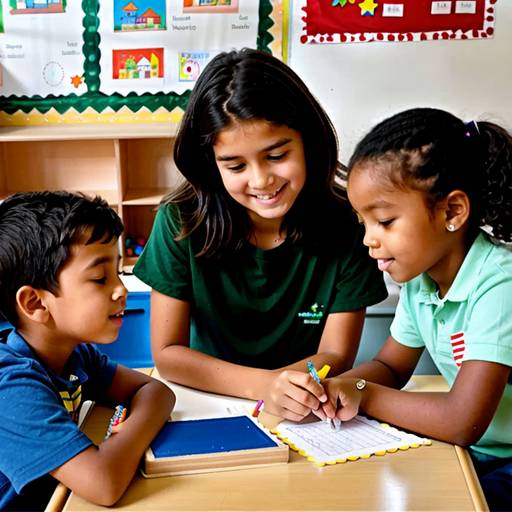
In this preschool language lesson, students will focus on recognizing and using new sight words and vocabulary through a series of engaging activities. The lesson begins with a warm-up song and an introduction to sight words using flashcards, encouraging repetition and discussion about their meanings.
Next, a storybook that incorporates the sight words will be read aloud, with interactive elements that prompt students to identify and say the sight words as they appear.
Following the story, students will participate in a “Sight Word Bingo” game, reinforcing their recognition of the words in a fun and competitive manner. The lesson will then transition to a vocabulary exploration activity, where students will engage with mystery objects related to the sight words, encouraging them to describe and connect the objects to the vocabulary they are learning.
To reinforce creativity and understanding, students will have an opportunity to draw something related to a chosen sight word and share their artwork with the class. The session will conclude with a reflective discussion about the day’s learning and a reminder to share new vocabulary with family members at home. Throughout the lesson, informal assessments will be conducted to monitor participation and understanding.