
Filters
Level
Grade
Subject
Subject Area
Subject Topic
Standard(s)
Audience
Keyword
DurationMinutes
Kindergarten Science Lesson Plans

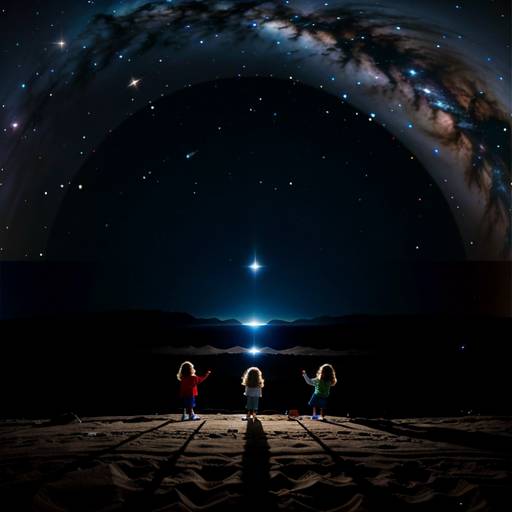
The lesson focuses on introducing kindergarten students to the basics of astronomy and the solar system. It begins with a read-aloud session featuring a picture book about space, sparking curiosity and encouraging students to share their thoughts. Following the read-aloud, students learn about the eight planets and the sun's role in the solar system through a visual poster and interactive discussion.
After this introduction, students engage in a creative art activity where they choose a planet to illustrate or model, incorporating unique features based on fun facts shared during the lesson. Once their art is complete, students participate in a "Planet Parade," where they present their artwork and facts to their classmates, promoting confidence and public speaking skills. The class concludes with a wrap-up discussion reflecting on what they've learned and why exploring space is important.
Assessment is conducted through observation of participation and the evaluation of their art projects, and opportunities for extension activities are also included. This engaging and hands-on approach helps foster a love for astronomy in young learners.
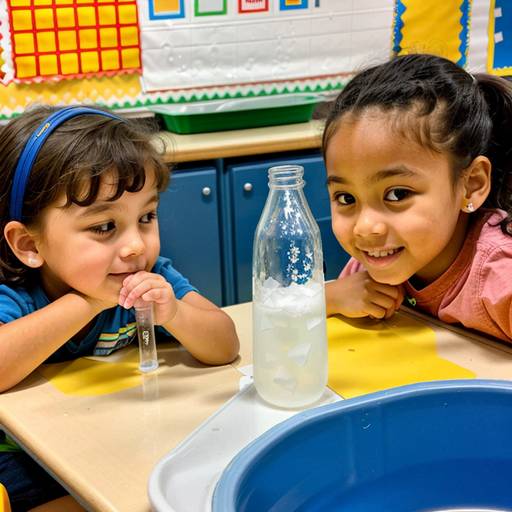
This Kindergarten science lesson introduces students to the concept of matter by exploring its three states: solids, liquids, and gases. The lesson begins with a discussion about everyday objects to help students recognize different forms of matter. Demonstrations using ice cubes, water, and balloons illustrate the unique properties of each state. Students engage in a hands-on activity where they classify a variety of materials into the three categories while practicing observation skills. A collaborative Venn diagram activity allows them to visualize the characteristics and overlaps between states of matter. The lesson culminates in a fun outdoor experience with bubble-making, reinforcing the concept of gas in a playful manner. Throughout the lesson, students participate in discussions and group work that fosters understanding and retention of key scientific concepts related to matter. Finally, a simple exit ticket provides an assessment of their learning, allowing for reflection and additional exploration if desired.
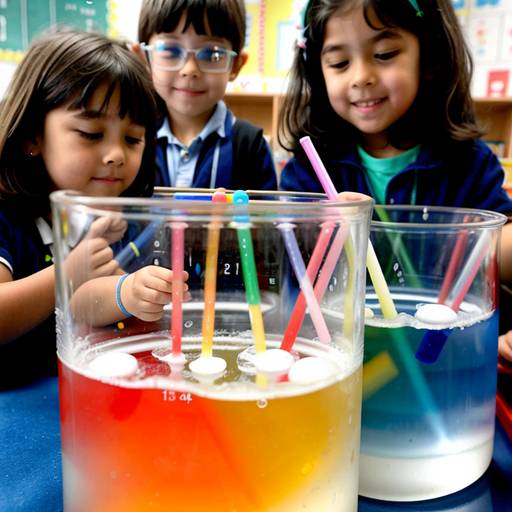
This kindergarten science lesson focuses on exploring the three states of matter: solids, liquids, and gases. Students engage in discussions to define and identify matter, using various objects and visual aids. Through hands-on activities, they sort items into categories based on their state and perform an experiment observing the transformation of ice (solid) into water (liquid). The lesson emphasizes participation and critical thinking as students share their observations and examples from daily life. Assessment is conducted through observation and a sorting worksheet to evaluate understanding. Extensions may include cooking activities and read-alouds to deepen knowledge on the topic. Overall, the lesson promotes an interactive approach to understanding physical science concepts related to matter.
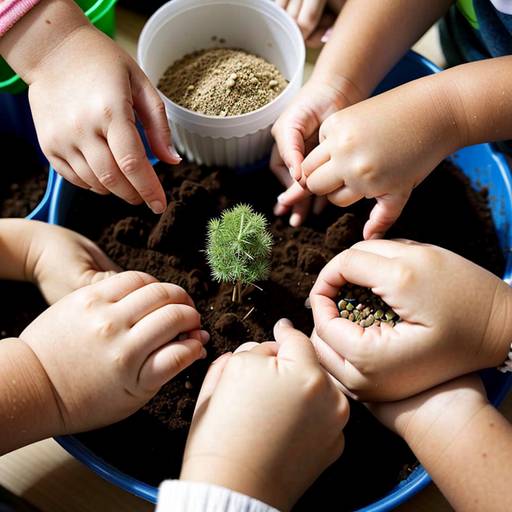
In this Kindergarten science lesson, students will embark on an exploration of seeds and plant growth. They will begin by engaging with a read-aloud story about plants, followed by a discussion on what plants need to thrive. Next, students will focus on observing various seeds, comparing their characteristics using magnifying glasses, and learning to identify the main parts of a seed.
Afterward, students will participate in hands-on activities where they will plant seeds in cups using potting soil, applying the knowledge gained about planting techniques and the importance of watering. They will also create labels for their plants and start growth journals where they will draw their seeds and make predictions about the growth process.
The lesson will culminate in a review of key concepts learned, allowing students to share their observations and predictions with peers. Assessment will be based on participation, journal entries, and ongoing plant observations. Extension activities will provide further engagement through field trips and creative projects related to plants and their life cycles. This approach fosters a comprehensive understanding of plant life and growth in an interactive and enjoyable manner.
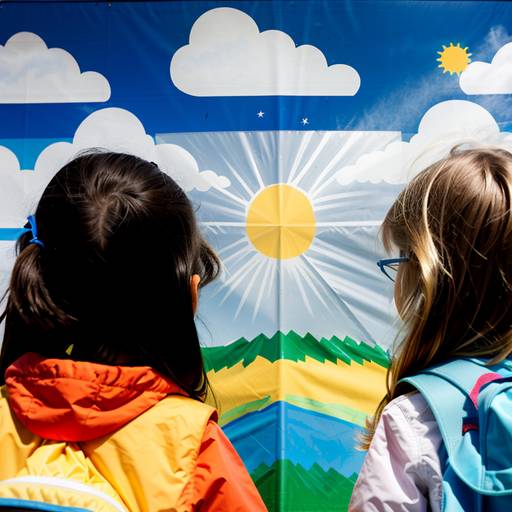
This Kindergarten Earth Science lesson focuses on introducing students to various types of weather and the concept of seasons. The lesson begins with an engaging discussion about weather, followed by an introduction of key vocabulary through picture cards. Students learn to identify different weather types, such as sunny, rainy, cloudy, stormy, and how these relate to the four seasons.
During guided practice, students work in small groups to sort weather cards and make predictions based on a simple weather forecast. A hands-on activity involves drawing their favorite type of weather, allowing them to express their understanding creatively. Additionally, the lesson includes a demonstration of basic weather measurement tools, such as a thermometer and barometer, to help students become familiar with how weather is observed and recorded.
At the end of the lesson, students share their drawings, reinforcing their learning about weather patterns and seasonal changes. Assessment includes observing student participation and evaluating their drawings for comprehension. Extensions to the lesson encourage the use of a weather journal and the creation of a class weather station, fostering ongoing engagement with the topic. The lesson accommodates diverse learning needs with adaptations to support all students.
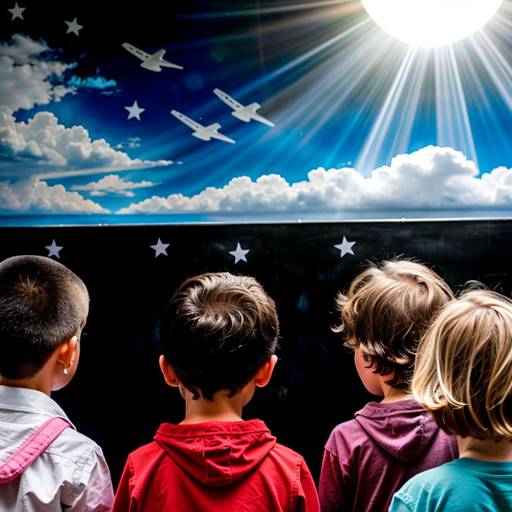
In this Kindergarten Earth Science lesson, students will explore various types of weather, including sunny, rainy, snowy, and windy conditions. The lesson begins with an engaging discussion where students identify different weather types using picture cards and reflect on how each type affects their daily lives.
Students will then participate in a hands-on activity at a weather observation station, learning about basic tools for observing weather, such as a thermometer. They will also express their creativity by creating weather scenes using blue construction paper, cotton balls, and a water spray bottle to mimic rain, while describing their creations to the class.
The lesson concludes with a sharing session where students present their artwork and discuss how to prepare for different weather conditions. Each student will receive a weather journal to draw their favorite type of weather and write an accompanying activity they enjoy during that weather. The lesson emphasizes collaboration, creativity, and foundational knowledge of weather concepts, with opportunities for future exploration and reinforcement.
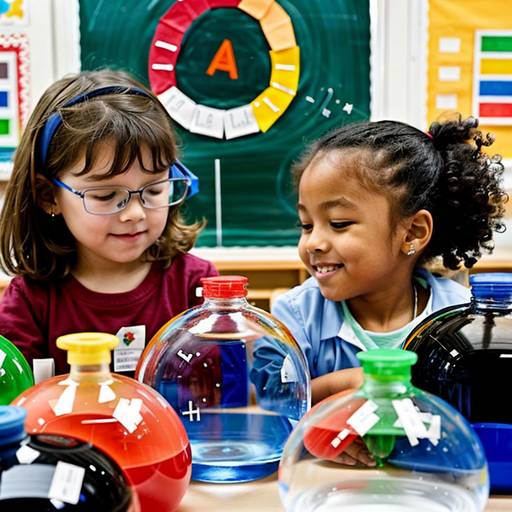
In this kindergarten science lesson, students will explore the concept of matter by learning to identify and classify it into three states: solids, liquids, and gases. The lesson begins with an engaging introduction, using everyday objects to capture students' attention and spark their curiosity about matter. Direct instruction follows, where simple definitions and examples are provided alongside a visual aid to reinforce understanding.
Students will then participate in hands-on exploration stations, where they will interact with solid objects, observe the behavior of liquids, and experiment with gases using balloons. After the exploration, a group discussion will allow students to share their observations and reflect on their experiences at each station.
To conclude the lesson, students will journal about what they've learned by drawing and labeling items from each state of matter. Assessment will include observational notes during activities and review of the journal entries to gauge comprehension. The lesson can be extended in future sessions to include concepts of changing states of matter, fostering further curiosity and engagement.
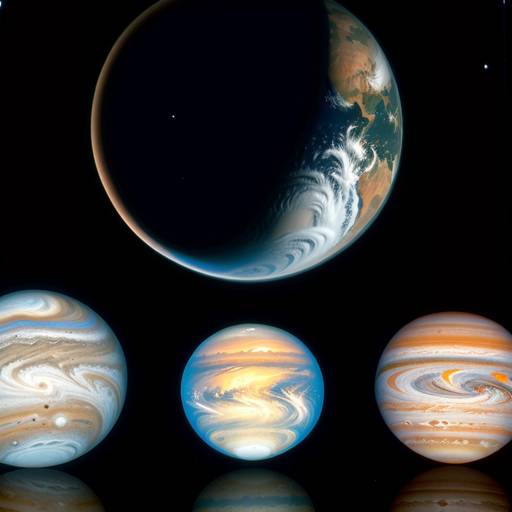
In this kindergarten science lesson plan, students will learn about the solar system and the eight planets that orbit the sun. The lesson begins with an engaging introduction where students share their existing knowledge about space and observe a large poster of the solar system. During direct instruction, students will be introduced to each planet through flashcards, learning unique features, and singing a song that reinforces their understanding of the planets’ orbits.
The hands-on activity allows students to express their creativity by painting Styrofoam balls to represent their chosen planet, while also discussing interesting facts about it. The completed planets will be displayed on a bulletin board, creating a visual representation of the solar system.
The lesson concludes with a reflection where students share what they created and learned, followed by a brief question-and-answer session to clarify any misunderstandings. Overall, the lesson aims to foster curiosity about astronomy and encourage students to explore the night sky with their families. Extensions include a reading corner with books about planets and an invitation for families to engage in stargazing activities together.
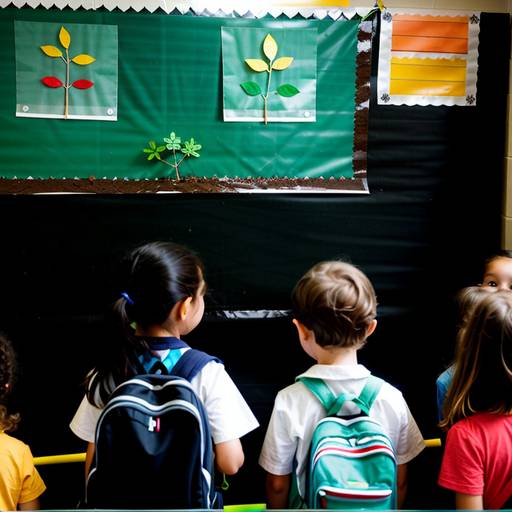
In this Kindergarten science lesson, students will explore the world of plants, focusing on their basic parts and growth requirements. The lesson begins with an engaging story or video to spark interest, followed by a discussion where students share what they know about plants. Through direct instruction, they will learn to identify and understand the roles of roots, stems, leaves, and flowers, using pictures and real plants for demonstration.
Students will then participate in a hands-on planting activity, where they will plant bean seeds in cups with soil while learning about the importance of water and sunlight for growth. Following the planting, they will observe the parts of real plants with magnifying glasses and draw their observations.
The lesson wraps up with a recap where students share their learnings, reinforced by a creative coloring activity. Assessment will be based on student participation and their creative work. Extensions may include maintaining a plant journal and reading a relevant story to further enhance their understanding. Adaptations will be provided for students needing additional support, ensuring inclusivity. Overall, the lesson encourages curiosity and fosters a foundational understanding of life science centered around plants.
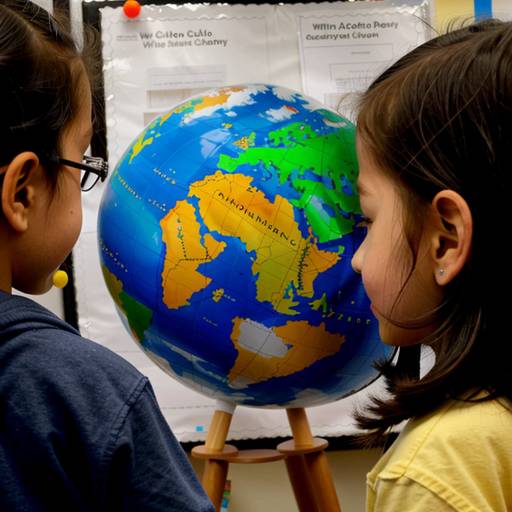
In this Kindergarten Earth Science lesson, students explore various types of weather, including sunny, rainy, cloudy, and snowy conditions. The lesson begins with a discussion about personal experiences with weather, allowing students to engage and share their thoughts. A weather chart is created to track daily weather patterns, fostering an understanding of changes over time.
Students then engage in a creative art activity, where they use finger paints or markers to illustrate their favorite type of weather. This is followed by a fun dress-up role-play activity, enabling them to act out different weather scenarios while their peers guess the type being represented.
The lesson concludes with a recap, allowing each student to share their favorite weather and its significance to them. Throughout the activities, students are assessed on their participation and comprehension, while extensions encourage ongoing weather tracking and further exploration through literature. Adaptations are provided to support varying needs, ensuring an inclusive learning environment. Reflection on the lesson's effectiveness will help inform future teaching strategies.