
Filters
Level
Grade
Subject
Subject Area
Subject Topic
Standard(s)
Audience
Keyword
DurationMinutes
Kindergarten Music Lesson Plans

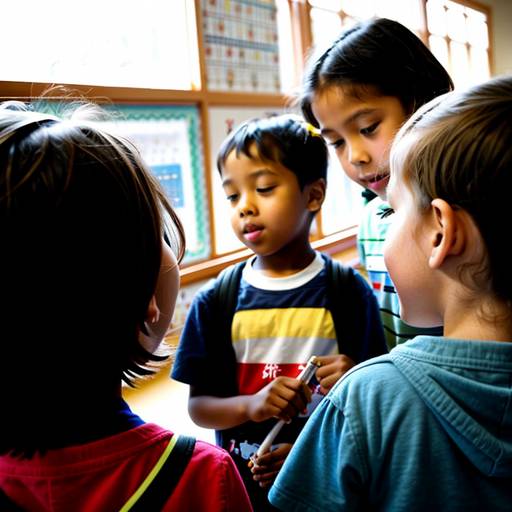
This Kindergarten music lesson focuses on introducing young students to the world of music appreciation and listening. Through interactive activities, students will explore various musical instruments by listening to audio clips and matching them with pictures. The lesson includes an engaging listening session where students will experience different genres of music, allowing them to express their feelings and thoughts about each piece. They will be encouraged to reflect on how the music makes them feel and to share any personal experiences related to the sounds.
To foster creativity, students will create artwork representing their emotional responses to the music. The lesson concludes with a group discussion to recap learning and encourage students to think about music they enjoy. Assessment will be based on participation, engagement in discussions, and the creativity demonstrated in their drawings. Extension activities include creating a class music playlist and exploring simple percussion instruments to further enhance their musical experience. The lesson is designed to be inclusive and culturally diverse, ensuring all students can connect with the music they encounter.

In this Kindergarten music lesson, students will explore basic music theory concepts related to rhythm and note values through engaging activities. The lesson begins with a warm-up greeting song to foster excitement for music and an introduction to the significance of rhythm. Students will learn about different note values, such as quarter notes, eighth notes, and half notes, using clapping and body percussion for practice.
They will then participate in a group activity where small teams create and present their own rhythmic patterns through movement and sound. To further enhance their understanding, students will engage in a fun rhythm dice game, allowing them to make creative interpretations of various rhythms.
The lesson concludes with a reflection discussion where students share their insights on rhythm and its emotional impact, followed by a farewell song incorporating what they've learned. Throughout the session, teachers will continuously assess student participation and understanding, adapting practices to meet diverse learning needs. The focus remains on creating an enjoyable and collaborative musical experience.

This Kindergarten music lesson plan focuses on engaging young students in the joy of singing through various activities. The lesson begins with a discussion about singing and vocal warm-ups, followed by a fun game where students mimic animal sounds to explore different vocal qualities. The main portion of the lesson involves singing well-known children's songs, such as "Twinkle, Twinkle, Little Star" and "The Wheels on the Bus," with opportunities for movement and the use of simple percussion instruments to enhance rhythm. Students are then divided into small groups to create and perform their own melodies, fostering teamwork and creativity. The lesson concludes with a calming goodbye song and a reflective discussion about their experiences. Assessment is based on participation and engagement, and follow-up activities encourage continued singing at home and the possibility of a seasonal performance. Overall, the plan emphasizes experiential learning and builds foundational musical skills in a fun and interactive environment.
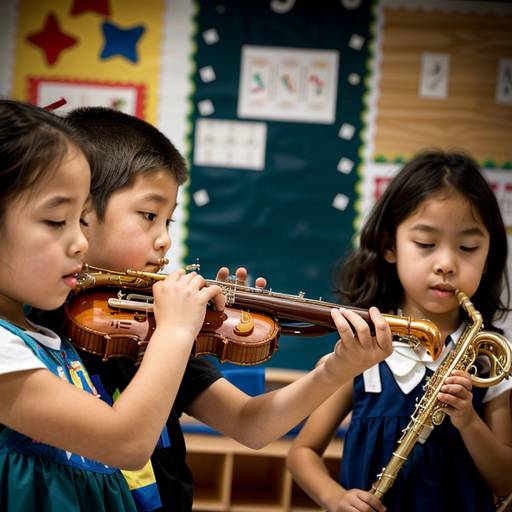
In this Kindergarten music lesson, students will explore the world of woodwind instruments through a variety of engaging activities. The lesson begins with an introduction to different woodwind instruments using pictures and sound clips, encouraging students to share their experiences and preferences. Next, students will participate in a listening activity where they identify sounds and movements inspired by each instrument, showcasing their creativity through movement exercises with colorful scarves.
The lesson includes a hands-on craft activity where students create their own simple woodwind instruments using paper straws, allowing them to experiment with producing sounds and different pitches. To wrap up, the class will engage in a discussion to reflect on their favorites and what they learned throughout the lesson. Overall, the plan aims to promote an understanding of music and rhythm while fostering creativity and collaborative learning among students.
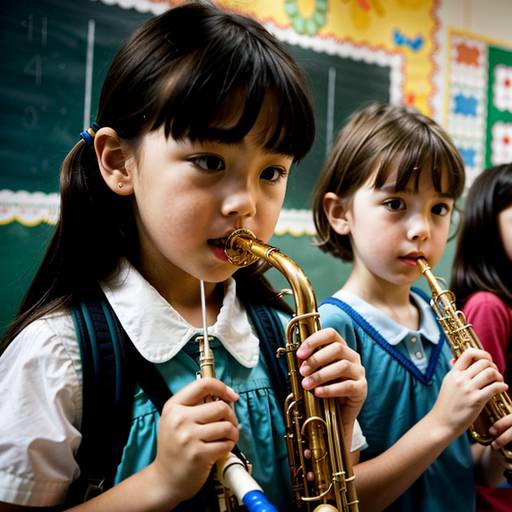
In this Kindergarten music lesson, students will explore the fascinating world of woodwind instruments. The session begins with an engaging discussion about music and an introduction to different woodwind instruments, including the flute, clarinet, saxophone, oboe, and bassoon. Students will listen to recorded music showcasing these instruments, fostering an appreciation for their unique sounds.
Following this, the children will participate in a movement activity where they represent their chosen woodwind instrument through body movements and sound, creating a lively “woodwind orchestra.” Using scarves or ribbons, they will express musical notes visually as they listen to woodwind recordings, enhancing their understanding of rhythm and dynamics.
Finally, the lesson concludes with a group discussion and a take-home coloring sheet featuring woodwind instruments. Throughout the activities, students will develop their listening skills, creativity, and ability to identify different woodwind instruments while enjoying a fun and interactive experience.
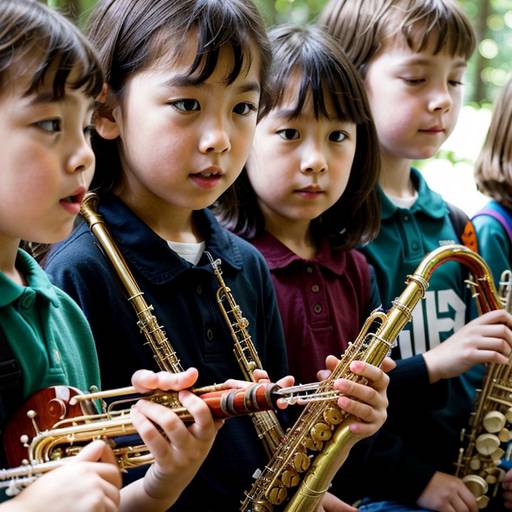
This Kindergarten music lesson plan introduces students to woodwind instruments and their distinct sounds. It begins with a discussion about what woodwind instruments are, accompanied by visuals and audio clips to help students recognize each instrument. Following this, students participate in a listening activity where they share their feelings about different pieces of woodwind music.
The lesson encourages movement through a creative activity where students mimic the sounds of various woodwinds with their bodies. They also get hands-on experience by exploring simple instruments like recorders, learning how to produce sounds and different pitches.
To further engage their creativity, students create their own paper woodwind instruments using craft materials, allowing for personalized expression. The lesson concludes with a group activity reflecting on what they learned and a collective sing-along related to themes of wind or breath. Assessment is based on observation of participation and understanding during discussions and activities, promoting an enjoyable and interactive approach to music education.