
Filters
Level
Grade
Subject
Subject Area
Subject Topic
Standard(s)
Audience
Keyword
DurationMinutes
Kindergarten Music Lesson Plans

This Kindergarten music lesson focuses on music appreciation and listening, allowing students to explore diverse musical styles from around the world. Over the course of 30-45 minutes, students will listen to short excerpts of music from various cultures, engaging in discussions about the instruments they hear and the emotions the music evokes. Through physical movement, they will respond expressively to each piece, enhancing their understanding of music's impact on emotions and bodily expression.
Students will also have the opportunity to experiment with instruments, creating rhythms together as a class. To reinforce their learning, they will draw pictures inspired by their favorite music from the lesson, fostering creativity and personal expression. The lesson closes with a summary of the importance of music as a universal language that connects people globally. Assessment will be conducted through observation of participation and engagement, with differentiation strategies in place to support all learners.
In this Kindergarten music lesson, students will explore foundational concepts of rhythm through engaging activities involving clapping, body percussion, and percussion instruments. The lesson begins with a welcoming song to introduce rhythm as a pattern of sounds and silences. Following an activation of prior knowledge, students participate in a clapping exercise to practice echoing simple rhythms and distinguishing between strong and weak beats.
Next, they will learn a body percussion pattern incorporating claps, snaps, and stomps, fostering creativity as they take turns creating their own patterns. After practicing with unpitched percussion instruments, students will play along to a song with a clear beat. Additionally, they will connect movement to rhythm by dancing or moving in time with music.
The lesson concludes with a reflective circle discussion about their experiences and preferences related to rhythm and music-making. Throughout the activity, students demonstrate their understanding of rhythmic concepts while having fun and building confidence in their musical abilities. Opportunities for differentiation and extensions are provided to ensure all students can engage and thrive in the lesson.
In this Kindergarten music lesson, students will embark on an exploration of natural sounds and their connection to music. The session begins with listening to various audio clips of natural sounds, followed by discussions where students share their thoughts and feelings about what they hear. They will then engage in a movement activity, where they imitate different natural sounds through body motions and vocalizations, enhancing their understanding of musical elements. To further encourage creativity, students will create artwork based on their favorite natural sound, expressing their interpretations through colors and shapes. The lesson concludes with a group discussion to reflect on their experiences and insights gained about the relationship between nature and music. Throughout the activities, emphasis is placed on participation, expression, and the joy of discovering music in the world around them.
In this kindergarten music lesson, students will explore the themes of nature through singing and vocal activities. The lesson begins with an engaging discussion about nature, followed by vocal warm-ups that allow children to experiment with different sounds. Students will participate in echo singing, where they repeat melodies related to nature, and engage in a call-and-response activity, creating their own lyrical contributions to the theme.
To enhance the experience, movement is incorporated as students mimic elements of nature while singing, and rhythm instruments are introduced for added engagement. The lesson concludes with a calm lullaby to reflect and wind down. Throughout the session, students will develop their vocal techniques, creativity, and listening skills while expressing their feelings about the natural world. This interactive lesson emphasizes participation, artistic expression, and connection to the environment.
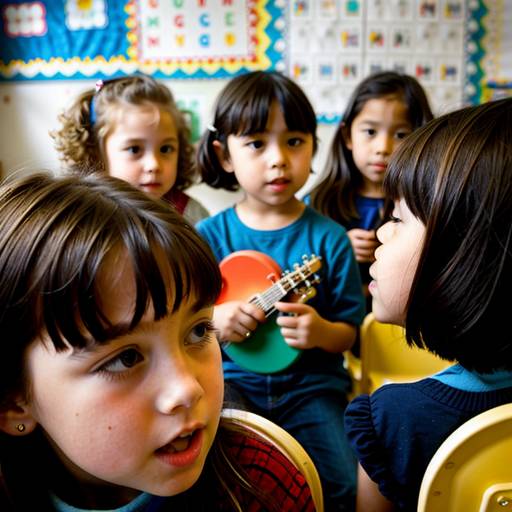
In this Kindergarten music lesson plan, students will engage in various singing activities designed to develop their vocal skills, pitch recognition, and rhythm. The session begins with a warm-up to prepare their voices, followed by interactive singing of familiar songs that incorporate hand motions and puppetry to enhance engagement. Students will explore rhythm through clapping and using simple percussion instruments to play along with the music. They will also have the opportunity to create their own short songs using familiar phrases, fostering creativity and confidence. The lesson concludes with a reflection on their favorite activities and a goodbye song that reinforces the sense of community in music-making. Participation and engagement will be observed to assess student progress, with plans for future sharing opportunities with families.
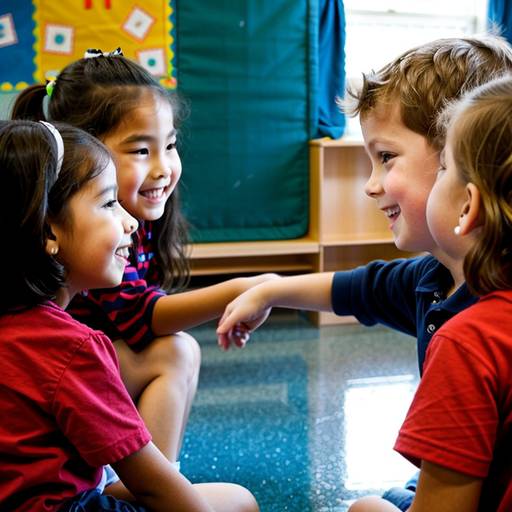
This Kindergarten music lesson plan focuses on fostering an appreciation for music through active listening and creative expression. The objectives include developing students' listening skills, introducing various musical genres and instruments, and encouraging movement in response to music. The lesson begins with a discussion about music, followed by listening activities where students share their feelings and thoughts on different music clips.
Students engage with simple percussion instruments, participating in rhythm echoing and exploration. To enhance their physical connection to music, they partake in a movement activity, expressing their feelings through dance with props like scarves. The lesson concludes with a reflective sharing session, allowing students to discuss their favorite musical experiences. Assessment focuses on participation and expression, while extension activities can deepen their understanding by exploring global music instruments and creating original rhythms. Adaptations ensure inclusivity for all learners, making the lesson accessible and enjoyable.
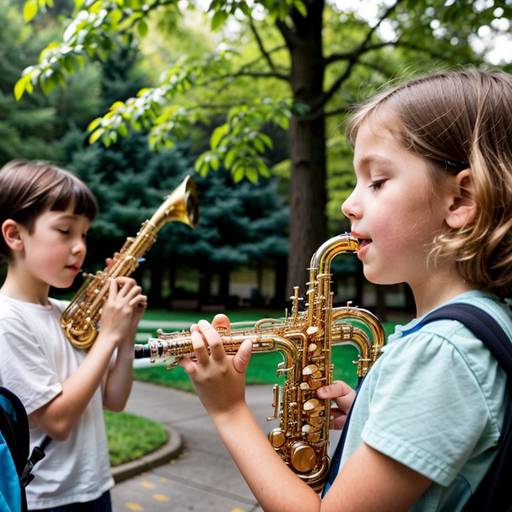
In this Kindergarten music lesson, students will explore the world of woodwind instruments through a combination of listening, hands-on activities, movement, and creative expression. The lesson begins with an introduction to various woodwind instruments, engaging students in a discussion about their sounds and features. Following this, students will listen to audio clips of different woodwinds and identify changes in sound. A demonstration showcases how to produce sound using simple flutes or recorders, allowing a volunteer to try the instrument.
To incorporate movement, students will use scarves or ribbons to dance and express themselves while listening to woodwind music. They will then transition to a creative art activity, drawing their favorite woodwind instrument and sharing their artwork with the class. The lesson concludes with a closing circle, where students reflect on their experiences and share their favorite parts of the lesson. Assessment will focus on student engagement, recognition of instruments, and creativity displayed in the art activity. Modifications will be made to ensure all students can participate fully.
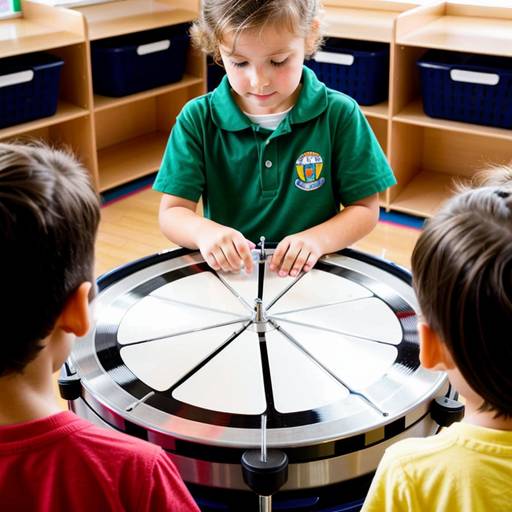
In this kindergarten music lesson, students will explore the concept of rhythm through engaging activities that emphasize body percussion and instrument play. The lesson begins with an introduction to rhythm, explaining the importance of beat and pulse in music. Students will participate in a body percussion warm-up that encourages them to create and combine various sounds using their bodies. Following this, they will explore hand-held instruments like drums, shakers, and claves, learning to imitate simple rhythmic patterns while being introduced to basic rhythmic terms such as quarter and eighth notes.
Students will then work in small groups to create their own short rhythm patterns, which they will perform for the class. This collaborative activity fosters creativity and teamwork as they experience making music together. The lesson concludes with a group performance, allowing all students to play their instruments in unison, reinforcing the feeling of musical unity. Throughout the lesson, the teacher will assess participation and understanding, providing feedback to encourage growth. Extensions may include exploring rhythms from various cultures or creating a classroom display to showcase favorite rhythms learned.
In this Kindergarten music lesson, students will explore fundamental concepts of rhythm and beat through engaging activities. The session begins with a discussion about music, followed by a clapping warm-up to familiarize children with different sound patterns, including long and short notes. Students will then break into small groups, where they will work with rhythm sticks or percussion instruments to create their own simple rhythms incorporating both long and short sounds. After practicing, each group will perform their rhythm for the class, allowing peers to listen and identify the differences in sound. The lesson concludes with a reflection on their musical experiences and an informal assessment of their understanding of rhythm. Extensions include creating rhythm games for home and integrating rhythm into other subjects like math and storytelling, ensuring that all students have the opportunity to participate and succeed. Differentiation strategies will support diverse learning needs, allowing for collaborative learning and creative expression.
This kindergarten music lesson focuses on developing vocal skills and musical concepts through singing and interactive activities. Students will begin with a warm-up that includes vocal exercises and animal sound mimicking to explore different pitches. They will engage in singing simple, familiar songs as a group, discussing the emotions and meanings behind the music. A call-and-response activity will encourage creativity in vocal expression, while a rhythmic movement game will enhance their understanding of beat and rhythm. To foster individual creativity, students will have the opportunity to improvise short songs based on emotions or characters. The lesson concludes with a reflection on their experiences and a final group song, promoting a sense of community and enjoyment in music. Assessment will be based on student participation and vocal variety throughout the activities.