
Filters
Level
Grade
Subject
Subject Area
Subject Topic
Standard(s)
Audience
Keyword
DurationMinutes
Elementary School Lesson Plans

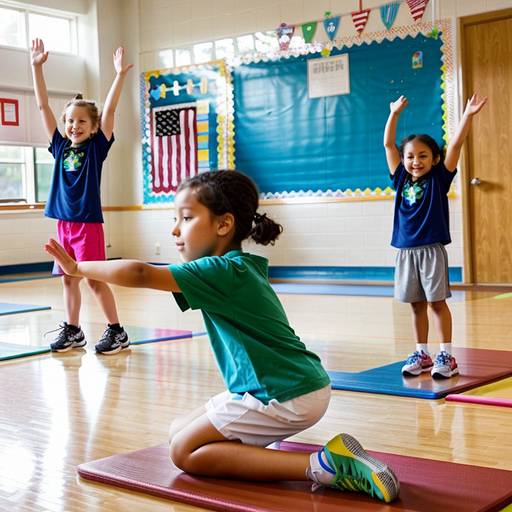
This lesson plan for 1st graders focuses on introducing students to the concepts of fitness and flexibility through engaging and interactive activities. The class begins with a warm-up involving simple movements to get students active and ready to learn. A discussion highlights the importance of flexibility and stretching.
Students participate in various stretching stations, each featuring a different stretch that targets specific parts of the body. This is followed by a fun relay race where they perform designated stretches at each station before moving on to the next. The lesson concludes with a cool-down session that incorporates deep breathing and gentle stretches, promoting relaxation and recovery.
Throughout the class, the teacher assesses student engagement and understanding through observation and questions. The lesson also includes modifications for students with limited mobility, ensuring everyone can participate. To further reinforce learning, students are encouraged to create a "Stretching Chart" at home to share in the next class.
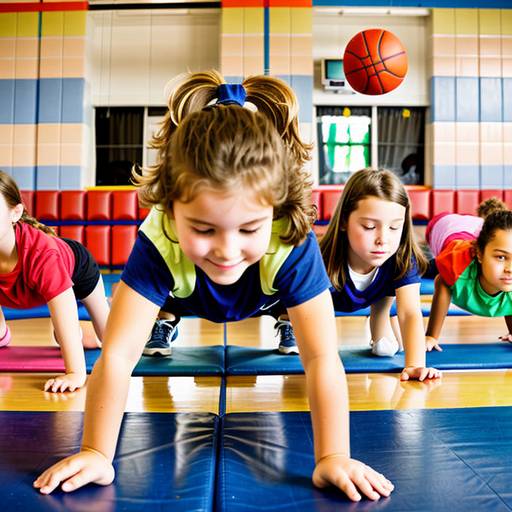
In this 60-minute physical education lesson for 5th graders, students will explore the importance of flexibility and engage in various stretching activities to enhance their overall fitness. The lesson begins with a dynamic warm-up set to upbeat music, followed by a discussion on the benefits of flexibility.
Students will then rotate through five stretching stations, each focusing on different muscle groups and types of stretches, allowing them to practice techniques safely and effectively. To further reinforce the concepts learned, an interactive game called “Stretch Tag” will be introduced, encouraging students to apply their stretching skills while having fun.
The lesson concludes with a guided cool-down session where students will relax their muscles and reflect on what they learned about flexibility. This engaging approach not only helps students understand the significance of stretching but also fosters a positive and inclusive environment for physical activity. Assessments will be made through observation of student participation and technique during activities, along with reflective discussion at the end. Overall, the lesson promotes healthy habits that students can incorporate into their daily routines.


In this engaging 60-minute language arts lesson for 3rd graders, students focus on improving their reading fluency through expressive reading and understanding punctuation. The lesson begins with a warm-up activity involving reading a silly sentence aloud, setting a fun tone while introducing the concept of fluency, which encompasses speed, accuracy, and expression. Students review key punctuation marks and their impact on reading style.
For guided practice, students pair up to read short stories or poems, providing each other with feedback using a Fluency Checklist. They are challenged to read their passages multiple times to enhance their fluency. During independent practice, students work on a worksheet that includes a short passage to read silently before practicing aloud, with a focus on emphasizing punctuation.
The lesson concludes with a group discussion reflecting on their learning experiences and setting personal goals for future reading. Informal assessments take place throughout the lesson, with extension activities planned for further practice and enjoyment of reading. This interactive approach aims to build confidence and a love for reading among students.
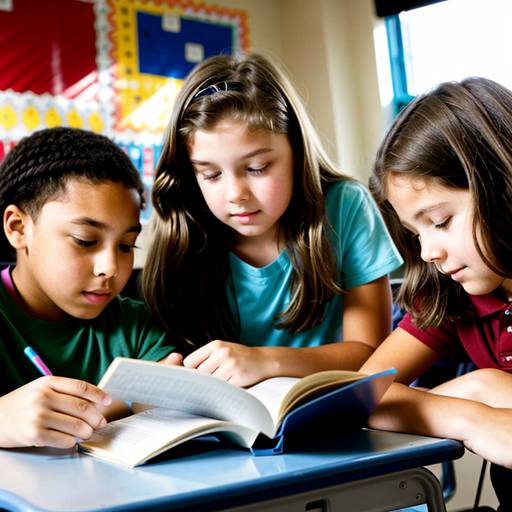
This 5th-grade Language Arts lesson focuses on improving reading fluency through interactive and engaging activities. Students will learn about the components of fluency, including speed, accuracy, and expression. The lesson begins with an introduction to reading fluency, followed by a guided practice session where students read short texts in pairs, emphasizing the role of punctuation. For independent practice, students work on fluency worksheets, reading selected passages multiple times to enhance their skills. Following this, they perform chosen passages for their classmates, using a rubric to provide and receive constructive feedback. The lesson concludes with a reflection on their learning experiences and strategies for continuing to improve fluency at home. Assessment includes evaluating worksheets, peer performances, and reflections, while accommodations are provided for diverse learners to ensure an inclusive environment. Overall, the activities are designed to foster both reading skills and a love for literature.
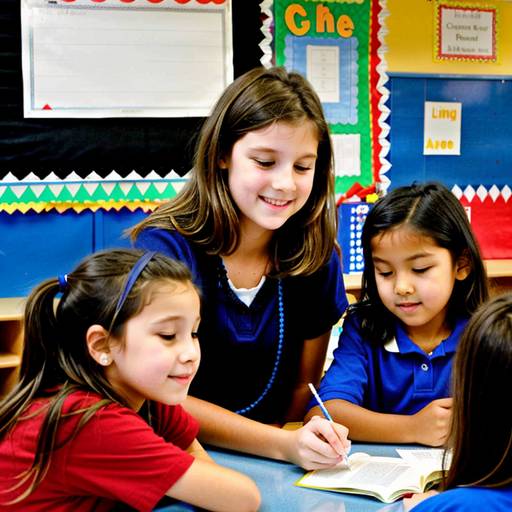
In this 1st-grade language arts lesson, students focus on improving their reading fluency through engaging activities centered around a familiar story. The lesson begins with an introduction to reading fluency, where students listen to a read-aloud of the chosen story, followed by the exploration of key sight words using word cards.
Students then participate in partner reading, taking turns reading the story aloud to each other, which allows them to practice smooth and expressive reading while discussing the story to enhance comprehension. Each student tracks their fluency progress on a chart, and the lesson concludes with a group reflection on their experiences, reinforcing the importance of regular reading practice.
Differentiation strategies are implemented to support varying reading levels, ensuring all students feel confident and engaged. Optional extensions encourage students to express their understanding through drawing and sharing their own stories in future lessons. Overall, the lesson aims to foster a love for reading while developing essential fluency skills.
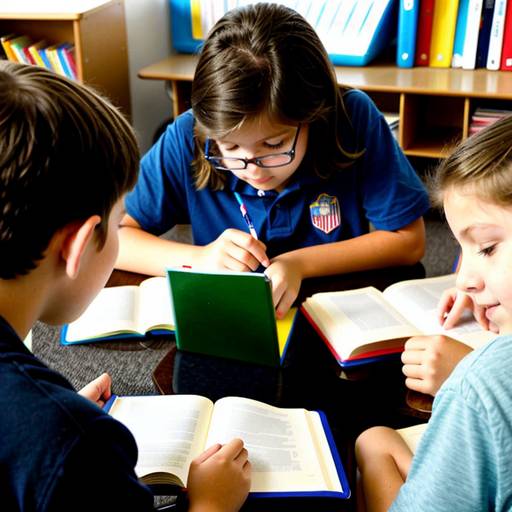
In this 4th-grade Language Arts lesson, students focus on improving their reading fluency through collaborative activities. The lesson begins with a discussion about reading fluency and a modeling session where the teacher demonstrates fluent reading. Students are then paired up and engage in a timed reading exercise, taking turns reading a selected text while providing feedback to each other using fluency tracking sheets.
After practicing their reading, the class reconvenes to discuss the text, answering comprehension questions that require them to reference specific details. Students complete a written response to further demonstrate their understanding of the material. Throughout the lesson, teachers monitor students’ progress and provide support as needed.
The lesson aims for students to leave with enhanced reading skills and a better understanding of the text, while also encouraging them to continue practicing their reading fluency at home. Differentiation strategies are included to cater to varying reading levels among students.
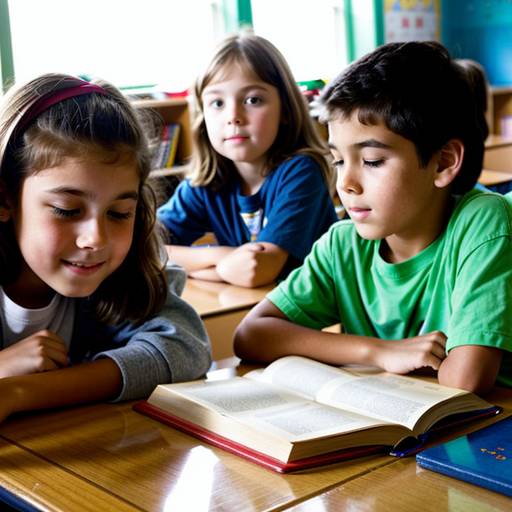
This 2nd-grade language arts lesson focuses on enhancing reading fluency and comprehension through character exploration in a selected story. Students will engage in partner reading, practicing expressive reading as they take turns sharing the text aloud. Following their reading, the class will discuss the main characters, noting their traits and how these traits influence the story's plot. To solidify their understanding, students will create character drawings, including a chosen trait and a corresponding explanation. The lesson encourages collaboration, creativity, and independent practice at home, allowing students to improve their fluency and comprehension skills in a fun and interactive way. Assessment will involve observing students during reading activities and reviewing their completed character charts and drawings. Differentiation strategies will be implemented to support diverse reading levels within the classroom.

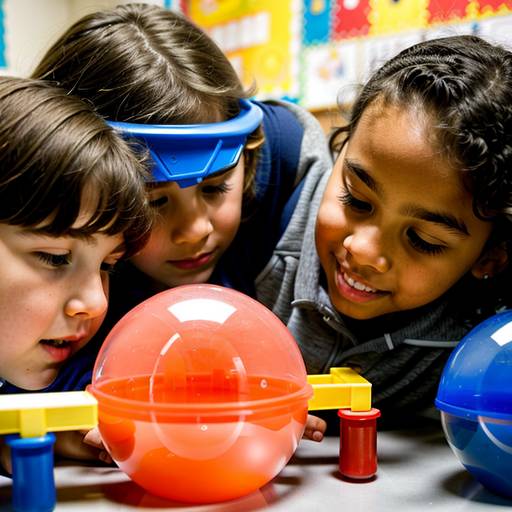
This 3rd-grade science lesson focuses on the concepts of pushes and pulls as fundamental forces. The lesson begins with an engaging introduction to the definitions of these forces and their roles in everyday life, prompting students to share their experiences. Following direct instruction that includes visuals highlighting different forces, students are divided into small groups to conduct a hands-on experiment with toy cars and ramps. They test the effects of pushing and pulling the cars, both with and without added weights, while recording their observations. The class then reconvenes to discuss each group's findings and insights about the ease of pushing versus pulling. To conclude the lesson, students complete a worksheet summarizing their learning, which serves as an assessment of their understanding. The lesson allows students to grasp the practical implications of forces in their daily lives, setting a solid foundation for future exploration in physical science.
In this 5th-grade science lesson, students will explore fundamental concepts of physical science, focusing on forces and motion. The lesson begins with an engaging video showcasing various forces in everyday life, followed by a class discussion where students share their observations of forces in action. Key concepts such as gravity, friction, and the distinction between push and pull are introduced with visual aids.
Students will then participate in a hands-on experiment where they work in small groups to investigate how adding weight affects the distance a toy car travels down a ramp. They will set up their ramps, conduct trials, record data, and analyze their results. Afterward, groups will share their findings with the class, discussing the implications of their experiments and how different forces impacted their outcomes.
The lesson encourages collaboration and critical thinking, as students reflect in their science journals on their experiments and learn how understanding forces influences their daily lives. Extensions for advanced learners are included to deepen their understanding of balanced and unbalanced forces, along with a homework assignment that reinforces real-world applications of the concepts learned. Overall, this lesson fosters a hands-on, inquiry-based approach to learning about forces in physical science.
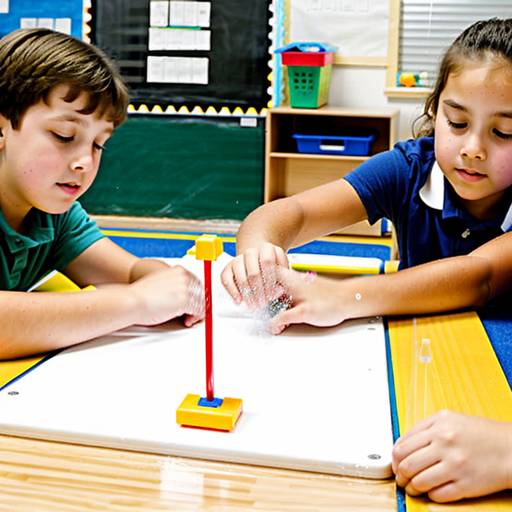
In this 4th-grade science lesson, students will explore fundamental concepts of forces, specifically focusing on pushes, pulls, and the role of friction. The lesson begins with an engaging discussion to elicit student experiences related to motion and forces. Following this, key terms and concepts will be introduced, including friction's impact on the movement of objects.
Students will then participate in a hands-on experiment where they will test how various textured surfaces affect the speed of toy cars. Working in small groups, they will measure the time it takes for the cars to travel a certain distance on different surfaces and record their observations. This activity fosters teamwork and enhances understanding through practical application.
After the experiment, students will regroup to discuss their findings, providing insights into how friction influences motion. To conclude, they will reflect on their learning and pose any remaining questions on an exit slip. The lesson emphasizes interactive learning and critical thinking, helping students grasp essential physical science principles while making real-world connections. Adaptations and extensions are provided to support diverse learners and encourage further exploration of related concepts.