
Filters
Level
Grade
Subject
Subject Area
Subject Topic
Standard(s)
Audience
Keyword
DurationMinutes
Elementary School Lesson Plans

This lesson plan is designed for 5th-grade students to enhance their understanding of digital citizenship and online safety. The lesson begins with a discussion about students' online activities, transitioning into a video that covers essential safety concepts. Students then explore the idea of digital footprints and their implications through group discussions, followed by an interactive activity where they analyze different online scenarios to devise safe and responsible solutions. The class concludes with a comprehensive wrap-up that highlights key takeaways and encourages personal reflection on improving online safety practices. Assessment of learning occurs through participation, group work, and individual reflections. An extension activity invites students to create digital posters to share online safety tips with their peers, promoting a safer digital environment for all.
In this 5th-grade technology lesson, students will explore the concept of digital footprints and the importance of safeguarding their privacy online. The lesson begins with a discussion about what a digital footprint is and how it is formed, followed by a short video that illustrates the significance of maintaining privacy in the digital world.
After the video, students will engage in a class discussion about safe versus unsafe information to share online, examining the implications of their online actions. They will then work in pairs to analyze various scenarios that pertain to online sharing, identifying which actions are safe or unsafe.
To conclude, students will create a Personal Online Safety Action Plan outlining strategies to protect their privacy and safe online behaviors. The lesson wraps up with students sharing their action plans with the class, reinforcing the importance of responsible digital citizenship and making informed choices while interacting online. Throughout the lesson, students will gain valuable insights into their digital presence and the impact of their online actions, fostering a sense of responsibility as they navigate the internet.
This lesson plan focuses on teaching 4th-grade students the principles of digital citizenship and raising awareness about cyberbullying. The lesson engages students through discussions, interactive activities, and group scenarios that illustrate various forms of cyberbullying. Students will learn to define digital citizenship, identify the impacts of cyberbullying on individuals and communities, and explore effective strategies for prevention and intervention.
The lesson includes a guided activity where students work in groups to analyze real-life cyberbullying situations, followed by class discussions to foster understanding and empathy. To conclude, students will reflect on their learning by completing a worksheet that encourages them to think about how they can contribute positively to the online community. Overall, the lesson aims to empower students with the knowledge and skills necessary to navigate the digital world responsibly and supportively.
This 5th-grade technology lesson focuses on helping students understand digital citizenship and the issue of cyberbullying. The lesson begins with a group discussion to define digital citizenship and its significance in today’s online environment, followed by an introduction to cyberbullying, including its various forms and impacts on individuals.
Students will watch a short video illustrating cyberbullying and participate in small group activities where they role-play scenarios related to the topic. This exercise encourages them to depict both the bullying incident and a respectful response, promoting positive online behavior.
The lesson concludes with individual reflections in which students express how they can exemplify good digital citizenship and combat cyberbullying. Students will also create awareness posters to reinforce the lesson's concepts in the classroom. By the end of the session, students will have gained valuable insights into responsible online behavior and strategies for addressing cyberbullying.

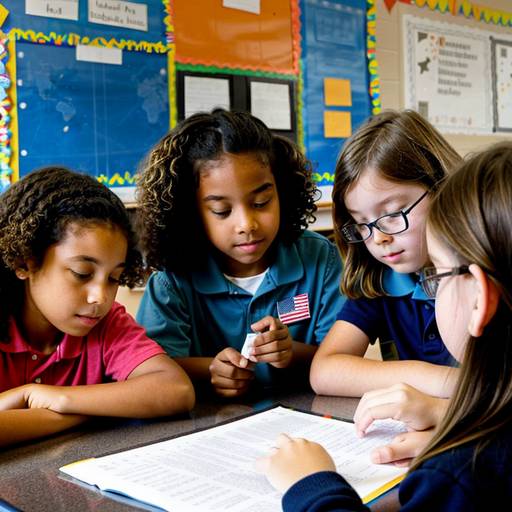
In this 4th-grade science lesson, students will explore the concepts of energy, focusing on kinetic and potential energy through hands-on activities. The lesson begins with a discussion about energy types, followed by a fun balloon rocket activity where students observe how air escaping transforms potential energy into kinetic energy. Next, students work in groups to set up ramps and test how the height of a ramp affects the motion of toy cars, recording distance traveled and time taken. This encourages them to analyze data and draw conclusions about energy transformation. The lesson concludes with a group sharing session, reinforcing the principles learned and introducing the idea of energy conservation. Students are assessed informally through participation and their science journals, with extensions provided for those looking to further their understanding. The lesson incorporates collaborative learning and critical thinking, helping students to grasp fundamental physical science concepts.
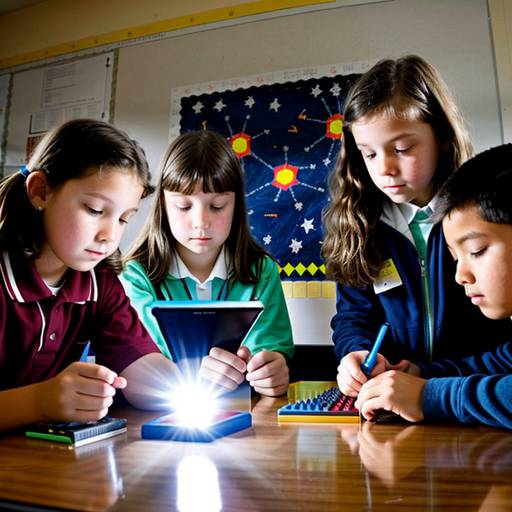
In this 5th grade physical science lesson, students will explore various forms of energy, including kinetic, potential, thermal, and electrical energy, while understanding the concept of energy transformation. The lesson begins with a discussion on the importance of energy in daily life, followed by an overview of different energy types.
Students will engage in hands-on experiments that allow them to witness energy transformation. First, they will use balloons and ramps to observe how potential energy converts to kinetic energy. Then, they will create a simple electrical circuit with light bulbs to explore how electrical energy can be transformed into thermal and light energy.
Following the experiments, the class will engage in a group discussion, sharing their observations and summarizing key points about energy transformation. Students will also be tasked with identifying examples of energy transformation in their own lives for further reflection in their science journals.
Assessment will involve observation of student participation in discussions and experiments, along with reviewing worksheets and homework assignments to gauge understanding. Extension activities will encourage creativity and exploration in energy applications. The lesson concludes with a reflection on student engagement and understanding to inform future instruction.
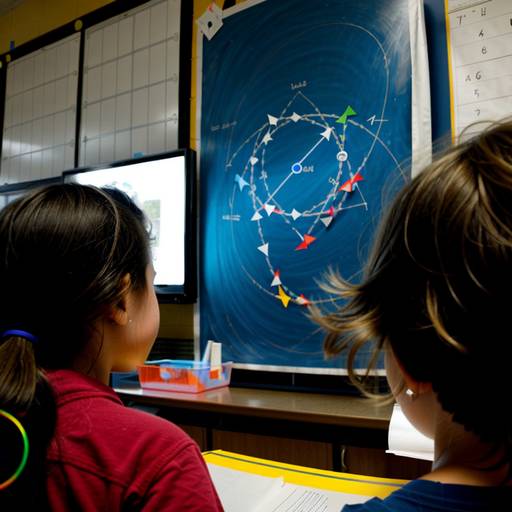
In this 5th grade science lesson, students will explore the concepts of energy, force, and motion. They will learn about potential and kinetic energy through discussions and demonstrations, reinforcing how energy is transformed and transferred. Students will work in small groups to conduct a hands-on experiment involving ramps and toy cars. They will measure the height of the ramp, launch the toy cars using rubber bands, and record data on the distance traveled and time taken. This activity encourages collaboration and critical thinking as students analyze their findings and discuss the relationships between height, energy, and speed. The lesson wraps up with a review of the data and concepts learned, alongside an assessment that includes worksheets and an exit ticket to gauge individual understanding. Extensions and additional resources are provided to reinforce learning for all students.
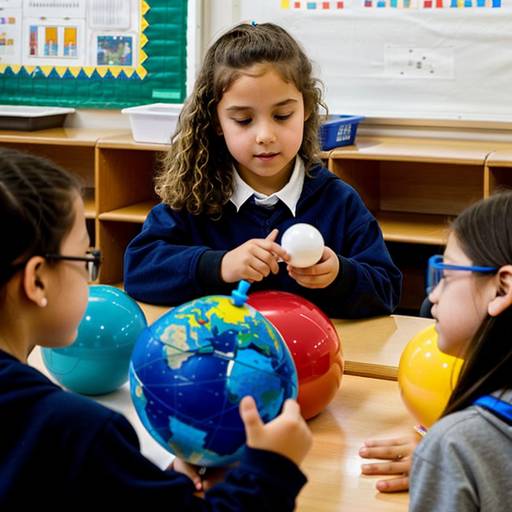
This 2nd-grade science lesson focuses on introducing students to the concepts of push and pull as forces that cause movement. The lesson begins with a discussion where students share their experiences and observations about pushing and pulling objects. Following this, the teacher provides a direct instructional segment using toy cars and balls to demonstrate how these forces create movement and involve energy.
Students then participate in a hands-on experiment, working in small groups to test different degrees of pushes and pulls on toy cars and balls rolled down ramps. They will measure the distance traveled and document their observations. Throughout the experiment, students will engage in discussions within their groups about their findings. The lesson concludes with each group sharing their discoveries with the class, reinforcing their understanding of how pushes and pulls affect energy and movement in real-life scenarios.
Assessment will be based on student participation, the quality of their recorded observations, and their ability to articulate the relationship between forces and energy. There are opportunities for extension activities and differentiation to support diverse learners, ensuring that the lesson is engaging and accessible for all students.
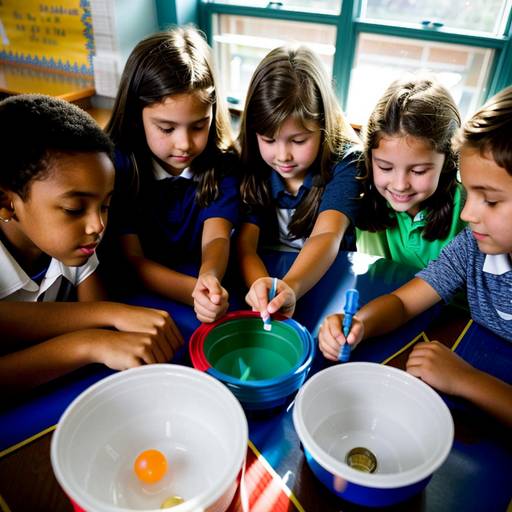
In this engaging 3rd-grade science lesson, students will explore the concept of energy and its various forms, focusing on how energy can transform from one type to another. The lesson will begin with a discussion to pique students' interest and gather their initial thoughts about energy in everyday life. Following this introduction, students will learn about different forms of energy, such as kinetic, potential, thermal, and electrical, through direct instruction.
The main part of the lesson will involve hands-on activities at various stations. Students will participate in experiments that demonstrate energy transformations, including a balloon rocket, a solar-powered toy car, and a flashlight. This interactive approach will help them observe and understand the principles of energy transformation in real-time. After the activities, students will regroup for a class discussion to share their observations and insights.
To reinforce learning, each student will complete a worksheet where they can illustrate or describe an energy transformation they witnessed during the session. The lesson concludes with a review of the key concepts, encouraging students to articulate their understanding of energy and its transformations. Through this lesson, students will develop a foundational comprehension of energy, its types, and transformations in a fun and interactive manner.

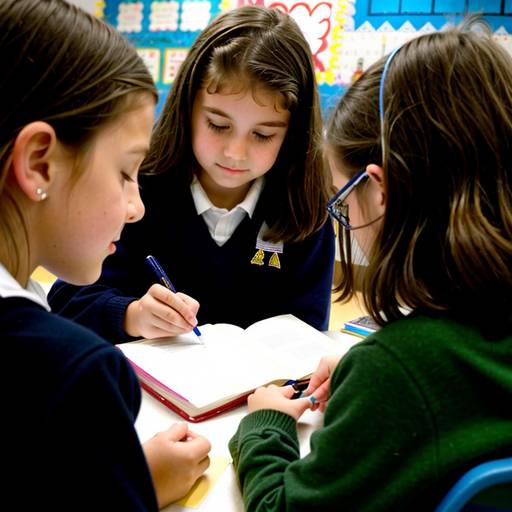
In this 3rd-grade language arts lesson, students will learn about persuasive writing and its key elements, including forming an opinion, providing supporting reasons, and crafting a call to action. The lesson begins with a discussion about experiences with persuasion, followed by an examination of a persuasive letter to identify effective techniques. Students will then use a graphic organizer to plan and structure their own persuasive letters on topics they are passionate about. After drafting their letters, they will have the opportunity to share their work with classmates. The lesson concludes with a reflective discussion about the persuasive writing process. Assessment will focus on the students' understanding of the persuasive writing components through both their graphic organizers and written letters.