
Filters
Level
Grade
Subject
Subject Area
Subject Topic
Standard(s)
Audience
Keyword
DurationMinutes
Elementary School Lesson Plans

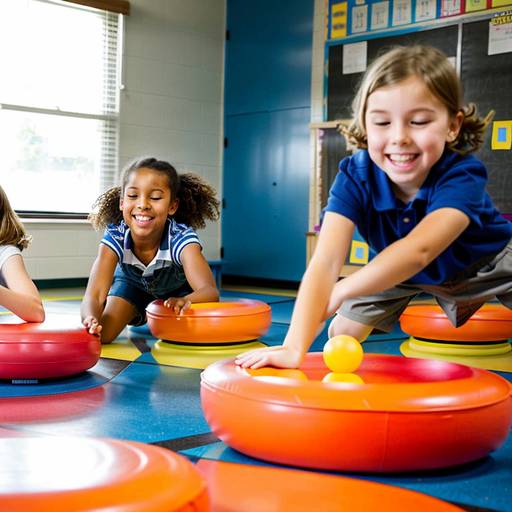
In this 2nd-grade science lesson focused on physical science, students will explore the concepts of energy and motion through engaging activities. They will learn about two main types of energy: kinetic energy, which is the energy of motion, and potential energy, which is the stored energy of position. The lesson begins with a discussion to elicit students' ideas about energy, followed by demonstrations showcasing the conversion of potential energy into kinetic energy using a ramp.
Students will then engage in a hands-on experiment in small groups, using different types of balls (rubber and ping pong) to observe how height affects the distance traveled when rolled down a ramp. They will predict outcomes, measure distances, and record their findings, fostering teamwork and critical thinking skills. The lesson concludes with a class discussion, where students share their observations and reflect on how energy was demonstrated during the activities. Assessment will be based on participation, collaboration, and the accuracy of their recorded results. Extensions for further exploration of energy in everyday life are suggested for future lessons.

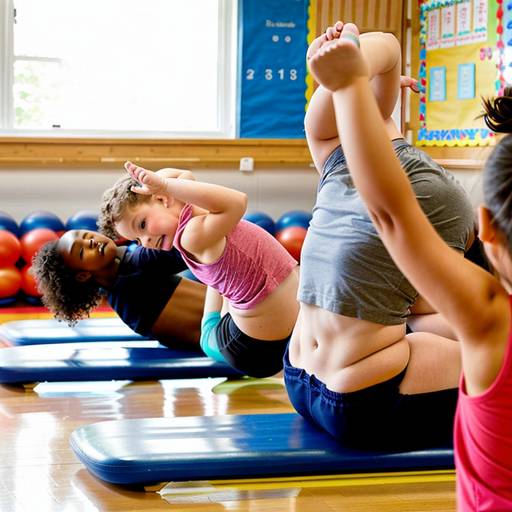
This Kindergarten Physical Education lesson focuses on introducing students to fitness and flexibility through engaging activities. The session begins with a brief discussion on the importance of fitness and stretching, followed by a fun warm-up routine that activates their bodies. Students participate in flexibility stations, where they practice various stretching techniques in small groups. Next, they engage in a lively bouncy ball relay that promotes physical activity and teamwork. The class concludes with a calming cool down, including deep breathing and gentle stretches to relax their bodies. Finally, a reflection circle helps reinforce what they learned and encourages the continuation of flexible practices at home. Overall, the lesson aims to create a positive and enjoyable environment while promoting physical health and well-being among young learners.

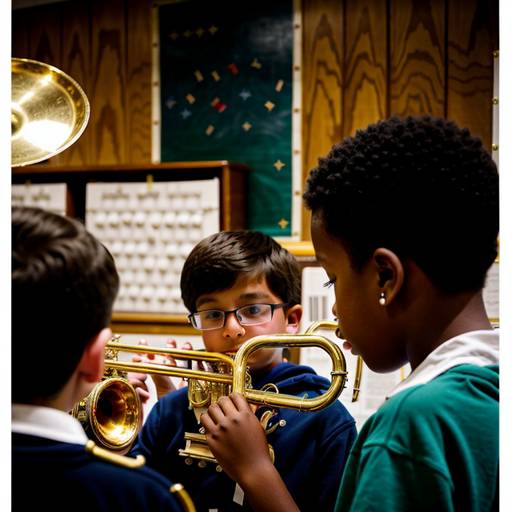
In this 5th-grade music lesson, students will explore the world of brass instruments, learning to identify various types such as the trumpet, trombone, tuba, and French horn. The lesson begins with an interactive introduction that includes listening to audio samples, allowing students to connect sounds with the instruments. Students will engage in a discussion on how sound is produced in brass instruments through the buzzing of lips and the use of valves or slides.
As the lesson progresses, students will participate in a group listening activity, analyzing a piece of music featuring brass instruments and noting their distinct sounds. They will then complete worksheets that involve identifying and learning interesting facts about each instrument. To reinforce their understanding, students will have the opportunity to engage in a creative activity where they can draw their favorite brass instrument.
The lesson concludes with a recap of key concepts and an opportunity for students to share what they learned. Assessment will be based on their participation, completed worksheets, and creative projects. This engaging approach promotes both knowledge and appreciation for brass instruments while encouraging collaboration and creativity in the classroom.
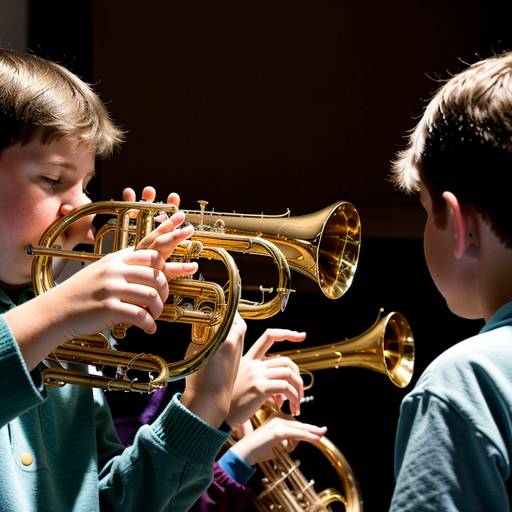
In this lesson plan designed for 5th-grade students, the focus is on exploring and understanding brass instruments. The session begins with an introduction to various brass instruments, including their characteristics and roles in music. Students will listen to music featuring these instruments, identifying the sounds while discussing their functions in different musical contexts.
Following the listening activity, students will engage in a hands-on demonstration where they can see and, if available, hold real or replica brass instruments. They will learn how sound is produced through buzzing lips and the use of valves or slides. In a creative group activity, students will work together to mimic the sounds of brass instruments using voice and rhythm, allowing them to express their understanding of how these instruments function.
The lesson will conclude with a reflection on their learning, where students will share their favorite brass instruments and interesting facts. Assessment will be based on participation and completion of a worksheet. Opportunities for extension include inviting a professional musician or organizing a trip to a brass ensemble concert, further enriching students' appreciation for brass instruments and music as a whole.
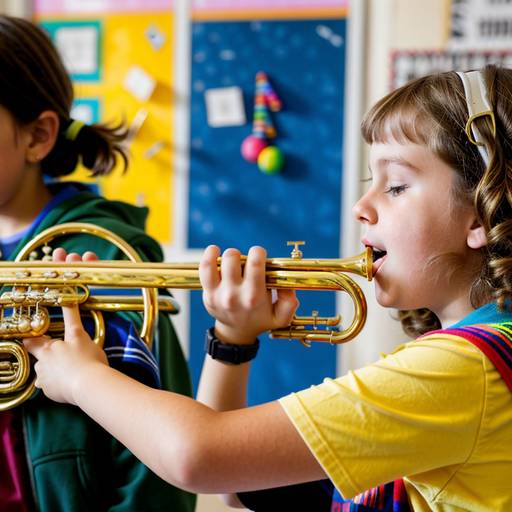
In this engaging 5th-grade music lesson, students will explore the world of brass instruments, including how they produce sound and their significance in various musical genres. The lesson begins with an introduction to different brass instruments through pictures, videos, and sound samples, encouraging students to describe their characteristics. Students will then learn about the science behind sound production in brass instruments, followed by a discussion on the role these instruments play in genres like jazz, classical, and pop music.
The hands-on activity allows students to practice playing simple melodies or rhythms, either on available brass instruments or with kazoos, fostering a collaborative experience as they create short ensemble performances. The lesson concludes with reflections on what they learned, promoting critical thinking and appreciation for brass instruments in music. Assessment will focus on participation and completion of a reflective worksheet, with potential extensions including research projects and field trips to observe brass instruments in action.

In this 4th-grade social studies lesson, students will explore the concept of westward expansion in American history. They will begin with a discussion about pioneers, sharing their prior knowledge, followed by a short video introduction on the topic. The lesson will provide insights into the motivations behind westward migration, the challenges faced by pioneers, and the effects on indigenous populations.
Students will engage in a group activity where they will research specific aspects of pioneer life and the routes taken during this period. Following this, they will individually write a journal entry from the perspective of a pioneer, reflecting on their experiences, emotions, and challenges encountered during the journey.
To conclude, students will share their journal entries and participate in a reflective discussion about their learnings. The lesson will be assessed through student participation and the content of their journal entries, with opportunities for extension activities, such as guest speakers, to deepen their understanding of the historical context.
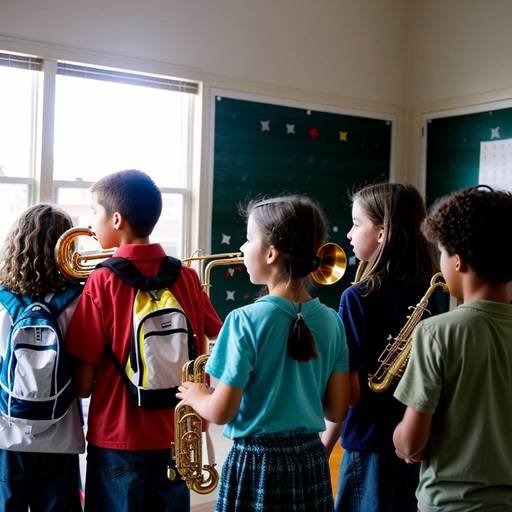
This 4th-grade music lesson focuses on introducing students to wind instruments and how they produce sound. The lesson begins with an interactive discussion, where students explore various wind instruments through pictures and share their prior knowledge. They then participate in a listening activity, where they hear audio clips of different instruments and articulate their impressions. The teacher demonstrates a wind instrument, explaining the technique for sound production, and if available, students can practice playing simple notes on recorders. A creative component allows students to illustrate their favorite wind instrument and identify various instruments discussed in class. The lesson concludes with a sharing session and a recap of key concepts. Assessment is based on student participation, completion of the worksheet, and ability to engage in sound production activities. Extensions include inviting a guest musician and organizing a "show and tell" day for further engagement with wind instruments. Overall, the lesson fosters appreciation and understanding of wind instruments in a fun and interactive manner.
In this 5th-grade social studies lesson, students will explore key historical events that have shaped the United States and their significance in contemporary society. The lesson begins with group activities where students select and discuss various historical events, emphasizing their importance. This is followed by class presentations to share insights and a collective discussion on the connections between past and present.
For the second class period, students will research a chosen event in depth and create a visual timeline in collaborative groups. They will organize the events either chronologically or thematically while incorporating creative elements. The lesson culminates in group presentations of the timelines, fostering collaborative learning and reinforcing their understanding of how historical events continue to influence society today. The assessment will focus on participation, group collaboration, and the accuracy and creativity of the final timelines. Modifications and extensions are included to cater to diverse learning needs and enhance student engagement.

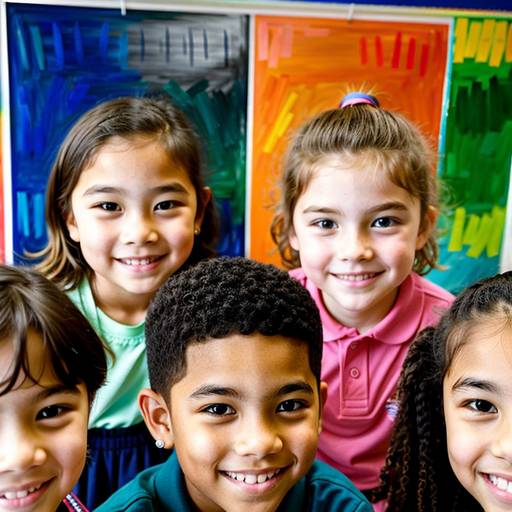
In this 1st-grade art lesson, students will explore the concepts of primary and secondary colors through hands-on painting activities. The lesson begins with a discussion about colors, encouraging students to share their favorites and observe the colorful world around them. A demonstration will follow, where the teacher showcases how to mix primary colors (red, blue, yellow) to create secondary colors (green, orange, purple), using a color wheel for visual reference.
In guided practice, students will create blocks of color on their construction paper, painting sections with both primary and mixed secondary colors. Following this, they will have the opportunity to independently create their own artwork using the colors they've made, allowing them to express their creativity.
The lesson wraps up with a sharing session where students present their artworks and explain the colors they've used. Assessment will focus on their engagement with the materials, understanding of color mixing, and the final artwork produced. Adaptations are available for varying skill levels, ensuring all students can participate and enjoy the exploration of color in art.
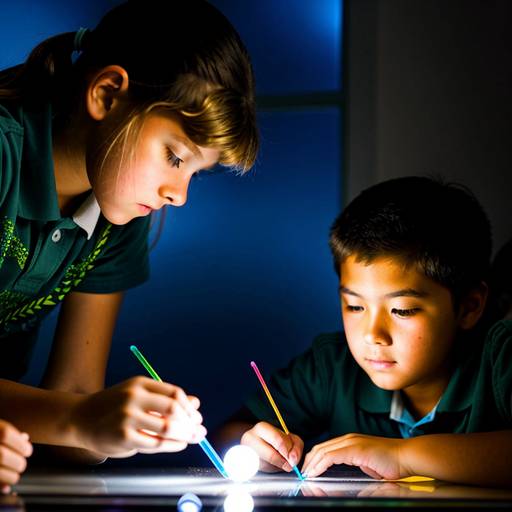
In this 4th-grade art lesson, students will explore the fascinating world of glass art and learn about the unique properties of glass, particularly how it interacts with light. The lesson begins with a discussion and visual presentation of various glass art forms, such as stained glass and blown glass. Students will then engage in a hands-on activity where they create their own artworks using colorful cellophane and plastic sheets, simulating the effects of light and color found in glass art.
Through guided practice, students will sketch their design ideas and learn techniques for layering materials to achieve depth and vibrancy. As they work independently, they will finalize their projects and observe how light reveals the beauty of their creations. The lesson concludes with a sharing session where students present their artwork, explaining their design choices and reflecting on their learning experience.
The lesson emphasizes creativity, critical thinking, and an appreciation of art while providing opportunities for future exploration and connection to local art resources. Adjustments and extensions are available to accommodate different skill levels and enhance the learning experience.