
Filters
Level
Grade
Subject
Subject Area
Subject Topic
Standard(s)
Audience
Keyword
DurationMinutes
Elementary School Lesson Plans


In this engaging 4th-grade music lesson, students will explore the basics of music theory by learning to identify and name musical notes on the treble staff. The lesson begins with a discussion on the importance of note names and the treble clef. Students will then learn about the musical alphabet (A through G) and how it corresponds to the lines and spaces of the staff, using mnemonic devices for easy recall.
Through a fun note-naming game, students will work in groups to reinforce their understanding by identifying notes on flashcards. They will also engage in a creative activity where they draw notes on sticky squares and label them, encouraging artistic expression alongside musical learning. The lesson concludes with a review of key concepts, promoting a collaborative discussion on what students found easy or challenging. Assessment will be based on participation, accuracy in labeling, and creativity in the drawing activity.
Overall, this lesson provides an interactive and enjoyable way for students to build foundational skills in music theory.

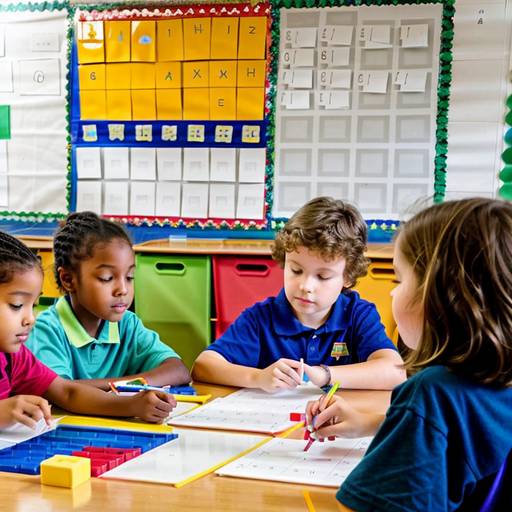
This lesson plan focuses on teaching first-grade students the concept of addition using single-digit numbers. It aims to build a foundational understanding of addition through interactive activities and visual aids. The lesson begins with a discussion on the relevance of addition in daily life, followed by direct instruction where students observe and participate in combining groups using manipulatives. Guided practice allows students to work in pairs, reinforcing their skills through collaborative problem-solving. Independent practice includes using addition story mats and worksheets to solidify their learning. The lesson concludes with a recap of key points and an emphasis on counting and grouping. Assessment is conducted through observation and review of student work. Additional activities provide further opportunities for practice, and differentiation strategies cater to various learning needs. Overall, the lesson promotes engagement and understanding of addition in a fun and relatable manner.
In this Kindergarten math lesson, students will explore the concept of addition using single-digit numbers through engaging and interactive activities. The lesson begins with a warm greeting and an engaging storybook that introduces basic addition concepts. The teacher will then model addition using manipulatives while explaining the process of combining groups.
Students will be divided into small groups where they will create and solve their own addition problems using counting manipulatives, promoting teamwork and critical thinking. Afterward, they will illustrate their problems through drawings, showcasing their understanding of addition visually.
The lesson will conclude with a recap of key concepts and an exit ticket activity to assess individual understanding. Various check-ins and adjustments ensure that students of different proficiency levels receive the support they need. Finally, follow-up activities will encourage students to reinforce their skills at home and in math centers, making the learning experience comprehensive and collaborative.
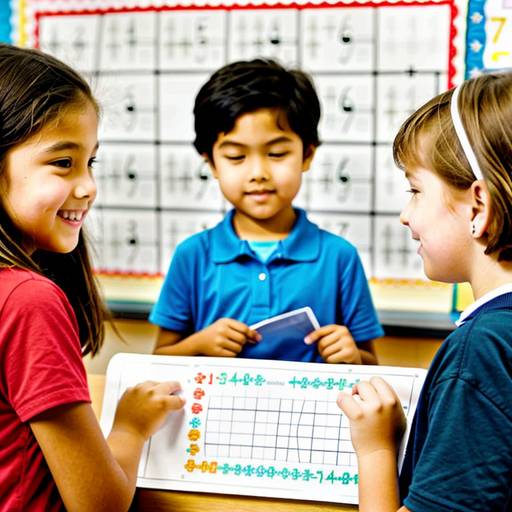
In this 2nd-grade math lesson, students will explore addition using a number line as a visual and practical tool. The lesson begins with a brief review of addition concepts, followed by a demonstration of how to use a number line to solve an addition problem. Students will participate in guided practice by solving example problems together, utilizing their own individual number lines. After that, they will engage in independent practice by completing worksheets that involve various addition problems, reinforcing their understanding of the concept. To conclude the lesson, students will share their answers and methods with the class, allowing for discussion and reinforcement of the importance of the number line in addition. Continuous assessment will be conducted through observation and worksheet evaluation, with accommodations provided for differing learning needs. Extensions include introducing two-digit addition or using technology to further enhance understanding.
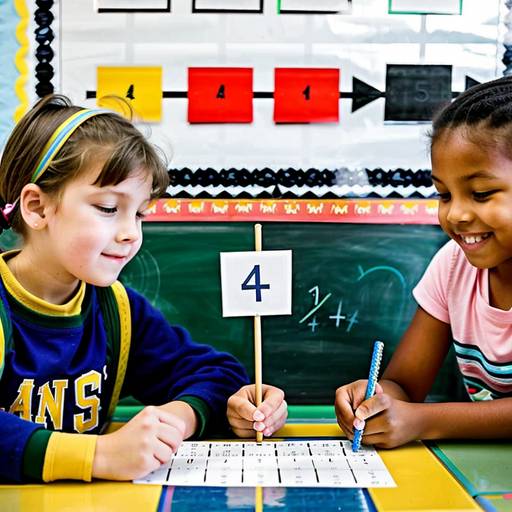
In this 2nd-grade math lesson, students will explore the concept of addition using a number line. The lesson begins with a review of addition basics, followed by a demonstration illustrating how to use the number line to add numbers by hopping forward. Students will then participate in guided practice, where they work in pairs to solve addition problems on the number line, allowing them to actively engage with the material. Afterward, they will complete independent worksheets featuring several addition problems that encourage them to use the number line for finding sums. The lesson concludes with students sharing their favorite problems and discussing how the number line helped them understand addition better. Assessment will be conducted through observation and collection of worksheets, and adaptations will be made to support varied learning needs, including extensions for advanced students. Overall, the lesson aims to make addition interactive, fostering both understanding and enjoyment among the students.
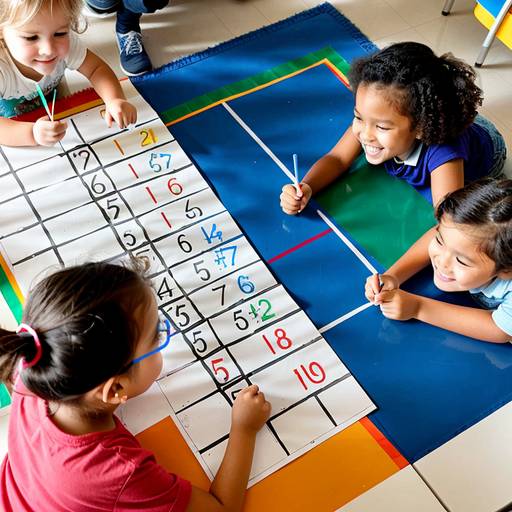
In this Kindergarten math lesson, students will explore the concept of addition using a number line as a visual aid. The primary objective is for students to understand how to add numbers by counting forward on the number line. The lesson begins with a discussion on addition and a demonstration using a large number line to solve simple problems. Students will then engage in guided practice using their individual number lines to solve several addition problems together. Following this, they will work independently with addition flashcards, employing their number lines and counters to visualize their answers. The lesson concludes with a review where some students share their solutions and the strategies they used. Ongoing assessment will take place through observation and collection of the flashcards. Additional activities and extensions are suggested to support and challenge students in their understanding of addition. The lesson emphasizes interactivity and hands-on learning to help students build a solid foundation in math.
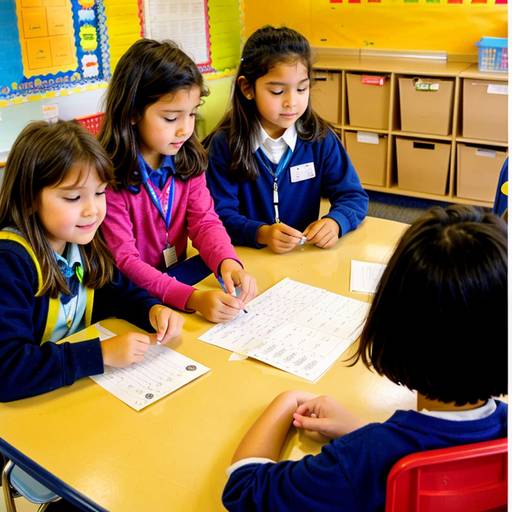
In this 1st-grade math lesson, students will explore addition through engaging word problems. The class will begin with a discussion about addition and its everyday applications, introducing key vocabulary such as total, sum, and together. The teacher will demonstrate the process of solving a word problem using visual aids and manipulatives, guiding students through identifying numbers, recognizing operations, and formulating complete sentence answers.
Students will then work collaboratively in small groups to solve word problems, encouraging teamwork and discussion. Afterward, they will have the opportunity to practice independently with worksheets featuring simple addition word problems, utilizing counters or drawings as needed. The teacher will provide support throughout the activity and assess understanding through observation and review of completed worksheets.
To conclude, the class will reflect on the lesson by sharing solutions, reinforcing the practical importance of addition. The lesson will cater to varying learning levels, with extensions for advanced students and additional support for those needing it, ensuring a comprehensive understanding of addition through word problems.
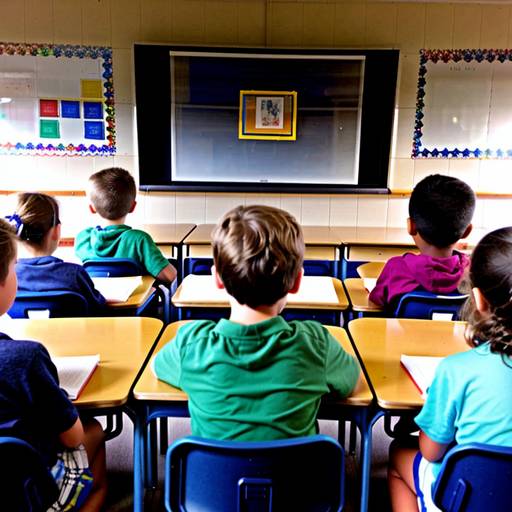
This lesson plan focuses on introducing 3rd-grade students to multimedia creation and digital storytelling. Over two sessions, students will explore the components of multimedia, including text, images, and sound, and learn how to use a digital storytelling tool like Google Slides, PowerPoint, or Canva. In the first session, students will discuss the importance of multimedia in storytelling and work in groups to brainstorm and outline their stories.
In the second session, students will collaborate to create their digital stories using the chosen tool, incorporating various multimedia elements. They will then present their completed projects to the class, allowing them to practice public speaking and engage with their peers through a question-and-answer session. The lesson emphasizes creativity, collaboration, and the development of technological skills, providing students with a comprehensive understanding of digital storytelling. Assessment includes observing group participation and evaluating the presentations based on creativity and clarity. Extensions encourage students to reflect on their learning and explore further multimedia options at home.

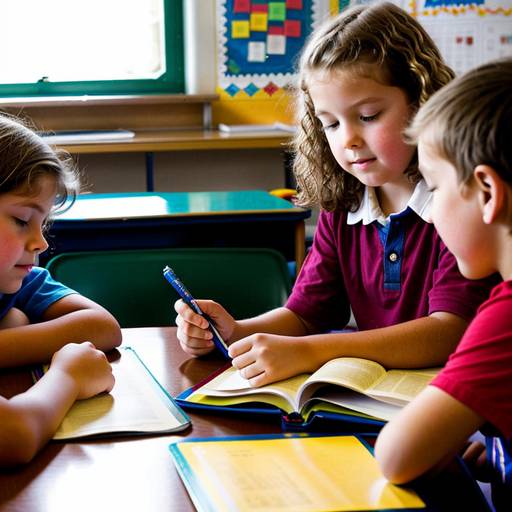
This lesson plan for 3rd-grade language arts focuses on teaching students the fundamental elements of storytelling, including character, setting, conflict, and resolution. The lesson begins with an engaging discussion about favorite stories and characters, and students contribute ideas about what makes a great story. They are then introduced to a story map template that helps them organize their thoughts.
During guided practice, students brainstorm ideas using a story cube, share their story maps with a partner for feedback, and start drafting their own short stories based on their maps. They are encouraged to illustrate their work while writing. The lesson closes with a discussion where students can share snippets of their stories and reflect on their creative process. Assessment includes monitoring participation and reviewing the completed story maps and narratives, focusing on their understanding of storytelling elements. Possible extensions encourage further creativity, such as creating illustrations or sharing stories with others.
In this 3rd-grade Language Arts lesson plan, students will focus on narrative writing by creating their own fairy tales. The lesson begins with a read-aloud of a classic fairy tale, followed by a discussion of its key components: characters, setting, problem, and solution. Students will then complete a story map as a class to analyze these elements. Afterward, they will have time to independently write their own fairy tales, using their story maps as guides and incorporating descriptive language to enhance their narratives. The lesson concludes with an opportunity for students to share their stories with peers, fostering a sense of community and encouraging creativity. Assessment will be based on their written stories, focusing on the narrative structure and use of descriptive details. Extension activities include illustrating scenes from their tales and compiling a class anthology for sharing.