
Filters
Level
Grade
Subject
Subject Area
Subject Topic
Standard(s)
Audience
Keyword
DurationMinutes
5th Grade Social Studies Lesson Plans

In this 5th-grade social studies lesson, students will learn about influential American historical figures who made significant contributions through their innovations and leadership. The session begins with a captivating video showcasing transformative inventions, followed by a discussion that encourages students to share their thoughts on how these figures changed the world. A mini-lecture introduces notable innovators such as Thomas Edison, Rosa Parks, Neil Armstrong, and George Washington Carver.
Students will work in small groups, each researching one assigned figure, focusing on their backgrounds, contributions, and impact on society. They will create a poster that highlights key facts, includes an inspiring quote, and features a portrait of the figure. After completing their posters, the class will engage in a gallery walk, where students will present their findings to their classmates.
The lesson concludes with a reflection activity, where students share what they learned about innovation and its importance in history. An optional homework assignment invites students to write about a modern innovator they admire, inspired by the historical figures studied. Throughout the lesson, students will develop critical thinking and teamwork skills while exploring the legacies of these groundbreaking individuals.
This 5th-grade social studies lesson focuses on exploring the contributions of influential women throughout history. Students will begin with a class discussion to identify notable women who have made significant impacts on society. A slideshow presentation will highlight various historical figures, including Harriet Tubman, Susan B. Anthony, and Rosa Parks, providing students with insights into their achievements and the challenges they faced.
Following this, students will work in small groups to research a specific figure, discussing achievements and societal influence while filling out a structured worksheet. For the independent activity, each student will select a woman to create a visual poster that includes her name, key achievements, a relevant quote, and an illustration representing her work.
The lesson will conclude with students sharing their posters, emphasizing the importance of these historical figures and their lasting influence on modern society. Assessment will focus on participation, group worksheet completion, and the creativity and content of the visual posters. Extensions may include inviting a guest speaker or creating a timeline of significant achievements by women in history.
In this 5th-grade social studies lesson, students will explore the concept of community and the essential rules that help maintain a safe and respectful environment. The lesson begins with an engaging discussion about what makes a community function effectively, leading to an understanding of the necessity of rules. Students will then participate in a brainstorming activity, identifying important rules for their own communities.
In small groups, they will create posters illustrating their selected rules, complete with drawings and explanations. Each group will present their poster to the class, fostering collaboration and public speaking skills. The lesson culminates in a class discussion reflecting on the importance of rules and a personal commitment activity where students write down one rule they pledge to follow. Assessment will focus on participation in discussions, creativity in poster creation, and understanding through presentations. Optional extension activities include inviting community leaders for discussions or creating a formal pledge.
In this 5th-grade social studies lesson, students will explore the Civil Rights Movement through engaging activities designed to enhance their understanding of key events, figures, and the movement's historical context. The lesson begins with a warm-up discussion about civil rights, followed by a presentation that highlights significant figures and major events, such as the Montgomery Bus Boycott and the Civil Rights Act of 1964.
Students will then work in small groups to analyze primary source documents related to assigned events before presenting their findings to the class. The second day focuses on creating a collaborative timeline that incorporates the key events discussed, allowing students to visually connect the significance and interrelationships of the events in the movement.
The lesson concludes with a reflection activity, where students write about their insights and how the historical events relate to contemporary society. Assessment will be based on group participation, presentations, and the completion of reflective writing. Opportunities for extension activities, such as guest speakers or field trips, are also suggested to deepen students' engagement with the subject matter.
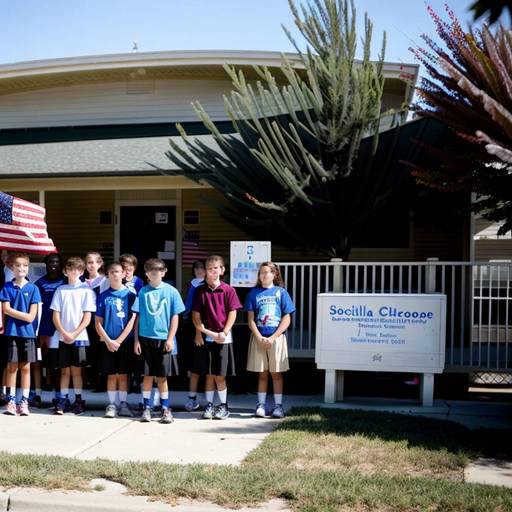
In this fifth-grade social studies lesson, students explore the concepts of community and diversity. The lesson begins with a class discussion to define what makes up a community and the importance of diverse cultures and backgrounds. Students are then divided into small groups to create a visual representation, called a "Community Diversity Map," that highlights various cultural elements present in their neighborhood. Through drawing and collage-making, they reflect on their own backgrounds while appreciating the contributions of their peers.
After completing their projects, each group presents their map to the class, fostering discussion on the significance of diversity and similarities within their community. To conclude, students reflect individually on their learning experience through a worksheet, allowing them to express new insights and ways to celebrate diversity. This engaging lesson aims to promote understanding and appreciation of the unique voices that compose their community.
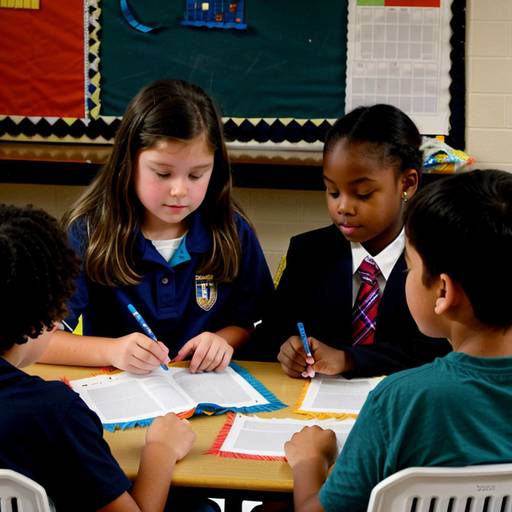
In this 5th-grade social studies lesson, students will explore the various roles within their community and understand the responsibilities associated with each role. The lesson begins with a class discussion that prompts students to identify different roles, such as teachers, firefighters, and city officials, and considers how these roles contribute to community functioning. Following a mini-lecture that provides an overview of key roles and their responsibilities, students will work in small groups to research a specific role assigned to them. They will then create a visual representation, such as a poster or collage, highlighting the importance of their assigned role. The lesson concludes with presentations and a reflection on the significance of community involvement. Assessment will be based on group participation, the quality of visual representations, and involvement in discussions, while extension activities may include inviting community members or organizing field trips to see these roles in action.