
Filters
Level
Grade
Subject
Subject Area
Subject Topic
Standard(s)
Audience
Keyword
DurationMinutes
5th Grade Social Studies Lesson Plans


In this lesson plan designed for 5th-grade social studies, students explore the geography of various countries and their unique features. The lesson spans two class periods, beginning with a warm-up discussion to introduce key geographic vocabulary, including continents, countries, and various landforms like mountains and rivers. Students are divided into small groups, each assigned a different country from various continents.
In the first class, groups research their assigned country using fact sheets and available resources, focusing on geographical aspects such as climate, major landforms, and natural resources. They then create informative posters that visually represent their findings, including maps and illustrations.
During the second class, groups present their posters to the class, sharing what they've learned about their country’s geography and how it influences local culture and lifestyles. The session concludes with a reflective discussion on the impact of geography on daily life. Assessment is based on poster creativity, accuracy, and presentation skills, with extensions available for further exploration of the topic. Modifications are included to support diverse learners, ensuring that all students can engage meaningfully with the material.
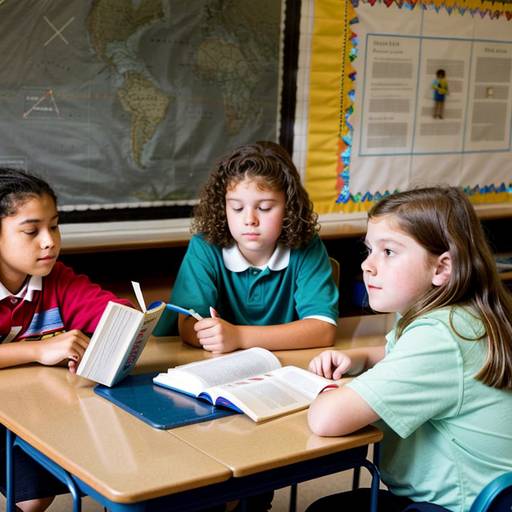
This 5th-grade social studies lesson focuses on important events in U.S. history, emphasizing the significance of understanding our heritage and its relevance to contemporary society. Students will explore selected historical events by analyzing primary sources in small groups, discussing the key figures involved, and reflecting on the impact these events have on current life. Each group will present their findings to the class, fostering discussion and engagement. The lesson concludes with students reflecting on their learning through sticky notes and a brief homework assignment, allowing them to connect history to their personal experiences. By participating in this interactive lesson, students will enhance their understanding of American history and develop critical thinking skills.
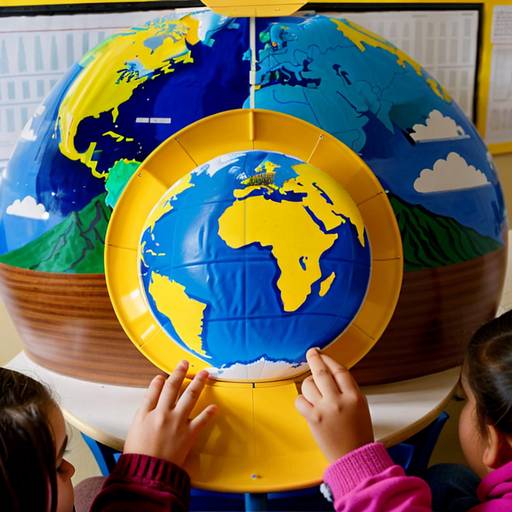
In this two-day lesson plan for 5th graders, students will explore the topic of geography and landforms through both interactive discussions and hands-on activities. The lesson begins with a brainstorming session where students share their existing knowledge about landforms. This is followed by a direct instruction segment that introduces various types of landforms, using pictures and a short video to illustrate their characteristics and formation processes.
On the second day, students will participate in group presentations, allowing them to delve deeper into specific landforms and share their findings with classmates. After the presentations, students will create their own maps—either physical or digital—that feature at least five different landforms. They will label each landform and provide descriptions of their characteristics, fostering creativity and individuality in their projects.
Throughout the lesson, students will actively engage in discussions, collaborate in groups, and apply what they've learned through the map creation activity. Assessment will focus on participation, the creativity of the map projects, and the presentations. Differentiation strategies will be implemented to support various learning needs, ensuring all students can successfully engage with the material. Follow-up activities will reinforce learning while encouraging students to connect their knowledge to their local environment.
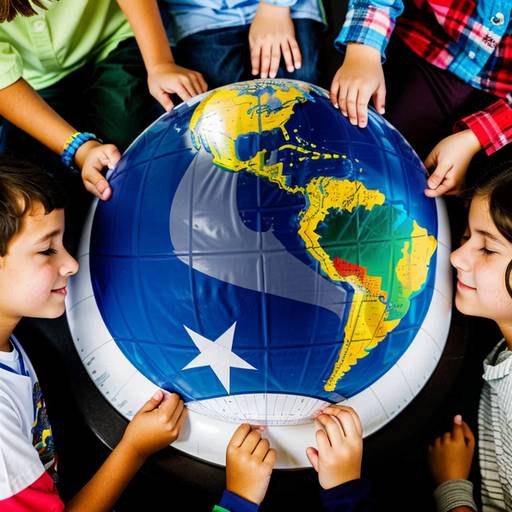
This lesson plan is designed for 5th-grade students to explore the geography of different countries around the world. The objectives include identifying countries on a map, describing significant geographical features, and presenting country profiles to classmates. The lesson begins with an engaging discussion about geography's importance and continues with instruction on map reading and geographical terminology.
Students will work in small groups, each assigned a different country, and will use fact sheets to fill out a country profile worksheet that highlights key geographical elements. After completing their profiles, groups will prepare short presentations to share their findings, using maps to illustrate their points. The lesson concludes with presentations and a summary of the geographical diversity of the world, emphasizing how these features influence cultures. Assessment will focus on group presentations and country worksheets, with opportunities for extension through creating a Geography Wall or organizing a Cultural Fair.
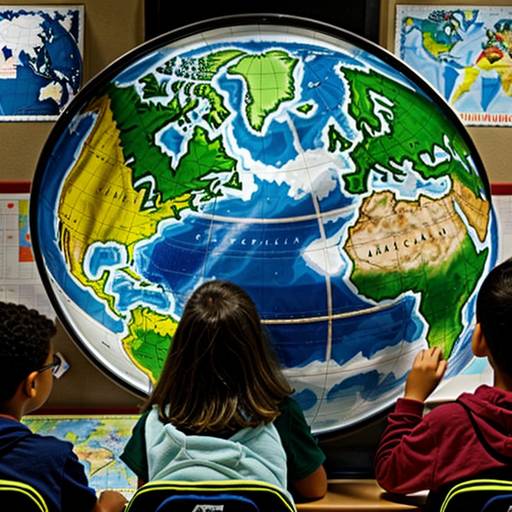
In this 5th-grade social studies lesson, students will explore the fundamental concepts of geography and map features. The lesson begins with a discussion where students share their prior knowledge about maps, followed by an introduction to key map elements such as titles, legends, scales, and compass roses. Students will engage in guided practice by identifying continents, oceans, and major countries on a world map, using color-coding for visual differentiation.
Next, students will apply their understanding by creating their own fictional maps, incorporating essential features like a title, compass rose, and a legend for significant landmarks. This creative activity encourages individuality and artistic expression. The lesson concludes with a sharing session, allowing students to present their maps and explain the choices they made.
Assessment will be conducted informally through observation and evaluation of the finished maps, focusing on the inclusion of required elements and creativity. Extensions could involve researching a specific country or creating a collaborative class map. Overall, the lesson aims to build students' geographic skills and foster a deeper appreciation for maps and their practical applications in everyday life.
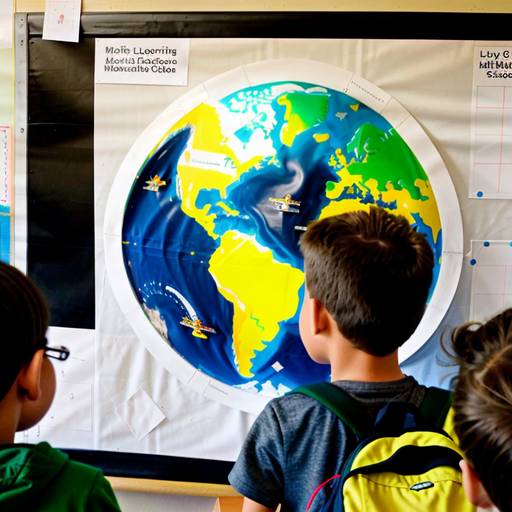
In this 5th-grade social studies lesson, students will explore various landforms and their significance to both the environment and human activities. The lesson begins with a visual introduction featuring different landforms, followed by a class discussion to activate prior knowledge. The teacher will present key terms and characteristics of each landform while guiding students in locating them on a world map.
Students will then engage in group work, conducting research on assigned landforms and creating mini-posters that include essential information about their features and importance. This will be complemented by an independent activity where each student creates a personalized map showcasing at least three different landforms, complete with labels and descriptions.
The lesson concludes with group presentations and a class discussion, encouraging students to share their thoughts on which landforms interested them the most. Assessment will focus on student participation, the accuracy of worksheets and projects, and the creativity displayed in their individual mappings. Differentiation strategies will be utilized to support learners at varying levels, with extensions available for those interested in further exploration of the subject. Overall, this lesson aims to deepen students' understanding of geography and the impact of landforms on life and the environment.
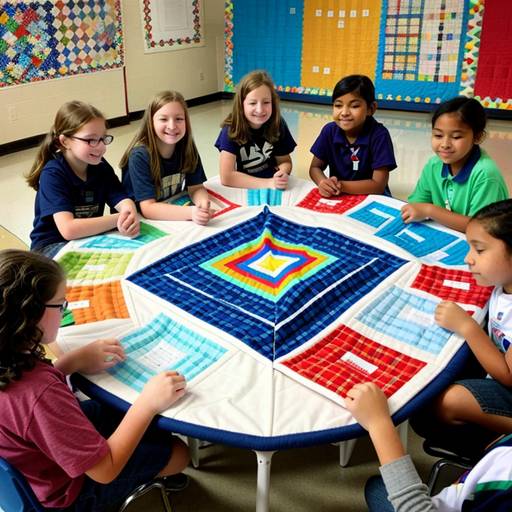
In this 5th-grade social studies lesson, students will explore the concepts of community and diversity. The lesson is designed to help students understand how different backgrounds, cultures, and traditions contribute to the richness of their classroom community.
During the first class, students will engage in discussions about what constitutes a community and how diversity enhances it. They will complete a worksheet that encourages them to reflect on their own cultural backgrounds and share their findings with a partner, fostering mutual understanding and appreciation.
In the second class, students will create individual quilt squares that represent their unique identities and cultural contributions. These squares will be displayed together to form a collaborative community quilt, symbolizing the diversity within the classroom. Students will present their designs and explain their significance, encouraging self-expression and collective reflection.
By the end of the lesson sequence, students will have gained insights into the value of diversity in their community and will have creatively participated in a project that celebrates their individual and shared identities. The lesson culminates in a reflection session on the completed quilt, highlighting the importance of appreciating and valuing differences among classmates. An extension activity can further enhance community connections by inviting family members to participate in a cultural sharing event.
This lesson plan for 5th-grade social studies focuses on helping students understand the significance of rules within a community. Throughout the hour, students will engage in discussions about the purpose of rules and explore specific examples from their own lives, such as traffic regulations and school guidelines. By watching a video or slideshow, they will learn how rules contribute to safety and order.
Students will work in small groups to brainstorm, share, and identify common community rules on sticky notes. They will then collaboratively create a "Community Rules Poster" that features essential rules, illustrations, and explanations. Each group will present their poster to the class, fostering a collaborative learning environment. The lesson wraps up with a reflective writing task, where students express the importance of a particular rule to them personally. Assessment will be based on participation, creativity in the poster, and the completion of the writing assignment. Extensions include community interviews and observation walks to deepen students' understanding of rules in their neighborhoods.
In this 5th-grade social studies lesson, students will explore the concept of timelines and their importance in understanding historical events. The lesson begins with a class discussion to engage students and introduce the idea of tracking time. Key vocabulary related to timelines will be taught, followed by a guided activity where students work in pairs to place historical events on a timeline.
Students will then have the opportunity to create their own personalized timelines, selecting five significant events from American history to illustrate and describe. This creative project encourages individual expression and reinforces their understanding of chronological order.
The lesson concludes with students sharing their timelines with peers, fostering communication skills and collective learning. Throughout the lesson, assessment will focus on participation, the accuracy of timelines, and a reflective exit ticket to gauge student understanding. Extensions include a digital timeline project for advanced learners and a timeline fair to engage parents. Overall, this lesson promotes critical thinking, collaboration, and creativity while deepening students' appreciation for history.
This 5th-grade social studies lesson focuses on helping students understand the components of their community and the significance of rules for maintaining a safe and functional environment. The lesson begins with students collaboratively defining what a community means to them and discussing the roles various individuals play within it. In small groups, they identify key community roles and the corresponding rules that support those roles.
Following this discussion, students will participate in a hands-on activity, where they will write down roles and rules on sticky notes and create a visual representation in pairs. Each pair will develop a poster that illustrates a specific role in the community along with its associated rule.
The lesson closes with presentations of the posters, allowing students to share their understanding and reflect on how rules contribute to the safety and functionality of their community. Assessment will be based on participation in discussions, the quality of group projects, and a brief exit ticket reflecting their learning. Differentiation strategies will ensure that all students, regardless of their learning styles, are engaged and supported throughout the lesson. Follow-up activities will encourage exploration of their immediate environments, reinforcing their newly acquired knowledge.