
Filters
Level
Grade
Subject
Subject Area
Subject Topic
Standard(s)
Audience
Keyword
DurationMinutes
5th Grade Sports Lesson Plans

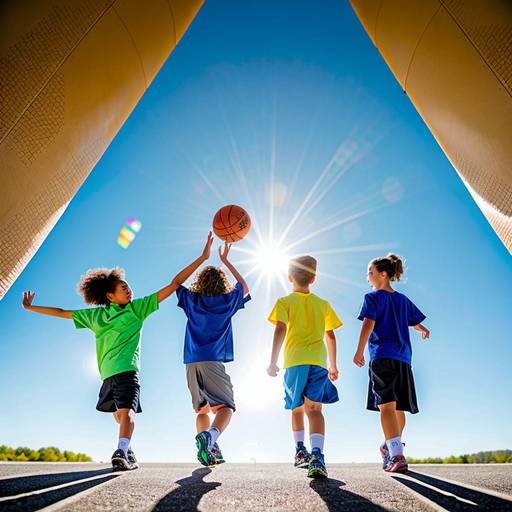
This 5th-grade physical education lesson focuses on developing balance and coordination through gymnastics and sports-related activities. The session begins with a warm-up that includes dynamic stretching and light jogging to raise students' heart rates. The main part of the lesson teaches students essential gymnastic skills such as balancing on low beams and executing forward and backward rolls on mats.
Students then engage in a team relay challenge, rotating through three stations that emphasize different skills: balancing on a beam, hula hoop walking, and rolling followed by sprinting. Each team member participates in the relay, fostering teamwork and encouraging friendly competition. The lesson concludes with a cool-down period featuring gentle stretches and group reflection, allowing students to discuss their experiences and challenges throughout the activities. Overall, this lesson promotes physical fitness, skill development, and cooperative learning in a dynamic and enjoyable setting.
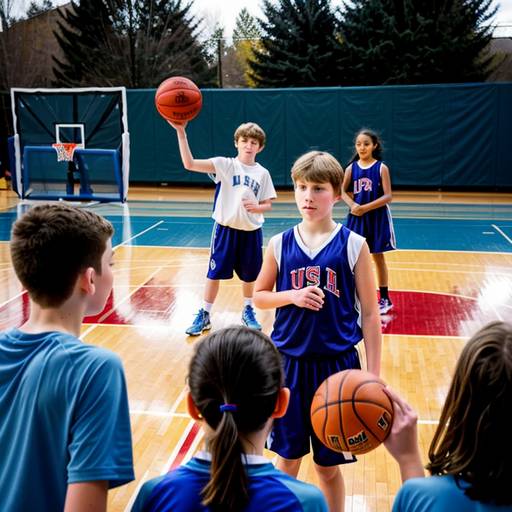
In this 60-minute physical education lesson tailored for 5th-grade students, the focus is on developing fundamental basketball skills, including dribbling, passing, and teamwork. The session begins with dynamic warm-up exercises to prepare students physically. Following this, students engage in a structured dribbling drill, maneuvering through cones to enhance their control and coordination. They then partner up to practice chest and bounce passes, emphasizing key techniques such as eye contact and follow-through.
The main activity consists of a modified three-on-three basketball game, where teams must complete a certain number of passes before shooting, reinforcing the importance of teamwork and cooperation. The lesson concludes with a cool-down session that includes muscle stretching and a reflection discussion about the skills learned and experiences during the games.
Throughout the lesson, students are observed and assessed on their skill development, teamwork, and participation. Opportunities for future extension include mini-tournaments and the introduction of defensive strategies in subsequent classes, ensuring continued engagement and skill growth in basketball.
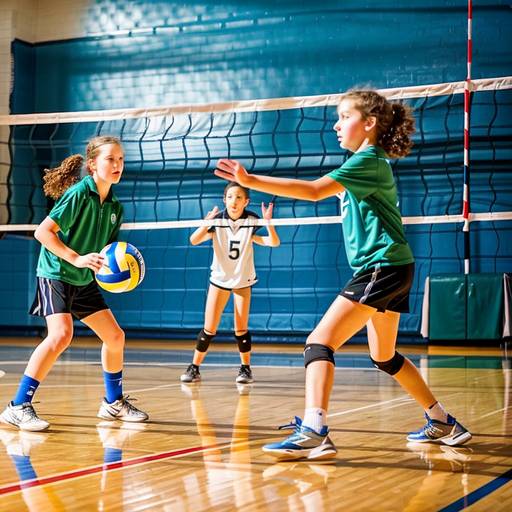
This 5th-grade physical education lesson focuses on teaching students the fundamental skills of volleyball, including bumping, setting, and spiking, while also introducing the basic rules of the game. The 60-minute session begins with a warm-up and an overview of volleyball concepts. Students rotate through skill stations where they practice bumping and setting with partners, followed by spiking techniques.
To apply their skills, students are divided into small teams for a mini-tournament, where they engage in friendly matches while learning about teamwork and communication. The lesson concludes with a cool-down and static stretching, allowing students to reflect on their learning experiences. Throughout the lesson, students receive feedback on their technique and sportsmanship, with adaptations made for varying skill levels. Teacher reflection is encouraged to enhance future lessons based on student feedback and performance.
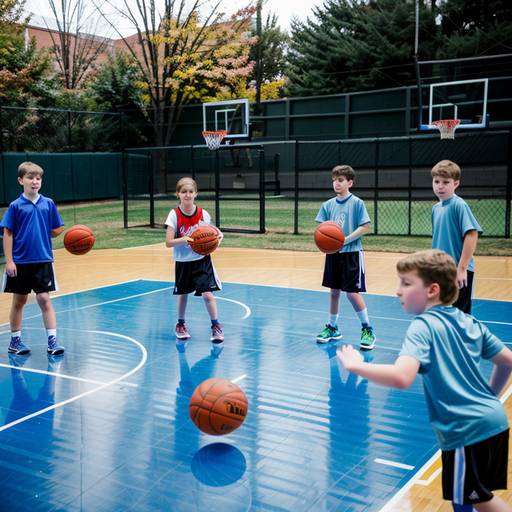
This 5th-grade Physical Education lesson focuses on teaching students fundamental basketball skills, including dribbling, passing, and shooting. The session begins with a dynamic warm-up to prepare students physically while introducing them to basic game concepts and rules. Students participate in skill drills where they practice dribbling using both dominant and non-dominant hands, various passing techniques with a partner, and shooting form using the B.E.E.F. method.
Following the skill development phase, students are divided into small teams for a modified half-court game that emphasizes teamwork and communication, with an emphasis on passing before attempting to shoot. The lesson concludes with a cool-down period involving stretching and group discussion, allowing students to reflect on their skills, teamwork, and sportsmanship throughout the activities. Assessment occurs through observation and student feedback. Adaptations are available for learners of varying skill levels to ensure an inclusive environment where everyone can participate and improve.
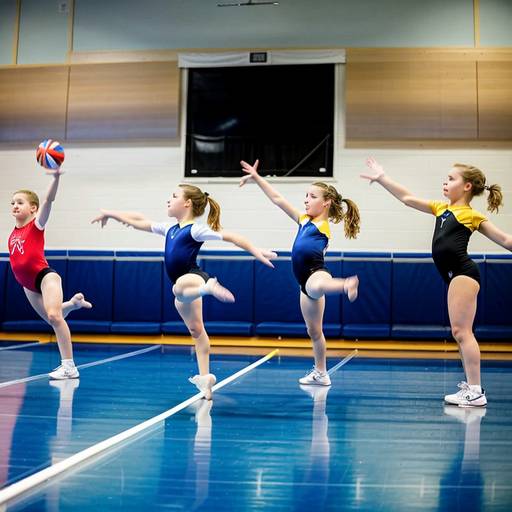
This lesson plan is designed for 5th-grade students and focuses on developing movement, balance, and teamwork through gymnastics and sports-related activities. The session begins with a warm-up that includes light jogging and dynamic stretches, followed by an introduction to key gymnastics skills such as forward rolls, cartwheels, and balance techniques.
Students are divided into small groups and rotate through skill development stations, allowing them to practice each gymnastics movement with partner support. Additionally, a coordination station with hula hoops is included to enhance their agility. A team challenge, featuring a relay race that incorporates the skills practiced, fosters collaboration and sportsmanship among students.
The lesson concludes with a cool-down stretching session and a reflective discussion about the importance of balance, coordination, and teamwork. Overall, the plan aims to engage students in physical activity while promoting positive social interactions and fitness.
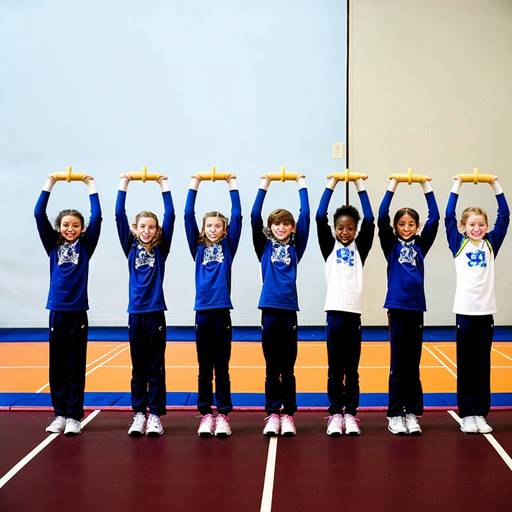
This Physical Education lesson for 5th-grade students focuses on developing fundamental gymnastics skills while promoting teamwork and sportsmanship through a relay race format. The 60-minute session begins with a dynamic warm-up involving stretching and simple gymnastics demonstrations. After explaining the objectives, students are divided into small teams, each participating in various gymnastics stations, including a balance beam, forward rolls, jump hurdles, and cartwheels. Teams compete in relay style, encouraging collaboration and cheering for one another as they complete each station. Following the relay, a cool-down period allows students to reflect on their experiences and stretch out. The lesson emphasizes skill development, cooperation, and the enjoyment of physical activity, with assessments based on participation, teamwork, and self-reflection. Future extensions include a mini-tournament or presentation day for students to showcase their learned skills.
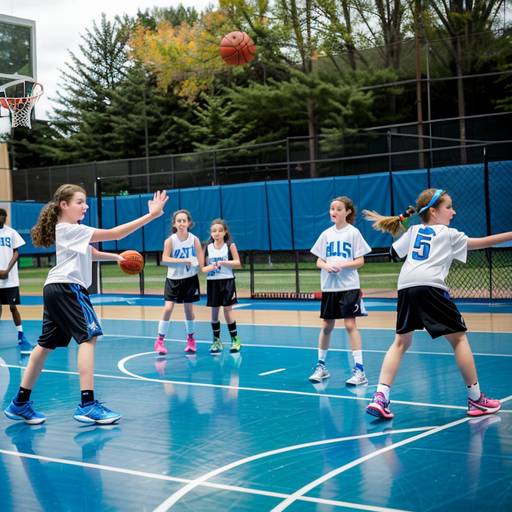
In this 60-minute physical education lesson tailored for 5th-grade students, the focus is on developing fundamental basketball skills while promoting teamwork and sportsmanship. The session begins with a warm-up that includes jogging and dynamic stretches to prepare the students for physical activity.
Throughout the lesson, students engage in three main skill areas: dribbling, passing, and shooting. They practice dribbling through a cone course to improve control and awareness, followed by paired passing drills that emphasize communication and technique. The shooting segment introduces fundamental shooting form, giving students the opportunity to practice from marked distances, culminating in a mini shooting competition for added excitement.
To reinforce the learned skills, students participate in small-sided 3-on-3 games, allowing them to implement dribbling, passing, and shooting in a team context. The lesson concludes with a cool-down session featuring stretching and reflection, where students share their thoughts on their experiences and identify areas for personal improvement. Overall, the lesson encourages active participation, develops essential basketball skills, and fosters a sense of cooperation and camaraderie among students.
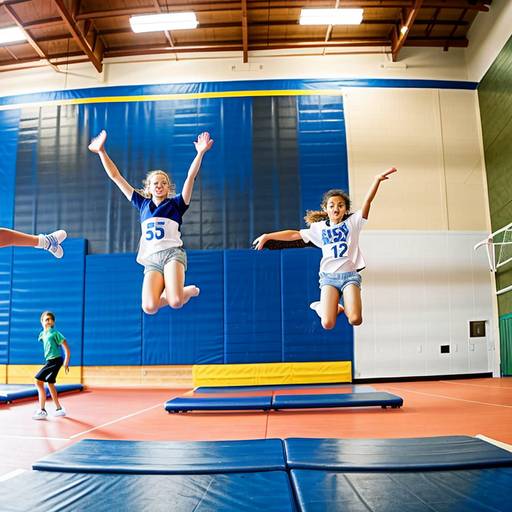
This 5th-grade physical education lesson focuses on introducing students to basic gymnastics skills and team sports, emphasizing cooperation and sportsmanship. The session begins with a warm-up that includes aerobic exercises and stretches. Students then rotate through skill development stations where they practice forward rolls, cartwheels, and balance exercises using gym mats and beams. Following the skills practice, students participate in a team sport, such as "Capture the Flag" or "Kickball," which fosters teamwork and strategic thinking. The lesson concludes with a guided cool-down and class discussion, encouraging students to reflect on their experiences and the importance of physical activity. Assessment is based on student participation and understanding of the skills practiced, with additional extension activities suggested for further development. Overall, the lesson promotes physical fitness, teamwork, and personal growth among students.
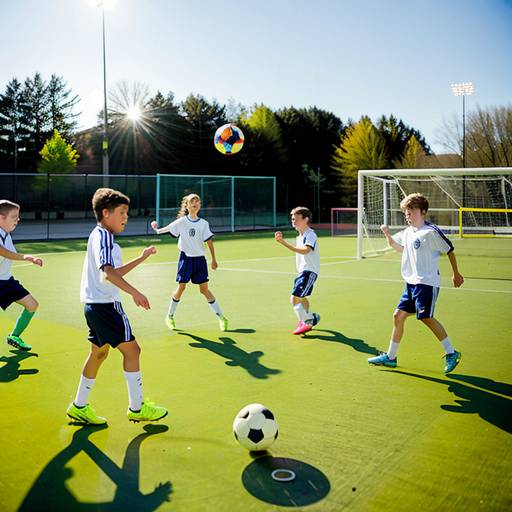
This lesson plan focuses on introducing 5th-grade students to the fundamentals of soccer, emphasizing core skills such as dribbling, passing, and shooting. The session begins with a discussion about soccer's rules, objectives, and the significance of teamwork. After warming up with dynamic stretches and a fun game to get everyone moving, students participate in skill development drills. They practice dribbling through cones, pairing up to work on passing, and taking turns shooting at a goal. The lesson culminates in a small-sided scrimmage where students can apply the skills they've learned in a team setting. The session concludes with a cool-down, during which students reflect on their experiences and what they've learned. Throughout, the focus is on skill development, collaboration, and the enjoyment of playing soccer.
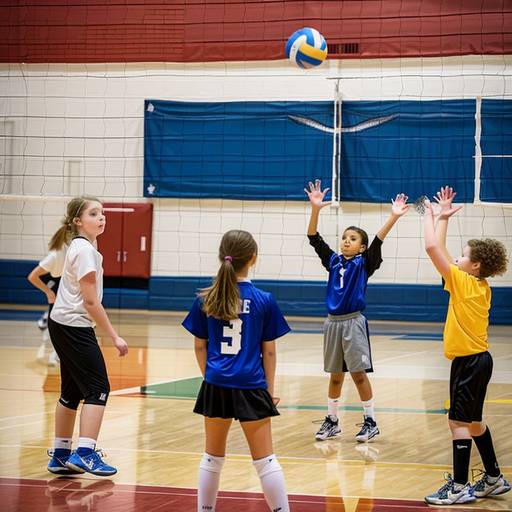
In this 60-minute physical education lesson for 5th graders, students will be introduced to the fundamental skills of volleyball, including serving, passing, and setting. The class will begin with dynamic stretching and a volleyball-focused warm-up to prepare students for activity. Students will then break into small groups to rotate through skill stations where they will practice each volleyball technique. This hands-on approach will reinforce proper form and body positioning.
Following the skill stations, students will participate in a mini-game, applying their skills in a team setting while learning the basic rules of volleyball. The lesson will conclude with a cool-down period that includes stretching and a reflective discussion about their experiences, emphasizing teamwork and sportsmanship. Throughout the lesson, the teacher will assess student engagement and technique, providing feedback and adaptations as necessary to cater to varying skill levels. Safety will be prioritized to ensure an enjoyable and productive experience for all participants.