
Filters
Level
Grade
Subject
Subject Area
Subject Topic
Standard(s)
Audience
Keyword
DurationMinutes
5th Grade Music Lesson Plans


This 5th-grade music lesson focuses on exploring music history and various musical styles. The objectives include helping students understand key musical genres, their historical contexts, and the evolution of music over time, while encouraging collaborative learning.
The lesson begins with an engaging discussion about the significance of music, followed by an overview of major musical styles such as Classical, Jazz, Rock, Hip-Hop, and Folk. Students listen to audio clips of each genre to identify their distinct characteristics.
In a group activity, students research specific musical styles, create a timeline, and prepare presentations highlighting key characteristics, significant artists, and visual representations of their assigned genre. Following the presentations, students listen to additional music samples and discuss how different styles influence and reflect cultural differences.
Concluding the lesson, students receive a homework assignment where they select a musical style that resonates with them and write a brief reflection. The lesson emphasizes participation, understanding, and personal connection to musical history while allowing room for differentiation and extension based on students' needs.

In this 5th-grade music appreciation lesson, students will embark on an exploration of various music genres throughout different decades. The class will begin with a discussion about personal musical preferences, leading into an introduction to the relationship between music, culture, and historical events. Students will be divided into small groups, each assigned a specific genre and decade, such as jazz, rock, disco, hip hop, and pop. They will listen to audio samples, analyze characteristics, and research the cultural significance of their assigned genres.
Following their research, groups will present their findings to the class, playing short clips of their music and sharing insights about key artists and societal influences from their specific time periods. The lesson culminates in a summary discussion, highlighting the evolution of music and its reflection of social change. Students will complete a worksheet to assess their understanding and engagement, and optional extensions encourage further exploration of contemporary artists related to the genres studied. Overall, the lesson fosters collaboration, critical thinking, and an appreciation for the diverse world of music.

In this fifth-grade music lesson, students will explore the concept of rhythm through engaging activities that enhance their understanding of musical notation and rhythmic patterns. The class begins with an introduction to basic note values, where students will learn to identify and clap different rhythms collaboratively.
Next, students will work in small groups to participate in a rhythm relay, using rhythm cards to create and perform rhythmic patterns for the class. Afterward, they will have hands-on practice with percussion instruments, learning a sequence of rhythmic patterns and participating in a call-and-response activity.
To develop their listening skills, students will engage in an activity where they identify and tap out rhythms from various music tracks. The lesson concludes with a reflective circle discussion, encouraging students to share their experience and insights gained about rhythm. Assessment will involve observing student participation and providing feedback on their group performances. Additionally, students will have the opportunity to extend their learning by creating longer rhythmic sequences or bringing in a favorite song to analyze in future classes.
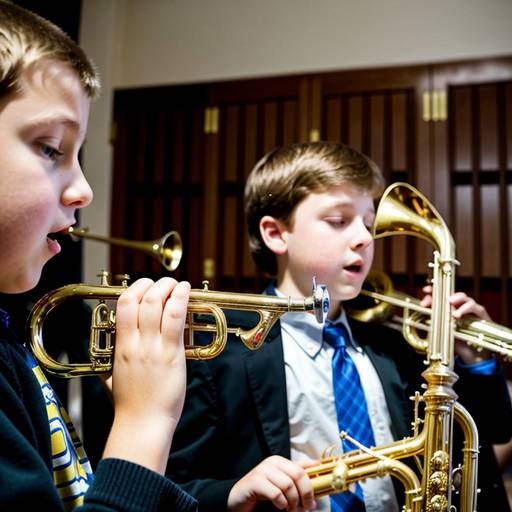
This 5th grade music lesson focuses on brass instruments, aiming to help students identify and describe various types, understand the mechanics of sound production, and explore their roles in different musical genres. The lesson begins with a discussion to activate prior knowledge, followed by visual and auditory exploration of instruments like the trumpet, trombone, tuba, and French horn. Students engage in a hands-on activity where they can experiment with producing sound on available instruments or simulate playing with "air" instruments.
In small groups, students research specific brass instruments using provided fact sheets, culminating in short presentations to share their findings with the class. The lesson concludes with a reflection on what students learned, reinforced by a worksheet to be completed at home. Participation in discussions, group activities, and the quality of presentations will serve as assessment criteria. Optional extensions include inviting a local musician or arranging a field trip to enhance the learning experience.
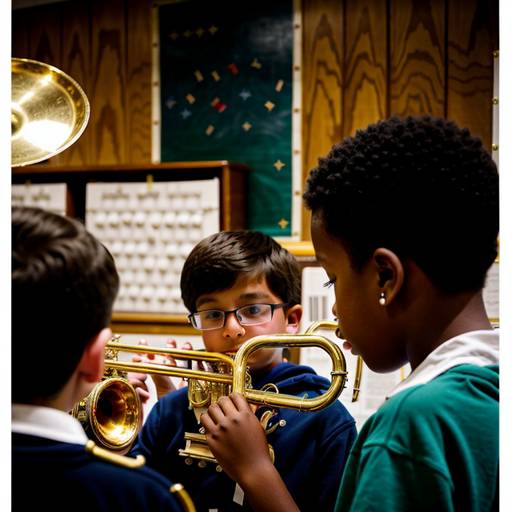
In this 5th-grade music lesson, students will explore the world of brass instruments, learning to identify various types such as the trumpet, trombone, tuba, and French horn. The lesson begins with an interactive introduction that includes listening to audio samples, allowing students to connect sounds with the instruments. Students will engage in a discussion on how sound is produced in brass instruments through the buzzing of lips and the use of valves or slides.
As the lesson progresses, students will participate in a group listening activity, analyzing a piece of music featuring brass instruments and noting their distinct sounds. They will then complete worksheets that involve identifying and learning interesting facts about each instrument. To reinforce their understanding, students will have the opportunity to engage in a creative activity where they can draw their favorite brass instrument.
The lesson concludes with a recap of key concepts and an opportunity for students to share what they learned. Assessment will be based on their participation, completed worksheets, and creative projects. This engaging approach promotes both knowledge and appreciation for brass instruments while encouraging collaboration and creativity in the classroom.
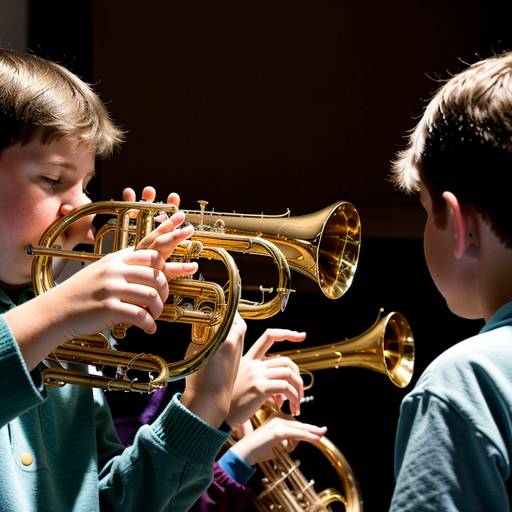
In this lesson plan designed for 5th-grade students, the focus is on exploring and understanding brass instruments. The session begins with an introduction to various brass instruments, including their characteristics and roles in music. Students will listen to music featuring these instruments, identifying the sounds while discussing their functions in different musical contexts.
Following the listening activity, students will engage in a hands-on demonstration where they can see and, if available, hold real or replica brass instruments. They will learn how sound is produced through buzzing lips and the use of valves or slides. In a creative group activity, students will work together to mimic the sounds of brass instruments using voice and rhythm, allowing them to express their understanding of how these instruments function.
The lesson will conclude with a reflection on their learning, where students will share their favorite brass instruments and interesting facts. Assessment will be based on participation and completion of a worksheet. Opportunities for extension include inviting a professional musician or organizing a trip to a brass ensemble concert, further enriching students' appreciation for brass instruments and music as a whole.
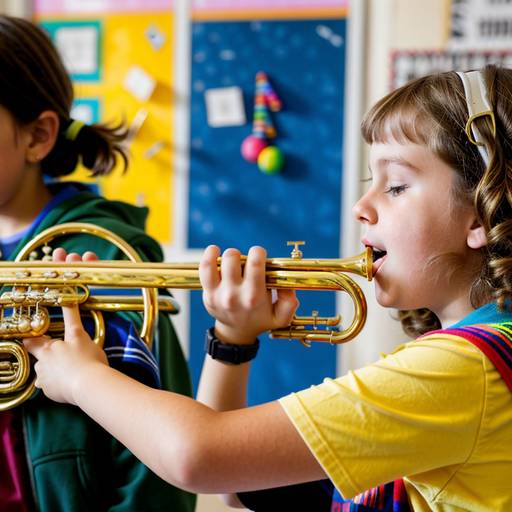
In this engaging 5th-grade music lesson, students will explore the world of brass instruments, including how they produce sound and their significance in various musical genres. The lesson begins with an introduction to different brass instruments through pictures, videos, and sound samples, encouraging students to describe their characteristics. Students will then learn about the science behind sound production in brass instruments, followed by a discussion on the role these instruments play in genres like jazz, classical, and pop music.
The hands-on activity allows students to practice playing simple melodies or rhythms, either on available brass instruments or with kazoos, fostering a collaborative experience as they create short ensemble performances. The lesson concludes with reflections on what they learned, promoting critical thinking and appreciation for brass instruments in music. Assessment will focus on participation and completion of a reflective worksheet, with potential extensions including research projects and field trips to observe brass instruments in action.
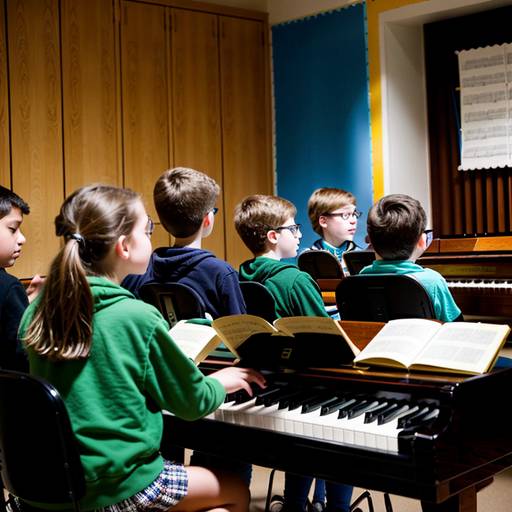
This 5th-grade music lesson focuses on music history and significant composers from various musical periods, including Baroque, Classical, Romantic, and Modern. Students will engage in discussions about the importance of composers and how they influenced music over time. The class is divided into groups, with each group researching and presenting a specific composer, highlighting their background, key works, and contributions to music. Listening activities will allow students to identify elements of each composer's style, while a creative project will enable them to create posters showcasing their favorite composer and piece. The lesson wraps up with students sharing their projects in small groups, reinforcing their learning and personal connections to the material. Assessment will include participation in discussions, the creativity of the poster projects, and a short reflection assignment on their favorite composer. Extensions encourage further exploration of composers and musical concepts.
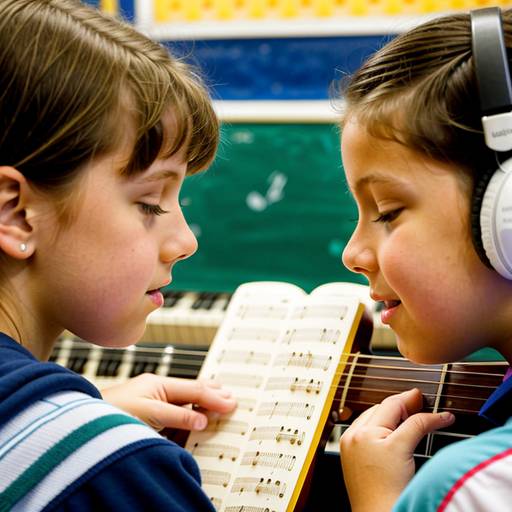
In this 5th-grade music lesson, students will explore the fundamentals of music theory by focusing on note names and their corresponding positions on the musical staff. The lesson begins with a discussion about the role of notes in music, followed by engaging activities that involve recognizing and identifying notes (A through G) on the staff. Students will learn about whole notes, half notes, and quarter notes through clapping exercises that highlight rhythmic concepts.
The hands-on portion of the lesson allows students to work in small groups, using keyboards or xylophones to practice playing or singing assigned notes. They will create short melodies while incorporating diverse rhythms. A fun assessment activity, “Note Name Challenge,” encourages students to demonstrate their knowledge by identifying notes and showcasing their sounds.
The lesson concludes with a reflection on what they learned about note names and their significance in music. Extensions and adaptations are included to enhance learning outcomes for all students, ensuring a comprehensive understanding of music theory fundamentals.
This lesson aims to foster an engaging and interactive learning environment that empowers students to develop a solid foundation in music theory.
In this 5th-grade music appreciation lesson, students will explore various music genres, their cultural backgrounds, and personal connections to music. The lesson begins with a warm-up discussion where students share their favorite songs and genres. Following this, a presentation will introduce students to different genres, featuring audio clips and interesting facts about each style's history and significance.
Students will then engage in group activities by forming small teams, where they will delve deeper into assigned genres, create informative posters highlighting their key characteristics, and select a song they enjoy. Each group will present their findings to the class, promoting peer interaction and discussion. Lastly, students will reflect on their favorite genre through a written paragraph, encouraging personal expression and connection to the material.
Assessment will be based on participation, creativity in group projects, and the depth of written reflections. The lesson not only fosters an appreciation of diverse music styles but also promotes teamwork, creativity, and critical thinking among students.