
Filters
Level
Grade
Subject
Subject Area
Subject Topic
Standard(s)
Audience
Keyword
DurationMinutes
5th Grade Music Lesson Plans

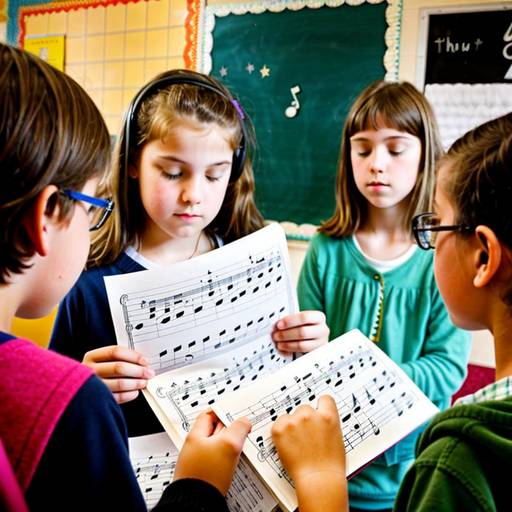
In this 5th-grade music theory lesson, students will learn to identify and name notes on the musical staff, focusing on both treble and bass clefs. The lesson begins with an engaging discussion about the importance of note names in music, followed by interactive instruction on reading notes, including memorable mnemonics for easy recall. Students will then participate in guided practice activities where they match note names to their positions on the staff and identify notes played on a keyboard.
To foster collaboration and creativity, students will be divided into small groups to create simple melodies using selected notes, which they will present to the class. The lesson concludes with a fun "Note Art" activity, where students illustrate their favorite note and write its name, allowing for artistic expression while reinforcing their learning. Throughout the lesson, teachers will assess understanding through observation and participation, ensuring students develop a strong foundation in music notation and theory.
In this 5th-grade music lesson, students will explore the fundamentals of music theory by learning to identify and name musical notes on the staff. The class begins with a discussion about the significance of music, followed by a mini-lecture introducing the staff, treble and bass clefs, and the names of line and space notes. To reinforce their understanding, students participate in an interactive game where they collaboratively identify notes on a staff. The lesson includes a brief overview of note values, demonstrated through clapping exercises. To assess their comprehension, students complete a worksheet with exercises related to note identification and values, which is reviewed as a class. Extension activities allow students to showcase their creativity through simple melody creation. The session aims to engage students in learning while fostering teamwork and a deeper understanding of musical concepts.
In this 5th-grade music lesson, students focus on enhancing their vocal skills and performance techniques through engaging activities centered on singing and rhythm. The lesson begins with warm-up exercises to prepare their voices, followed by a discussion about their favorite songs. Students then explore basic rhythmic patterns using clapping and body percussion, moving on to create their own rhythms with various instruments.
Next, a lively and age-appropriate song is introduced, and students work together to understand the lyrics and melody. They practice singing the song, incorporating the rhythms they developed earlier. The class is divided into small groups to rehearse, allowing them to perform for one another while receiving constructive feedback.
At the conclusion of the lesson, students reflect on their learning experiences and what they enjoyed most. An exit ticket is used to assess their understanding and identify areas for improvement. The overall goal is to build confidence in singing and performance while developing a deeper appreciation for melody and rhythm.
In this 5th-grade music lesson, students will delve into fundamental concepts of rhythm and music theory, focusing on rhythmic notation and time signatures. The session begins with a warm-up clapping exercise to establish a steady beat and to introduce various note values such as quarter notes, half notes, whole notes, and rests. Students will then work in small groups to practice and perform rhythmic patterns, which they will translate into playing on percussion instruments, fostering creativity and collaboration.
As a group, the class will combine their rhythms into a layered performance, using a metronome for synchronization. Following the rhythmic activities, students will listen to selected songs, identifying their rhythmic elements and time signatures, reinforcing their learning through real-world examples. The lesson concludes with a reflection and writing exercise where students summarize what they learned and pose any remaining questions. Assessment will be based on participation, group performances, and individual reflections. Extensions for the lesson include homework on identifying rhythmic elements in favorite songs, encouraging further exploration of rhythm in music.
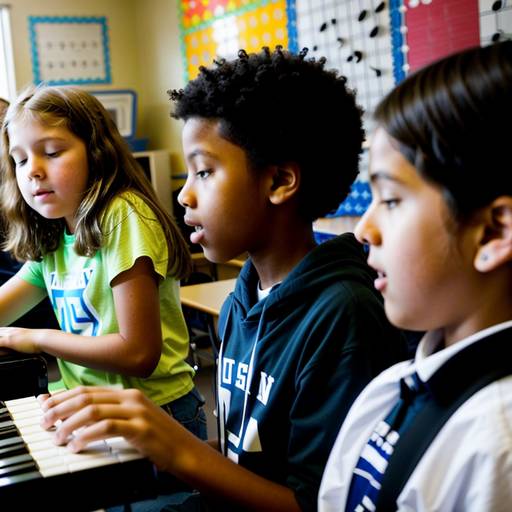
This 5th-grade music lesson focuses on music theory and rhythm, engaging students through various activities designed to enhance their understanding of rhythmic patterns. The lesson begins with a clapping warm-up to introduce basic rhythmic concepts, followed by a discussion that involves students sharing their prior knowledge.
Students will learn about different rhythmic elements, including quarter notes and eighth notes, and practice clapping specific patterns. An interactive listening activity allows them to identify rhythms in music, while a rhythm echo game reinforces their skills in a fun and engaging manner.
In small groups, students will create their own rhythmic patterns using percussion instruments, fostering their collaborative skills and creativity. The lesson culminates in a performance where groups showcase their rhythmic creations, followed by a reflective discussion on the importance of rhythm in music. Assessment will be based on participation and student-generated rhythms, with adaptations available for diverse learning needs. Extensions for future lessons may explore rhythms from different cultures, broadening students' musical horizons.
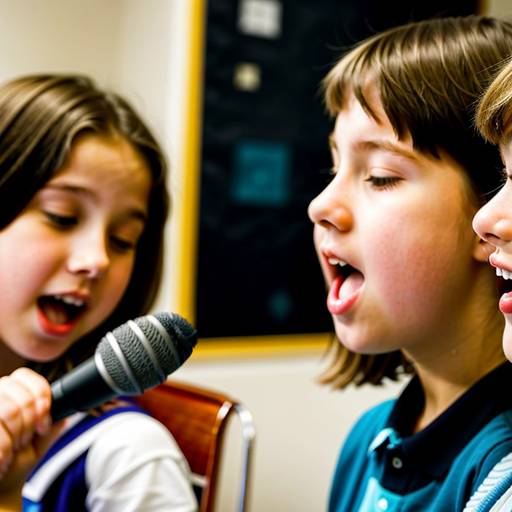
In this 5th-grade music lesson, students will explore the concepts of melody and rhythm through engaging singing activities and performance. The lesson begins with vocal warm-ups to prepare their voices, followed by a discussion about the elements that make music enjoyable.
Students will learn a simple song by breaking it down into manageable sections, practicing both the melody and rhythm. They will then be divided into small groups, where they will focus on specific parts of the song, rehearse together, and provide peer feedback to each other.
After practicing, the entire class will come together to finalize the song and discuss performance staging and expression. The lesson culminates in a performance for an audience, allowing students to showcase their work and gain confidence in their abilities.
Finally, the class will reflect on their experience, discussing what they enjoyed and how they felt during the performance. Overall, this lesson emphasizes teamwork, vocal skills, and the joy of music-making.

In this 60-minute music lesson for 5th graders, students will explore the concept of harmony through interactive activities and group singing. The lesson begins with an introduction to harmony, prompting students to share examples of songs that feature harmonization. Following a vocal warm-up that includes practicing scales and intervals, students will listen to recordings of harmonious songs, discussing their feelings and observations about the different vocal parts.
Students will then be divided into two groups, with one group learning the melody and the other practicing the harmony of a simple, familiar song. Through collaborative practice, they will receive guidance on blending their voices and supporting each other musically. The lesson will culminate in a performance where the entire class sings together, with opportunities for students to take leadership roles in either the melody or harmony.
The session wraps up with a discussion on their experiences and insights regarding harmony, supported by an exit ticket assessment to reflect on what they learned and enjoyed. Extensions to the lesson encourage further exploration and sharing of harmonious songs at home, enriching their musical understanding and engagement.
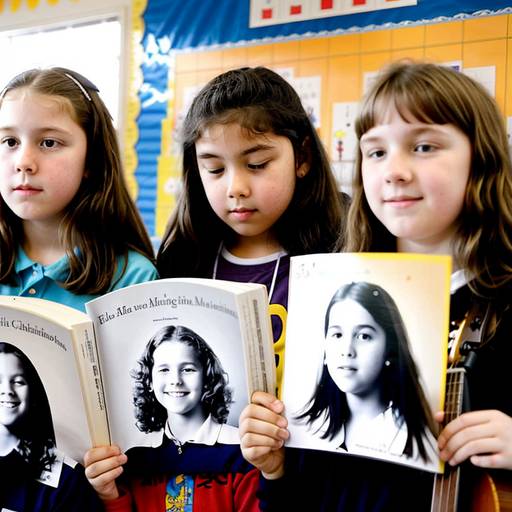
This lesson plan for 5th-grade students focuses on music appreciation and explores famous songs from various artists. The lesson begins with a warm-up discussion about students' favorite songs and the role of music in everyday life. Following the introduction, students engage in a listening activity where they hear short clips of famous songs, discuss their feelings and impressions, and learn about the historical and cultural context of each piece.
After the listening session, students break into small groups to create their own song or rap that conveys an important message, fostering collaboration and creativity. They write lyrics based on themes similar to those presented in the songs they listened to and prepare a performance for their classmates.
The lesson concludes with group performances where students showcase their creations, followed by a reflection on their learning experience regarding the impact of music on society. Assessment is based on participation, creativity, and the ability to express thoughts about the songs discussed. Extensions are suggested for further exploration of music genres and culture. Overall, the lesson promotes understanding and appreciation of music as a powerful form of expression and communication.

In this 5th-grade music appreciation lesson, students will explore a variety of musical genres from different cultures around the world, enhancing their active listening skills. The class will begin with an engaging discussion about favorite songs and the significance of diverse musical styles. Following this, students will listen to a series of audio clips, including classical, jazz, rock, folk, and world music, while reflecting on their emotional responses and the musical elements they identify.
Using their listening journals, students will capture their thoughts after each piece, noting feelings, imagery, and instrumental characteristics. To express their insights creatively, they will then create artworks inspired by one selected piece of music, incorporating their reflections into their illustrations. The lesson will conclude with a gallery walk where students share their artwork and thoughts with peers, fostering a collaborative appreciation for music. Assessment will be based on participation, journal entries, and creativity in the art project. Extensions can include research assignments on specific genres or artists, reinforcing the connection between music and cultural identity.
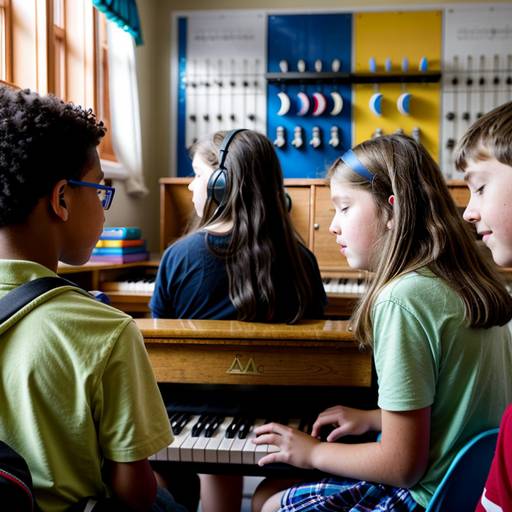
In this engaging music history lesson for 5th-grade students, participants will explore various musical styles from different historical periods and understand their cultural significance. The lesson begins with auditory examples from Baroque, Jazz, and Rock music, prompting students to express their emotional reactions and discuss the evolution of music.
Following an overview, students will rotate through interactive "musical style stations," where they will listen to audio samples, learn key characteristics of each era from visual aids, and participate in hands-on activities related to those styles. After regrouping for a discussion, students will form small groups to create presentations that highlight a specific musical era—incorporating audio examples, key features, and a creative skit or song.
The lesson concludes with group presentations, encouraging peer engagement, collaboration, and creativity. Assessment will focus on participation and the depth of understanding demonstrated during discussions and presentations, while a follow-up activity invites students to bring in a personal favorite song to share in future lessons.