
Filters
Level
Grade
Subject
Subject Area
Subject Topic
Standard(s)
Audience
Keyword
DurationMinutes
5th Grade Writing Lesson Plans

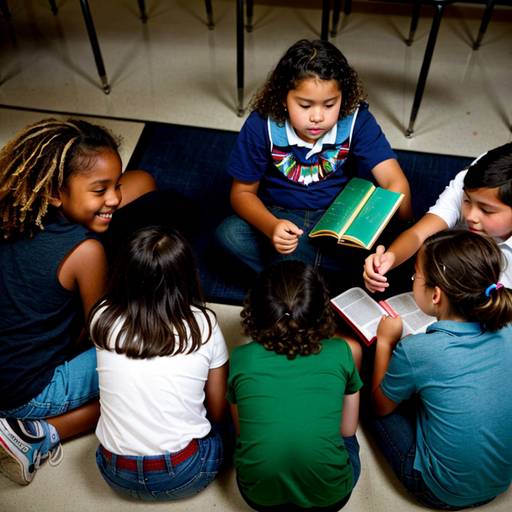
This lesson plan focuses on enhancing 5th-grade students' writing and creative expression through personal narratives. The two-class session begins with an introduction to storytelling and the value of personal experiences. Students engage in brainstorming activities using graphic organizers to outline their memories, identifying key elements such as setting, characters, emotions, and events. They then write their narratives, incorporating descriptive language to enrich their storytelling.
In the following class, the emphasis shifts to revising their work through peer review, where students provide and receive constructive feedback. They create illustrations to complement their narratives and prepare for sharing their stories with the class, practicing public speaking skills in a supportive environment. The lesson culminates with students presenting their narratives, fostering connections and engagement among peers. Overall, the plan emphasizes writing development, creativity, and collaboration while encouraging students to reflect on the significance of their personal experiences.

In this 5th-grade language arts lesson, students will explore the elements of storytelling as they create their own imaginative stories. The lesson begins with a discussion on the components of a good story, followed by a read-aloud of an engaging excerpt. Students will participate in brainstorming and outline activities, developing characters, settings, and plotlines using a structured template. After collaborating with a partner to refine their ideas, each student will independently draft their story in their journals, focusing on using descriptive language. The lesson concludes with a sharing session where students can present their ideas and favorite excerpts to the class. Assessment will involve reviewing the story templates and drafts to provide feedback on creativity and storytelling elements. Extension activities will involve illustrating scenes from their stories, and differentiation will accommodate varying skill levels among students.
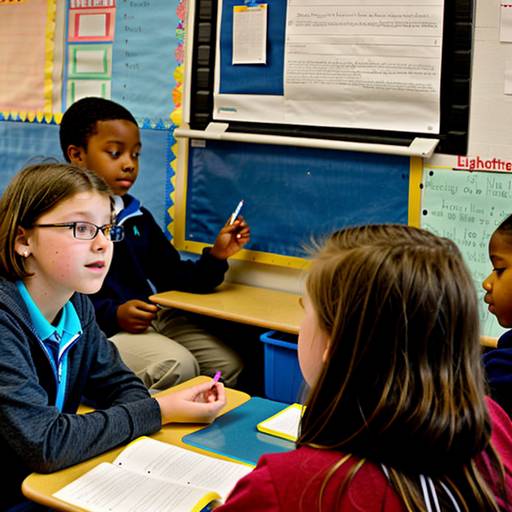
In this 5th grade Language Arts lesson, students will learn about expository writing, focusing on its purpose and structure. The session begins with a group discussion to gauge students’ prior knowledge, followed by direct instruction on the key components: main idea, supporting details, and conclusion. Students will participate in guided practice by filling out graphic organizers for a chosen topic, then move on to independent practice to write their own expository paragraphs. The lesson concludes with student presentations, where classmates receive constructive feedback. Assessment will be based on the clarity and coherence of their writing. Differentiation strategies are included to support varying skill levels, and extension activities encourage further exploration of research tools for future writing assignments.

This lesson plan focuses on introducing 5th-grade students to the elements of narrative writing. It begins with a discussion about beloved stories, highlighting key components such as characters, setting, plot, conflict, and resolution. Through a mini-lesson, students analyze excerpts from narrative texts to understand how descriptive language enhances storytelling.
In small groups, students brainstorm ideas for their own narratives, addressing character, setting, and conflict. They then independently craft a narrative story in their writing journals, utilizing the narrative elements discussed. The lesson concludes with students sharing their stories with the class, fostering peer feedback and a deeper appreciation for storytelling. Assessment will include observation of participation and review of students' narratives for the application of narrative elements and descriptive language. Extensions and differentiation strategies are provided to support various learning needs, encouraging creativity and collaboration in writing.

In this 5th grade language arts lesson plan, students will explore the fundamentals of expository writing, focusing on its purpose and key characteristics. The lesson spans two class periods and begins with a discussion on what expository writing is, followed by an analysis of a sample essay to identify its structure. Students will then use graphic organizers to brainstorm and organize their ideas on a topic of their choice.
In the second class period, students will draft their essays based on their organizers, followed by a peer review session where they will provide feedback on each other's work. After revising their essays, students will publish their final drafts, which may include illustrations, for display within the classroom or at a writer’s celebration. Assessment will be conducted through observation during activities and evaluation of the final essays based on criteria for clarity and organization. An extension activity includes sharing student essays in a display area, allowing students to practice public speaking while showcasing their writing. Reflection at the end of the lesson prompts students to consider what they learned and how they can apply expository writing skills in the future.

This 5th-grade language arts lesson focuses on introducing students to persuasive writing and its key components. The lesson begins with a class discussion to define persuasive writing and identify its essential elements, such as the writer's opinion, supporting reasons, evidence, and counterarguments. Through a mini-lesson that analyzes examples of persuasive texts, students learn various techniques to enhance their writing.
In a guided practice session, the class debates a common topic, allowing students to brainstorm arguments for both sides. They then fill out a graphic organizer to help structure their thoughts. For independent practice, students select their own topics and draft persuasive letters, using the organizer as a guide.
The lesson concludes with students sharing their letters, engaging in a constructive discussion about effectiveness and areas for improvement. Assessment involves collecting the letters and graphic organizers for feedback based on clarity, reasoning, evidence, and overall persuasiveness. Optional extensions include presentations and creating a display for others to read. This dynamic lesson enables students to develop important writing skills and express their opinions effectively.