
Filters
Level
Grade
Subject
Subject Area
Subject Topic
Standard(s)
Audience
Keyword
DurationMinutes
5th Grade Language Arts Lesson Plans


In this 5th-grade Language Arts lesson plan focused on grammar and capitalization, students will learn the essential rules for using capital letters correctly in writing. The lesson begins with an engaging discussion about the importance of capitalization, followed by the introduction of basic rules through a handout. Guided practice involves identifying and correcting capitalization errors in sentences on the whiteboard.
Students then work in pairs to read a short story filled with intentional capitalization mistakes, highlighting and correcting them collaboratively. After sharing their corrections with the class, students apply their knowledge by writing a short paragraph about their favorite holiday or activity, ensuring to use proper capitalization.
The lesson concludes with a recap of key concepts and a review of student work. Assessments include observing participation, evaluating corrected stories, and reviewing the written paragraphs. Adaptations are provided for varying skill levels, and a follow-up activity encourages creativity through photo captioning while reinforcing capitalization rules.
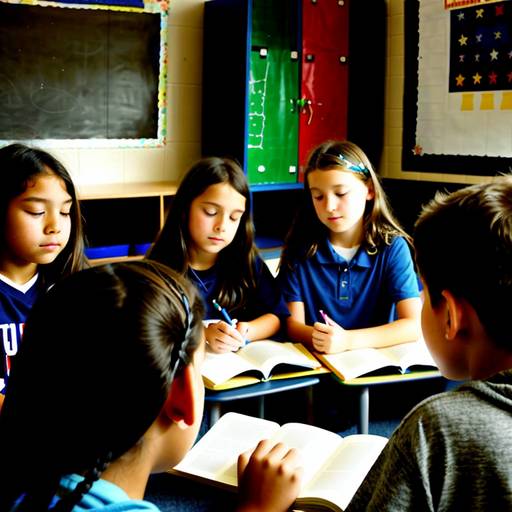
In this 5th-grade language arts lesson plan, students will engage in creative writing by crafting their own imaginative stories based on provided prompts. The lesson begins with a discussion about creativity in storytelling, highlighting memorable elements from their favorite books and movies. A mini-lesson focuses on the use of descriptive language and sensory details to enhance writing, along with the importance of character and setting development.
After the instruction, students will spend time writing a short story while incorporating their newfound knowledge about description and detail. To foster collaboration, students will then share their stories with a partner, providing feedback to one another. The lesson concludes with a group sharing session, where some students may read their stories aloud to the class, followed by a reflection on the writing process. Assessment will be based on participation, the creativity of the written work, and the effective use of descriptive language. Extensions include displaying student work and organizing a storytelling event to further celebrate their creativity.
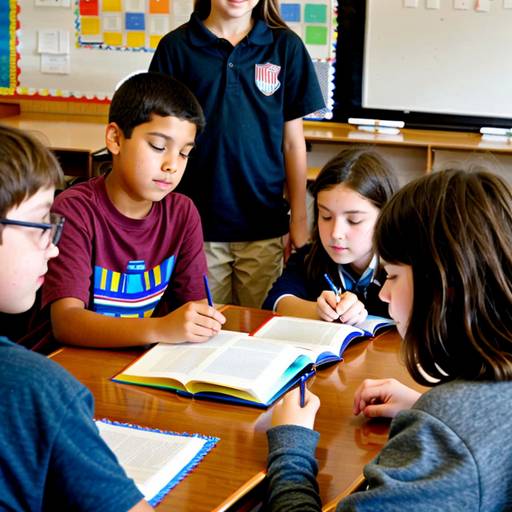
In this 5th-grade language arts lesson, students will explore narrative writing by creating their own imaginative stories. The lesson begins with a discussion about the elements of narratives, including characters, setting, plot, conflict, and resolution. Following this, a mini-lesson on descriptive language emphasizes its importance in enhancing storytelling by helping readers visualize and connect with the narrative.
Students will then brainstorm their story ideas using graphic organizers to outline key components. With ample writing time, they will compose their narratives, applying learned techniques, while utilizing a checklist to ensure they include all necessary elements. Afterward, students will share portions of their stories with peers for feedback, fostering a collaborative learning environment.
The lesson concludes with a reflection on what they learned about narrative writing and the significance of detail in storytelling. Assessments will focus on participation during discussions and the completeness and creativity of their narratives. Differentiation strategies will be employed to support diverse learners, with opportunities for extension activities, such as illustrating scenes from their stories.

This 5th-grade language arts lesson plan focuses on introducing students to various literary genres. The lesson begins with a discussion about students' favorite types of books, followed by an overview of common genres such as fiction, nonfiction, fantasy, and mystery. Students participate in a group activity where they create genre maps that include definitions, descriptions, and illustrations for selected genres. Each group presents their map to the class, prompting discussions about the similarities and differences among the genres. The lesson concludes by emphasizing the importance of exploring diverse literature, with opportunities for students to engage further through reading assignments and a dedicated classroom library. Assessment is based on participation, creativity, and understanding demonstrated during presentations. Overall, the lesson aims to enhance students' comprehension of literary genres and inspire a greater appreciation for reading.

In this 5th Grade Language Arts lesson plan, students will enhance their reading and comprehension skills by identifying main ideas and themes within a text. The lesson begins with a discussion to define and differentiate between main ideas and themes. Students will read a selected story, either independently or as a class, while focusing on key story elements. Guided practice will involve filling out a graphic organizer to pinpoint the main idea and theme collaboratively. For independent practice, students will choose a theme from the story and write a paragraph supporting their choice with evidence from the text. The lesson will conclude with a few students sharing their findings, followed by a reflective writing assignment in their journals. Assessment will be based on the graphic organizers, written paragraphs, and participation in discussions. Extensions are provided for both advanced students and those needing additional support, ensuring a comprehensive approach to reading comprehension.

In this 5th-grade Language Arts lesson, students will explore persuasive writing, focusing on how to craft a compelling argument. The lesson begins with a discussion on the purpose and elements of persuasive writing, including clear opinions, reasons, evidence, counterarguments, and calls to action. Students will work in small groups to brainstorm ideas on a given topic, filling out a graphic organizer to structure their thoughts. Following the group activity, each student will write a persuasive paragraph on a topic of their choice, incorporating the discussed elements. The lesson concludes with opportunities for students to share their writing with the class, allowing for feedback and discussion on the effectiveness of their arguments. Assessment will involve evaluating the written paragraphs based on a rubric focused on clarity, reasoning, evidence, organization, and grammatical conventions. Extensions and adaptations are provided to support diverse learning needs and interests.
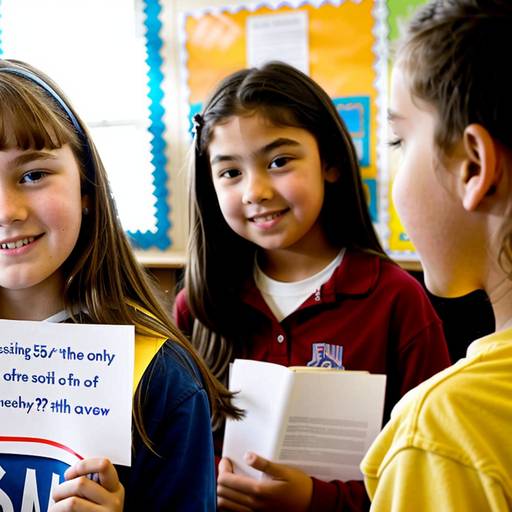
This 5th-grade language arts lesson focuses on introducing students to persuasive writing. The lesson begins with a discussion about personal experiences in trying to persuade others, leading to an exploration of persuasive writing techniques such as emotional appeal, logical reasoning, and credibility. Students engage in group work to brainstorm persuasive arguments around assigned topics and share their ideas with classmates. Following this collaboration, each student composes an individual persuasive paragraph, incorporating the techniques learned. The class concludes with selected students sharing their writing, fostering an understanding of effective persuasion and its importance. Assessment includes evaluating students' written paragraphs and monitoring group interactions to gauge understanding. The lesson includes differentiation strategies and an optional extension activity for those seeking further engagement.
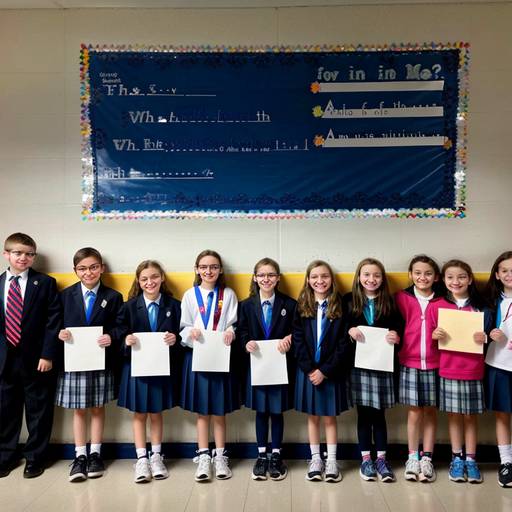
In this 5th-grade language arts lesson, students will explore key punctuation marks and their roles in writing. The lesson begins with a discussion on the importance of grammar and punctuation, followed by direct instruction on various punctuation marks such as periods, commas, question marks, exclamation points, quotation marks, and apostrophes. Students will engage in guided practice by correcting punctuation errors in a short story, working collaboratively to discuss their decisions. For independent practice, they will write a creative paragraph about a themed “parade,” incorporating at least five different punctuation marks correctly. The lesson concludes with a sharing session, allowing students to showcase their work and reflect on the necessity of punctuation in conveying clear meaning. Assessment will involve monitoring participation, evaluating corrections, and reviewing the imaginative paragraphs for proper punctuation usage. Differentiation strategies will be employed to support diverse learners.

This 5th grade language arts lesson plan focuses on grammar and punctuation, helping students understand the importance of using punctuation marks correctly in their writing. The lesson begins with a discussion on punctuation, followed by an introduction to various punctuation marks and their uses. Students engage in guided practice by correcting sentences together as a class, then work in small groups to edit additional sentences. Each group shares one corrected sentence with the class, reinforcing their learning. The lesson emphasizes collaboration and encourages students to understand how punctuation impacts the meaning of sentences. Assessment is done through observation of participation, review of completed handouts, and evaluation of group presentations. Extensions and support are provided for students with varying levels of understanding. Overall, this lesson aims to enhance students’ writing clarity through proper punctuation usage.
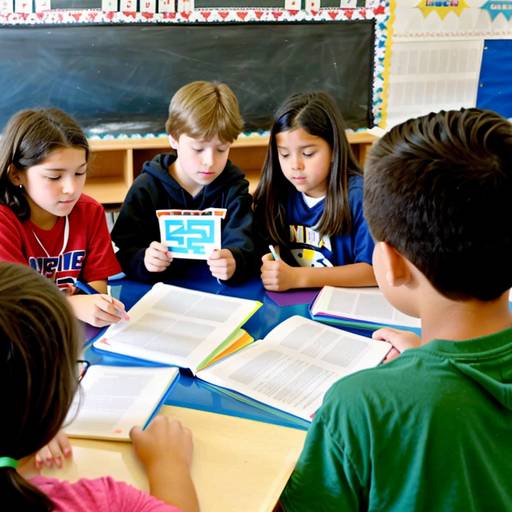
This 5th-grade Language Arts lesson focuses on enhancing reading comprehension and fluency through an interactive group activity. Students are divided into teams and provided with short reading passages to practice. They work together to improve their reading skills, concentrating on speed, accuracy, and expression during their practice time. The central activity is a relay-style reading challenge, where team members take turns reading aloud for timed intervals. Their progress is monitored using fluency tracking sheets to record times and improvements. The lesson concludes with a reflection session, where students share their insights and summarize their readings to demonstrate comprehension. Assessment is based on fluency performance, comprehension, and teamwork. Extensions include regular reading relays with new materials and opportunities for students to showcase their reading efforts.