
Filters
Level
Grade
Subject
Subject Area
Subject Topic
Standard(s)
Audience
Keyword
DurationMinutes
4th Grade Music Lesson Plans

In this 4th-grade music appreciation lesson, students will explore various music genres, including classical, jazz, rock, pop, and world music. The lesson begins with a discussion on the importance of music and personal favorites, followed by listening to short audio clips of each genre. Students will share their thoughts and feelings about the music, leading to a collaborative chart that highlights the characteristics of each genre.
In small groups, students will engage in a creative activity where they create visual collages representing their assigned genre, incorporating key traits, instruments, and notable artists. Each group will then present their collage to the class, fostering communication and teamwork. To conclude the lesson, students will reflect individually on their favorite genre through a worksheet, articulating their preferences and reasons.
Assessment will be based on participation, the quality of the collages, and the reflections submitted by each student. Additionally, students will be encouraged to contribute their favorite songs to a class playlist for future enjoyment, reinforcing the lessons learned about music diversity and appreciation.
In this 4th-grade music appreciation lesson, students will embark on an auditory exploration of various musical genres from around the world. The lesson begins with an engaging discussion about the importance of music in different cultures and encourages students to share their personal musical preferences.
Students will then participate in a structured listening activity, where they will hear a series of audio clips representing diverse cultures, such as African drumming and Indian classical music. As they listen, they will fill out worksheets to capture their observations about the instruments, rhythms, and emotional responses elicited by each piece.
Following the listening activity, a class discussion will allow students to share their insights and compare their thoughts on the different genres. To culminate the lesson, students will engage in a creative activity, creating artwork inspired by the music they enjoyed, while revisiting the audio clips for inspiration.
The class will conclude with a sharing session where students present their artwork and explain its connection to the music. Throughout this lesson, students will enhance their listening skills, develop an appreciation for global musical diversity, and express their creativity, providing a well-rounded experience in music appreciation and cultural awareness.
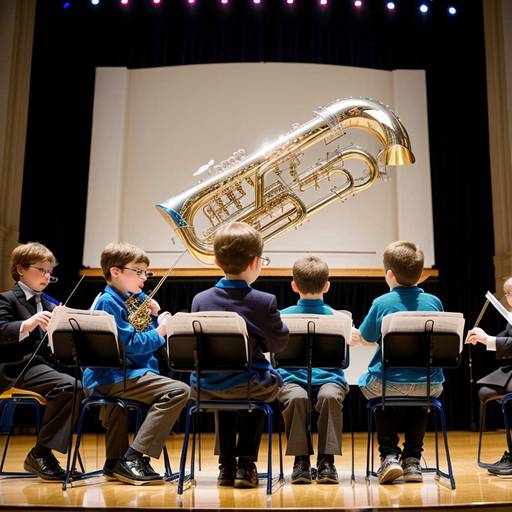
In this 60-minute music lesson for 4th graders, students will explore wind instruments, learning to identify and categorize them into woodwind and brass categories. The lesson begins with engaging video clips and discussions to stimulate prior knowledge and curiosity about the instruments. Students will then delve into the mechanics of sound production, participating in hands-on activities that emphasize how air and varying techniques create sound.
After understanding the concepts, students will collaborate in small groups to practice playing their assigned wind instruments, creating simple melodies or rhythms. Each group will perform their piece for the class, allowing them to demonstrate teamwork and creativity. The lesson concludes with a reflective discussion, where students share their experiences and insights gained throughout the session. Assessment will be based on participation, group performances, and worksheet comprehension. Extensions may include a field trip to a live music performance featuring wind instruments and an introduction to famous composers who utilized them in their works.
In this 4th-grade music appreciation lesson, students will explore and understand famous songs from various eras, highlighting their historical context and cultural significance. The lesson begins with a warm-up discussion where students share their favorite songs. Following this, they will engage in listening stations, where small groups will rotate through different stations featuring a selection of iconic songs from diverse genres and decades. At each station, students will listen to the music and discuss its themes and historical relevance, using provided handouts for reference.
After completing the stations, the class will regroup to share reflections on the songs that resonated with them and how those songs mirror the time periods in which they were released. The lesson concludes with a creative component, where students are encouraged to write their own short verses or choruses inspired by the themes they explored. This activity fosters creativity and personal connections to music while reinforcing the understanding of its role in reflecting societal values and emotions. Assessments will be based on participation in discussions, group reflections, and the creativity displayed in their song creations. Additionally, extensions may include individual research assignments on other songs and organizing a themed presentation day for students to showcase their findings and creative outputs.
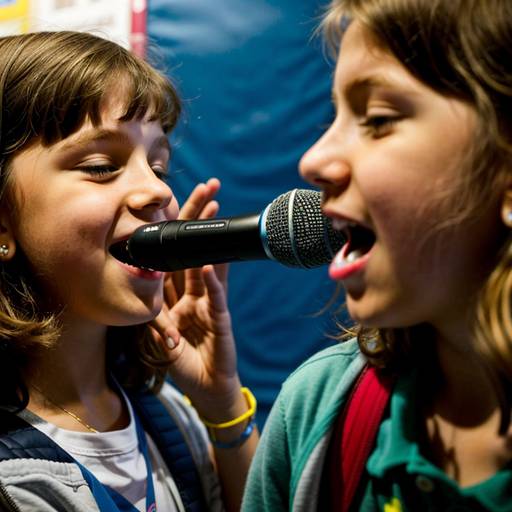
In this 4th grade music lesson, students will explore the emotional and expressive qualities of singing while practicing a selected song. The lesson begins with a discussion about the connection between music and emotions, followed by vocal warm-up exercises to enhance vocal skills. Students will learn rhythmic patterns using clapping and instruments to build teamwork and listening abilities.
As they dive into the song, students will work together to practice the lyrics, focusing on pitch and dynamics. The importance of expression and body language will be discussed to enhance their performance skills. After group rehearsals, students will perform the song, showcasing their individual and collective efforts.
The lesson concludes with a reflection on their experiences and learning, emphasizing personal growth in singing and teamwork. Assessment will be based on engagement, rhythm accuracy, and expression during performance, with opportunities for extensions and adaptations to support diverse learners. This engaging lesson encourages creativity and builds confidence in students' musical abilities.
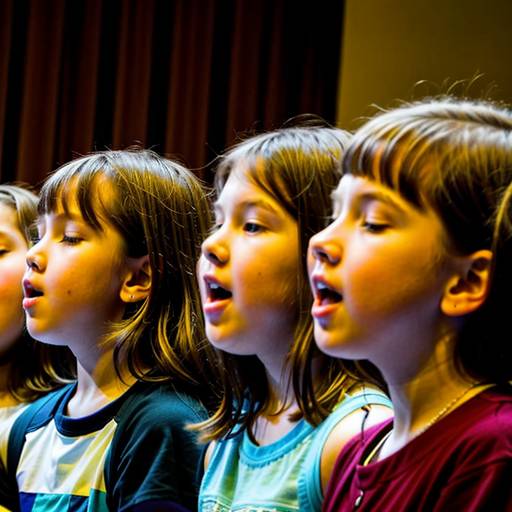
In this 4th-grade music lesson, students will explore the concepts of singing and harmony through engaging activities that foster collaboration and creativity. The lesson begins with an introduction to key musical terms such as melody, harmony, and unison. After a series of vocal warm-ups to prepare their voices, the class will practice singing a familiar song together in unison before learning a simple harmony part. Students will be divided into smaller groups to create their own harmonies for a different well-known song, allowing them to apply what they’ve learned in a collaborative environment. The lesson will culminate with group presentations, where students can share their unique harmonizations and reflect on their experiences. Throughout the lesson, emphasis will be placed on teamwork and listening skills, providing students with a foundational understanding of singing together in harmony.
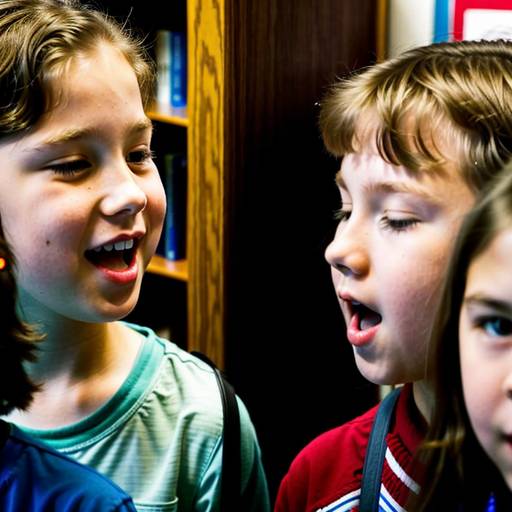
In this 4th-grade music lesson, students will explore the concept of singing in unison while developing their vocal skills, rhythm, and expression through a fun and engaging song. The lesson begins with a discussion about the importance of group singing, followed by warm-up exercises to prepare their voices. Students will learn a chosen song by breaking it down into manageable sections, practicing each part while focusing on maintaining pitch and rhythm together. Simple percussion instruments will be introduced for those interested, enhancing their understanding of rhythm and collaboration.
After thorough practice, students will have the opportunity for a mini-performance within the classroom, emphasizing the joy of sharing music with one another. The lesson concludes with a reflection on the experience, allowing students to express their thoughts about teamwork and what they learned. Extensions may include movements to accompany the song or a discussion on its cultural significance, all promoting an appreciation for the art of music and the benefits of singing together.
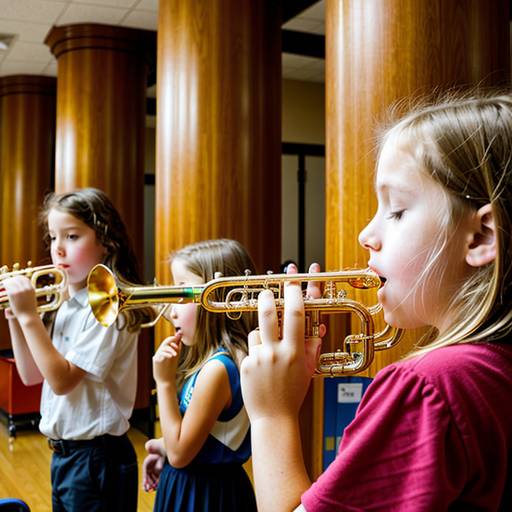
This lesson plan introduces fourth-grade students to the world of wind instruments, focusing on their identification, sound production, and musical significance. The session begins with an engaging discussion about students' experiences with wind instruments, accompanied by visual and audio resources to enhance their understanding. Students listen to pieces of music that feature various wind instruments, allowing them to identify sounds and discuss the characteristics of each instrument.
Following this, a demonstration of selected instruments provides a hands-on learning experience, where students have the opportunity to try out simple notes on accessible instruments. The class is then divided into small groups, each tasked with researching a particular wind instrument and preparing a brief presentation to share with their peers.
The lesson concludes with a whole-class reflection, encouraging students to express their thoughts on the instruments they found most interesting. A worksheet is provided for individual assessment, allowing students to consolidate their learning by answering questions and illustrating a wind instrument they favor. Opportunities for further exploration are suggested, such as bringing in instruments from home or planning a day for performances, to deepen students' engagement with the topic.