
Filters
Level
Grade
Subject
Subject Area
Subject Topic
Standard(s)
Audience
Keyword
DurationMinutes
4th Grade Fractions Lesson Plans


In this 4th grade math lesson, students will learn to identify and add fractions, focusing on both like and unlike denominators. The session begins with a review of basic fraction concepts using visual aids, such as fraction circles. Direct instruction will guide students through the process of adding fractions, explaining how to handle both types of denominators with clear examples and steps for finding common denominators.
Students will then engage in a paired activity where they choose fraction cards and collaborate to find the sums, reinforcing their understanding through hands-on practice. Following this, they will complete a worksheet individually, which includes a variety of addition problems involving fractions.
The lesson concludes with a review of key concepts, allowing students to share their answers and thought processes. The teacher will assess understanding through observation during activities and by reviewing the completed worksheets. There are opportunities for extension activities for students who finish early, providing additional challenges or word problems related to fractions.
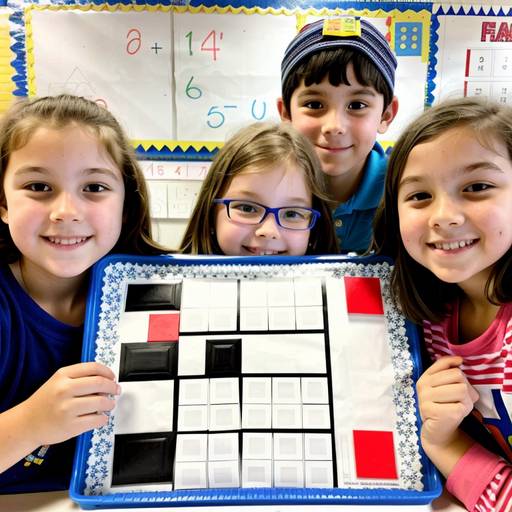
This 4th-grade math lesson focuses on teaching students about fractions and how to compare them effectively. The lesson begins with an engaging discussion to introduce the concept of fractions as parts of a whole, using real-life examples. Students will learn to compare fractions through direct instruction involving visual models, such as fraction circles, and methods for finding common denominators.
During guided practice, students will work in pairs to create and compare their own fractions using hands-on materials and write their comparisons using symbols (<, >, =). Following this collaborative activity, students will complete a worksheet that reinforces their understanding by requiring them to visualize and compare fractions both numerically and on a number line.
The lesson concludes with a class recap where students share their findings and reflect on the concepts learned. Assessment will be based on observation during activities and evaluation of the completed worksheets, with accommodations provided for different learning needs. The overall goal is to ensure students grasp the foundational skills related to fractions and can confidently compare them in various contexts.

This 4th-grade math lesson focuses on helping students understand fractions as parts of a whole and applying this knowledge to solve real-world word problems. The lesson begins with a review of fractions and an introduction to fractional word problems through engaging class discussions. Students participate in guided practice as they collaboratively solve sample problems using visual aids like fraction circles.
They then move on to independent practice with worksheets featuring a variety of fraction word problems, giving them an opportunity to apply their learning. The lesson concludes with a sharing session where students present their solutions, thereby reinforcing their understanding through peer interaction. Assessment is based on participation and accuracy in solving problems, with follow-up activities available for early finishers. Overall, the lesson aims to enhance students' comprehension of fractions and their practical applications through interactive and collaborative learning experiences.
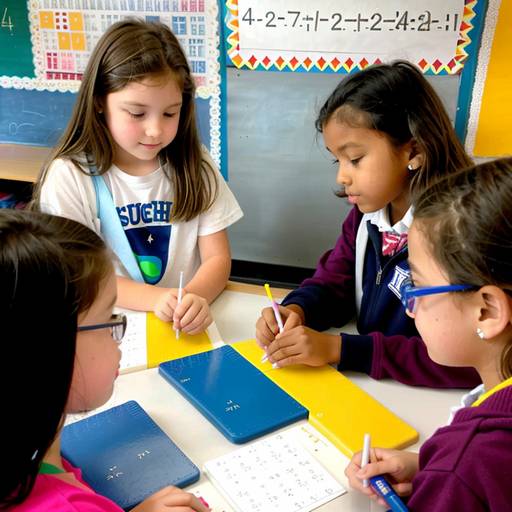
This lesson plan is designed for 4th grade students and focuses on the concept of subtracting fractions with like denominators. The lesson begins with a review of fractions and an introduction to subtraction using visual aids such as fraction circles or bars. Students learn to subtract fractions by focusing on the numerators while keeping the denominators constant, followed by a demonstration with examples and guided practice in pairs. Independent practice allows students to work on fractional subtraction problems, including word problems related to real-life scenarios. The class concludes with a review of key concepts and student sharing of their solutions, providing an opportunity for assessment and addressing any lingering questions. Differentiation strategies are employed to support diverse learning needs, and a homework assignment reinforces the day’s learning by combining practice with real-world applications.
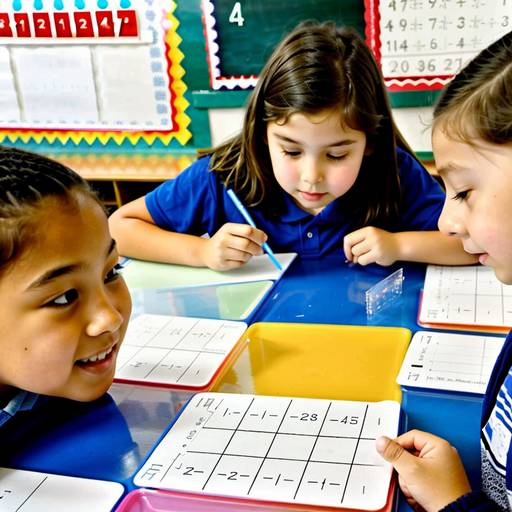
This 4th-grade math lesson plan focuses on teaching students about fractions, particularly how to compare and order them. The lesson begins with an introduction to the concept of fractions using visual aids, helping students understand their representation as parts of a whole. Direct instruction includes methods for comparing fractions using visual models, common denominators, and benchmark fractions.
During guided practice, students work in small groups with manipulatives to compare different fractions and discuss their findings. Independent practice involves completing worksheets that require ordering and comparing various fractions. The lesson concludes with a class review of key concepts and student sharing.
Assessment is conducted through observation and worksheet evaluation to gauge understanding, while extensions are available for advanced students, and modifications cater to those needing additional support. This comprehensive approach ensures that students engage with and deepen their understanding of fractions.

This 4th-grade math lesson focuses on introducing students to the concept of fractions and specifically how to add fractions with like denominators. The lesson begins with a visual and engaging hook using familiar concepts, such as pizza, to capture students' interest in fractions. Direct instruction follows, where the teacher explains the addition of fractions step-by-step, using clear examples on the whiteboard.
Students then participate in a group activity using manipulatives, enabling them to visually and physically combine fractions. This hands-on approach reinforces their understanding of adding fractions. After working collaboratively, students move to independent practice through a worksheet that includes a variety of addition problems and word problems involving fractions.
The lesson concludes with a class discussion to review key concepts, and students complete an exit ticket that captures their learning. Throughout the lesson, the teacher assesses student understanding via observation and worksheet performance, providing differentiated support where necessary to address varying skill levels. Overall, the objective is to enhance students' grasp of fractions and their ability to add them effectively in both academic and real-life contexts.

This 4th-grade math lesson focuses on understanding fractions and solving related word problems. Students will begin with a review of fractions, discussing their definitions and examples while utilizing visual aids. The lesson will introduce fraction word problems, guiding students through a sample problem to demonstrate how to identify the whole and the part consumed, ultimately calculating the remaining fraction.
Following direct instruction, students will work in small groups to collaboratively solve provided fraction word problems, using visual representations to aid their understanding. After this guided practice, students will complete an independent worksheet featuring various fraction word problems, demonstrating their problem-solving skills and understanding of the concepts.
The lesson concludes with a review, allowing students to share their answers and reflect on what they learned, while an exit ticket prompts them to express one takeaway and one question they still have. Assessments will include monitoring group work, reviewing worksheet responses, and addressing questions through exit tickets, paving the way for future lessons on adding and subtracting fractions with like denominators.
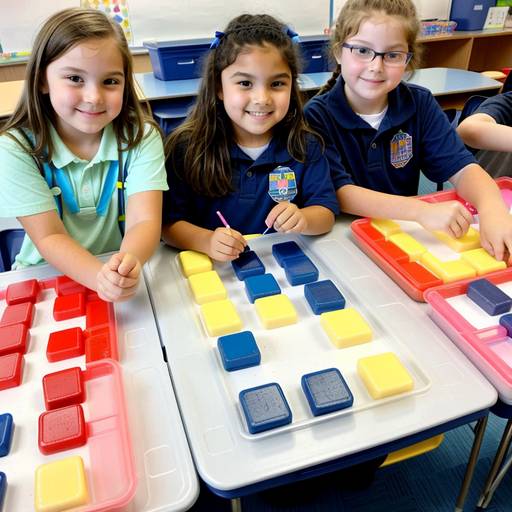
This lesson plan focuses on helping 4th-grade students understand fractions and identify equivalent fractions. The lesson begins with an engaging question about fractions using a relatable example, setting the stage for the learning objectives. Students are introduced to the basic concepts of fractions, including numerators and denominators, followed by an explanation of equivalent fractions with visual aids.
In the guided practice section, students create equivalent fractions using paper plates, allowing them to visually see and record their findings. An independent practice worksheet reinforces their understanding by challenging them to identify and create equivalent fractions on their own. The lesson concludes with a review of key concepts and an optional bingo game that serves as a fun way to assess their comprehension.
Extensions are provided for advanced learners, while additional support strategies are suggested for those who may struggle with the material. The teacher will reflect on the effectiveness of the lesson, considering student engagement and understanding for future improvements. Overall, the lesson integrates hands-on activities, visual aids, and collaborative learning to foster a solid grasp of fractions and equivalency.

In this 4th-grade math lesson, students will explore the concept of fractions as parts of a whole and apply their understanding by solving various fraction word problems. The lesson begins with a brief review of fractions, illustrated through examples and real-life contexts, such as sharing food.
During guided practice, students collaboratively solve a sample word problem, learning to identify keywords that help in understanding fraction scenarios. They then engage in independent practice, where they work on a worksheet with a variety of fraction problems, using fraction circles or bars to visualize their answers.
To reinforce learning, students participate in a hands-on activity, creating their own visual representations of fractions from their worksheets. In closing, students share their work and summarize what they've learned about fractions and their real-world applications. Assessment will be based on observation during activities and the evaluation of completed worksheets, with an extension offered for advanced learners. The lesson aims to foster both conceptual understanding and practical application of fractions in everyday situations.
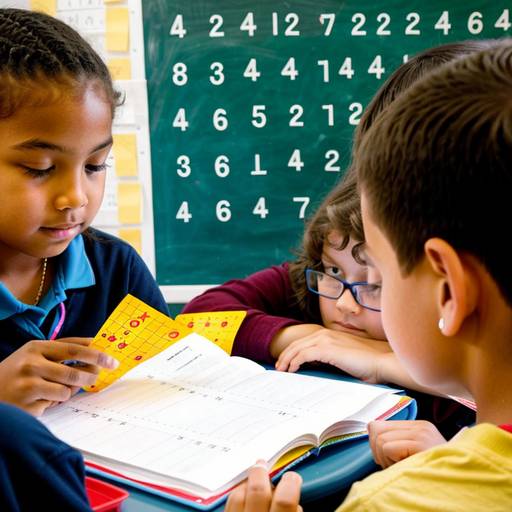
In this 4th-grade math lesson, students explore the concept of subtracting fractions with like denominators. The lesson begins with an engaging hook featuring a real-life scenario related to cooking, which leads to a discussion about the use of fractions in daily life. The instructor introduces the concept of subtracting fractions by explaining the process of subtracting only the numerators while keeping the denominators consistent. Visual aids, such as fraction circles or strips, are utilized to reinforce understanding.
Students participate in guided practice by solving a series of fraction subtraction problems collaboratively, followed by independent work on real-world word problems involving fraction subtraction. The lesson concludes with a class discussion on the solutions to these problems, allowing students to reflect on their learning and build confidence in their skills.
Assessment occurs through participation, accuracy in worksheets, and engagement in discussions. Differentiation strategies ensure that both advanced learners and those needing additional support can succeed. The instructor plans to reflect on the effectiveness of the lesson and consider adjustments for future instruction on fractions.