
Filters
Level
Grade
Subject
Subject Area
Subject Topic
Standard(s)
Audience
Keyword
DurationMinutes
4th Grade Language Arts Lesson Plans

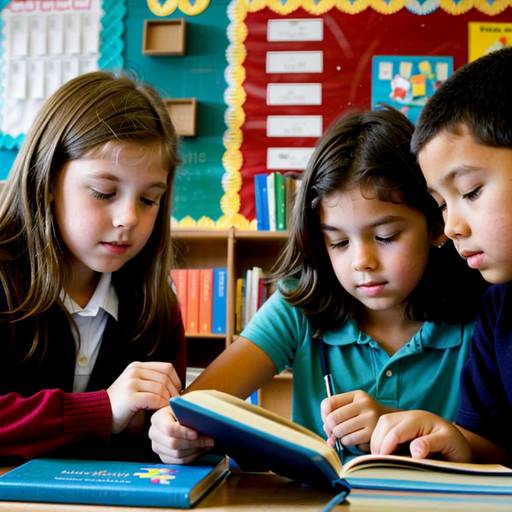
This 4th-grade language arts lesson focuses on helping students understand various reading genres and their characteristics. The lesson begins with a discussion to activate prior knowledge about genres, followed by direct instruction where key genres, such as Fiction, Non-Fiction, Mystery, Fantasy, Historical Fiction, and Poetry, are defined and examples are provided.
Students work in small groups to classify a selection of books into the appropriate genres based on their unique features. For independent practice, each student chooses a book, reads a short excerpt, and completes a graphic organizer noting the title, author, genre, and key characteristics.
The lesson concludes with students sharing their findings with the class, reinforcing the importance of understanding genres in enhancing the reading experience. Assessment includes observations of group participation, review of graphic organizers, and an exit ticket where students reflect on a new genre they learned about. Adaptations are provided for different learning needs, ensuring all students can engage meaningfully with the material.
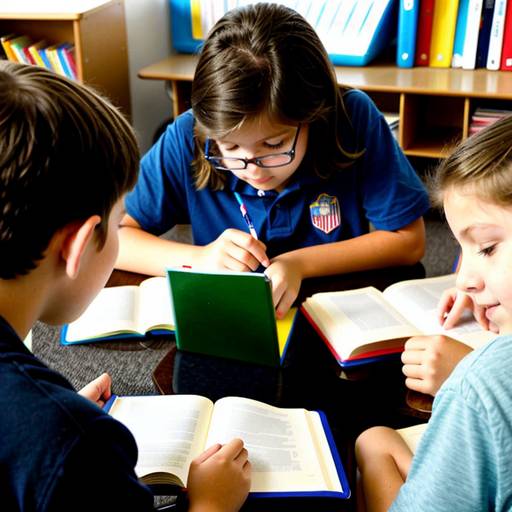
In this 4th-grade Language Arts lesson, students focus on improving their reading fluency through collaborative activities. The lesson begins with a discussion about reading fluency and a modeling session where the teacher demonstrates fluent reading. Students are then paired up and engage in a timed reading exercise, taking turns reading a selected text while providing feedback to each other using fluency tracking sheets.
After practicing their reading, the class reconvenes to discuss the text, answering comprehension questions that require them to reference specific details. Students complete a written response to further demonstrate their understanding of the material. Throughout the lesson, teachers monitor students’ progress and provide support as needed.
The lesson aims for students to leave with enhanced reading skills and a better understanding of the text, while also encouraging them to continue practicing their reading fluency at home. Differentiation strategies are included to cater to varying reading levels among students.
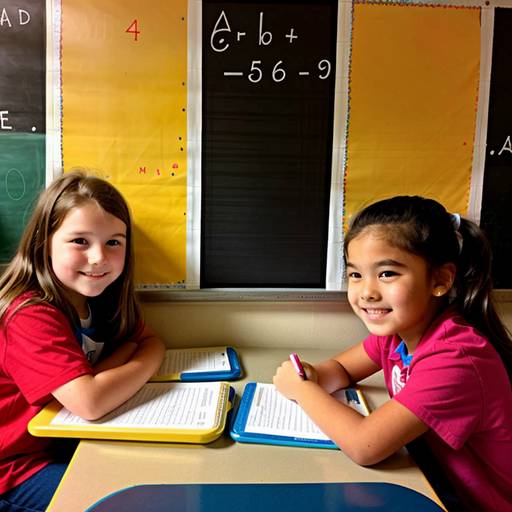
In this 4th-grade language arts lesson focused on grammar and capitalization, students will learn the essential rules for using capital letters correctly. The lesson begins with an engaging discussion about the importance of capitalization, followed by an overview of key rules, including the capitalization of the first word in a sentence, names, titles, and specific nouns. Through guided practice, students analyze and correct capitalization errors in a provided passage, fostering collaborative learning.
Following this, they will independently write sentences about their own adventures, making sure to apply the capitalization rules. Peer review will allow students to give and receive feedback on their use of capitalization. The class will conclude with a sharing session, summarizing the key concepts covered. Assessment will be based on students' participation during the practice activities and the accuracy of their written sentences, with strategies included for varying levels of student understanding. Optionally, students may complete homework that reinforces their learning through reading and identifying capitalized words in texts.

In this 4th-grade Language Arts lesson, students will explore the basics of grammar, focusing on nouns, verbs, and adjectives, as well as proper punctuation marks such as periods, question marks, and exclamation points. The lesson begins with a discussion on the importance of grammar and punctuation, illustrated with examples that highlight how these elements can change the meaning of sentences.
Following direct instruction, students will engage in a group activity where they work together to build creative sentences using provided words, ensuring correct grammar and punctuation usage. Each group will present their sentences to the class, allowing for peer feedback. Afterward, students will complete an independent worksheet that reinforces the concepts learned.
The lesson concludes with a brief review, encouraging students to reflect on their new knowledge, and it offers a creative homework assignment where they will apply what they've learned by writing a short story. Throughout the lesson, students are guided to collaborate, think critically about language use, and express their creativity while enhancing their grammar and punctuation skills.
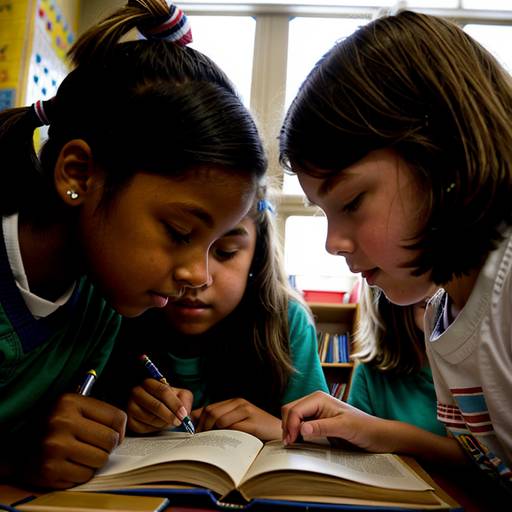
In this 4th-grade language arts lesson, students will explore the key components of narrative writing, including character, setting, plot, conflict, and resolution. The lesson begins with a class discussion about the elements that make their favorite stories enjoyable, followed by direct instruction on narrative components. Students will engage in guided practice by brainstorming a story as a class and using a graphic organizer to outline their ideas. They will then independently draft their own narratives, focusing on developing their stories based on the planned elements. The lesson concludes with sharing story ideas and providing a rubric for future reference. Assessment will be based on the completed graphic organizers and narratives, with opportunities for differentiation to support varying student needs. Overall, students will gain confidence in their storytelling abilities and creativity.

This lesson plan aims to engage 4th-grade students in the creative writing process by focusing on the essential elements of storytelling: characters, setting, and plot. The lesson begins with a warm-up discussion that encourages students to share their thoughts on what makes stories exciting. Following this, the teacher introduces and develops a collaborative graphic organizer to illustrate these story elements. A mini-lesson on descriptive language emphasizes the use of adjectives and vivid verbs to enhance storytelling.
Students then complete a worksheet to create their own unique characters, settings, and plots, providing guided support as needed. Afterward, they draft their short stories, integrating their ideas and utilizing descriptive language. The lesson concludes with a sharing session where students can present their stories to the class, fostering a sense of community and celebration of creativity. Assessment is based on participation, completion of the worksheet, and the quality of the drafted stories. Extensions and modifications are included to accommodate diverse learning needs and to enhance the creative experience.
In this 4th Grade Language Arts lesson, students will enhance their reading comprehension skills by exploring characters and plots in a selected folktale or story. The lesson begins with a read-aloud session where students are encouraged to think critically about the key elements of the narrative. Following the reading, there will be a guided class discussion to delve into the main characters, setting, and conflict of the story. Students will then pair up to complete a Character and Plot Chart, identifying essential aspects of the text. To summarize their understanding creatively, students will create a comic strip or illustrated summary highlighting the main events and characters. The lesson concludes with a sharing session and a reflection on the importance of understanding narrative components to enhance the reading experience. Assessment will include participation in discussions, the completion of charts, and evaluation of the comic strip summaries. Adaptations will be made to support diverse learners in the classroom.
In this 4th-grade Language Arts lesson, students will explore different reading genres, including fiction, non-fiction, fantasy, mystery, and poetry. The lesson begins by engaging students with a fun sharing question about their favorite book characters and introduces the concept of genres. Through direct instruction, students learn the key characteristics of each genre and examine examples of books belonging to them.
In guided practice, students work in small groups to sort a selection of books into their appropriate genres using provided genre cards. Each group will then present their findings to the class. Afterward, students choose a book from a genre that interests them and complete a graphic organizer that captures important details about their chosen text.
The lesson concludes with students sharing what they’ve learned about their selected book and genre. They also reflect on their favorite genre by participating in a vote with stickers or stamps. Assessment is conducted through observation during group activities and by reviewing the completed graphic organizers. Extensions include creating a genre-themed bulletin board and organizing a reading fair. The lesson aims to foster curiosity and an understanding of reading genres, enhancing students’ literacy skills.

In this 4th-grade Language Arts lesson, students will embark on a journey to create their own imaginative stories, focusing on elements such as setting, characters, problems, and solutions. The session begins with a discussion of what makes stories engaging, followed by a read-aloud of a children’s book excerpt to illustrate the use of descriptive language. Students will then complete graphic organizers to brainstorm their story ideas, which will guide them in writing a short narrative. Throughout the writing process, they will focus on using sensory details to enhance their descriptions. At the end of the lesson, students will have the opportunity to share their stories with classmates, fostering a sense of community and encouraging feedback. The lesson will be assessed through the graphic organizers and the final stories, promoting creativity and clarity in writing. Extensions for this lesson may include developing sequels or comic strips to further explore their narratives.
In this 4th-grade language arts lesson, students will learn about narrative writing by exploring its key elements, including characters, setting, plot, conflict, and resolution. The lesson begins with a read-aloud of a picture book or short story to engage students and highlight these components. Following a direct instruction segment, students work in pairs to brainstorm and outline their own story ideas using a graphic organizer. Each student then writes an independent narrative based on their outlines, focusing on descriptive language and clear sequence of events. The lesson concludes with selected students sharing their stories aloud, fostering a supportive environment for peer feedback and reflection on the writing process. Assessment includes observation of participation and review of written narratives to evaluate understanding of narrative elements. Differentiation strategies and extension activities are included to meet diverse student needs and encourage further creativity.