
Filters
Level
Grade
Subject
Subject Area
Subject Topic
Standard(s)
Audience
Keyword
DurationMinutes
4th Grade Art History Lesson Plans

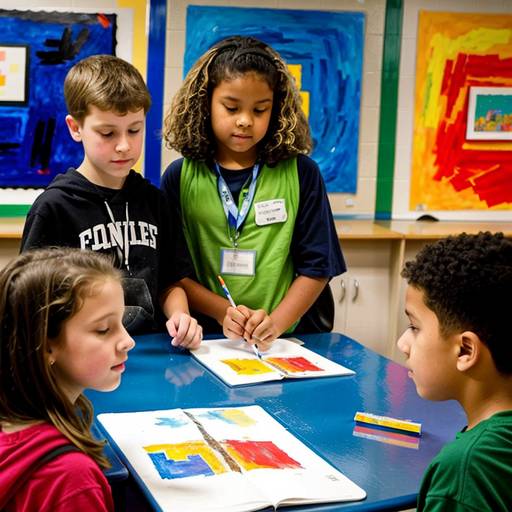
In this 4th-grade art lesson, students are introduced to the concept of Expressionism, an art movement focused on conveying emotions through color and form. The lesson begins with a discussion about various art movements, particularly how Expressionist artists like Edvard Munch and Wassily Kandinsky utilized vibrant colors and abstract shapes to express deep feelings.
Students engage in an interactive brainstorming session where they connect colors with emotions, creating a list of feelings associated with different shades. After learning about the artists and their works, students select an emotion they wish to express in their own artwork. They start by sketching their ideas and then use watercolor or tempera paints to create expressive pieces that reflect their chosen feelings.
The session concludes with a gallery walk, where students display and observe each other's artwork. They participate in reflections about their creative choices and the emotions they aimed to convey. This lesson not only enhances their understanding of a significant art movement but also encourages personal expression and emotional literacy through artistic creation.
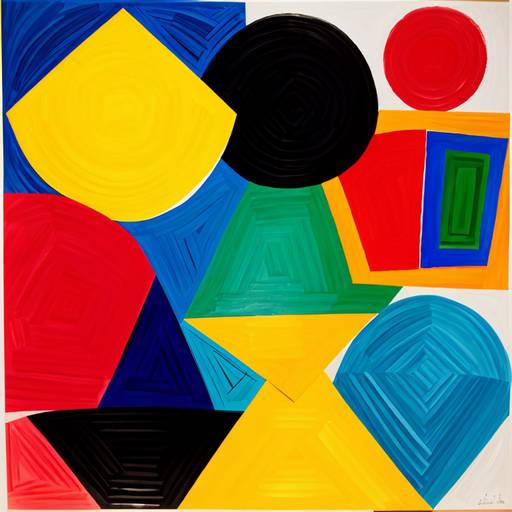
In this 4th-grade art lesson, students will explore the Cubist movement, focusing on the works of famous artists like Pablo Picasso and Georges Braque. The class will begin with a discussion about Cubism, where students will examine key characteristics of the style and engage in conversations about the artwork presented. Following a demonstration on how to break down objects into geometric shapes, students will create their own Cubist-inspired pieces using various materials, including paper, colored pencils, and watercolors.
As they work, they will choose an object from a still life arrangement, sketch it by simplifying it into geometric shapes, and then bring their artwork to life with color. Students will conclude the lesson by sharing their creations with the class, highlighting their individual interpretations and engaging in a reflective discussion about their artistic choices. The lesson encourages creativity, collaboration, and an appreciation of an important art movement while allowing students to express their unique perspectives.