
Filters
Level
Grade
Subject
Subject Area
Subject Topic
Standard(s)
Audience
Keyword
DurationMinutes
4th Grade Art History Lesson Plans


In this art lesson designed for 4th graders, students will explore the works and styles of three influential artists: Vincent van Gogh, Frida Kahlo, and Pablo Picasso. The lesson begins with a brief introduction to art history and notable achievements of each artist, highlighting their unique contributions to different art movements. Students will examine key artworks and engage in discussions about emotions, colors, and techniques used by these artists.
Following the exploration, students will create their own artwork inspired by their chosen artist, utilizing materials such as oil pastels or paints. Emphasis will be placed on incorporating elements characteristic of the selected artist’s style. As the lesson concludes, students will share their creations in a mini art gallery walk, allowing them to express their inspirations and reflect on what they learned. The lesson aims to foster an appreciation for art history while encouraging creativity and personal expression among students.
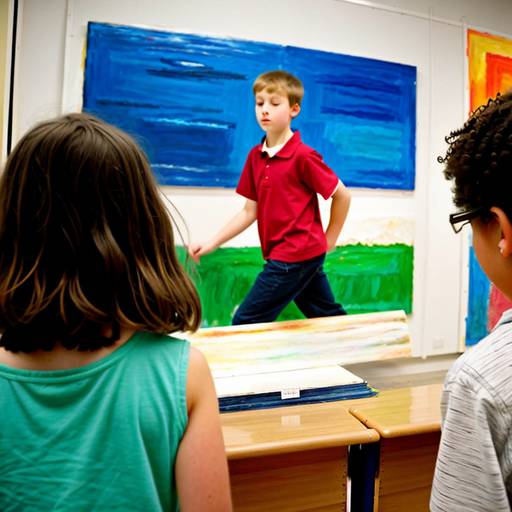
In this 4th-grade art history lesson, students will explore various art periods, including Impressionism, Cubism, and Pop Art, to understand their defining characteristics. The lesson begins with a discussion about the significance of art and a presentation of iconic artworks from different periods. Students will work in small groups to investigate and present information on assigned art movements, fostering collaboration and critical thinking. Following the presentations, each student will create their own mixed-media artwork inspired by their favorite art period, incorporating its distinctive elements. The lesson concludes with a class gallery walk, where students share their creations and reflect on what they learned, promoting both artistic expression and an understanding of art history. Assessment will focus on participation, creativity, and the connection between their artworks and the art movements studied. Additionally, options for extending the lesson to further engage with art history concepts are included.
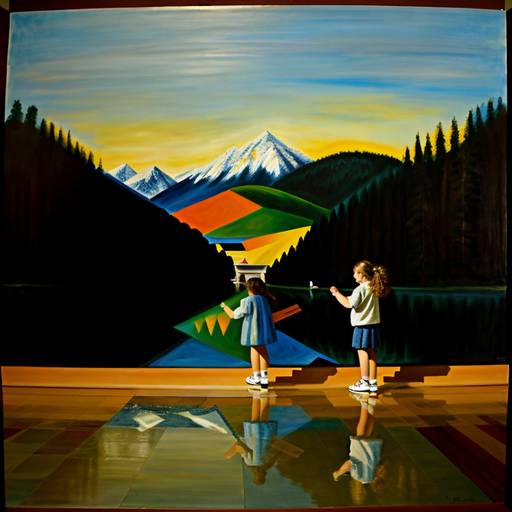
In this 4th-grade art lesson, students will embark on an engaging journey through various art movements in history, such as Impressionism, Cubism, Surrealism, and Abstract Expressionism. The lesson begins with a brief overview of these movements, accompanied by visual examples of famous artworks to highlight their unique characteristics.
Following this introduction, students will collaborate in small groups to discuss their assigned art movement, observing and sharing their insights about the styles and themes presented. After the group discussions, the students will create their own artwork inspired by the techniques and emotions associated with the movement they found most appealing. They will have the freedom to experiment with various art supplies and develop their own interpretations of the styles.
As the lesson wraps up, students will display their creations and participate in a reflective discussion about their artistic choices and the movements that influenced them. Assessment will focus on participation in discussions, understanding of the art movements, and creativity in their artwork. The lesson may also include extensions such as creating a classroom art gallery and exploring the lives of prominent artists from the discussed movements. Adaptations will be made to support diverse learners, ensuring an inclusive experience for all students.
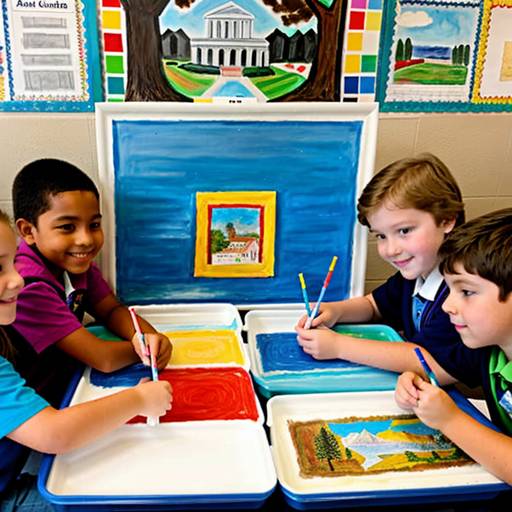
In this 4th-grade art lesson, students will explore various art periods in history, including Renaissance, Impressionism, Cubism, and Modern Art. The lesson begins with a brief introduction to the significance of art history, highlighting key characteristics and notable artists from each period through visual aids.
Students will then work in small groups, where they will discuss their assigned art period and prepare a presentation that includes an artist and artwork they find interesting. Following the presentations, each student will create their own artwork inspired by the techniques and themes of their group's art period, using watercolors or colored pencils on construction paper.
Finally, students will showcase their creations in a show-and-tell format, explaining how their artwork relates to the art period they studied. This lesson encourages creativity while enhancing understanding of how art reflects cultural values and historical context. Assessments will focus on participation in discussions, the quality of the presentations, and the creativity and relevance of the completed artworks. Extensions include creating a gallery display of student works for the school community.
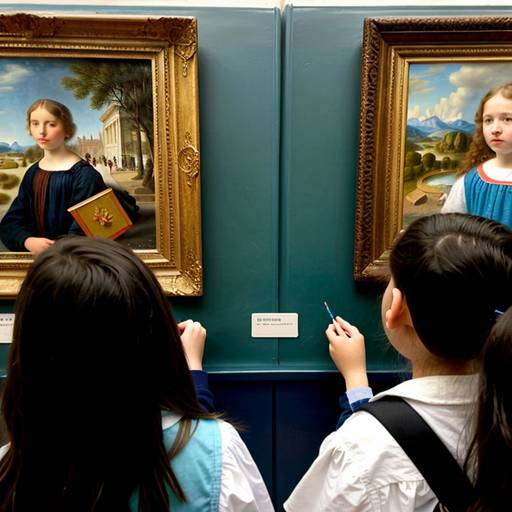
In this 4th-grade art lesson, students will explore significant art periods in history, such as the Renaissance, Impressionism, Cubism, and Pop Art. The lesson begins with an engaging presentation that highlights key characteristics of each period and showcases famous artworks. Following the presentation, students will participate in a discussion about their favorite periods and artists. They will then create their own original artwork, inspired by the styles and techniques of the chosen period, using various materials such as colored pencils and paints. The lesson will conclude with a sharing session where students display their creations and reflect on their inspirations. Assessment will focus on participation, creativity, and connection to the selected art period. Extensions may include further research on specific artists or a classroom art gallery display. This lesson aims to foster an appreciation for art history while encouraging personal expression.
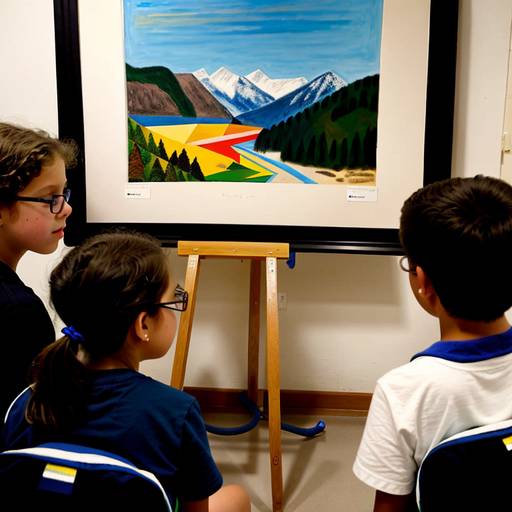
In this 4th-grade art lesson, students will explore various art movements and the historical contexts behind them, emphasizing how artists use their work to tell stories about their societies. The lesson begins with an introduction to different art movements, featuring visual examples and discussing the themes represented in notable artworks. Students will then work in small groups to delve deeper into their assigned movement, identifying key characteristics and themes. After presenting their findings to the class, each student will create their own artwork inspired by the movement they studied, incorporating relevant techniques and storytelling elements. The lesson concludes with a gallery walk where students share their creations, provide feedback to peers, and reflect on their learning experiences. Assessment will focus on participation, creativity, and effort throughout the activities. Extensions include inviting a local artist for a talk or creating a class mural, fostering further engagement with the topic.
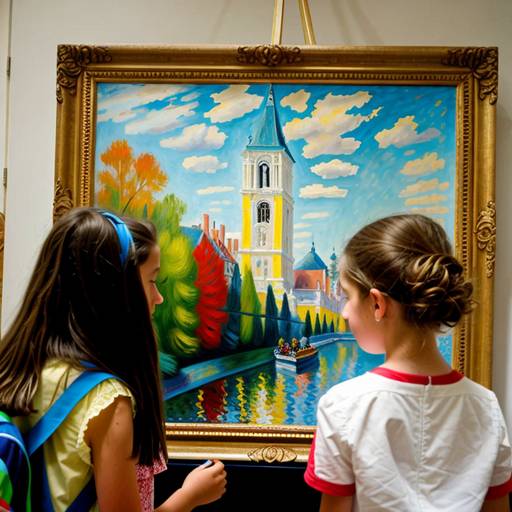
This two-day lesson plan introduces 4th-grade students to the Impressionist art movement, focusing on its key characteristics and influential artists such as Claude Monet and Pierre-Auguste Renoir. The first day begins with an engaging presentation that showcases famous Impressionist paintings, followed by a class discussion that stimulates critical thinking about color, emotion, and technique. Students complete an art history worksheet to reinforce their understanding of the movement.
On the second day, students review the concepts learned and receive instructions for creating their own watercolor paintings inspired by Impressionism. They practice using watercolors to achieve light and texture effects in their artwork. After painting, students participate in a gallery walk to share their creations, fostering appreciation and reflection on their peers' work. The lesson emphasizes creativity, engagement with art history, and the exploration of different artistic techniques, culminating in a meaningful artistic experience. Assessment is based on participation, the completion of the worksheet, the quality of their artwork, and engagement during the gallery walk.
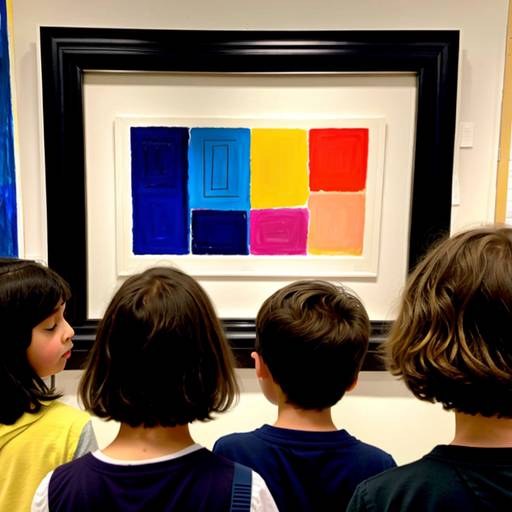
This lesson plan is designed for 4th grade students to explore significant art movements, specifically Impressionism, Cubism, and Surrealism. The class begins with an engaging introduction to art history, where students discuss their favorite artworks and learn about the context and characteristics of each art movement. Through visual presentations, students examine iconic works by artists such as Monet, Picasso, and Dalí, gaining insights into the distinctive features and historical influences that shaped these movements.
Following the presentations, students participate in group discussions to delve deeper into their assigned movements, sharing interesting facts with their peers. The lesson culminates in a creative activity where each student creates their own artwork inspired by one of the movements, allowing them to apply what they’ve learned through hands-on practice. Finally, students present their artworks to the class, fostering a sense of confidence and community. The lesson concludes with reflections on their experiences, with opportunities for assessment based on participation and creativity. Extensions include creating a bulletin board to showcase student work and organizing a mini-exhibition for families. Overall, the lesson combines art history with creative expression, encouraging students to engage with and understand the evolution of art.
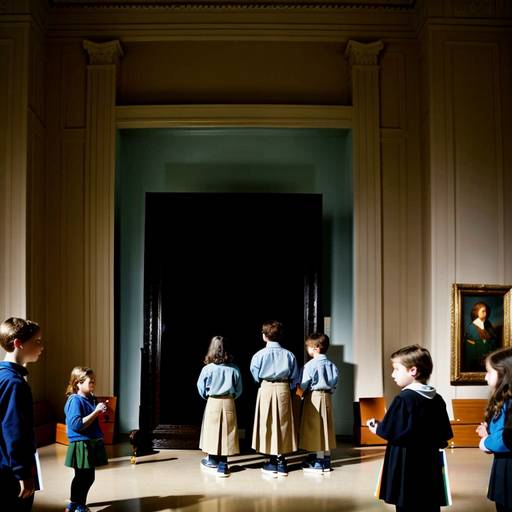
This 4th grade art lesson plan aims to introduce students to significant art periods throughout history, including the Renaissance, Impressionism, Cubism, and Modern Art. The lesson is divided into two class periods.
In the first session, students engage in discussions about art, followed by a presentation that highlights key artists and distinctive elements of each art period. They also participate in a class discussion regarding historical influences on art and are assigned to research an artist from the period they find most interesting for the next class.
During the second class, students reflect on their research, then create their own artwork inspired by their chosen art period using various mediums. The session culminates in a gallery walk, where students display their creations and receive feedback from their peers.
The lesson emphasizes participation, creative expression, and comprehension of art history, allowing students to connect with the material personally. Extensions include creating a bulletin board display of student artwork and organizing a field trip to an art museum. Additionally, a language arts connection encourages students to write biographies or fictional stories about their chosen artists, reinforcing their learning.
In this engaging 4th-grade art lesson, students embark on an exploration of various historical art movements, including Impressionism, Cubism, and Surrealism. The lesson begins with an introduction to the evolution of art and its significance. Students are then divided into small groups, each assigned a specific art movement to research and present to the class, highlighting key characteristics and notable artists.
Following the presentations, a class discussion encourages students to identify similarities and differences among the movements, aided by visual aids showcasing famous artworks. In the hands-on portion of the lesson, students select an art movement that inspires them and create their own artwork reflecting its style. This activity fosters creativity and allows students to experiment with colors and techniques associated with their chosen movement.
Finally, students reflect on their creative process in journals and have the opportunity to share their artwork with the class. The lesson is assessed through participation, creativity, and journal entries, culminating in plans for a classroom art exhibit that connects their work to the history of art. This approach helps students appreciate the impact of art movements while expressing themselves artistically.