
Filters
Level
Grade
Subject
Subject Area
Subject Topic
Standard(s)
Audience
Keyword
DurationMinutes
4th Grade Art Lesson Plans

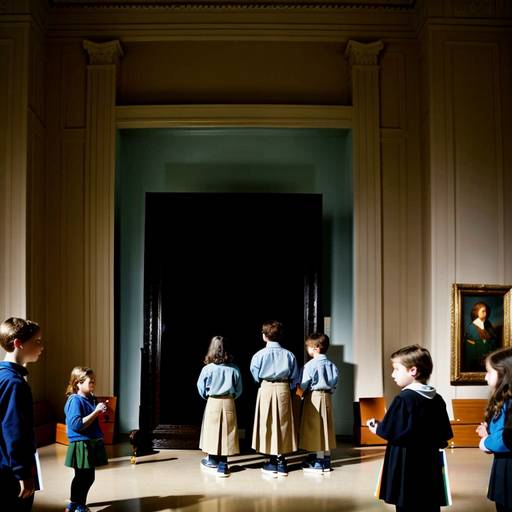
This 4th grade art lesson plan aims to introduce students to significant art periods throughout history, including the Renaissance, Impressionism, Cubism, and Modern Art. The lesson is divided into two class periods.
In the first session, students engage in discussions about art, followed by a presentation that highlights key artists and distinctive elements of each art period. They also participate in a class discussion regarding historical influences on art and are assigned to research an artist from the period they find most interesting for the next class.
During the second class, students reflect on their research, then create their own artwork inspired by their chosen art period using various mediums. The session culminates in a gallery walk, where students display their creations and receive feedback from their peers.
The lesson emphasizes participation, creative expression, and comprehension of art history, allowing students to connect with the material personally. Extensions include creating a bulletin board display of student artwork and organizing a field trip to an art museum. Additionally, a language arts connection encourages students to write biographies or fictional stories about their chosen artists, reinforcing their learning.
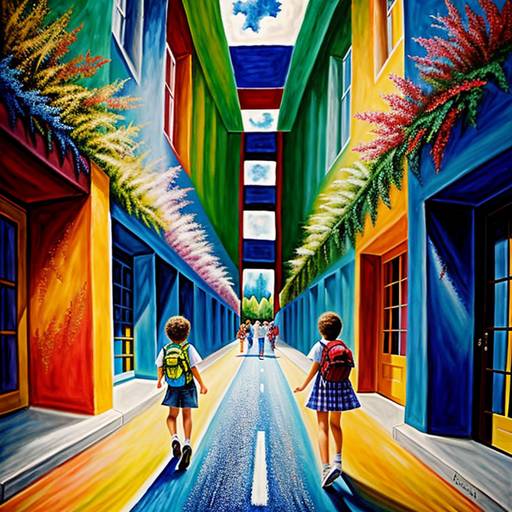
In this engaging 4th-grade art lesson, students embark on an exploration of various historical art movements, including Impressionism, Cubism, and Surrealism. The lesson begins with an introduction to the evolution of art and its significance. Students are then divided into small groups, each assigned a specific art movement to research and present to the class, highlighting key characteristics and notable artists.
Following the presentations, a class discussion encourages students to identify similarities and differences among the movements, aided by visual aids showcasing famous artworks. In the hands-on portion of the lesson, students select an art movement that inspires them and create their own artwork reflecting its style. This activity fosters creativity and allows students to experiment with colors and techniques associated with their chosen movement.
Finally, students reflect on their creative process in journals and have the opportunity to share their artwork with the class. The lesson is assessed through participation, creativity, and journal entries, culminating in plans for a classroom art exhibit that connects their work to the history of art. This approach helps students appreciate the impact of art movements while expressing themselves artistically.
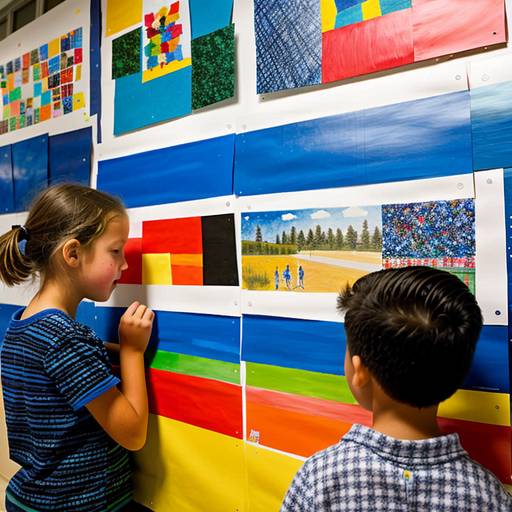
In this 4th-grade art lesson, students will explore the art technique of collage by creating their own layered masterpieces. The lesson begins with an introduction to the concept of collage and its historical significance, accompanied by examples from notable artists. Students will then brainstorm personal themes related to their hobbies, interests, or memories, which will serve as the foundation for their collages.
After a brief exploration of the available materials, including magazines, newspapers, and various decorative items, students will arrange their chosen pieces on a base before gluing them down. The focus will be on layering and creating visual interest through balance and contrast. Once completed, students will have the opportunity to share their collages with classmates, explaining their artistic choices and the meanings behind them.
Reflective discussions will emphasize the learning experience and the capabilities of collage as a medium for expression. Assessment will involve observing participation and creativity, as well as evaluating the final collages based on their artistic quality and the effectiveness of their thematic representation. Additionally, extensions of the lesson may include writing descriptions of the collages and organizing a gallery walk for peer appreciation. Adaptations will be made for students needing extra support or for those seeking to challenge themselves further with mixed media techniques.
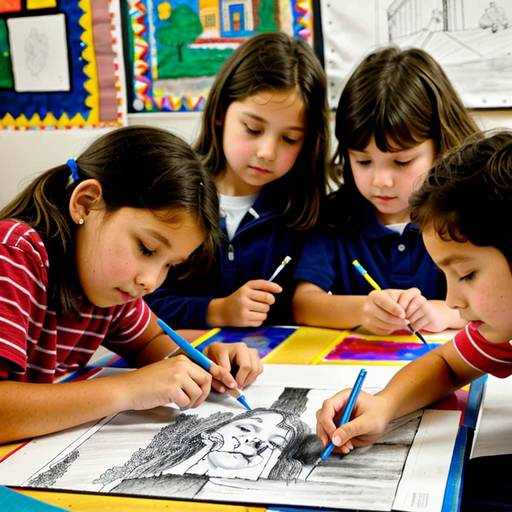
In this 4th-grade art lesson, students will explore the concepts of line types and layering techniques to create depth in their drawings. The lesson begins with a discussion on depth and how various lines can convey texture, followed by a demonstration showcasing different line types and layering in a drawing. Students then engage in guided practice by collaboratively drawing a layered landscape, applying the techniques discussed. Afterward, they will independently create their own artwork using their understanding of lines and layering to depict a chosen theme. The lesson concludes with a gallery walk, allowing students to share their work and reflect on the techniques used. Assessment will focus on students’ application of line and layering techniques in their artwork, and extensions may include artist statements and further exploration of color blending.
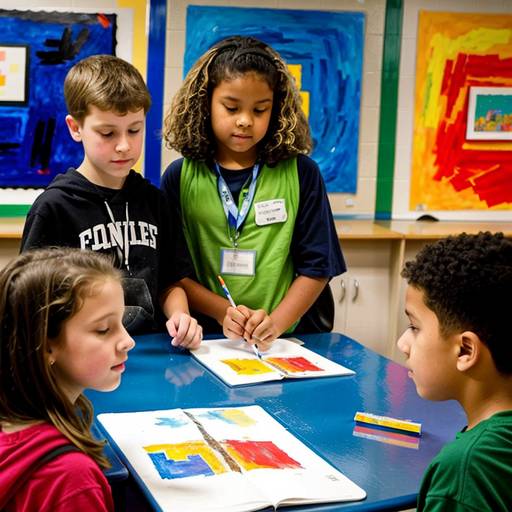
In this 4th-grade art lesson, students are introduced to the concept of Expressionism, an art movement focused on conveying emotions through color and form. The lesson begins with a discussion about various art movements, particularly how Expressionist artists like Edvard Munch and Wassily Kandinsky utilized vibrant colors and abstract shapes to express deep feelings.
Students engage in an interactive brainstorming session where they connect colors with emotions, creating a list of feelings associated with different shades. After learning about the artists and their works, students select an emotion they wish to express in their own artwork. They start by sketching their ideas and then use watercolor or tempera paints to create expressive pieces that reflect their chosen feelings.
The session concludes with a gallery walk, where students display and observe each other's artwork. They participate in reflections about their creative choices and the emotions they aimed to convey. This lesson not only enhances their understanding of a significant art movement but also encourages personal expression and emotional literacy through artistic creation.

In this 4th-grade art lesson, students will explore collage as an artistic technique by creating their own mixed media artworks that express personal themes or concepts. The lesson is structured over two sessions, beginning with an introduction to collage and its history, followed by an exploration of various materials such as construction paper, magazines, and natural elements. Students will brainstorm and prepare their ideas and materials before transitioning to the creation of their collages. They will implement concepts of composition and balance while focusing on creativity and self-expression. The lesson concludes with a sharing session, where students reflect on their process and artworks. Assessment will be based on participation and the creativity demonstrated in their final pieces. Optional extensions include collaborative projects and the introduction of additional art techniques.
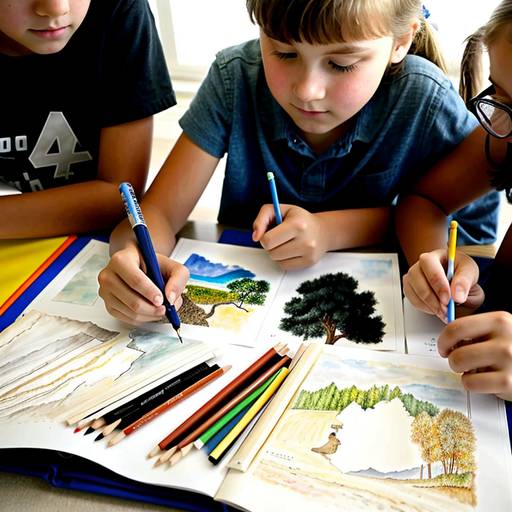
In this 4th-grade art lesson, students will explore the concept of texture through observational drawing techniques. The lesson begins with a discussion about various textures found in nature, prompting students to describe tactile qualities using descriptive language. Following this introduction, the teacher demonstrates how to represent texture in drawing, using techniques such as shading and color application.
Students will then engage in guided practice, selecting a textured object from a collection to sketch, focusing on observation and technique. For the independent practice component, they will create a composite drawing that includes multiple textured elements arranged into a cohesive scene. The lesson concludes with a sharing session, allowing students to present their artwork and reflect on their learning experience regarding texture representation.
Assessment will be based on students' participation, effort, and application of learned techniques. An optional extension activity involves creating texture collages using mixed media to further enhance their artistic expression. Overall, this lesson fosters creativity while strengthening observation and drawing skills.
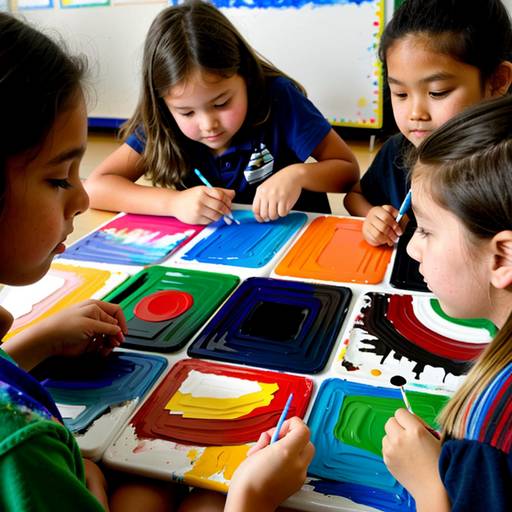
In this 4th-grade art lesson, students will explore various painting techniques and the use of color and texture, drawing inspiration from the natural world. The lesson begins with a discussion about how nature influences art, followed by a demonstration of techniques such as wet-on-wet and dry brushing.
Students will then engage in a color mixing activity to create their own "nature palette" and experiment with natural materials to add texture to their work. For the main project, each student will create an individual painting inspired by a natural scene while incorporating at least two techniques from the demonstration.
The lesson concludes with a gallery walk, where students can share their artwork and reflect on their processes and inspirations. Assessment will be based on their engagement with the techniques and the creativity displayed in their paintings. Extensions include writing a reflection on their artwork and the option for outdoor painting sessions in the future. The lesson promotes artistic expression, collaboration, and appreciation of the beauty found in nature.
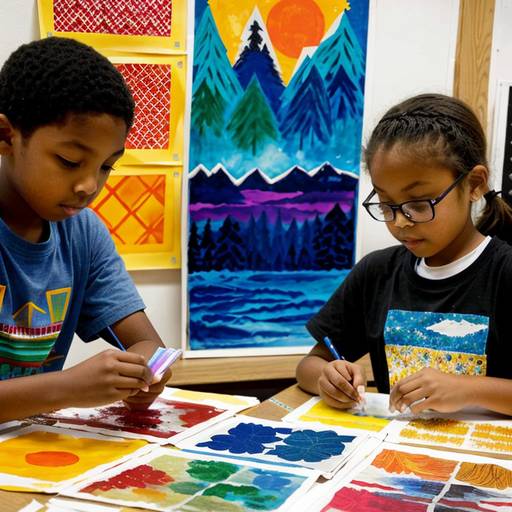
In this 4th-grade art lesson, students will explore the fascinating world of printmaking through nature-inspired creations. They will be introduced to the significance of printmaking as a form of artistic expression while examining patterns and textures found in the natural environment. The lesson begins with a discussion about printmaking techniques, followed by a demonstration of various methods, including the use of foam blocks and natural materials to create prints.
Students will engage in hands-on activities, producing multiple prints using their chosen techniques while experimenting with color and design. The lesson concludes with a mini art gallery walk, allowing students to showcase their work and discuss their favorite prints and the materials they used. Throughout the lesson, students will learn to reflect on their creative processes while enhancing their understanding of both art and nature. Assessment will focus on participation, engagement, and the originality displayed in their prints. Options for extension include incorporating scientific concepts related to the plants used in their artwork.
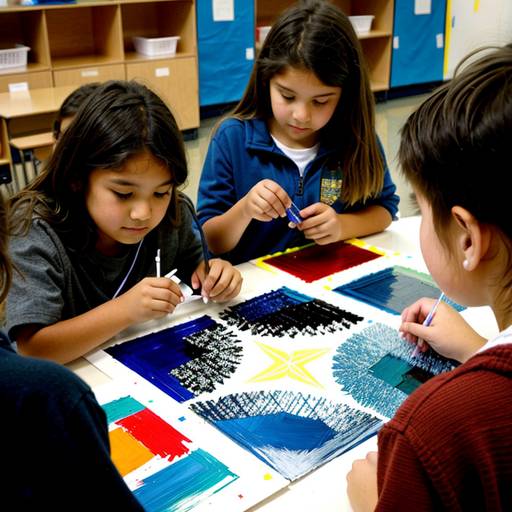
In this engaging art lesson for 4th-grade students, the focus is on exploring printmaking techniques through the use of natural materials. Over two sessions, students will learn about various printmaking methods, including relief printing, mono printing, and collagraph techniques. They will begin by experimenting with different textures and patterns created from natural items, producing multiple prints that display their understanding of these techniques.
The first session involves an introduction to printmaking, a demonstration of the techniques, and hands-on exploration where students create prints using their chosen materials. During the second session, students will build upon their initial creations by designing layered prints, emphasizing composition and color layering.
Throughout the lesson, students engage in discussion and reflection, sharing their experiences and learning outcomes. They will have the opportunity to display their finished prints, fostering a sense of community and appreciation for their artistic efforts. Assessment will focus on creativity, technique use, and individual reflections on the printmaking process. The lesson aims to deepen students' understanding of texture in art and enhance their overall creativity.