
Filters
Level
Grade
Subject
Subject Area
Subject Topic
Standard(s)
Audience
Keyword
DurationMinutes
4th Grade Art Lesson Plans

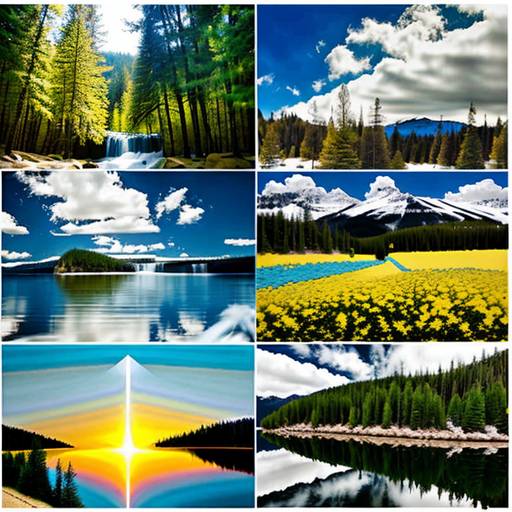
In this 4th-grade art lesson, students will explore the technique of collage through the creation of nature-themed artworks. The lesson spans two class sessions, during which students will learn about the concept of collage and its significance in the art world, as well as identify various materials that can be used in their projects.
In the first session, students will engage in brainstorming activities to generate ideas about elements of nature, followed by an exploration of different materials they can incorporate into their collages. They will then sketch a rough design to plan their compositions.
During the second session, students will bring their sketches to life by assembling their collages, focusing on layering techniques to enhance texture and depth. After completing their artwork, students will share their creations in small groups, discussing their artistic choices and experiences. The lesson emphasizes creativity, composition, and the use of diverse materials, along with opportunities for reflection and assessment based on engagement and collaboration.
Extensions to the lesson include the possibility of creating a class collage and organizing a gallery walk. Modifications are available for students needing additional support, ensuring all learners can participate in this engaging art-making experience.
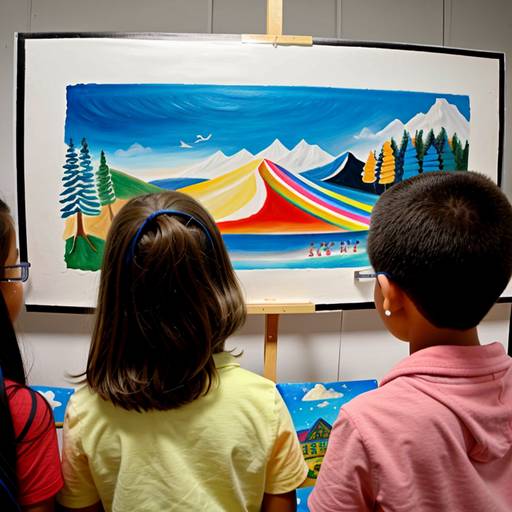
In this 4th-grade art lesson, students will explore basic painting techniques using both watercolor and acrylic paints. The lesson begins with a warm-up discussion about landscapes, allowing students to share personal experiences and view examples of various landscape artworks. Students will learn about color mixing, practicing with primary and secondary colors before sketching their own landscape scenes.
During the painting process, students will be divided into two groups based on their preferred medium, focusing on specific techniques such as blending, layering, and texturing. They will then create their colorful landscape paintings.
As the lesson concludes, students will present their artwork to the class, reflecting on their creative choices and the challenges they faced. Clean-up procedures will be discussed to ensure proper care for art materials. Assessment will be based on participation, effort, and creativity in their final pieces. Extension activities and adaptations are provided to accommodate diverse learners and encourage further artistic exploration.
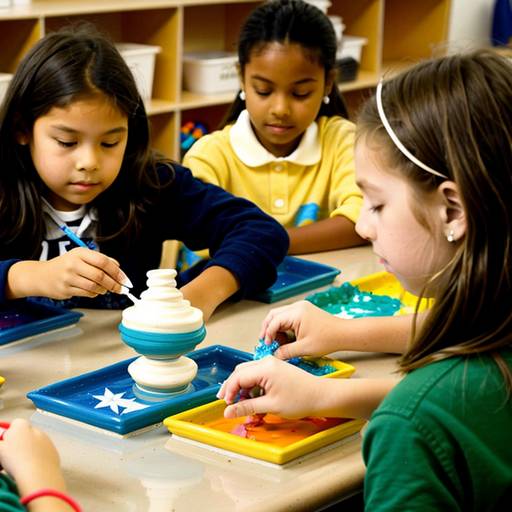
In this 4th-grade art lesson plan, students will explore the art form of ceramics by creating their own clay sculptures. The lesson spans two class periods, starting with an introduction to ceramics, discussing its cultural significance, and showcasing various ceramic art forms. After a demonstration of basic hand-building techniques such as pinching, coiling, and slab-building, students will brainstorm their ideas and sketch their designs.
In the first class, students will begin working with clay, applying the techniques demonstrated while expressing their creativity. In the second class, they will refine their projects and, depending on the type of clay used, either paint their creations or learn about glazing for kiln-fired pieces. The lesson culminates in a presentation session where students will share their works and insights regarding their artistic process, fostering an understanding of personal expression in art. Assessment will focus on participation, the final sculpture, and the presentation.
Extensions include organizing a classroom art exhibit to showcase the students' finished sculptures and exploring more advanced ceramic techniques in future lessons.
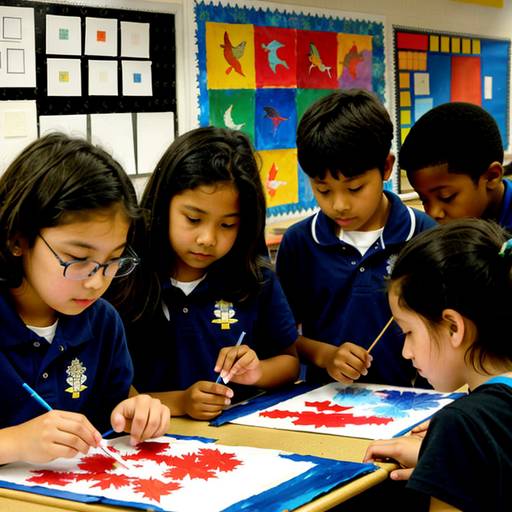
In this art lesson plan for 4th graders, students will explore printmaking techniques, focusing specifically on relief printmaking. The lesson spans two sessions, beginning with an introduction to the art form and its historical significance. Students will learn how to create their own designs using Styrofoam sheets, rolling paint onto these designs with brayers to produce prints. In the second session, they will enhance their work by incorporating various texture tools to add depth and patterns to their prints. The class will encourage creativity and experimentation, allowing students to produce multiple prints and share their experiences. The plan includes assessments based on participation, creativity, and technique, as well as an extension activity to create a classroom gallery of their artwork. Overall, this lesson fosters artistic expression while teaching important concepts in printmaking.
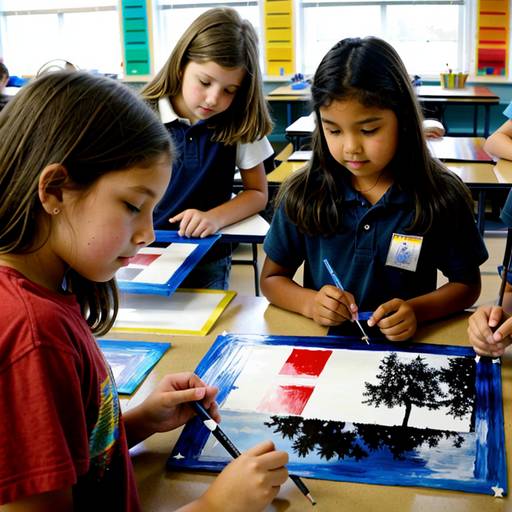
This lesson plan for 4th-grade students introduces printmaking techniques through a hands-on exploration of natural materials. Over two class periods, students engage in creating original prints inspired by nature. They learn how to design and carve printing plates using foam or cardboard, which they use to make relief prints. In the second class, students experiment with natural items like leaves and flowers to create unique prints, applying paint to these textures and pressing them onto paper. The lesson emphasizes creativity and expression as students arrange their prints into a collage. Throughout the process, students reflect on their experiences, discuss their techniques and designs, and showcase their artwork in a collaborative environment. Assessment focuses on creativity, technique application, and student engagement during both sessions.
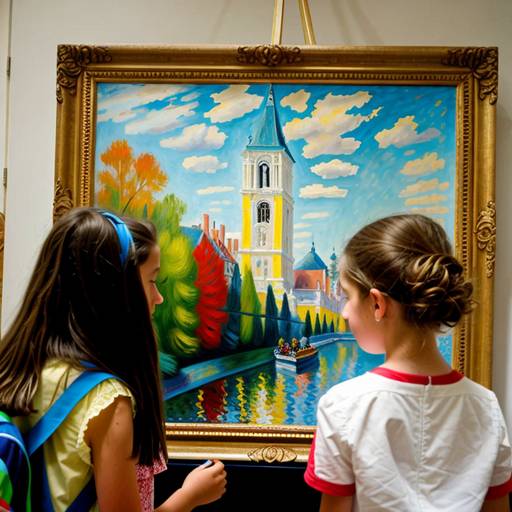
This two-day lesson plan introduces 4th-grade students to the Impressionist art movement, focusing on its key characteristics and influential artists such as Claude Monet and Pierre-Auguste Renoir. The first day begins with an engaging presentation that showcases famous Impressionist paintings, followed by a class discussion that stimulates critical thinking about color, emotion, and technique. Students complete an art history worksheet to reinforce their understanding of the movement.
On the second day, students review the concepts learned and receive instructions for creating their own watercolor paintings inspired by Impressionism. They practice using watercolors to achieve light and texture effects in their artwork. After painting, students participate in a gallery walk to share their creations, fostering appreciation and reflection on their peers' work. The lesson emphasizes creativity, engagement with art history, and the exploration of different artistic techniques, culminating in a meaningful artistic experience. Assessment is based on participation, the completion of the worksheet, the quality of their artwork, and engagement during the gallery walk.
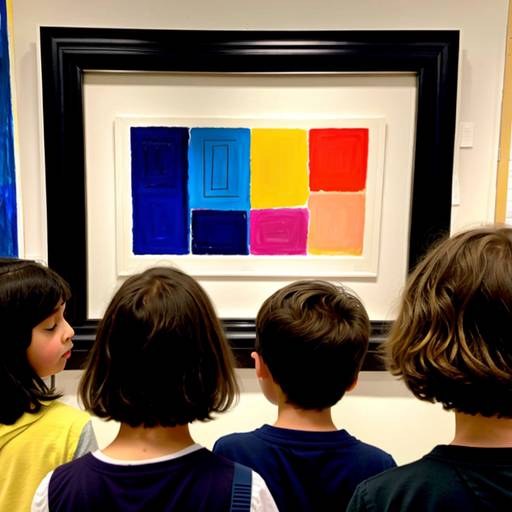
This lesson plan is designed for 4th grade students to explore significant art movements, specifically Impressionism, Cubism, and Surrealism. The class begins with an engaging introduction to art history, where students discuss their favorite artworks and learn about the context and characteristics of each art movement. Through visual presentations, students examine iconic works by artists such as Monet, Picasso, and Dalí, gaining insights into the distinctive features and historical influences that shaped these movements.
Following the presentations, students participate in group discussions to delve deeper into their assigned movements, sharing interesting facts with their peers. The lesson culminates in a creative activity where each student creates their own artwork inspired by one of the movements, allowing them to apply what they’ve learned through hands-on practice. Finally, students present their artworks to the class, fostering a sense of confidence and community. The lesson concludes with reflections on their experiences, with opportunities for assessment based on participation and creativity. Extensions include creating a bulletin board to showcase student work and organizing a mini-exhibition for families. Overall, the lesson combines art history with creative expression, encouraging students to engage with and understand the evolution of art.
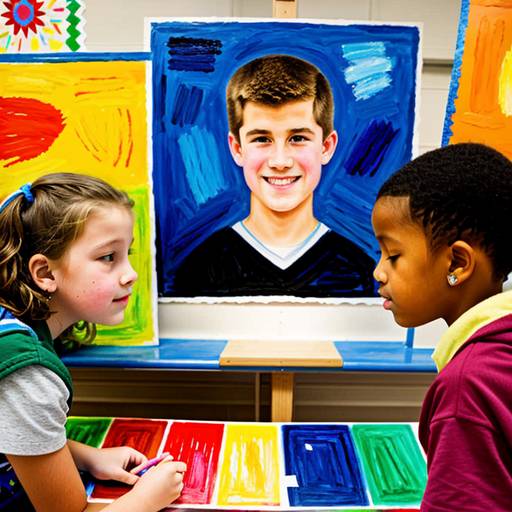
In this 4th-grade art lesson, students will explore the connection between color and emotion by creating personal drawings that represent specific feelings. The lesson begins with a discussion about emotions and how colors can evoke different responses, using a chart to illustrate common color associations. Following a demonstration of various drawing techniques such as shading and blending, students will select an emotion from provided cards and sketch a rough draft of their artwork.
Using colored pencils, crayons, or optional watercolors, they will apply the techniques demonstrated to enhance their expressive drawings. The activity culminates in a sharing session, where students present their artwork, explain their chosen emotions, and discuss their creative choices. The lesson emphasizes creativity, emotional expression, and the application of art techniques, with opportunities for both guided support and advanced exploration for students with varying skill levels.
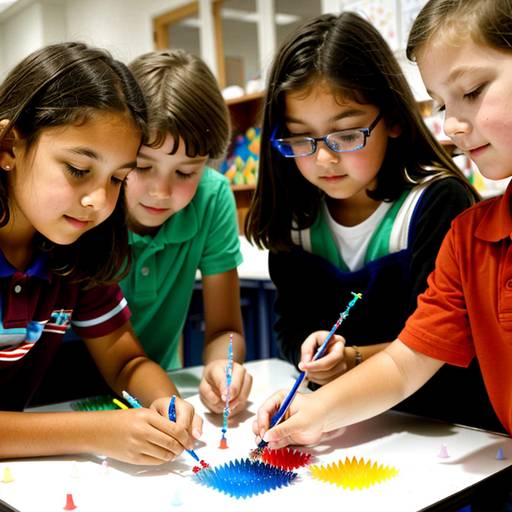
This lesson plan for 4th-grade students focuses on exploring the art form of glass, highlighting its history and significance. The plan spans two class sessions, during which students engage in discussions about various forms of art and learn about famous glass artists and their works.
In the first session, students create their own glass-inspired artwork using colorful cellophane and cardstock to mimic stained glass windows. They are encouraged to express their creativity while developing their fine motor skills.
The second session involves students finishing their projects and displaying them under a light source to see how the colors and designs change. A reflection discussion allows for sharing thoughts and experiences related to the project, fostering a deeper understanding of glass art and its impact.
Assessment is based on student engagement, effort, and creativity, while extension activities may include field trips or guest artist visits. Overall, the plan is designed to inspire appreciation for a unique art medium while encouraging self-expression.
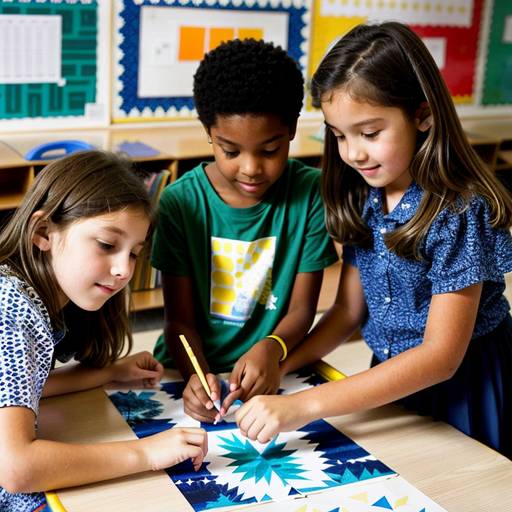
In this lesson plan designed for 4th-grade students, learners will delve into the world of printmaking by exploring texture and pattern inspired by nature. The lesson spans two class periods, beginning with an introduction to natural textures and the fundamentals of relief printing. Students will carve their own printing plates using soft foam or cardboard, applying various nature items to create unique designs. Following this, they will create prints using paint and explore color layering techniques.
In the second class, students will apply paint to their plates and make prints, culminating in a sharing session where they reflect on their creative processes and artistic choices. Assessment will focus on participation, creativity, and the techniques applied. Extensions include keeping a printmaking journal and gathering natural materials for additional projects. This engaging lesson combines hands-on art-making with an appreciation for the textures found in the environment.