
Filters
Level
Grade
Subject
Subject Area
Subject Topic
Standard(s)
Audience
Keyword
DurationMinutes
4th Grade Art Lesson Plans


In this art lesson designed for 4th graders, students will explore the works and styles of three influential artists: Vincent van Gogh, Frida Kahlo, and Pablo Picasso. The lesson begins with a brief introduction to art history and notable achievements of each artist, highlighting their unique contributions to different art movements. Students will examine key artworks and engage in discussions about emotions, colors, and techniques used by these artists.
Following the exploration, students will create their own artwork inspired by their chosen artist, utilizing materials such as oil pastels or paints. Emphasis will be placed on incorporating elements characteristic of the selected artist’s style. As the lesson concludes, students will share their creations in a mini art gallery walk, allowing them to express their inspirations and reflect on what they learned. The lesson aims to foster an appreciation for art history while encouraging creativity and personal expression among students.
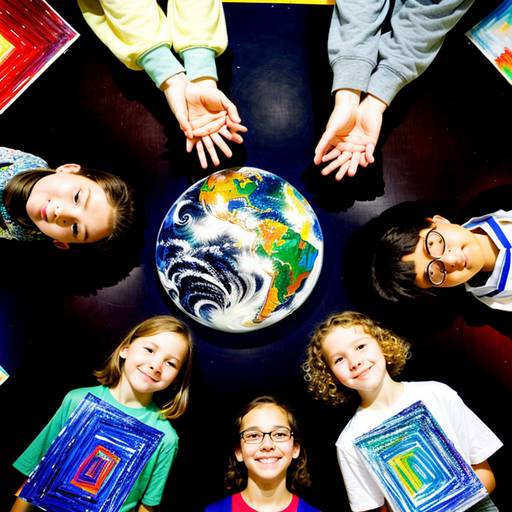
This art lesson plan for fourth-grade students focuses on introducing them to basic printmaking techniques using everyday materials. Over the course of two to three class periods, students will engage in hands-on activities that inspire creativity and exploration. Initially, they will learn about printmaking and the materials involved, including Styrofoam and brayers, while discussing the elements of good design.
In the first session, students will create their own printing plates by sketching designs on Styrofoam and then applying paint to prepare for printing. They will incorporate natural objects to enhance the textures of their prints. The subsequent class will allow them to transfer their designs onto heavyweight paper, generating multiple prints and experimenting with various techniques.
By the final session, students will have the opportunity to add finishing touches to their artwork and present their prints in a gallery-style format, allowing for peer observation and feedback. The lesson emphasizes creativity, engagement with nature, and collaboration, while also addressing art standards related to creation, response, and connection to the world. Assessment will focus on participation, originality, and presentation, fostering a reflective discussion about the creative process and the relationship between art and nature.
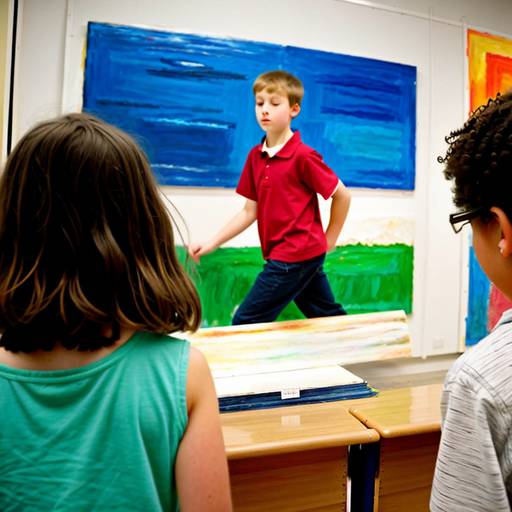
In this 4th-grade art history lesson, students will explore various art periods, including Impressionism, Cubism, and Pop Art, to understand their defining characteristics. The lesson begins with a discussion about the significance of art and a presentation of iconic artworks from different periods. Students will work in small groups to investigate and present information on assigned art movements, fostering collaboration and critical thinking. Following the presentations, each student will create their own mixed-media artwork inspired by their favorite art period, incorporating its distinctive elements. The lesson concludes with a class gallery walk, where students share their creations and reflect on what they learned, promoting both artistic expression and an understanding of art history. Assessment will focus on participation, creativity, and the connection between their artworks and the art movements studied. Additionally, options for extending the lesson to further engage with art history concepts are included.
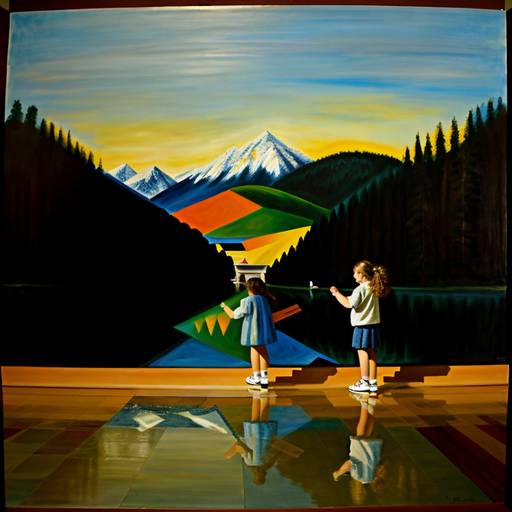
In this 4th-grade art lesson, students will embark on an engaging journey through various art movements in history, such as Impressionism, Cubism, Surrealism, and Abstract Expressionism. The lesson begins with a brief overview of these movements, accompanied by visual examples of famous artworks to highlight their unique characteristics.
Following this introduction, students will collaborate in small groups to discuss their assigned art movement, observing and sharing their insights about the styles and themes presented. After the group discussions, the students will create their own artwork inspired by the techniques and emotions associated with the movement they found most appealing. They will have the freedom to experiment with various art supplies and develop their own interpretations of the styles.
As the lesson wraps up, students will display their creations and participate in a reflective discussion about their artistic choices and the movements that influenced them. Assessment will focus on participation in discussions, understanding of the art movements, and creativity in their artwork. The lesson may also include extensions such as creating a classroom art gallery and exploring the lives of prominent artists from the discussed movements. Adaptations will be made to support diverse learners, ensuring an inclusive experience for all students.
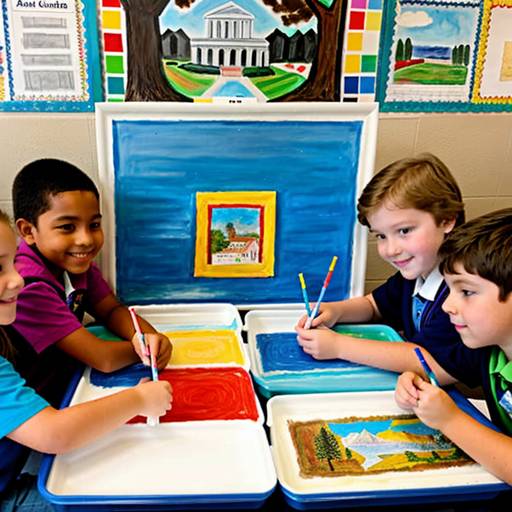
In this 4th-grade art lesson, students will explore various art periods in history, including Renaissance, Impressionism, Cubism, and Modern Art. The lesson begins with a brief introduction to the significance of art history, highlighting key characteristics and notable artists from each period through visual aids.
Students will then work in small groups, where they will discuss their assigned art period and prepare a presentation that includes an artist and artwork they find interesting. Following the presentations, each student will create their own artwork inspired by the techniques and themes of their group's art period, using watercolors or colored pencils on construction paper.
Finally, students will showcase their creations in a show-and-tell format, explaining how their artwork relates to the art period they studied. This lesson encourages creativity while enhancing understanding of how art reflects cultural values and historical context. Assessments will focus on participation in discussions, the quality of the presentations, and the creativity and relevance of the completed artworks. Extensions include creating a gallery display of student works for the school community.
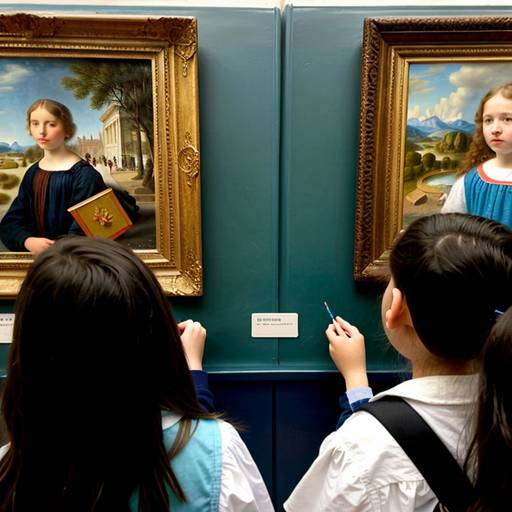
In this 4th-grade art lesson, students will explore significant art periods in history, such as the Renaissance, Impressionism, Cubism, and Pop Art. The lesson begins with an engaging presentation that highlights key characteristics of each period and showcases famous artworks. Following the presentation, students will participate in a discussion about their favorite periods and artists. They will then create their own original artwork, inspired by the styles and techniques of the chosen period, using various materials such as colored pencils and paints. The lesson will conclude with a sharing session where students display their creations and reflect on their inspirations. Assessment will focus on participation, creativity, and connection to the selected art period. Extensions may include further research on specific artists or a classroom art gallery display. This lesson aims to foster an appreciation for art history while encouraging personal expression.
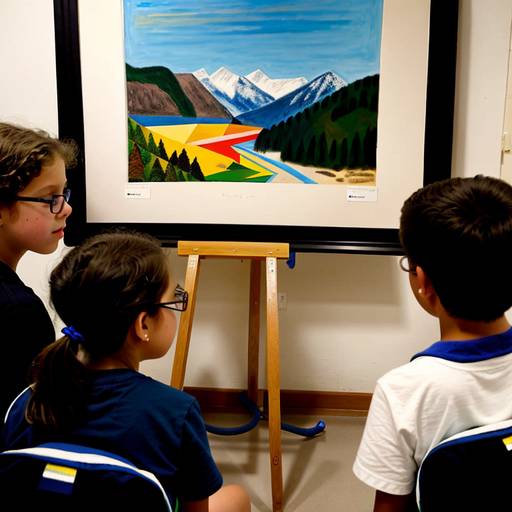
In this 4th-grade art lesson, students will explore various art movements and the historical contexts behind them, emphasizing how artists use their work to tell stories about their societies. The lesson begins with an introduction to different art movements, featuring visual examples and discussing the themes represented in notable artworks. Students will then work in small groups to delve deeper into their assigned movement, identifying key characteristics and themes. After presenting their findings to the class, each student will create their own artwork inspired by the movement they studied, incorporating relevant techniques and storytelling elements. The lesson concludes with a gallery walk where students share their creations, provide feedback to peers, and reflect on their learning experiences. Assessment will focus on participation, creativity, and effort throughout the activities. Extensions include inviting a local artist for a talk or creating a class mural, fostering further engagement with the topic.
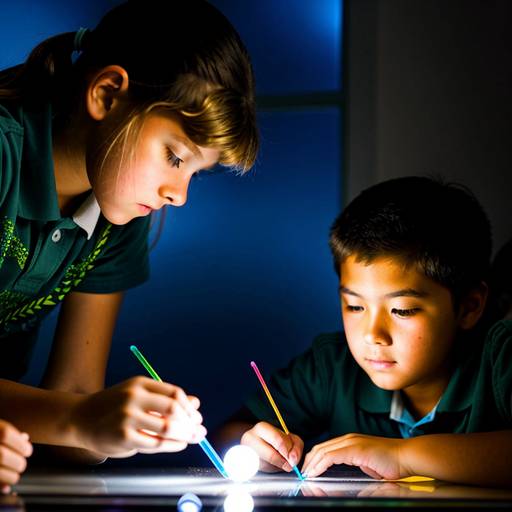
In this 4th-grade art lesson, students will explore the fascinating world of glass art and learn about the unique properties of glass, particularly how it interacts with light. The lesson begins with a discussion and visual presentation of various glass art forms, such as stained glass and blown glass. Students will then engage in a hands-on activity where they create their own artworks using colorful cellophane and plastic sheets, simulating the effects of light and color found in glass art.
Through guided practice, students will sketch their design ideas and learn techniques for layering materials to achieve depth and vibrancy. As they work independently, they will finalize their projects and observe how light reveals the beauty of their creations. The lesson concludes with a sharing session where students present their artwork, explaining their design choices and reflecting on their learning experience.
The lesson emphasizes creativity, critical thinking, and an appreciation of art while providing opportunities for future exploration and connection to local art resources. Adjustments and extensions are available to accommodate different skill levels and enhance the learning experience.
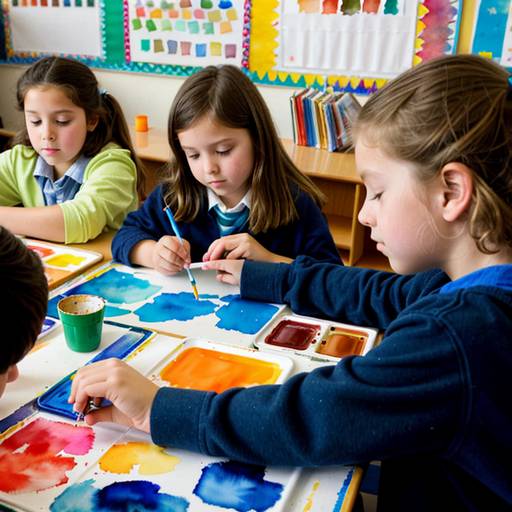
In this engaging 4th-grade art lesson, students will explore the world of watercolor painting by learning fundamental techniques such as wet-on-wet and wet-on-dry application, as well as gradient blending. The session begins with an introduction to various watercolor styles through visual examples, followed by a demonstration where the teacher showcases how to mix colors and execute the different techniques effectively.
Students will then have the opportunity to create their own original artwork on watercolor paper, encouraged to think creatively about themes such as nature or emotions. As they paint, they will apply the techniques they learned, experimenting with color mixing and brushwork.
Throughout the activity, the teacher will circulate, providing support and positive feedback. Upon completion, students will share their creations with a partner and have the chance to present their work to the class, discussing their artistic choices and experiences. The lesson concludes with a cleanup session and a reflection on the skills learned, allowing students to express their enjoyment and new insights gained from the painting process. Overall, this lesson promotes creativity, artistic expression, and a hands-on understanding of watercolor techniques.
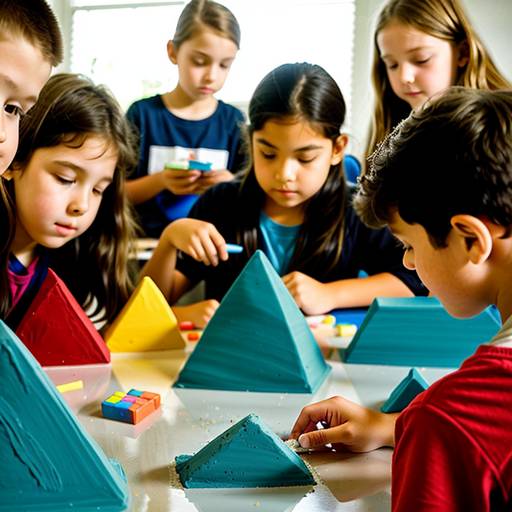
In this 4th-grade art lesson focused on ceramics, students will explore various art forms by creating their own unique clay sculptures. The lesson begins with an introduction to ceramics, including a discussion of shapes and textures, accompanied by visual examples from art history. After demonstrating basic hand-building techniques such as pinching, coiling, and slab building, students will have the opportunity to design and construct their own sculptures using these techniques.
Throughout the creation process, students will be encouraged to brainstorm and sketch ideas, applying their newfound skills to bring their artistic visions to life. The lesson includes time for clean-up and concludes with a sharing session where students present their creations and reflect on what they’ve learned about forms, functions, and the techniques employed. This engaging hands-on experience will inspire students to express their creativity while deepening their understanding of three-dimensional art.