
Filters
Level
Grade
Subject
Subject Area
Subject Topic
Standard(s)
Audience
Keyword
DurationMinutes
4th Grade Lesson Plans
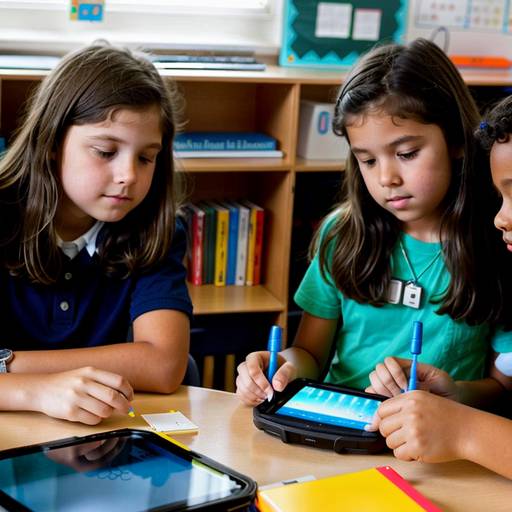
In this 4th-grade technology lesson, students will learn about technology and its impact on daily life, as well as identify various technology tools and their functions. The lesson begins with a class discussion where students share their thoughts and experiences with technology, leading into an overview of different categories of technology tools, such as communication, education, creativity, and production tools.
Students will then be divided into small groups, where each group will select a specific technology tool to research. They will use internet-enabled devices to gather information about their assigned tool, focusing on its purpose, usage, and interesting facts. After their research, groups will create a poster or digital presentation summarizing their findings.
The lesson will conclude with each group presenting their work to the class, followed by a recap that emphasizes the importance of technology in enhancing learning and everyday activities. For homework, students will identify a technology tool they commonly use at home and write a brief descriptive paragraph about it. Overall, the lesson aims to foster collaborative learning, critical thinking, and an appreciation for technology tools among students.
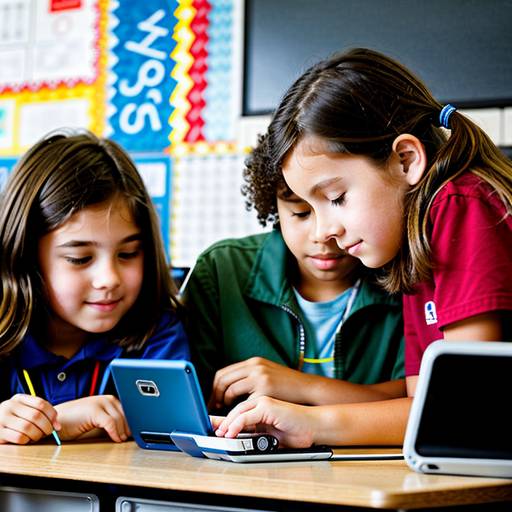
In this engaging 4th-grade technology lesson, students explore the essential practices of device maintenance and organization. The lesson begins with a discussion about the devices they use, emphasizing the importance of care and upkeep. Students learn basic maintenance tasks such as cleaning screens and keyboards, followed by a hands-on activity where they practice cleaning their devices safely.
Next, the focus shifts to digital organization, where students discuss the challenges they face in managing files and applications. They then create organizational folders in a shared digital space, learning to categorize their documents effectively.
The lesson concludes with a recap of key concepts, where students share their insights and outline their plans to implement these practices in their daily technology use. A homework assignment encourages them to develop a personalized "Device Care Plan," fostering responsible technology habits at home. Overall, this lesson aims to empower students with the skills needed to maintain and organize their devices effectively.
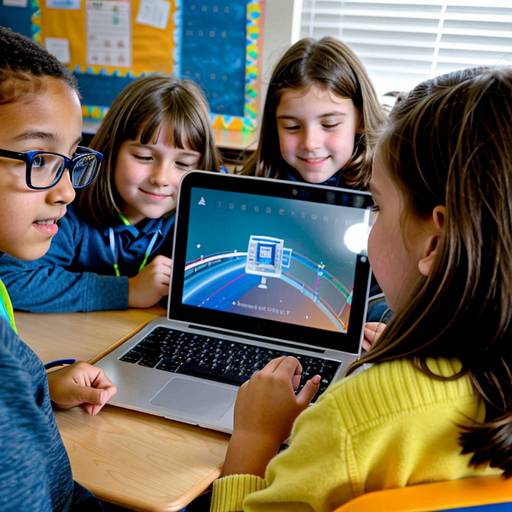
In this 4th-grade technology lesson, students will learn the essential skills of device maintenance and organization. The session begins with a discussion about the various tech devices used by students and their importance. Through a combination of videos and hands-on demonstrations, students will discover practical tips for maintaining their devices, including cleaning methods, battery care, and the significance of regular software updates.
Following this, emphasis is placed on digital organization, teaching students how to create and manage folders, name files clearly, and maintain an orderly digital workspace. The lesson incorporates interactive activities where students practice cleaning their devices and organizing files on their devices.
In the concluding segment, students will reflect on what they learned and share one maintenance and one organization tip with the class. This comprehensive approach not only develops students' technical skills but also instills a sense of responsibility for their devices, preparing them for effective technology use in their education. Handouts with maintenance and organization tips will be provided for students to take home, reinforcing the lessons learned.
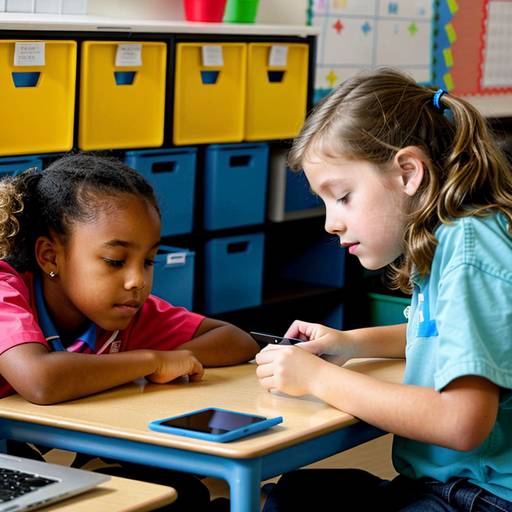
This lesson plan for 4th-grade students focuses on the importance of device maintenance and cleaning. It begins with an engaging discussion about the devices students commonly use, followed by an explanation of why proper care is essential for prolonging device lifespan and performance. Through direct instruction, students learn effective cleaning techniques, including the safe use of microfiber cloths, screen cleaners, canned air, and disinfectant wipes.
In a guided practice activity, students work in groups to apply these cleaning methods using provided supplies. They are also encouraged to role-play scenarios related to improper maintenance. Following this, students independently create a personalized cleaning guide, outlining the steps they will take to care for their devices at home. The lesson concludes with a review and a Q&A session to reinforce understanding. Assessment includes observing group activities and collecting the cleaning guides to evaluate comprehension. Optional extensions may involve peer presentations or guest speakers from the tech field to further enhance learning.
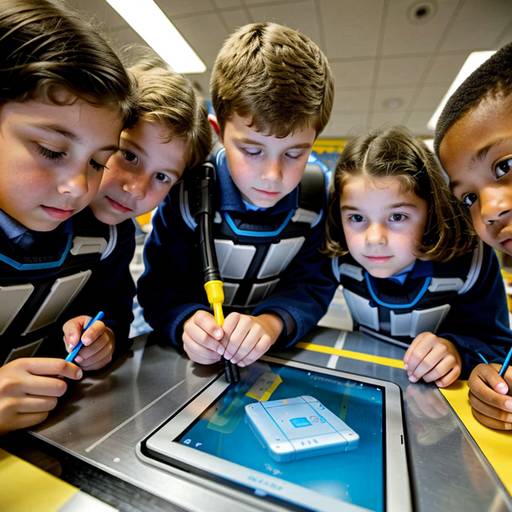
In this 4th-grade technology lesson, students will explore the concept of technology and its various tools through interactive activities and discussions. The lesson begins with a group discussion to define technology and its impact on our daily lives, followed by a video highlighting different technological tools. Students will then engage in hands-on exploration, rotating through various technology tools such as tablets, coding robots, and interactive whiteboards to familiarize themselves with their features.
After the exploration, students will collaborate in small groups to create a poster showcasing an innovative technology tool they wish existed, detailing its purpose and potential users. Each group will present their ideas to the class, fostering creativity and communication skills.
The lesson wraps up with a class discussion reflecting on their favorite technology tools and how technology aids their daily lives. Assessment will focus on participation, the creativity of the group project, and reflections from students. Extension activities could include inviting a guest speaker from the tech field or organizing a field trip to a local technology center, making the learning experience both engaging and relevant to real-world applications.
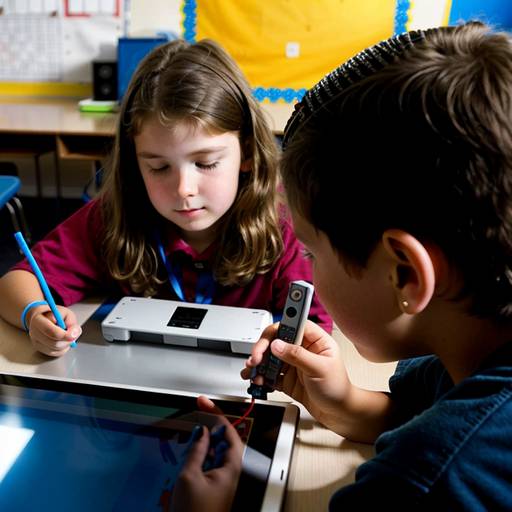
In this engaging 4th-grade technology lesson, students will explore the fundamentals of device maintenance and troubleshooting. The lesson begins with a captivating video that highlights common technology problems, followed by a discussion to identify students' frustrations with devices. The instructor will introduce the basic components of a device and emphasize the importance of regular maintenance and care.
Students will learn a straightforward troubleshooting method represented by the "ABCDE" acronym, which guides them in assessing and resolving typical device issues. Through an interactive group activity, students will work at scenario stations, discussing and applying the ABCDE method to various troubleshooting situations.
Following this activity, students will create a personalized maintenance checklist for their devices, encouraging them to take ownership of device care. The session will conclude with a recap of the key points learned and an opportunity for students to ask questions about technology challenges they face at home. Overall, this lesson aims to empower students with the skills necessary to maintain and troubleshoot their devices confidently.

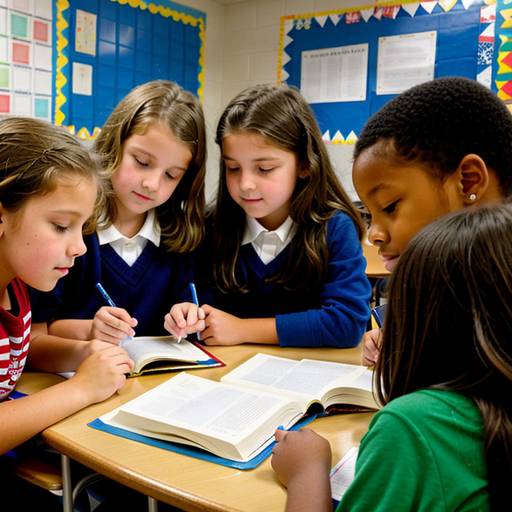
In this fourth-grade Language Arts lesson, students will explore the elements of narrative writing, focusing on characters, setting, conflict, and resolution. The lesson begins with a discussion about favorite stories, identifying key components that make them memorable. Following this, the teacher will introduce the components of narrative writing through direct instruction and guided practice, where students work in pairs to brainstorm and outline their own story ideas using storyboard templates. Afterward, students will independently write short stories based on their outlines, incorporating descriptive language and dialogue. The lesson concludes with opportunities for students to share their stories and engage in peer discussion. Assessment will involve monitoring participation and collecting the storyboards and written stories while providing differentiation to support varying skill levels. Extensions include activities such as illustrating stories or creating a class anthology to engage students further.
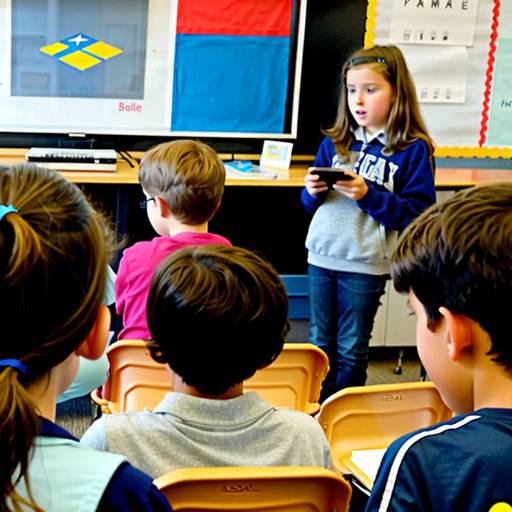
This 4th-grade lesson focuses on multimedia creation and digital storytelling, spanning two to three class periods. Students will begin by exploring the concept of digital storytelling, discussing its key components such as story development, visuals, and audio elements. They will brainstorm ideas and create an outline for their own stories, which they will then develop using multimedia tools.
In the second class, students will receive an introduction to various digital creation platforms and will have hands-on time to design their stories, incorporating images, text, and narration. Peer feedback sessions will foster collaboration and improvement. Finally, students will present their digital stories in a showcase, allowing for sharing and constructive feedback from classmates. The lesson concludes with a reflection and assessment, designed to evaluate their understanding and engagement with the project. Extensions are provided for deeper exploration, including themed stories and opportunities to share their work with parents. Overall, the lesson aims to enhance students' creativity, collaboration, and technology skills in an engaging format.

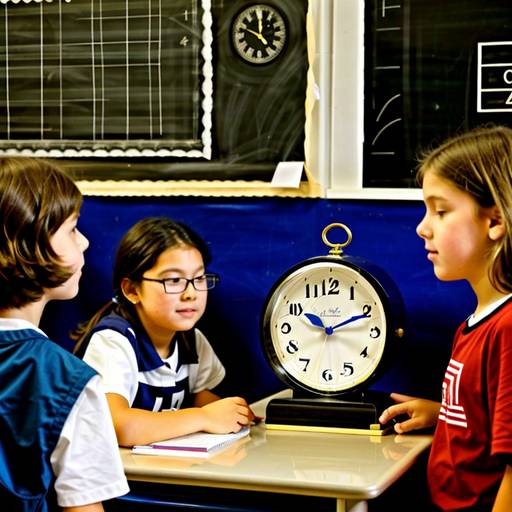
In this 4th-grade math lesson, students will explore the concepts of telling time and understanding time zones. The lesson begins with a discussion highlighting the importance of knowing the time, particularly when traveling and scheduling events. Students will review how to read both analog and digital clocks, followed by an introduction to time zones and how they are divided around the world, utilizing a world map for reference.
Through guided practice, students will engage in a matching activity that pairs cities with their respective time zones and calculate local times based on different starting points. They will also practice drawing times on blank clock faces.
For independent practice, students will complete worksheets featuring problems that require them to read clocks, convert time between zones, and solve word problems related to time and travel. The lesson concludes with a review of key concepts and an exit ticket that allows students to reflect on their learning. Assessment will be conducted through ongoing monitoring and the collection of worksheets to evaluate student understanding. Enrichment opportunities for advanced learners may include discussions on Daylight Saving Time and research projects on global time zones.
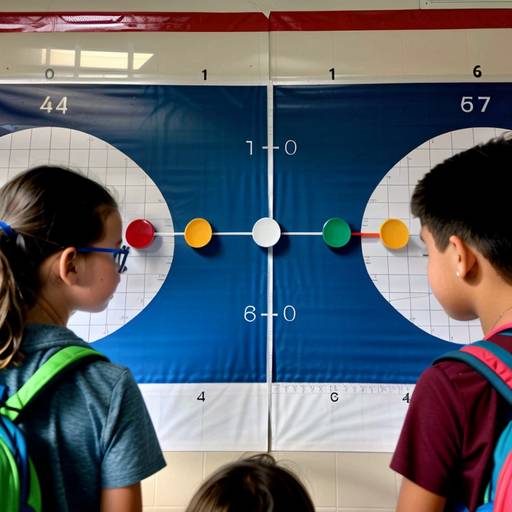
In this 4th-grade math lesson, students will explore the concepts of measurement and temperature. They will learn about temperature scales, specifically Celsius and Fahrenheit, and how to convert between the two using established formulas. The lesson begins with an engaging discussion on the significance of temperature in daily life, followed by direct instruction on temperature measurement techniques with thermometers.
Students will participate in guided practice by measuring classroom temperatures and converting readings between Celsius and Fahrenheit. They will then engage in an independent activity where they research the current temperature in a city of their choice, complete with conversions, and present their findings in a brief 'weather report' format.
Throughout the lesson, assessment will focus on participation, worksheet completion, and the accuracy of the presentations. Adaptations will be made for varying skill levels, ensuring that all students can grasp the key concepts of measurement and temperature, while also connecting their learning to real-world applications.