
Filters
Level
Grade
Subject
Subject Area
Subject Topic
Standard(s)
Audience
Keyword
DurationMinutes
3rd Grade Technology Lesson Plans
This lesson plan aims to educate 3rd-grade students about digital citizenship and cyberbullying awareness. Students will explore the meaning of digital citizenship, emphasizing the importance of using technology responsibly and respectfully. Through discussions and a slideshow presentation, they will learn about key topics such as privacy, respectful online communication, and the impact of their digital footprint.
The lesson includes a focus on cyberbullying, where students will define the term, recognize examples, and understand its effects on individuals. In small groups, students will work on scenarios related to cyberbullying, brainstorming positive responses and solutions. They will create posters that illustrate their scenarios and proposed strategies, promoting teamwork and communication.
After group presentations, the class will engage in a discussion to reflect on the various strategies shared. The lesson concludes with a summary of the key concepts learned, emphasizing the importance of promoting kindness and responsible actions in online interactions. Assessment will include observation of participation and review of group projects, while follow-up activities encourage students to share their knowledge with their families and consider creating a digital citizenship pledge.
This 3rd-grade technology lesson focuses on teaching students about digital citizenship and online safety. The lesson begins with an engaging discussion about their favorite websites and games to introduce the concept of digital citizenship. Students learn essential online safety rules through a structured discussion and an interactive video, followed by a group activity where they analyze scenarios related to online behavior and share their responses.
Independently, each student creates a poster illustrating key online safety tips and aspects of good digital citizenship, which they then present to the class. The lesson wraps up with a recap of the concepts learned, and students reflect on their understanding through written notes. The overall goal is to empower students to navigate the online world responsibly, fostering a culture of respect and safety in digital interactions. Optional extensions include inviting a guest speaker and providing resources for families to continue the conversation at home.
In this third-grade technology lesson, students will explore the importance of device maintenance and basic troubleshooting skills. The session begins with a discussion on why caring for devices is essential, followed by an overview of maintenance techniques such as keeping devices clean, properly charging them, and managing software updates. Students will engage in hands-on activities where they can practice cleaning devices and collaborate in small groups to solve common device issues using provided troubleshooting steps. The lesson concludes with a review of key concepts and the distribution of a Device Maintenance Checklist for students to use at home. This interactive approach aims to empower students with practical knowledge while promoting responsibility for their digital devices. Assessment will take place through observation and the collection of checklists, with opportunities for extension activities that involve creating educational posters or teaching family members about device care.
This 3rd-grade technology lesson focuses on teaching students the principles of digital citizenship and raising awareness about cyberbullying. Over the course of 60 minutes, students will engage in discussions to define digital citizenship and explore the impact of cyberbullying through the viewing of a brief video. They will participate in group activities that involve role-playing various online scenarios, allowing them to practice responding positively to both friendly and unkind interactions.
As a class, students will brainstorm and document ways to foster a kind digital community, culminating in the creation of a collective poster displaying their ideas. To solidify their commitment to being respectful online, each student will sign a cyberbullying pledge. The lesson aims not only to inform students about the importance of kindness in digital interactions but also to equip them with strategies for addressing and preventing cyberbullying. Assessment will involve monitoring participation and reviewing pledges, with options for extending learning through creative projects related to digital safety.
In this engaging technology lesson for 3rd graders, students will explore basic robotics concepts through hands-on activities. The lesson begins with an introduction to robotics, highlighting various types of robots and their components. Students will be divided into small teams, where they will build and customize robots using provided kits. Following the assembly, teams will learn how to program their robots to perform specific tasks, fostering collaboration and problem-solving skills.
Students will then participate in a series of challenges, such as navigating a maze, picking up objects, and maneuvering through an obstacle course, allowing them to apply their building and programming skills in a fun, competitive environment. The lesson concludes with a reflective discussion, where students share their experiences, challenges faced, and what they learned about teamwork and creativity in robotics. The overall goal is to provide students with a foundational understanding of robotics while encouraging critical thinking and collaboration.
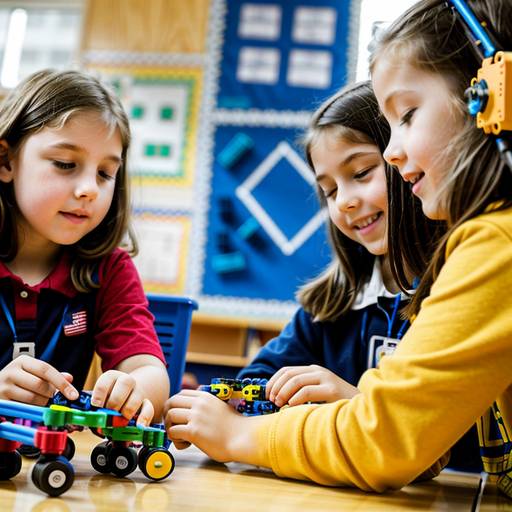
In this 3rd-grade technology lesson, students will explore the exciting world of robotics through hands-on engagement. The lesson begins with a discussion about robots, where students share their knowledge and observations about robots in everyday life. A short video will enhance their understanding of various robotic applications.
After this introduction, students will work in small groups to design their own robots. They will use worksheets to sketch their ideas and determine the materials needed for construction. Once planning is complete, groups will receive robotics kits and construction supplies to build their robots collaboratively.
As the session progresses, students will present their completed robots to the class, explaining their design choices and the intended functions of their creations. The lesson will conclude with a recap of key concepts and the significance of collaboration in engineering challenges, along with a potential homework assignment to research robots. Overall, students will gain foundational insights into robotics while developing teamwork and problem-solving skills.
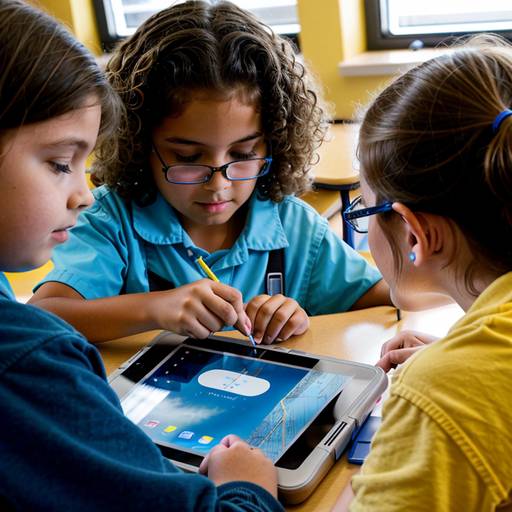
In this engaging 60-minute lesson designed for 3rd-grade students, learners explore the essential practices of maintaining and organizing their technological devices. The lesson begins with a discussion about the types of devices used in the classroom and the importance of caring for them. Students watch a brief instructional video on device cleaning techniques and learn proper handling practices to ensure their devices remain in good condition.
Following the instruction, students participate in a hands-on activity where they collaborate with a partner to clean their devices using appropriate supplies. They also engage in a digital organization challenge, creating folders on their devices and labeling them for easy access. To wrap up the lesson, students reflect on their learning experiences by sharing insights about maintenance and organization with the class.
Assessment is conducted through observation during activities and participation in discussions, while extensions encourage students to promote device care at home. Differentiation strategies are in place to support all learners, making this lesson effective in fostering responsibility and organizational skills within a digital context.
In this 45-minute technology lesson for 3rd graders, students will learn the importance of maintaining and cleaning their electronic devices. The lesson begins with a discussion about the various devices they use, followed by an explanation of proper cleaning techniques and hygiene practices. Utilizing a PowerPoint presentation, students will explore steps such as using microfiber cloths for screens, safely using disinfectant wipes, and understanding the importance of avoiding liquids around devices.
They will then participate in a guided activity, practicing these cleaning methods on old electronics or simulated cleaning. Afterward, a class discussion allows students to share their learnings and experiences. For homework, students will be tasked to clean one of their devices at home and reflect on the process in writing. The lesson emphasizes the health benefits of device maintenance and encourages responsible use while addressing environmental concerns related to e-waste. Assessments will focus on participation during activities and the quality of their reflections. The plan includes differentiation strategies to support various learning needs.
This lesson plan is designed for 3rd-grade students to teach them the importance of proper handling and maintenance of technology devices. The objectives include understanding essential practices for caring for devices, identifying key maintenance tips, and demonstrating correct handling techniques. The lesson begins with a discussion about the devices students use, followed by the introduction of five important care practices: cleaning devices appropriately, using protective cases, avoiding food and drink near devices, handling devices with clean hands, and properly managing charging cords.
Students will engage in role-playing activities to illustrate good and bad practices and participate in a class discussion to reinforce their understanding. They will receive a "Device Care Checklist" to assess their current habits and identify areas for improvement. The lesson concludes with a recap of the key practices and an exit ticket where students will commit to one improvement they can make at home regarding device care. Throughout the lesson, differentiation strategies will be employed to support diverse learners, and a potential extension activity is proposed to further instill responsibility for device maintenance.
This lesson plan focuses on introducing 3rd-grade students to the basics of coding through an engaging and interactive experience. The lesson begins with a discussion about the nature and importance of coding, followed by the introduction of key vocabulary and coding concepts, including sequence, loops, and conditions. Students then participate in a guided practice session where they learn to use a block-based coding platform, such as Scratch or Code.org, to create simple animations or games that incorporate the concepts discussed.
During independent practice, students are encouraged to work on their projects, applying what they've learned and adding unique features using the coding principles. The lesson concludes with a sharing session where selected students present their projects to the class, explaining how they implemented the coding concepts in their work. Throughout the lesson, teachers assess student understanding through observation and project evaluation, providing a foundation for further exploration in coding. Extensions include additional coding challenges and hands-on activities with robotics kits to deepen students' understanding of coding in various contexts.