
Filters
Level
Grade
Subject
Subject Area
Subject Topic
Standard(s)
Audience
Keyword
DurationMinutes
3rd Grade Social Studies Lesson Plans

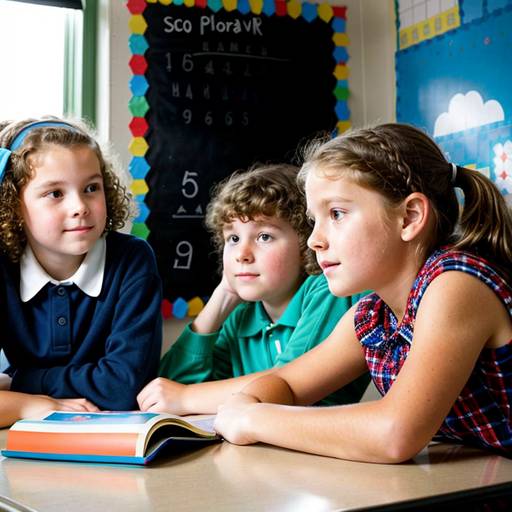
In this 3rd-grade social studies lesson, students will explore the concept and significance of timelines in organizing historical events. The session begins with a discussion about the nature of time and the role of timelines in understanding history. Students will collaboratively create a large class timeline by adding significant historical milestones, followed by an individual activity where each student constructs their personal timeline, highlighting important events from their own lives. To conclude, the class will reflect on the importance of both personal and global histories and how they are interconnected. Assessment will focus on participation, creativity, and the ability to explain the events chosen for their timelines. Extension activities will encourage ongoing engagement with timelines throughout the school year.
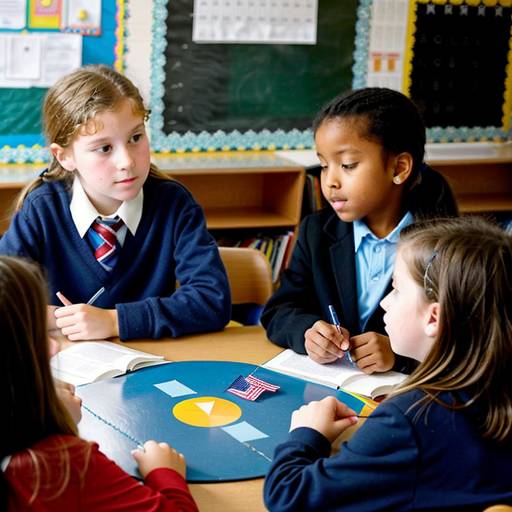
In this 3rd-grade social studies lesson, students will explore significant events in American history through engaging activities and group collaboration. The lesson starts with a discussion on the importance of history, followed by an overview of three key events: the signing of the Declaration of Independence, the first Moon landing, and the Civil Rights Movement. Students will work in small groups to research their assigned event, create informative posters, and prepare presentations to share their findings with the class. The session concludes with a reflection on the events discussed, underscoring their significance in shaping the present and future. Assessment will focus on participation, the quality of the posters, and the effectiveness of the presentations. Extension activities include creating a classroom timeline and writing fictional diary entries from historical perspectives. This lesson aims to enhance students' understanding of crucial historical moments while developing their teamwork and communication skills.
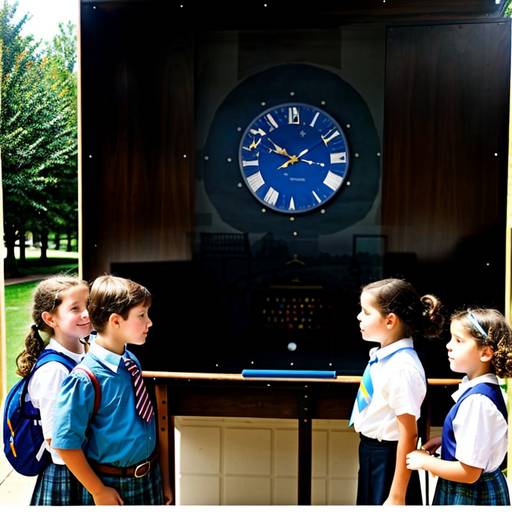
In this 3rd-grade social studies lesson plan, students will explore important historical figures in American history, learning about their contributions and the impact they had on society. The lesson begins with a discussion about who can be considered a "trailblazer" in history, followed by mini-lectures introducing notable figures such as George Washington, Harriet Tubman, Martin Luther King Jr., and Susan B. Anthony. By using visual aids and engaging anecdotes, the teacher will help students connect with these figures.
In small groups, students will conduct research on a specific historical figure using biography booklets and printouts, discussing key contributions and interesting facts to share with the class. Each group will then create a "Trailblazer Poster," which includes the name of their assigned figure, a description of their contributions, and an illustration. This activity encourages creativity and reinforces what they learned.
The lesson culminates with group presentations, allowing students to showcase their posters and reflect on the importance of these historical figures and their legacies. Throughout the lesson, students will engage in teamwork, communication, and critical thinking, with assessments based on participation and the quality of their posters. Additional extensions and adaptations are provided to meet diverse learning needs, ensuring all students can engage thoughtfully with the material.
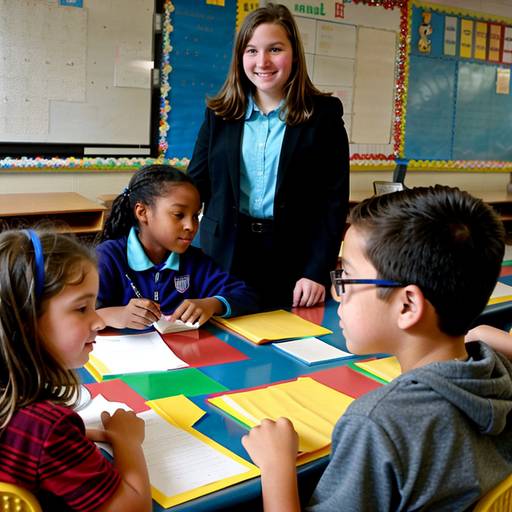
This lesson plan focuses on helping 3rd-grade students explore the various roles within their community and understand the contributions each role makes to society. The lesson begins with a class discussion to define what a community is and identify different community roles. Students work in small groups to brainstorm and share selected roles, discussing their importance. Following this, they create individual community maps, illustrating and representing various community roles through drawings and art. The lesson concludes with students presenting their maps to the class and reflecting on how these roles collaborate to enhance the community. Assessment is based on student participation in discussions, group activities, and the creativity demonstrated in their community maps. The lesson can be extended with additional research or the inclusion of guest speakers to provide real-life context.
In this 3rd-grade social studies lesson, students will explore the concept of community by identifying key members who contribute to its well-being, such as police officers, firefighters, teachers, and doctors. The lesson begins with a discussion about what constitutes a community, encouraging students to share their thoughts while compiling a list on the whiteboard.
Next, students learn about community rules and their significance in maintaining safety and order. In small groups, they will work with scenario cards to discuss specific situations and develop relevant rules that apply to each scenario. After sharing their insights with the class, students will reflect on the importance of following rules for the safety and happiness of everyone in the community.
To conclude the lesson, students will complete a worksheet where they draw a community helper and write a rule associated with that role. The lesson encourages active participation, collaboration, and critical thinking while promoting an understanding of community dynamics and responsibilities. Extensions for the lesson include potential field trips to local community service areas to enhance hands-on learning experiences.
This social studies lesson for 3rd graders focuses on helping students understand and appreciate the diverse cultures within their community. It begins with an engaging story that introduces different cultural contributions, followed by a group activity where students research assigned cultural groups. They create informative posters showcasing various aspects of each culture, including traditions, food, clothing, and celebrations. After presenting their work in a gallery walk format, students engage in a reflective discussion to share their learnings and insights about diversity.
Assessment includes observing group dynamics and reviewing the accuracy of the posters, along with a reflective writing assignment to articulate their thoughts on cultural diversity. The lesson culminates with a potential follow-up activity, where students can participate in a Cultural Day to further celebrate and explore each other's backgrounds. This lesson aims to foster respect for diversity and highlight the importance of different cultures in building a vibrant community.