
Filters
Level
Grade
Subject
Subject Area
Subject Topic
Standard(s)
Audience
Keyword
DurationMinutes
3rd Grade Social Studies Lesson Plans


This lesson plan for 3rd-grade social studies focuses on teaching students about the concept of timelines and their significance in understanding history. The lesson begins with a discussion about the meaning of history and the role of timelines in organizing events chronologically. Students will learn about key events in American history through the use of event cards, and they will collaborate to create a timeline on the board.
Following guided instruction, students will create personal timelines that highlight significant events from their own lives, fostering creativity through drawings and stickers. They will then share their timelines with a partner, explaining the importance of each event. The lesson concludes with a class discussion on the value of remembering historical events and how they shape our present.
Assessment will be conducted through observation of student participation and evaluation of completed timelines, providing insights into their understanding of the timeline concept. Extensions include engaging families in creating a timeline together and integrating mathematical skills by measuring the lengths of timelines. Overall, the lesson encourages students to explore history personally and collectively, enhancing their comprehension of the past.
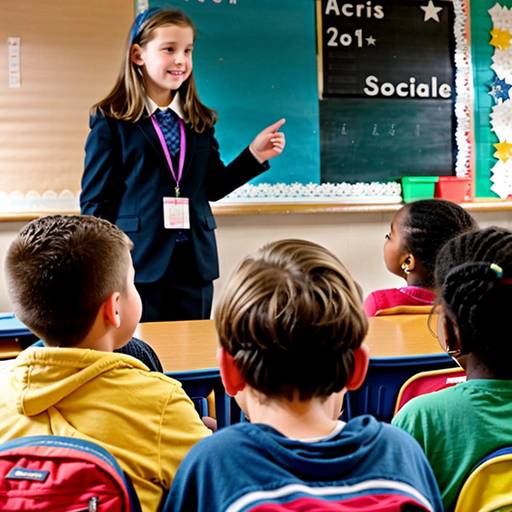
This lesson plan focuses on helping 3rd-grade students understand various roles within their community and the importance of each role in contributing to the community's well-being. The lesson begins with a read-aloud story that features different community helpers, followed by a discussion about the responsibilities associated with various occupations like doctors, firefighters, and teachers.
Students then engage in small group activities where they explore specific community roles using provided role cards. Each group chooses a role to illustrate and create a poster that includes the occupation’s name, a visual representation, and a description of how that role supports the community.
After creating their posters, students present their work to the class, fostering presentation skills and encouraging peer feedback. The lesson concludes with a recap of the key concepts learned and an exit ticket for students to reflect on their newfound knowledge. Extensions and accommodations are included to support diverse learners. Overall, the plan promotes collaboration, creativity, and an understanding of community interdependence.
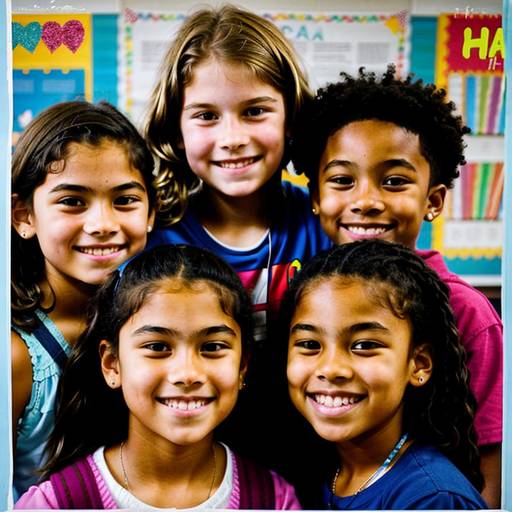
In this 3rd-grade social studies lesson, students will explore the concept of community and celebrate the diversity within it. Beginning with a read-aloud of a storybook that highlights various cultures, the lesson encourages students to reflect on what makes their community special.
Through direct instruction, students will learn about the definition of community, the significance of diversity, and the contributions of individuals from different backgrounds. They will then engage in a group activity where they research and create collages representing various cultures, showcasing aspects like food, clothing, and traditions. Each group will present their collage to the class, fostering a collaborative learning environment.
The lesson concludes with a reflective discussion on the richness that diverse cultures bring to the community and an exit ticket that allows students to express what they have learned. This interactive approach aims to deepen students' understanding and appreciation of diversity while promoting inclusivity within the classroom. Extensions may include inviting community members to share their cultural experiences or organizing a "Cultural Day" to further engage students with the topic.
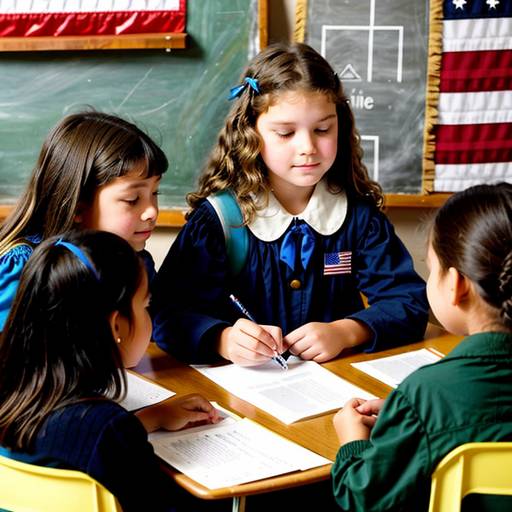
In this 3rd-grade social studies lesson, students will explore key historical figures in American history, focusing on their contributions and significance to society. The lesson begins with an engaging discussion that encourages students to identify and share historical figures they admire. The teacher will then introduce a selected group of historical figures through brief overviews and visuals, fostering understanding of their impact.
Students will work in small groups to discuss their assigned figures and decide how to represent them in a creative poster. Each student will choose a historical figure, conduct research using books and educational websites, and create a poster featuring a biography, contributions, and illustrations.
The lesson culminates with student presentations, allowing them to articulate what they've learned and share their creativity with peers. Reflective discussion will reinforce the importance of understanding history and its relevance to contemporary society. Assessment will focus on participation, poster quality, and presentation skills, with accommodations available for diverse learners. Extension activities may include a themed dress-up day and classroom timeline projects, enhancing engagement and reinforcing historical context.
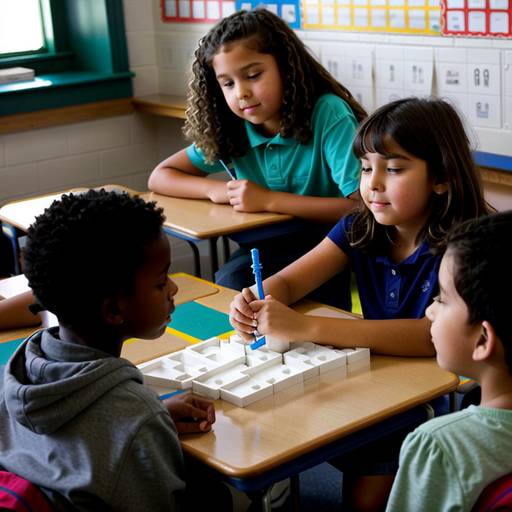
This lesson plan for third-grade social studies focuses on helping students understand the various roles individuals play within a community and how these roles contribute to the overall well-being of their neighborhoods. The class begins with a discussion about the concept of community and the different jobs that exist within it. Students then receive "Community Role Cards" to explore specific roles and share their insights with classmates.
In small groups, students create a visual representation, or collage, showcasing selected community roles, using magazine cutouts and drawings to enhance creativity. Each group presents their collage, explaining the importance of the roles they highlighted. The lesson concludes with a reflective discussion where students share what they learned and contemplate how to appreciate community members. Assessment includes observation of participation and a review of the group projects, allowing educators to gauge understanding and engagement throughout the lesson.
Through this engaging and interactive approach, students gain a deeper appreciation for the diverse individuals who contribute to their communities.
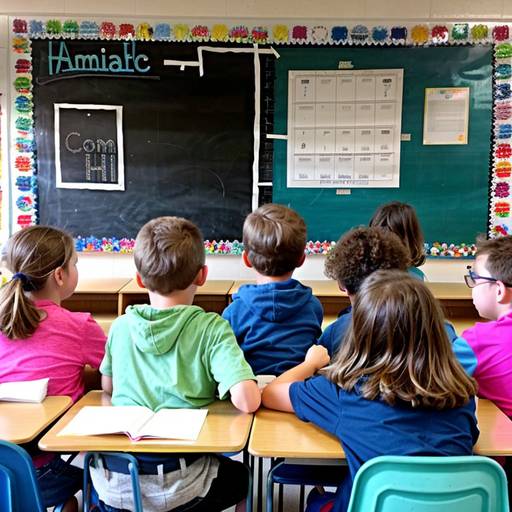
This 3rd-grade social studies lesson focuses on helping students understand the concept of community and the importance of rules. The lesson begins with a discussion about what constitutes a community, allowing students to share their insights and identify various community members. Students then learn about the significance of rules through a guided reading of common community rules.
In small groups, students brainstorm ideas for rules that would enhance their classroom community, encouraging them to think critically about the rationale behind each rule. The class collaborates to create a collective list of essential rules. To reinforce their commitment to these rules, each student crafts a personal "Community Pledge," which they decorate and display in the classroom as a reminder of their responsibilities.
The assessment of student understanding is based on participation in discussions, the relevance of the group's rule contributions, and the completion of the pledges. The lesson also includes extensions, such as inviting a community member to speak or organizing a field trip to explore community roles in action. Overall, this lesson fosters a sense of responsibility and belonging among students while highlighting the importance of cooperation in a community setting.
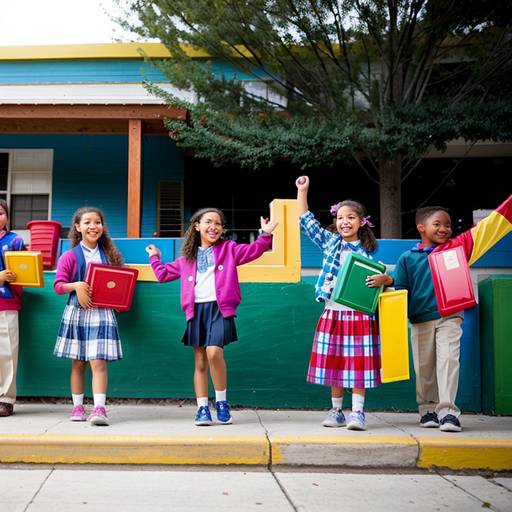
In this 3rd-grade Social Studies lesson, students will explore the concept of community and diversity by examining the unique neighborhoods within their town. The lesson begins with a group discussion to define the idea of community and identify different neighborhoods on a large map. Students will then work in small groups to research specific neighborhoods, focusing on their cultural, historical, and social aspects through guiding questions. Each group will create a visual representation of their neighborhood, highlighting its distinct features and contributions to the overall community. The class will participate in presentations to share their findings, followed by a reflective discussion about what they learned and appreciated about their community's diversity. The lesson emphasizes the importance of respecting and celebrating differences among community members, encouraging students to engage with and learn more about their neighbors. Assessment will be based on group presentations and participation in discussions, with extensions available through community interactions or field trips.
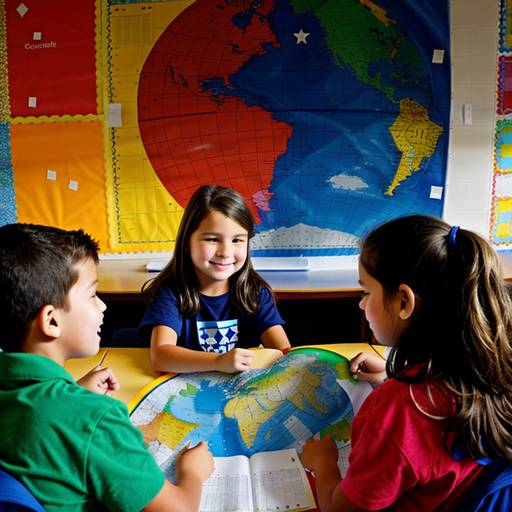
This 3rd-grade social studies lesson focuses on geography and maps, designed to help students understand basic map elements and key geographical features. The lesson begins with an engaging discussion about maps and their uses. Students learn about essential map components, including titles, legends, scales, and compass roses, using both printed and projected examples for clarity.
Through guided practice, students identify these elements on various maps and locate specific geographical features such as mountains, rivers, and cities. In an independent activity, students create their own simple maps of their classroom, incorporating at least three distinct areas and including essential map features.
The lesson concludes with students presenting their maps to the class, allowing them to share their understanding and creativity. Assessment involves observing participation during activities and reviewing the students' maps for comprehension. Differentiation strategies are included to support diverse learning needs, ensuring all students engage meaningfully with the content.

In this 3rd-grade social studies lesson, students will explore various landforms, including mountains, valleys, hills, plains, rivers, and lakes, while developing their understanding of geography. The lesson begins with a visual introduction where students identify different landforms from pictures and share personal experiences related to them. Through direct instruction, students learn the characteristics of each landform and see real-world examples on a map or globe.
Following this, students engage in a group sorting activity, organizing landform cards to reinforce their understanding. For independent practice, they create a fictional landform map that includes at least three different types of landforms, labeling and coloring their creations. The lesson concludes with a gallery walk, allowing students to share their maps and favorite landforms with their peers. Assessment is based on participation in discussions, group activities, and the creativity displayed in their maps. Extensions are provided for early finishers to further explore geography and geology.
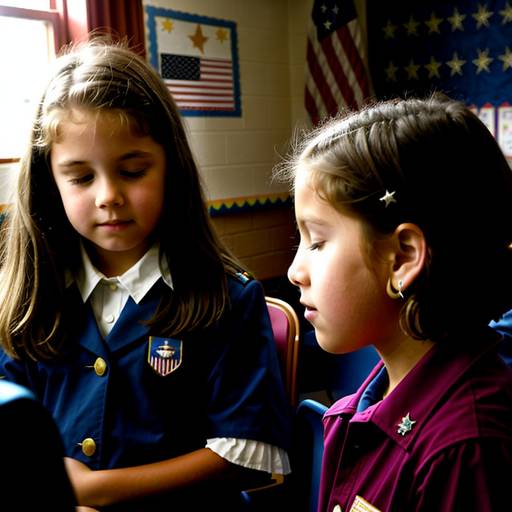
This lesson plan for 3rd-grade students focuses on exploring significant historical figures in American history. The lesson begins by introducing the concept of heroes, facilitating a class discussion about what characteristics make someone a hero. Students are then presented with various American historical figures, learning about their contributions and impact on society.
Afterward, students engage in a research activity where they select a hero to study further, filling out a worksheet with details about the hero’s life, achievements, and qualities they admire. This personal reflection is followed by a sharing session where students present their findings to the class, promoting public speaking skills and fostering a sense of community.
The lesson concludes with a discussion that highlights the common traits among the heroes and encourages students to think about how they can embody those qualities in their own lives. Assessment includes participation in discussions, completion of the worksheets, and the quality of presentations. The plan also includes adaptations for diverse learners and extension activities to reinforce the material.