
Filters
Level
Grade
Subject
Subject Area
Subject Topic
Standard(s)
Audience
Keyword
DurationMinutes
3rd Grade Earth Science Lesson Plans

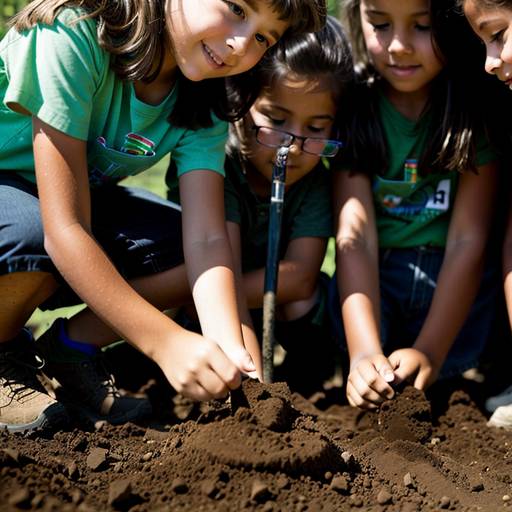
In this engaging Earth Science lesson for 3rd graders, students will explore the fascinating world of soil. The lesson begins with a discussion about soil and its importance, introducing students to the different layers of soil, including their characteristics and functions. Students will then participate in a hands-on investigation where they will examine various soil samples in small groups. Using clear cups or jars, they will observe the color, texture, and behavior of different soil types when mixed with water, recording their findings on a worksheet. The lesson concludes with students sharing their observations and discussing the significance of soil in the ecosystem, including its role in supporting plant life and maintaining environmental health. Optional extensions allow students to further investigate soil samples from home. This lesson promotes teamwork, critical thinking, and hands-on learning, fostering a deeper understanding of this essential natural resource.
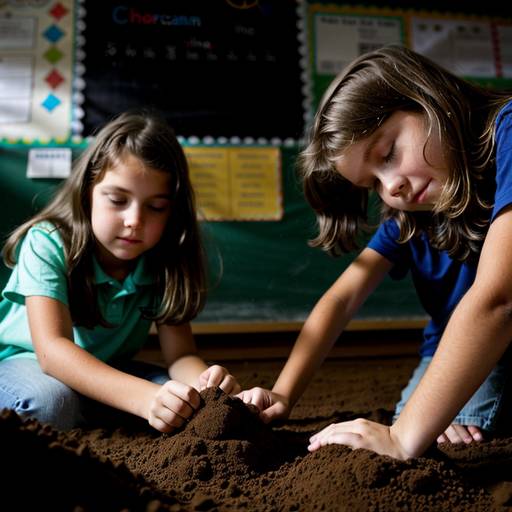
This lesson plan for 3rd-grade students focuses on exploring the concept of soil within the Earth Science curriculum. The objectives include helping students identify the components of soil, understand its importance for plant growth and the ecosystem, and conduct a simple soil test to observe different soil properties.
The lesson begins with an engaging discussion and a short video to introduce key vocabulary and concepts. Students then engage in hands-on activities where they examine various soil samples, observe their properties, and note differences in texture and behavior when water is added.
Following the group experiments, there is a class discussion where students present their findings and reflect on the role of soil in the environment. The lesson concludes with an assessment of student worksheets and opportunities for further exploration, such as collecting soil samples from their surroundings or creating informative posters about soil layers. The overall aim is to foster a deeper understanding of soil and its critical role in sustaining life on Earth.
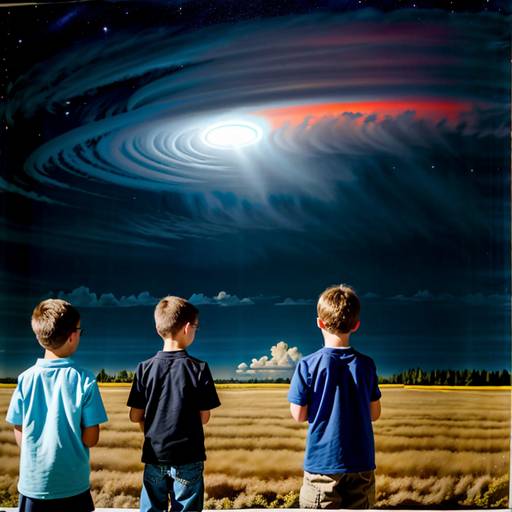
In this 3rd-grade Earth Science lesson, students will explore various weather types and gain an understanding of how weather patterns affect daily life. The lesson begins with a discussion about personal weather experiences, followed by an introduction to key vocabulary related to weather. Students will learn the basics of weather observation and measurement using simple tools such as thermometers and rain gauges.
They will engage in an interactive activity where they create weather charts to record daily conditions throughout the week, and they will also design weather scene crafts that depict their favorite weather types. The class will encourage sharing of their projects and charts, promoting collaboration and communication.
Assessment will involve participation in activities, the completion of crafts and weather charts, as well as a short quiz at the end of the week to evaluate understanding. The lesson also includes extensions, such as starting a classroom weather station and researching specific weather phenomena, providing opportunities for further inquiry and learning about the complexities of weather and its impact on the world. Reflection will take place after the lesson to identify successes and areas for improvement.
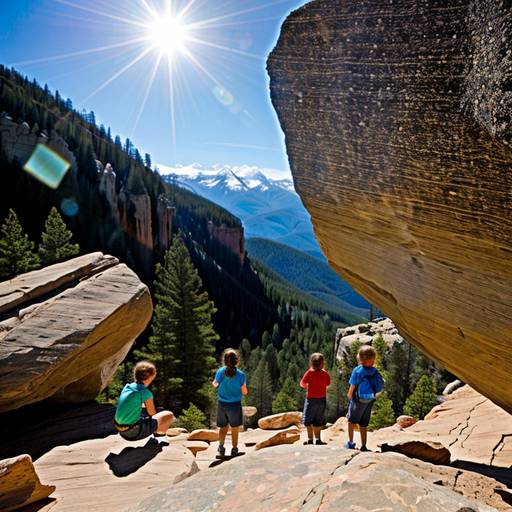
This lesson plan is designed for third-grade students to explore Earth Science with a focus on rocks. It begins with an engaging introduction featuring videos or images of unique rock formations to spark student interest. The lesson introduces the three main types of rocks—igneous, sedimentary, and metamorphic—along with their characteristics and formation processes, and includes a discussion on the rock cycle.
Students engage in hands-on activities where they work in small groups to observe and classify rock samples using hand lenses and classification charts, completing a worksheet to document their findings. Following this guided exploration, students create posters centered on their favorite rock type, which they will present to the class. The lesson concludes with a review of key concepts and an exit ticket activity to assess student understanding and address any lingering questions. Through collaborative discussions, artistic expression, and observational skills, students gain a foundational understanding of rocks and their significance in the Earth's systems.
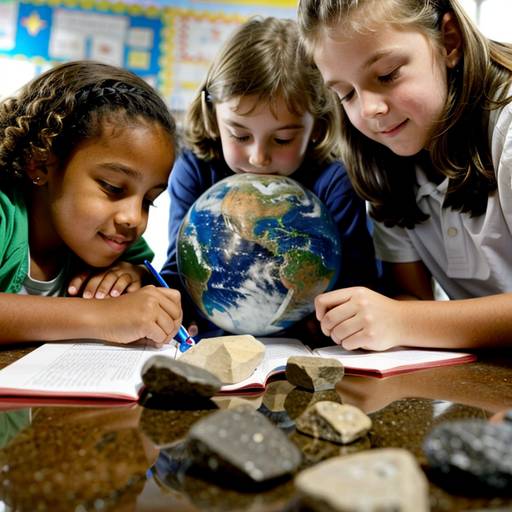
In this 3rd-grade Earth Science lesson, students will explore different types of rocks, including igneous, sedimentary, and metamorphic, while learning about their characteristics and formation processes. The lesson begins with a discussion about rocks, followed by a short video introducing the rock cycle. Students will then receive direct instruction on the three rock types, with samples provided for hands-on examination.
The class will engage in exploratory stations where they observe rock samples under magnifying glasses, completing a worksheet to classify their findings. A discussion on the importance of rocks in everyday life will help reinforce their learning. To conclude, students will share their observations and reflect on one new thing they learned and any questions they still have. Assessment will be conducted through the completed worksheets and exit tickets, with opportunities for extension activities and differentiation to enhance learning for all students.
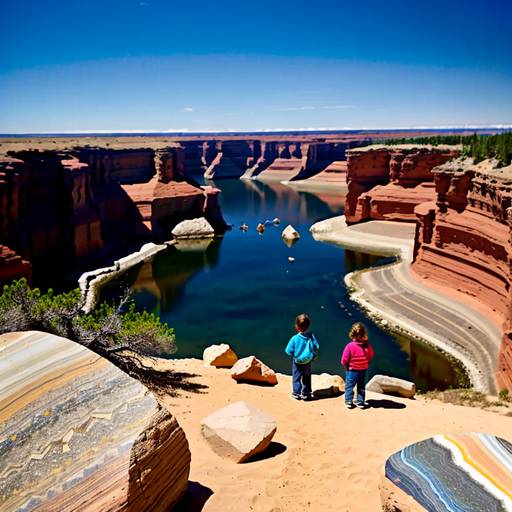
This 3rd-grade Earth Science lesson focuses on introducing students to the diverse world of rocks and minerals. Over the course of one hour, students will explore various types of rocks—igneous, sedimentary, and metamorphic—through hands-on activities at designated stations. They will use magnifying glasses to observe rock samples and complete worksheets to document their findings. A discussion on the rock cycle will follow, where students will learn about how rocks change forms through processes like melting, cooling, and erosion. The lesson incorporates collaborative learning, encourages curiosity, and reinforces key concepts through class discussions, exit slips, and potential extensions like field trips or projects. Accommodations are provided to support diverse learners and ensure everyone can engage with the material effectively.
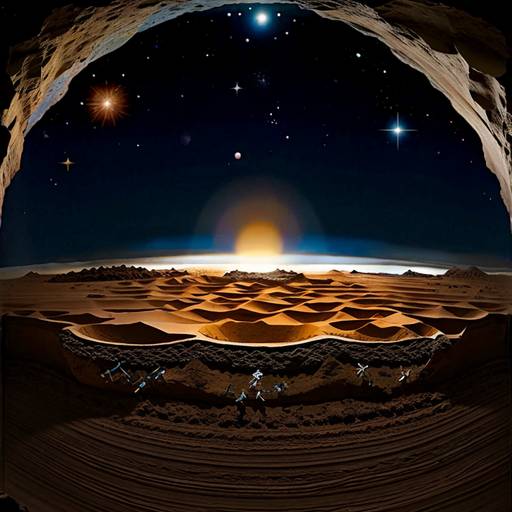
This engaging 3rd-grade Earth Science lesson focuses on the exploration of soil and its various layers. Students start by discussing what soil is made of and its importance in the environment. They learn about the different layers of soil, including the A, B, and C horizons, and the properties of various soil types, such as sandy, loamy, and clayey.
The hands-on activity involves small group work, where students collect different soil samples and conduct a simple experiment to observe how water interacts with these soils. They record their observations on worksheets, noting the texture and characteristics of each type. This allows students to classify the soils and discuss their findings as a class.
The lesson concludes with a group sharing session, reinforcing key concepts about soil health and its role in ecosystems. Students reflect on ways they can contribute to soil preservation in their communities. Extensions encourage garden projects and creative activities related to soil profiles, fostering a deeper understanding of soil's significance in supporting life. This interactive lesson plan promotes active participation and critical thinking among students while exploring fundamental Earth Science concepts.
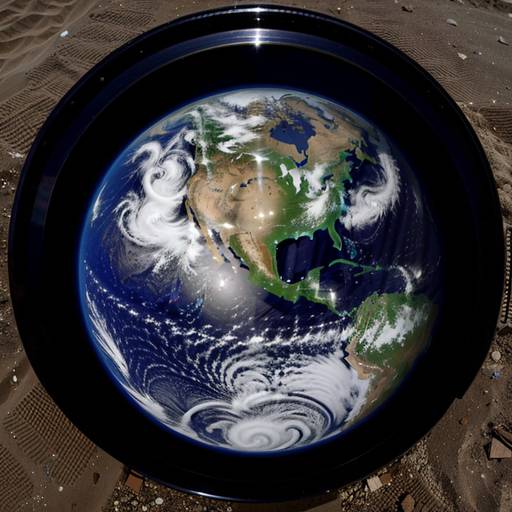
In this engaging Earth Science lesson for 3rd graders, students will explore the fascinating world of soil through hands-on activities and collaborative experiments. The lesson will begin with an introduction to what soil is and its crucial role in supporting plant life and the ecosystem. Students will learn about the different layers of soil—topsoil, subsoil, and bedrock—while observing various soil samples using magnifying glasses.
During the main activity, students will conduct an experiment where they mix soil with water in clear containers to observe the interactions and changes that occur. They will document their findings and discuss the characteristics and importance of different soil types in small groups.
The lesson will conclude with a group discussion, allowing students to share their observations and reflect on the significance of healthy soil for plants, animals, and humans. This lesson aligns with educational standards in Earth Science and includes opportunities for extension activities, such as field trips and creative projects, to further enhance student understanding of soil and its role in our environment. Assessment will involve evaluating participation, completion of worksheets, and the ability to articulate key concepts learned.
In this engaging Earth Science lesson tailored for 3rd graders, students will explore basic weather patterns and understand the water cycle's processes, including evaporation, condensation, and precipitation. The lesson begins with an interactive discussion about different types of weather, encouraging students to share their personal experiences and observations.
Through hands-on activities, students will observe real-time weather conditions and record their findings. They will also learn to create a simple weather report, combining drawing and writing to articulate the effects of the weather on their daily lives.
By the end of the lesson, students will demonstrate their understanding of weather concepts through active participation, and they will reflect on how these patterns influence their environment. The lesson incorporates practical activities to enhance learning and provides opportunities for extension projects, encouraging ongoing observation and curiosity about the weather.
In this 1-hour Earth Science lesson for 3rd graders, students will explore the fascinating world of rocks. They will learn to identify and describe three main types of rocks: igneous, sedimentary, and metamorphic, while also understanding the rock cycle and how rocks transform over time. The lesson begins with an engaging video introduction, followed by a discussion about prior knowledge and key concepts.
Students will participate in a hands-on activity where they examine various rock samples using magnifying glasses, classify them based on their characteristics, and present their findings. The session wraps up with a review of key points and a reflective exit ticket, allowing students to express their newfound knowledge. The lesson promotes active engagement through exploration and collaboration, reinforcing essential Earth Science concepts while fostering curiosity about the natural world.