
Filters
Level
Grade
Subject
Subject Area
Subject Topic
Standard(s)
Audience
Keyword
DurationMinutes
3rd Grade Time Lesson Plans

In this 3rd-grade math lesson, students will explore the concepts of time and time zones through a combination of engaging activities and discussions. They will learn to read both analog and digital clocks and understand how time zones are established due to the Earth's rotation. Using a world map, students will identify various time zones and match them with major cities.
The lesson includes a matching game where small groups will collaborate to connect cities with their corresponding time zones. Students will also practice calculating time differences based on various scenarios provided in a worksheet, enhancing their problem-solving skills.
By the end of the lesson, students will have a better understanding of how time varies across different regions of the world and why this knowledge is important for communication and travel. The lesson concludes with a reflection on the significance of time zones and encourages students to consider connections they may have with people in different parts of the globe. Extensions may include research on a selected country or city’s local time. Overall, this lesson aims to foster both mathematical skills and global awareness.
In this 60-minute math lesson for 3rd graders, students will explore the concept of time and learn how to calculate elapsed time. The lesson begins with a discussion about the importance of time and real-life examples of when certain activities occur. Through direct instruction, students will learn to read time on a clock and understand how to determine the duration between two events.
During guided practice, they will work in pairs with scenario cards to find the elapsed time, reinforcing their understanding with hands-on activities. Afterward, students will complete independent worksheets with various problems related to elapsed time, including clock drawings and word problems.
The lesson wraps up with a review of student answers and a discussion on how knowing about elapsed time is beneficial in their daily lives. Optional extension activities include creating original time-related story problems and using timers to track classroom activities. Assessment will be conducted through observation during practice and through the evaluation of independent worksheets. Overall, the lesson aims to engage students and provide practical applications of time concepts in their everyday experiences.
In this 60-minute lesson plan for 3rd graders, students will learn about measurement and time through interactive activities. The lesson begins with a discussion about the importance of knowing how to read a clock, followed by a demonstration on interpreting analog clocks. Students will engage in a guided practice session where they work in pairs to tell time and measure various classroom objects using rulers and measuring tapes.
For independent practice, they will complete a worksheet that includes both clock-reading and measurement tasks. To conclude, the class will review key concepts and share their learning experiences. Assessment will focus on students’ abilities to read clocks accurately and measure objects correctly. The lesson also provides opportunities for extensions and modifications to address different learning needs, as well as a home connection to reinforce skills outside of the classroom.
In this engaging lesson designed for 3rd graders, students explore the concepts of measurement related to time and length. They will learn to use various tools such as rulers and stopwatches to measure items and track durations. The lesson begins with a discussion on the importance of measurement in everyday life, followed by hands-on activities in small groups where students measure classroom objects in both inches and centimeters.
Next, students practice telling time using analog clocks and engage in a fun game to reinforce their skills. For a practical application, students choose physical tasks, measure the time it takes to complete them with a stopwatch, and record the results on a chart. The lesson concludes with a reflection on how the skills learned can be applied outside the classroom.
Assessment is based on observation during activities and the accuracy of recorded measurements. Differentiation strategies ensure that all learners can participate and succeed, while extensions offer opportunities for further exploration of measurement concepts. This interactive approach fosters both understanding and curiosity about measurement in the students’ daily lives.
In this 3rd-grade math lesson, students will explore the concepts of time and time patterns. The session will start with an engaging discussion about different ways to tell time, followed by direct instruction using an interactive clock. Students will practice reading analog and digital times and discuss the significance of AM and PM.
During guided practice, they will work in pairs to reinforce their clock-reading skills, followed by an interactive discussion on time patterns, which will help them recognize sequences. For independent practice, students will complete worksheets that involve drawing clock hands, filling out time charts, and solving word problems related to time.
The lesson will also include a creative group activity where students will work together to create posters illustrating time patterns using drawings and other materials. Finally, the session will conclude with a review of key concepts and an exit ticket to assess individual understanding. Differentiation strategies will be employed to support varied learning needs among students. Overall, the lesson aims to foster a solid understanding of time and its patterns through interactive and collaborative learning experiences.
This lesson plan is designed for 3rd-grade students to explore the concepts of measurement and time through interactive activities. The lesson begins with a discussion about the importance of these skills in everyday life. Students then participate in a hands-on exploration at various stations, where they measure classroom objects using different tools, such as rulers and meter sticks, and record their findings.
Afterward, the focus shifts to telling time on an analog clock. Students create their own clock faces and practice setting times to reinforce their understanding. The lesson culminates in solving word problems that integrate both measurement and time, allowing students to apply what they have learned in practical contexts.
Throughout the lesson, students work individually and in pairs, fostering collaboration and critical thinking. The teacher assesses student understanding through observation and by reviewing their completed worksheets. Extensions are provided for students who want to deepen their learning, including a scavenger hunt for measurement and discussions about elapsed time in daily routines. Overall, the lesson aims to make measurement and time engaging and relevant for young learners.
In this 3rd-grade math lesson, students will explore the concept of time and time zones. The lesson begins with an engaging discussion about clocks and the importance of telling time, followed by an introduction to time zones around the world. Using a world map, students will learn how different regions experience different times and how to convert time between these zones with practical examples.
Students will complete a worksheet that includes a time zone chart, allowing them to practice calculating the current time in various major cities based on a specified starting point. Afterward, they will create their own world clocks, selecting a city in a different time zone, and decorating their clocks while indicating the correct time.
The lesson concludes with a group discussion where students share what they’ve learned, reinforcing their understanding of the importance of time zones in daily life. Assessment will include checking the accuracy of their worksheets and creativity in their world clocks. Optional extension activities encourage further exploration of international time differences and their impacts on daily life. This comprehensive approach aims to build students' understanding of time measurement and its global implications.
In this 3rd-grade math lesson, students will explore the concepts of time and time zones to enhance their understanding of how time is measured and perceived across different regions. The lesson begins with an engaging discussion about the significance of time, followed by a demonstration of both analog and digital clocks.
Next, students will learn about time zones, using a world map to identify major zones and their relationships. They will be guided through calculating time differences by using a provided time zone chart, practicing these calculations with worksheet scenarios that involve various cities around the globe.
In small groups, students will work collaboratively on an activity that requires them to apply their knowledge of time zones to a real-world situation. Each student will then choose a country, research the current time there, and create a personalized clock design reflecting that time, incorporating cultural elements.
The lesson concludes with a reflection where students share their findings, and they will complete an exit ticket to summarize what they learned and express any remaining questions. Assessment will focus on participation, worksheet accuracy, and creativity in their clock designs, with extensions available for advanced learners and support for those needing assistance.
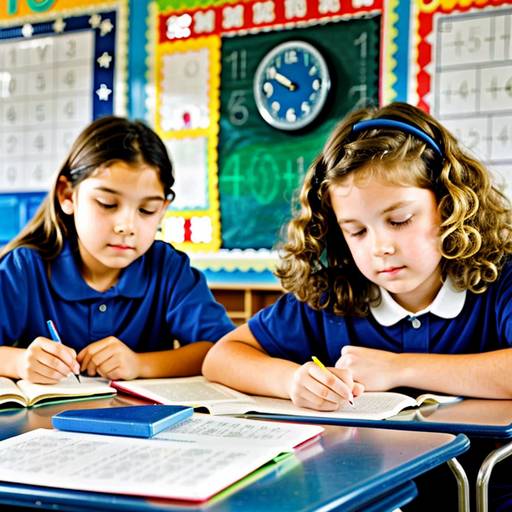
In this 3rd grade math lesson, students will learn to read clocks, tell time, and calculate elapsed time through engaging activities and real-life examples. The lesson begins with a class discussion about where they encounter time in their daily lives, followed by a hands-on demonstration using a large clock to illustrate how to tell time.
Next, the concept of elapsed time will be introduced, highlighting how to determine the duration between two events using familiar scenarios. Students will then work in pairs with individual clocks to set different times and calculate elapsed time in guided practice. Following this, they will complete worksheets that include various problems related to telling time and elapsed time, which will reinforce their understanding through independent practice.
The lesson will conclude with a class review of the worksheet answers and an exit ticket activity where each student shares something they learned. Throughout the lesson, student participation will be monitored, and completed worksheets will be reviewed to assess their comprehension of the material. This engaging lesson aims to build students' confidence in understanding time and its applications in everyday life.
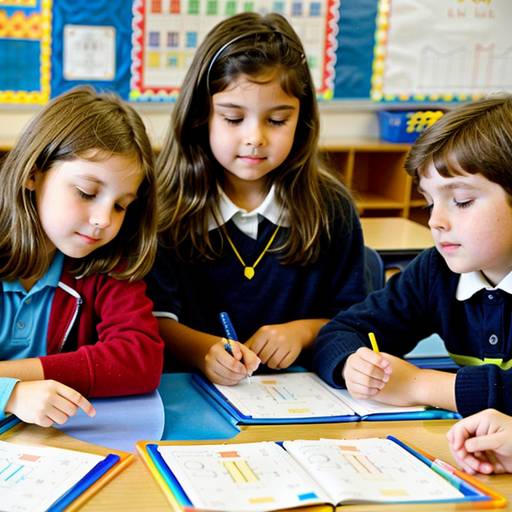
In this engaging 3rd-grade math lesson, students will explore the concept of time by learning to read both analog and digital clocks. The lesson begins with a discussion on the importance of time, followed by direct instruction on how to interpret hours and minutes. Students will actively participate in guided practice by setting times on their clocks and identifying patterns in time intervals with "Time Patterns" cards.
After the group activities, they will complete independent worksheets featuring matching exercises, multiple-choice questions, and word problems that reinforce their understanding of time and its application. The lesson concludes with a review of key concepts and an opportunity for students to share their answers to the problems. To accommodate varying levels of understanding, support materials will be provided for those who need it, while advanced learners will be challenged with additional problems related to elapsed time. Overall, this lesson emphasizes hands-on learning and collaborative exploration, helping students develop both math skills and practical knowledge related to time management.