
Filters
Level
Grade
Subject
Subject Area
Subject Topic
Standard(s)
Audience
Keyword
DurationMinutes
3rd Grade Measurement Lesson Plans

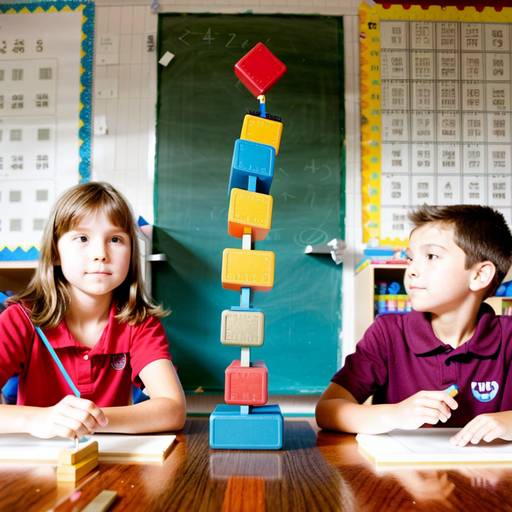
In this 3rd-grade math lesson, students will explore the concepts of measurement and weight through engaging activities. They will begin by discussing the importance of these concepts in everyday life and learn to use standard units for measuring length (inches, feet) and weight (ounces, pounds). Through guided practice, small groups will measure and weigh various classroom items using rulers and scales, recording their findings on chart paper. Additionally, they will estimate and measure fruits or vegetables, comparing their estimates to the actual measurements. The lesson will conclude with a class discussion on their discoveries. Assessment will involve observation during group activities and review of worksheets, allowing for differentiation and extensions like bringing personal items for added engagement. Overall, the lesson aims to provide hands-on learning opportunities, promoting collaboration and a deeper understanding of measurement and weight.
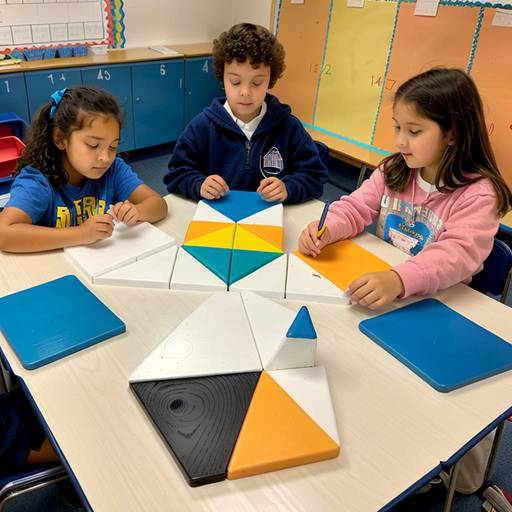
In this 3rd-grade math lesson, students will explore the concept of area through measurement and calculation involving squares and rectangles. The lesson begins with an introduction to area as the amount of space inside a shape, distinguishing it from perimeter. The instructor will demonstrate how to measure the sides of shapes using rulers and explain the area formula: Area = Length × Width. Students will engage in guided practice by measuring pre-prepared shape templates, calculating their areas, and representing them visually on graph paper. Following this, they will complete independent worksheets that reinforce the area calculation skills learned. The lesson concludes with a review of key concepts and their real-world applications, along with an assessment of students' understanding through worksheet evaluation. Optional extensions are provided for advanced learners to explore more complex shapes and applications. Overall, the lesson aims to provide hands-on learning experiences that foster a strong grasp of measurement and area principles.
This lesson plan is designed for 3rd-grade students to explore the concepts of measurement in length and temperature. Over the course of 60 minutes, students will engage in hands-on activities to measure various objects using rulers and take temperature readings with thermometers. The lesson begins with an introduction to the importance of measurement in everyday life, followed by direct instruction on using rulers and thermometers effectively.
Students will then participate in guided group practice, measuring the length of different objects and recording the classroom temperature. Afterward, they will complete a worksheet independently, where they analyze and answer questions about the measurements they took. The class will reconvene for a discussion, where groups will share their findings, and a collective temperature chart will be created for visual representation.
Assessment will be based on the completed worksheets and group participation. Extensions are offered for advanced learners, including unit conversion and investigating the effects of temperature on different materials. Modifications are also provided to support students needing additional assistance, ensuring all learners can engage meaningfully with the concepts presented.
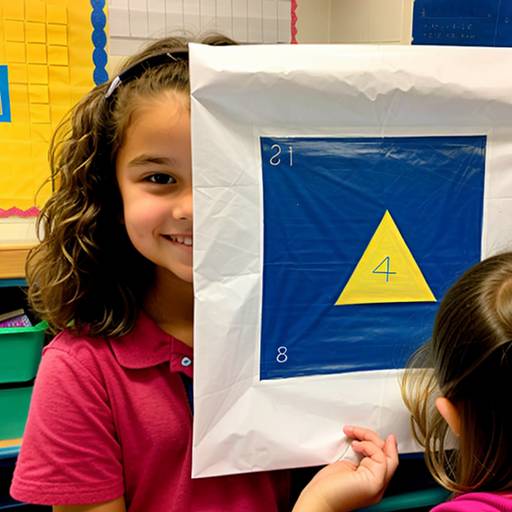
In this 3rd-grade math lesson plan, students will explore the concepts of measurement and perimeter through hands-on activities and guided instruction. They will learn about perimeter as the distance around shapes and practice measuring using rulers and tape measures. The lesson begins with an introduction to perimeter, followed by direct instruction on how to measure different shapes and calculate their perimeter using appropriate formulas.
Students will then work in small groups to measure shapes with provided templates, calculating and recording their findings. An engaging hands-on activity will allow them to create their own shapes using string or yarn, measure their sides, and determine the perimeter.
The lesson concludes with student presentations of their shapes and calculations, reinforcing their understanding of the concepts. Assessment will be conducted through observation during group activities and review of completed worksheets. Extensions and modifications are included to cater to diverse learning needs. This approach promotes collaboration and practical application of measuring skills.
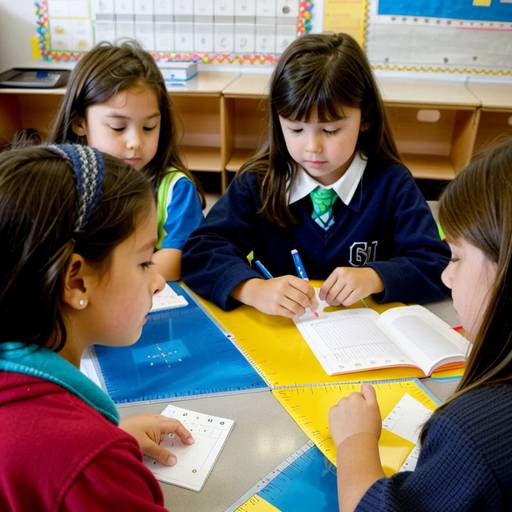
In this 60-minute math lesson for 3rd graders, students will explore measurement and area through interactive activities and hands-on practice. The lesson begins with discussions about the importance of measurement in everyday life, followed by demonstrations on measuring length using rulers in both inches and centimeters.
Students will learn the formula for calculating the area of rectangles (Area = Length x Width) with guided examples. They will then work in pairs to measure various objects, record the dimensions, and calculate the area together.
During independent practice, students will complete a worksheet with different rectangles drawn on graph paper, using their skills to measure and calculate the area of each shape. The teacher will conclude the lesson by reviewing key concepts and allowing students to share their findings. Assessment will be based on observations during group activities and the completion of worksheets. To extend learning, students will measure a room at home for homework and report back to the class. This engaging lesson reinforces essential math skills through collaboration and individual exploration.
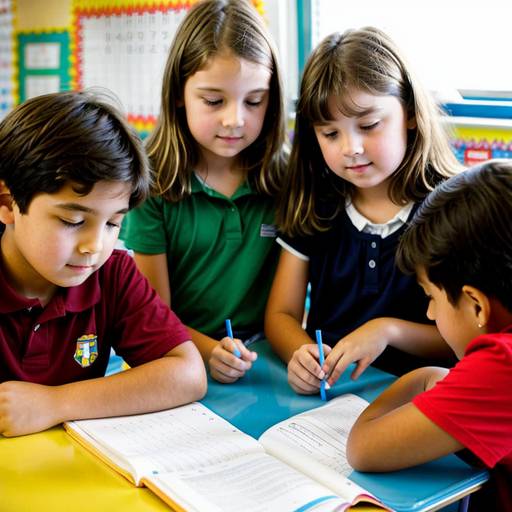
In this 3rd-grade math lesson, students will explore the concepts of measurement and volume through engaging hands-on activities. The lesson begins with an introduction to measurement and its importance in everyday life. Students will learn the difference between length and volume and become familiar with using measuring cups and standard measuring tools like rulers and meter sticks.
During guided practice, students will work in pairs to predict and then measure the volume of different containers using water, recording their findings on worksheets. They will also engage in independent practice by estimating and measuring the volume of household objects in the classroom. A class discussion will follow, allowing students to share their results and reflect on their learning.
Assessment will involve evaluating students' worksheets for accuracy and understanding, alongside monitoring participation during activities. Extensions provide opportunities for further exploration, such as a home project or a measurement scavenger hunt. The lesson aims to solidify students' understanding of measurement and volume while fostering collaborative learning and critical thinking skills.
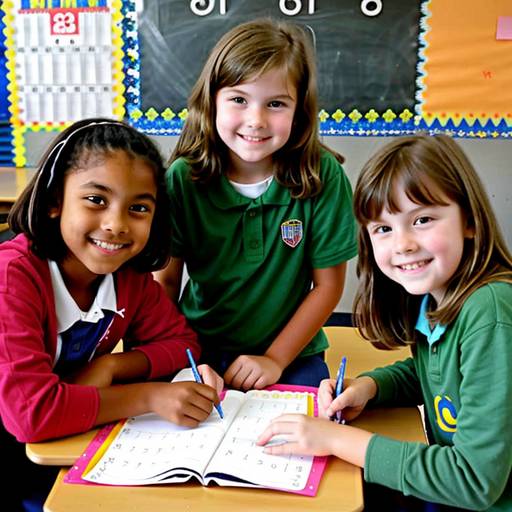
In this engaging 3rd-grade mathematics lesson, students explore the concepts of measurement and weight through hands-on activities. They begin by discussing the importance of measuring in everyday life and learn key vocabulary related to length and weight. Direct instruction focuses on using rulers and meter sticks to measure various classroom items, as well as employing scales to determine their weight.
Students are then divided into small groups to participate in two stations: one for measuring the length of items, using both standard and metric systems, and another for weighing items with a scale. Throughout these activities, they record their findings and take part in group discussions to share observations and surprises regarding the measurements they gather.
The lesson concludes with students reflecting on their learning through a sharing session and a wrap-up activity, where they express curiosity about measurements they would like to explore further. Assessment is based on participation and the accuracy of their measurement techniques. In addition, extensions and modifications are provided to ensure all students are engaged and challenged appropriately. Overall, the lesson emphasizes practical application, collaboration, and connection to real-world contexts in understanding measurement and weight.
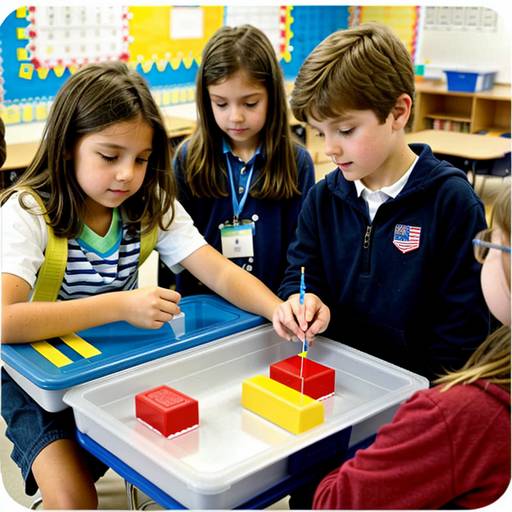
In this 60-minute math lesson designed for 3rd graders, students will explore the concepts of measurement and length through engaging activities. The lesson begins with a discussion about real-life applications of measurement, introducing key vocabulary such as inches, feet, and centimeters.
Following an instructional demonstration on how to use rulers and meter sticks, students will participate in measurement stations where they measure various classroom objects, make estimates, and record their findings. They will create a personal measurement chart featuring three selected objects, noting estimated and actual lengths, and reflect on their accuracy.
The lesson concludes with a review of key concepts and a preview of the upcoming topic on perimeter and area. Assessment will occur through the observation of student engagement during activities and the evaluation of completed worksheets and charts. Differentiation strategies will be implemented to ensure all students are supported according to their individual needs and abilities.
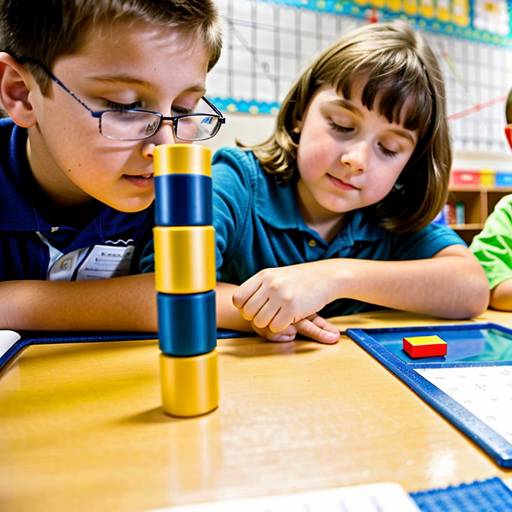
In this 3rd-grade math lesson focused on measurement and length, students will explore both non-standard and standard units of measurement. The lesson begins with a class discussion about the importance of measurement in everyday life, introducing key vocabulary such as centimeters, inches, and estimation.
Following a demonstration on effectively using rulers and yardsticks, students will participate in a small group activity where they measure various classroom objects and record their findings. This collaborative practice encourages discussion about any differences in measurements observed between groups.
Next, students will engage in independent practice by estimating and measuring a selection of items, allowing them to reflect on the accuracy of their estimates compared to the actual lengths. The lesson culminates in a class discussion to share insights and experiences, highlighting the significance of measurement accuracy.
Students will leave the class with a deeper understanding of measurement concepts, assessed through observations, completed worksheets, and exit tickets that reflect their learning and real-life applications of measurement. Differentiation strategies are implemented to support varied learning needs, ensuring all students gain confidence in their measurement skills.
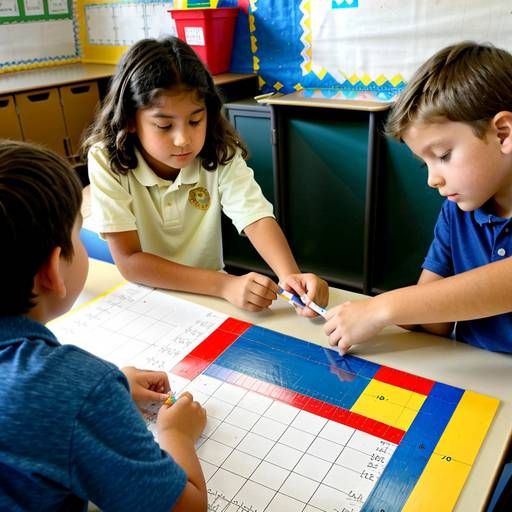
In this 3rd-grade math lesson, students will explore the concepts of measurement and length using both standard and non-standard units. The lesson begins with a discussion about the importance of measurement in everyday life, followed by a demonstration on how to use a ruler to measure objects in inches and centimeters. Students will then engage in guided practice, measuring various classroom items in small groups and recording their findings on a worksheet. Afterward, they will conduct independent measurements of an item of their choice, drawing it and labeling its length using both measurement systems.
The lesson wraps up with a class discussion, where students can share their measured items and reflect on their learning. Assessment will focus on participation, accuracy in measurements, and worksheet completion, with opportunities for extensions for those who finish early. This interactive approach encourages students to develop practical measurement skills and apply them in real-world contexts.