
Filters
Level
Grade
Subject
Subject Area
Subject Topic
Standard(s)
Audience
Keyword
DurationMinutes
3rd Grade Art Lesson Plans

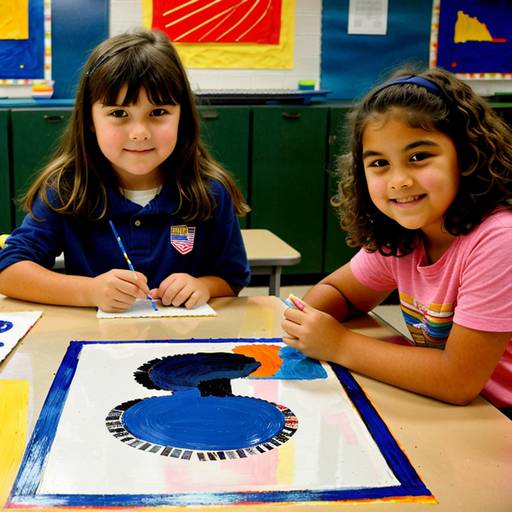
In this 3rd-grade art lesson, students will explore the art of printmaking by creating their own prints using everyday objects. The class begins with a discussion about printmaking and a demonstration of the processes involved. Each student will receive a Styrofoam plate to sketch and carve their unique designs, followed by applying non-toxic printing ink with a brayer. They will then create their prints by pressing the inked plate onto paper, experimenting with color and design variations. After completing their artwork, students will share and discuss their prints with classmates. The lesson emphasizes creativity, hands-on learning, and collaboration while introducing key concepts in printmaking. Monitoring student engagement and evaluating their prints will help assess their understanding of the techniques learned. Extensions for future lessons may include exploring more advanced printmaking methods.
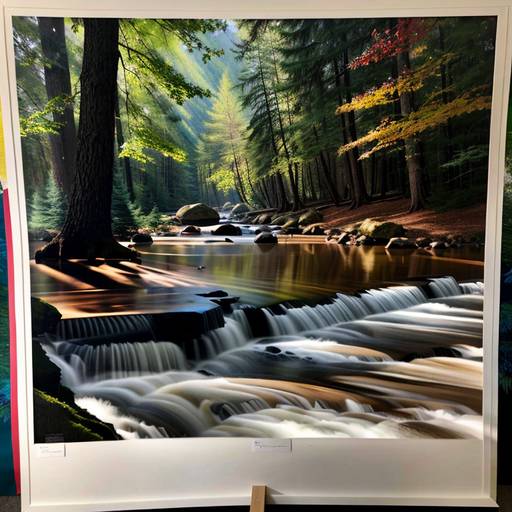
In this art lesson for 3rd graders, students will be introduced to the concept of printmaking while exploring the art forms inspired by nature. The lesson spans two class periods and begins with a discussion about printmaking techniques, accompanied by visual examples. Students will then participate in a nature walk to collect interesting natural items, such as leaves and flowers, which they will use for their printmaking projects.
In the first class, students will learn how to apply paint to their chosen natural materials and create prints by pressing them onto paper. The second class will focus on completing unfinished prints and sharing their work through a gallery walk, where students will appreciate and discuss their classmates' artwork. This will culminate in a reflective discussion about their experiences and learnings throughout the project.
Assessment will focus on participation, creativity in their prints, and engagement during discussions. The lesson encourages an appreciation for both nature and artistic expression while fostering skills in observation and printmaking techniques. Extensions may include creating a nature-inspired art book or exploring additional printmaking methods.
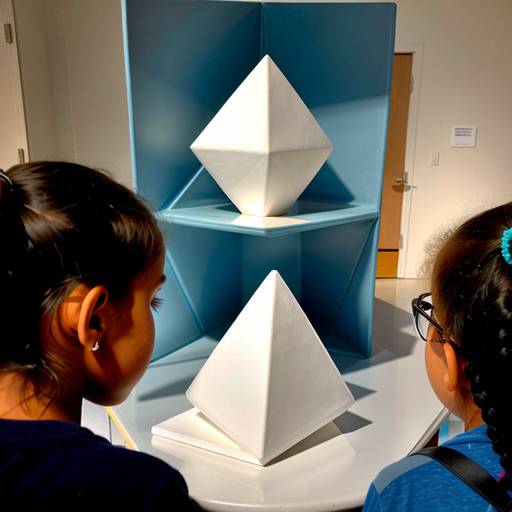
In this 3rd-grade art lesson, students explore the concept of sculpture and the various materials and techniques used to create three-dimensional art. The session begins with an introduction to different forms of sculpture, supported by visual examples that spark discussion about shapes and textures. Following a demonstration showcasing basic clay techniques, students will sketch their ideas before diving into the hands-on creation of their own sculptures using air-dry clay, natural materials, and recyclable items.
As they work, students are encouraged to experiment with different textures and shapes, fostering their creativity. Following the creation phase, there will be a clean-up period, and students will participate in a sharing session where they present their sculptures and describe their inspirations and the materials used. Assessment focuses on participation, creativity, and technique, allowing for a comprehensive understanding of the artistic process. Extensions include the potential for a class sculpture gallery and a "Sculpture Walk" to showcase their work within the school community. This lesson emphasizes creativity, self-expression, and an appreciation for three-dimensional art forms.
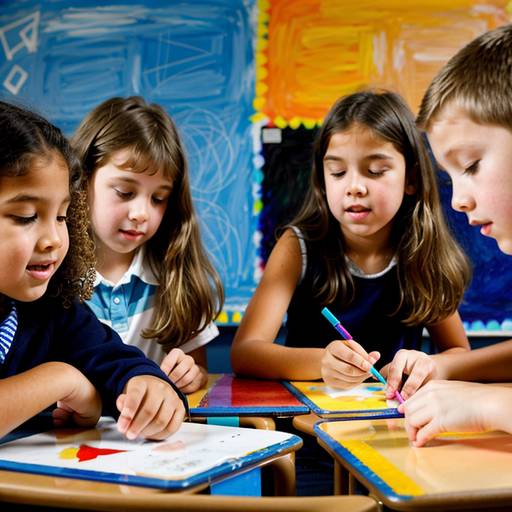
In this 3rd-grade art lesson, students will explore the concepts of primary and secondary colors, as well as the emotional impact of colors and shapes in their artwork. The lesson begins with a discussion of the color wheel and engaging students in sharing their favorite colors and associated emotions. Through guided instruction, they will learn about warm and cool colors, along with basic geometric shapes. Students will then cut out shapes from colored construction paper and creatively arrange them on a blank sheet to express a specific emotion or feeling. Following this, they will write a sentence about their artwork, explaining their color choices and the emotions conveyed. The class will conclude with students sharing their creations and discussing the relationship between color and emotional expression, providing a comprehensive understanding of color theory and artistic expression in a collaborative environment. Assessment will focus on observing students' creativity and their ability to articulate their choices. Extensions for early finishers and follow-up lessons on mixing colors will further enhance learning opportunities.
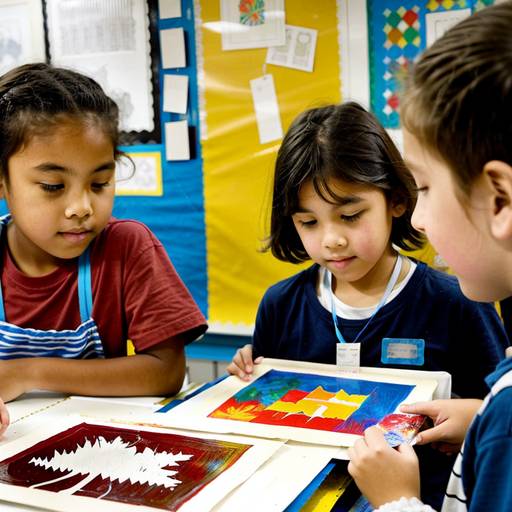
In this 3rd-grade art lesson, students will explore the fundamentals of printmaking by creating their own stamped prints. The lesson begins with a discussion about what printmaking is and examples of its use in everyday life. Students will design and cut their own foam stamps, focusing on simple shapes and patterns that can create interesting textures.
Once their stamps are completed, they will learn how to apply paint to their stamps using sponges, ensuring an even coating. The main activity involves stamping their designs onto large sheets of paper, experimenting with color combinations and layering techniques to enhance the visual impact of their prints.
After creating their artwork, students will share their pieces and reflect on their learning experiences. The lesson concludes with a brief cleanup, and students will have the opportunity to display their work while discussing the creative process and their favorite aspects of printmaking. Assessment will be based on participation, creativity, and each student's ability to articulate what they learned. Extensions of the lesson may include introducing more advanced printmaking techniques in future classes.
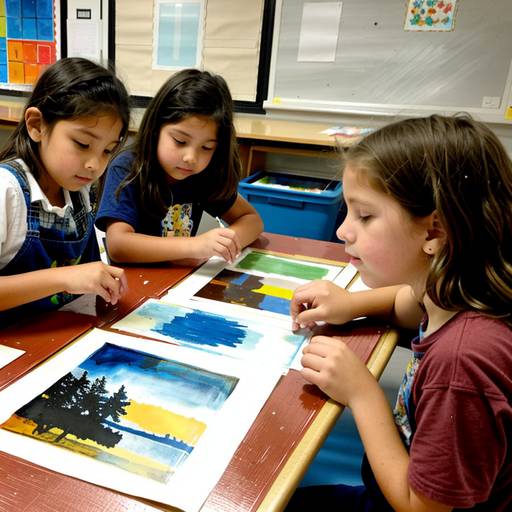
In this 3rd-grade art lesson, students will explore the basics of printmaking by creating their own stamps from potatoes or foam. The lesson begins with an introduction to printmaking concepts, including a discussion on different types of prints and their uses. After a demonstration on how to create stamps, students will craft their own designs and experiment with paint to make colorful impressions on paper. The class will then participate in a reflection and sharing session where they will discuss their artwork and the inspiration behind their designs. Cleanup and organization will follow, ensuring students learn the importance of maintaining a tidy workspace. This lesson promotes creativity, self-expression, and an appreciation for various art forms, while also encouraging collaboration and discussion among peers. Extensions for early finishers and a discussion of famous printmaking artists provide opportunities for further exploration in future lessons.
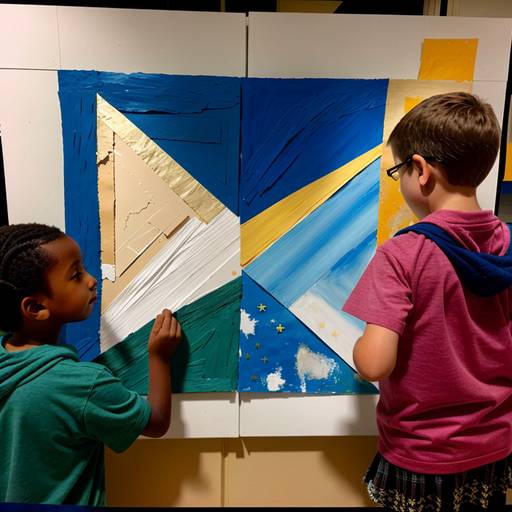
In this 60-minute art lesson for 3rd graders, students will learn about mixed media by creating textured artwork using a variety of materials. The lesson begins with a discussion on mixed media and an exploration of different textures found in various materials. After a demonstration of techniques for layering and combining these materials, students will engage in a "texture treasure hunt," where they can collect natural items from their surroundings. They will then create their own pieces of art on large sheets of construction paper or canvas, incorporating both collected and provided materials while experimenting with paint and markers. The class will conclude with a showcase of their artwork, allowing each student to share their inspiration and the textures they used. The lesson emphasizes creativity, tactile engagement, and an understanding of composition while encouraging students to express themselves through their artwork. Cleanup will follow the art-making process.
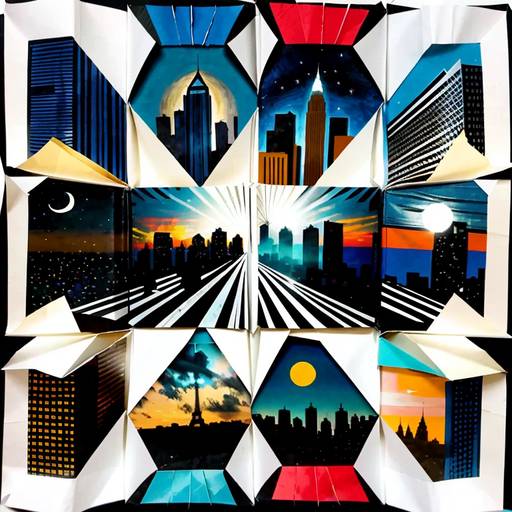
In this 3rd-grade art lesson, students will explore the creative technique of collage by constructing their own imagined towns using torn paper. The session begins with a discussion about the art form of collage, accompanied by examples of torn paper creations. Following this introduction, students will sketch their town designs on white drawing paper, incorporating various elements such as houses, trees, and roads.
They will then gather colored construction paper and old magazines to create their collages, focusing on tearing pieces to represent different features and layering them for texture and depth. While students work, the teacher will provide support and encourage thoughtful choices in color and composition.
At the end of the lesson, students will present their collages to the class, sharing their artistic decisions and the meanings behind their creations. The lesson concludes with a group reflection on the collage-making experience. Assessment will focus on creativity, effort, and understanding of collage techniques. Optional extensions include creating a collaborative mural or exploring new themes for future projects.
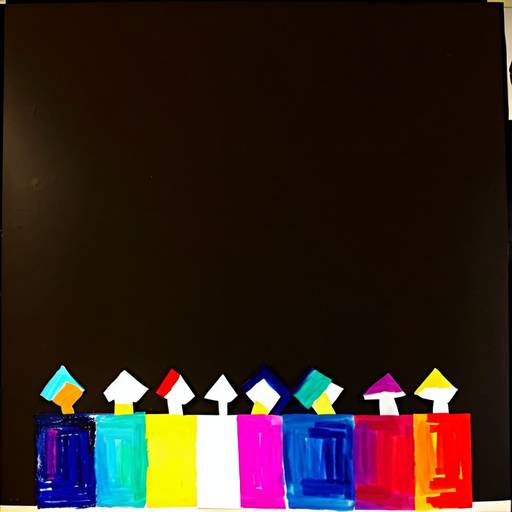
In this 3rd Grade art lesson, students will explore the basic elements of art, focusing on colors and shapes. They will learn about primary and secondary colors, as well as the distinction between warm and cool colors, using a color wheel for reference. The lesson begins with an introduction to these concepts, followed by a demonstration on mixing colors and incorporating shapes into artwork.
Students will then participate in a hands-on creative activity where they will trace and color various shapes on drawing paper, select a color scheme, and enhance their pieces with collage elements cut from magazines. They will be encouraged to express their creativity through color and form.
To conclude, students will engage in a group discussion to share their artwork and reflect on what they learned about color theory and the elements of art. Their understanding will be assessed through observation and a review of their completed projects. Extension activities include creating a "Color Journal" for practice and a color mixing station for further experimentation. This lesson fosters creativity while reinforcing essential art concepts.
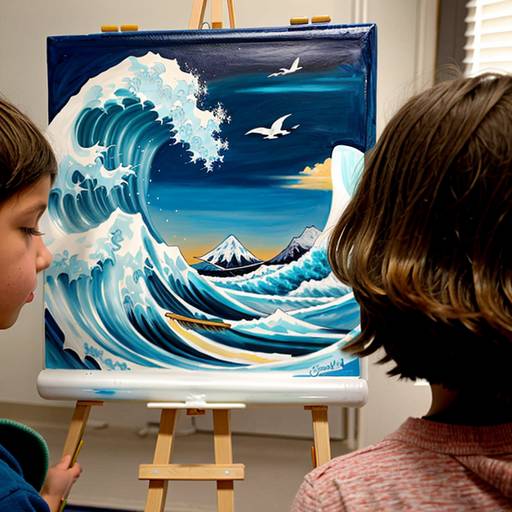
In this 3rd-grade art lesson, students will explore various painting techniques, including dry brush, wet-on-wet blending, and layering, through the creation of landscape artworks. The lesson begins with a discussion about different brush techniques and visual examples of landscapes, followed by a demonstration of each technique. Students will practice these techniques on scrap paper before applying them to their landscape paintings, focusing on elements such as the sky, land, and water. Throughout the process, they will be encouraged to experiment and use a combination of techniques.
At the end of the lesson, students will participate in a gallery walk to display their completed artworks, share their experiences, and reflect on what they learned about painting techniques. Assessment will be based on participation, the completion of their landscape paintings using multiple techniques, and engagement during reflections. Extensions will be available for early finishers, promoting further creativity. The lesson concludes with clean-up activities to encourage responsibility and collaboration.