
Filters
Level
Grade
Subject
Subject Area
Subject Topic
Standard(s)
Audience
Keyword
DurationMinutes
3rd Grade Art Lesson Plans

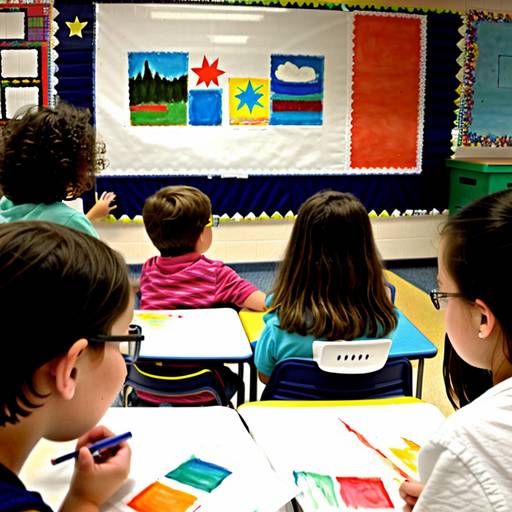
In this 3rd-grade art lesson, students will explore drawing techniques to capture movement and action. The session begins with a warm-up discussion about various forms of movement, using reference images for inspiration. The teacher will demonstrate how to break down complex images into basic shapes and use lines to convey dynamics.
Students will then engage in a hands-on activity where they choose a subject in motion and create sketches, focusing on the flow and action of their figures. After their initial sketches, they will add color and detail to enhance their artworks, using vibrant colors to express energy and speed.
To conclude the lesson, a gallery walk will allow students to display their work and share their artistic choices with the class. This interactive format encourages creativity and observation, with opportunities for peer feedback. Assessment will focus on students' understanding of drawing techniques, creativity, and their ability to convey movement in their artwork. Extensions and adaptations will provide additional support and challenges, ensuring an inclusive learning experience for all students.
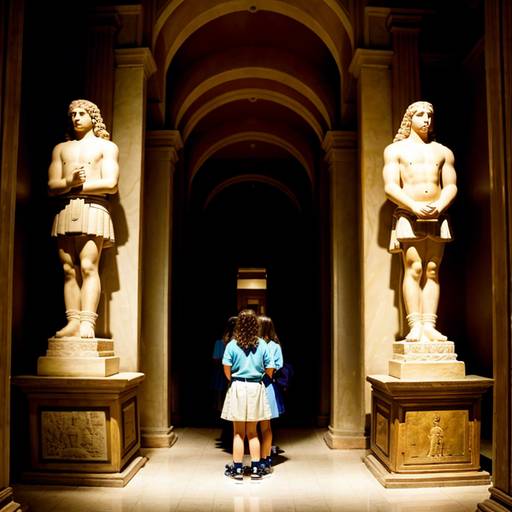
In this art lesson for 3rd graders, students will explore ancient art from various cultures, learning about the styles, materials, and purposes behind these historical artworks. The lesson begins with a discussion and visual presentation of ancient art forms, such as Egyptian hieroglyphs and Greek pottery, emphasizing their significance in storytelling and daily life. Following this introduction, students will engage in a creative activity where they design their own artwork inspired by ancient techniques, using drawing or sculpting methods.
As they create, students will think about symbols and meanings that resonate with them personally. The lesson concludes with a sharing circle where students present their creations, fostering discussion about their inspirations and the diversity of ideas. Assessment will be based on participation, creativity, and self-reflection. Extension activities, such as creating a classroom gallery and inviting discussions on students' cultural backgrounds in art, are also included. Adaptations are provided to support varying skill levels. Overall, the lesson aims to connect students to art history while encouraging their creativity and personal expression.
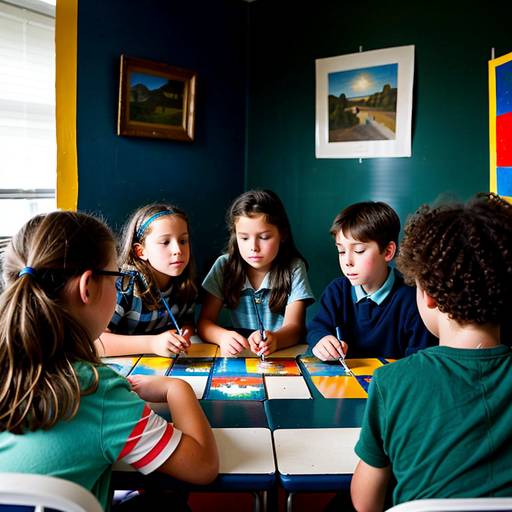
In this 3rd-grade art lesson, students embark on a journey to explore the lives and styles of three renowned artists: Vincent van Gogh, Frida Kahlo, and Pablo Picasso. The lesson begins with an engaging introduction to the importance of art in culture and history, followed by group work where students research their assigned artist, answer key questions, and prepare a presentation to share their findings with the class.
After learning about the artists, students engage in a creative activity where they create their own artwork inspired by the techniques and themes of the artists discussed. This hands-on experience encourages self-expression and allows students to apply what they have learned. The lesson concludes with a sharing session, allowing students to reflect on their creative process and the influence of the artists they studied. Displaying their artwork reinforces their connection to art history while celebrating their creativity. Throughout the lesson, students participate in discussions, collaborate in groups, and express their understanding through art, fostering a deeper appreciation for the world of art and its historical context.
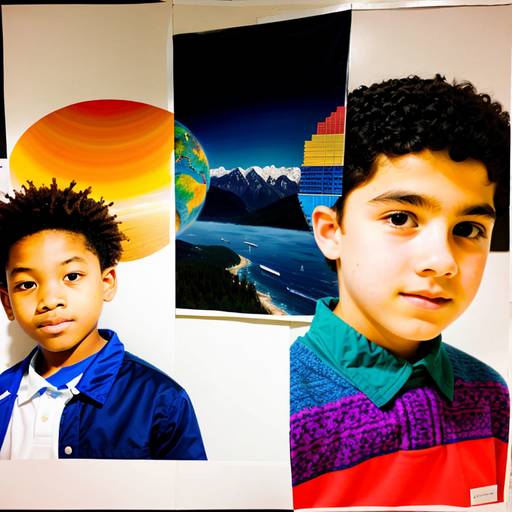
In this 3rd-grade art lesson, students will explore collage techniques by creating layered scenes that reflect their imagination. The session begins with a discussion about collage art and notable artists, followed by an introduction to different techniques such as layering and texturing. After creating a base for their artwork, students will gather materials from magazines, newspapers, and various textures to cut and arrange into their chosen themes. They will then glue their selected pieces onto the base while incorporating personal touches with markers or crayons. The lesson concludes with a gallery walk, where students will exhibit their collages and share the stories behind their creations with the class, fostering a discussion on their artistic choices and experiences. Assessment will focus on participation, creativity in their collages, and their ability to articulate their artistic process. Modifications will be made as needed to support all learners, ensuring a successful and inclusive experience in art exploration.
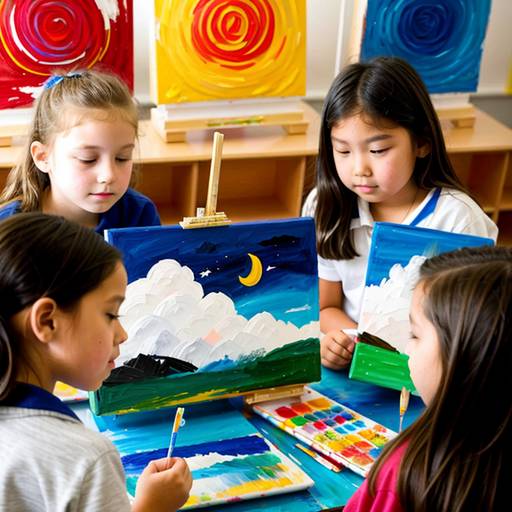
In this third-grade art lesson, students will explore various painting techniques, including wet-on-wet, dry brush, and layering, to create their own imaginative artwork. The lesson will begin with a discussion of different painting styles, showcasing examples that illustrate the use of these techniques. Following a demonstration, students will practice each technique on watercolor paper to gain hands-on experience.
Once they feel comfortable, they will independently create a final piece incorporating at least two of the techniques they have learned, allowing for creativity in their subject matter. The lesson will conclude with a sharing session where students can display their work and discuss their creative process. Assessment will focus on students' understanding and application of the techniques as well as their overall effort and creativity. Extensions to the lesson may include themed series projects and mixed media integration. The session encourages experimentation and a positive exploration of painting.
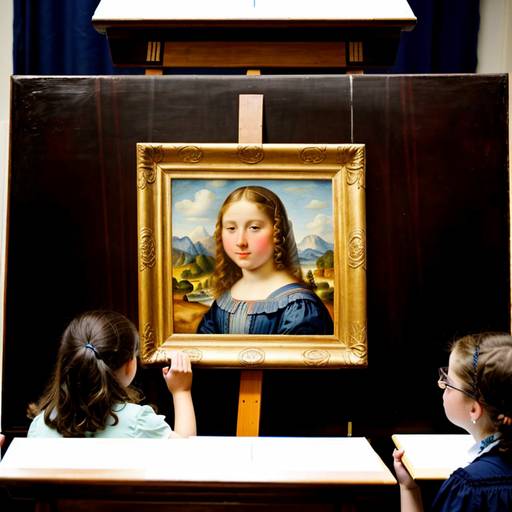
In this art lesson, 3rd-grade students will explore the world of art history by learning about three renowned artists: Vincent van Gogh, Pablo Picasso, and Frida Kahlo. The lesson begins with an engaging introduction to the significance of art and an overview of each artist's unique style and historical context.
Students will then work in small groups to discuss their assigned artist and present their findings to the class, fostering teamwork and communication skills. Following the discussion, students will create their own miniature artworks inspired by one of the artists, using various materials such as colored pencils, markers, or collage techniques.
As they create, students will have the opportunity to express their creativity while reflecting the styles of the artists they have studied. The lesson culminates in a gallery walk where students can share and appreciate each other's work, encouraging a sense of community and dialogue about art. Assessment will focus on participation, creativity, and understanding, with an extension activity available for those who finish early.
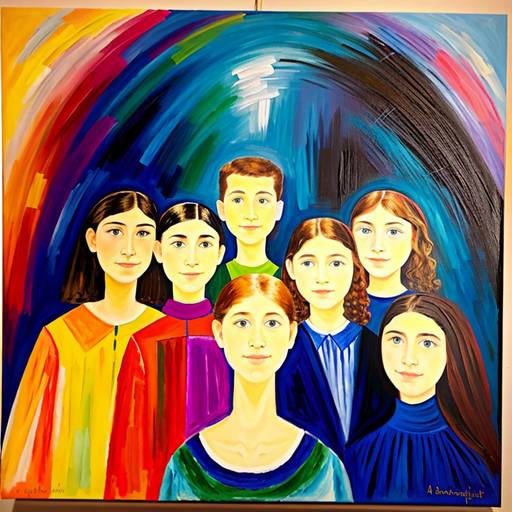
In this engaging art lesson for 3rd graders, students will explore the Expressionist art movement, focusing on its characteristics, such as the use of bold colors and distorted forms to convey emotion. The lesson begins with an introduction to key artists and their works, prompting discussions about how colors can represent feelings. Students will then create their own expressive artwork based on a specific emotion they’ve experienced, using a variety of materials like construction paper, crayons, and watercolors. They will share their creations with the class, explaining the emotions tied to their art. The session emphasizes personal expression through art while fostering connections to history and encouraging creative thinking. Extensions include creating a classroom gallery to display their work and writing about their artistic choices, incorporating literacy and social studies elements into the lesson. Overall, this activity allows students to connect emotionally with art and enhances their understanding of a significant art movement.
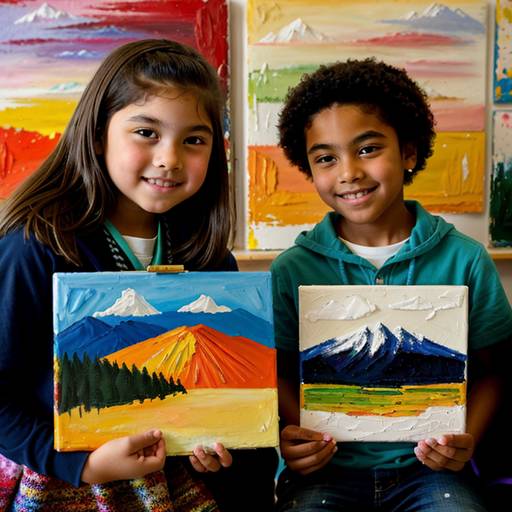
In this 3rd-grade art lesson plan, students will explore painting techniques and the concept of texture through a nature-inspired project. The session begins with a discussion about the colors and textures found in the natural world, encouraging students to connect their experiences with art. After a demonstration showcasing various painting techniques—including brush strokes, sponge application, and the use of natural objects—they will create their own artwork inspired by a scene from nature. Students will practice mixing colors and layering their paints while incorporating different textures into their compositions. The lesson culminates in a sharing session where students present their artwork to the class, reflecting on their creative choices and the techniques they employed. Assessment is based on individual creativity and the effective use of color and texture. Cleanup procedures ensure that the workspace is tidy before transitioning back to other classroom activities.
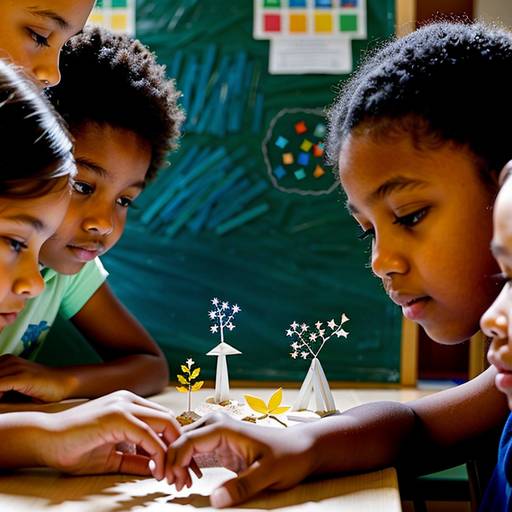
In this 3rd-grade art lesson, students will explore the concept of sculpture by creating their own 3D artworks using natural and organic materials. The lesson begins with a discussion about sculptures and various forms of 3D art, supported by examples to inspire creativity. Following a demonstration of basic sculpting techniques, students will construct their sculptures using materials such as twigs, leaves, stones, and pinecones, encouraged to think about form, balance, and texture.
After their creations are complete, students will share their artworks with the class, explaining their inspirations and material choices. The lesson emphasizes creativity and engagement, with informal assessments based on participation and the use of materials. Extensions include nature walks for gathering additional materials and discussions on famous sculptors, fostering a deeper appreciation for sculpture and natural art forms among students.
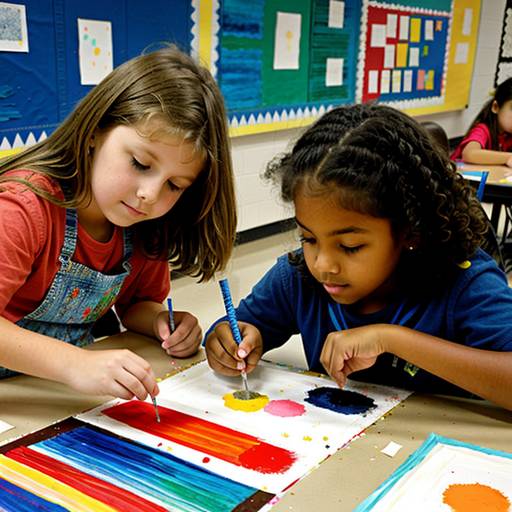
In this 3rd grade art lesson, students will explore printmaking techniques using everyday materials to create textured prints. The objectives are to help students recognize different textures in their environment and understand their significance in art, while also learning to make prints with their own designs. The lesson includes a warm-up discussion to identify textures, a demonstration on creating printing plates with styrofoam or cardboard, and an explanation of how to use paint to achieve clear prints.
During the main activity, students will carve their designs, apply paint to their plates, and press them onto construction paper or cardstock to create their prints. After completing their projects, a gallery walk will allow students to share and reflect on their work. The lesson concludes with an assessment of participation and creativity, and suggestions for extensions encourage further exploration of printmaking. This hands-on experience will enhance students' creativity and appreciation for texture in art.