
Filters
Level
Grade
Subject
Subject Area
Subject Topic
Standard(s)
Audience
Keyword
DurationMinutes
2nd Grade Social Studies Lesson Plans

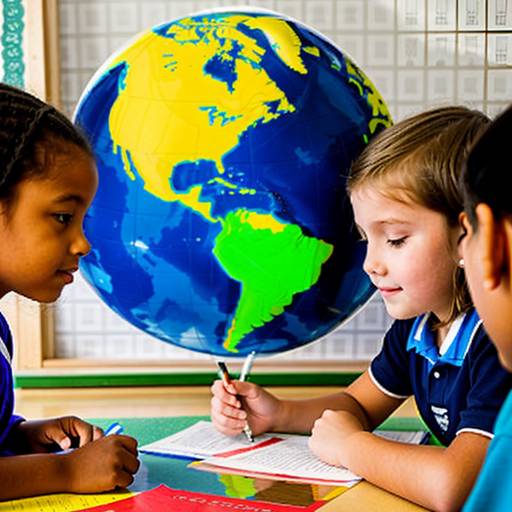
In this 2nd-grade social studies lesson, students will embark on an exploration of different countries and their geographic locations. The lesson begins with a discussion about geography, introducing students to the concept of maps and the significance of understanding various places around the world. Students will be divided into small groups, each assigned a specific country. They will use fact cards to learn about their country's capital, flag, and an interesting cultural aspect, and then locate it on a world map.
Following their research, each group will present their findings to the class, sharing the country’s key information and engaging their peers with questions. The lesson will conclude with a creative activity where students will decorate individual maps with stickers representing the countries discussed. This lesson aims to help students recognize global diversity and develop a basic understanding of world geography while fostering teamwork and presentation skills. Assessment will include observations during group presentations and the evaluation of students' individual maps for accuracy and creativity. Extensions to the lesson may include ongoing exploration of additional countries or personal connections to different cultures.
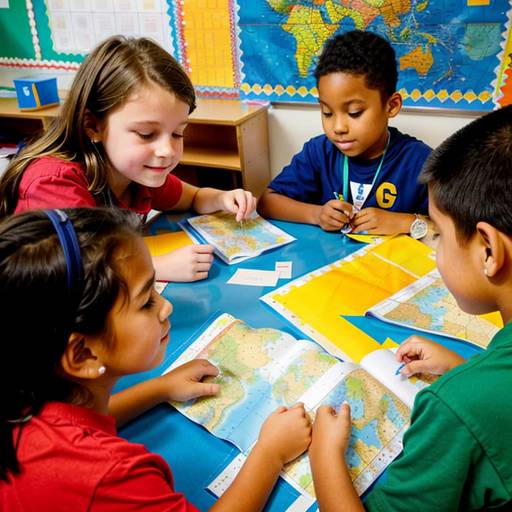
This lesson plan for 2nd-grade students focuses on introducing basic geographical concepts and map skills. Students will explore essential terms related to geography, such as landforms and bodies of water, while also learning about cardinal directions. The lesson includes a visual exploration of a world map or globe, followed by discussions on map features and symbols.
To reinforce their understanding, students will engage in a hands-on activity where they create their own imaginative maps, incorporating various geographical features like forests, rivers, and mountains. They will also develop symbols for these features and create a key, enhancing their ability to interpret and communicate map information.
The lesson concludes with a class discussion, encouraging students to reflect on their learning and share their maps with peers. Assessment will be based on participation and the thoroughness of their maps, with additional support provided as needed for diverse learners. An optional extension activity introduces a fun game that further develops map skills and creativity.
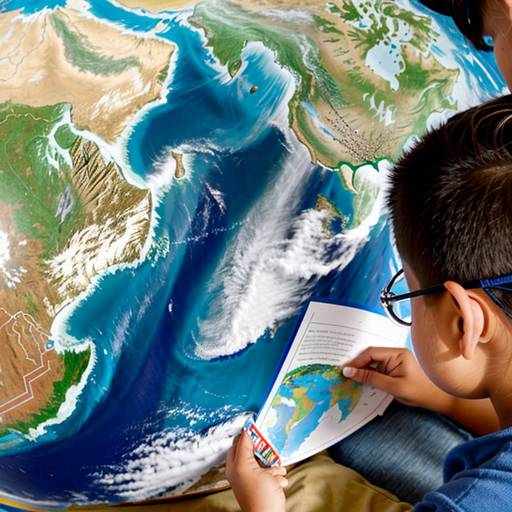
In this 60-minute social studies lesson for 2nd grade, students will explore geography and various landforms, including mountains, hills, valleys, rivers, lakes, and deserts. The lesson begins with a discussion to activate prior knowledge, followed by direct instruction using picture cards and a world map to illustrate characteristics and examples of each landform. In small groups, students will create posters detailing their assigned landform, including drawings and facts, which they will then present to the class. Each student will also design their own landform map featuring at least three types of landforms, labeling them accordingly. The lesson concludes with sharing maps and a review of key concepts learned. Assessment will focus on participation, group work, and the individual map creation. Adaptations and extensions are provided to accommodate varying student needs and to deepen the learning experience in future lessons.
This lesson introduces 2nd-grade students to the concept of timelines in history. It begins with a story about a famous historical figure to spark interest, followed by a discussion about key events in both history and personal lives. Students learn how to create a timeline by examining a pre-made poster of significant historical events and collaboratively building a large classroom timeline using sticky notes to represent their suggestions. For independent practice, students draw and write about three important events in their lives on blank paper, ensuring they are arranged chronologically. The lesson concludes with student presentations of their personal timelines, reinforcing the connection between individual experiences and broader historical narratives. The lesson is designed to engage students through interactive activities, assessment through observation, and opportunities for differentiation based on individual learning needs.
In this 2nd-grade social studies lesson, students will explore important historical figures and their contributions to society. The lesson begins with a discussion about the significance of history, prompting students to share what they know about notable individuals. Through reading picture books and group activities, students will learn about various figures, engaging in a collaborative guessing game using fact sheets.
Afterward, each student will select a historical figure to create an artistic representation, incorporating key facts or quotes related to that person. The lesson concludes with a class sharing session and a reflection on the importance of understanding history. Assessment will involve observing student participation, reviewing worksheets, and evaluating their art projects. Adaptations will be made for diverse learners, and a classroom display may be created to showcase student work and promote further interest in historical figures.
In this 2nd grade social studies lesson, students will explore important historical figures in American history and their contributions. The lesson begins with a class discussion on the concept of history and what makes someone a hero. Students will then participate in a read-aloud session featuring stories about notable figures, fostering engagement and comprehension.
Following the read-aloud, students will work in small groups, each assigned to a different historical figure. They will create posters that highlight the figure’s name, contributions, and significance to society, using a provided graphic organizer for guidance. Groups will present their posters to the class, fostering peer interaction and discussion around common themes.
The lesson concludes with a reflection period where students share their insights and interests regarding the historical figures learned about. As an extension activity, students will complete a drawing of their favorite historical figure with a sentence explaining their admiration. Assessment will be based on group participation, the quality of presentations, and the completion of the homework assignment. This lesson aims to enhance students’ understanding of history while developing teamwork and presentation skills.
In this 2nd-grade social studies lesson, students will explore the various roles within their community and the significance of community helpers. The lesson begins with an engaging discussion about what a community is and who the key figures are that contribute to its functioning. Following this, the teacher will read a storybook that highlights different community workers, facilitating a conversation about the responsibilities of these individuals.
Students will then participate in a group activity where they identify community helpers using picture cards, contributing to a class chart that outlines each helper's role and duties. For a hands-on individual activity, they will create a worksheet featuring their favorite community helper, complete with a drawing and descriptive sentences about the helper's contributions to the community.
The lesson concludes with students sharing their work with peers, promoting a sense of appreciation for the people who support and enhance their neighborhood. Through these activities, students will gain an understanding of the importance of community roles and the collaborative efforts that foster a thriving environment. This lesson not only engages students in creative expression but also instills a respect for community helpers and their essential functions.
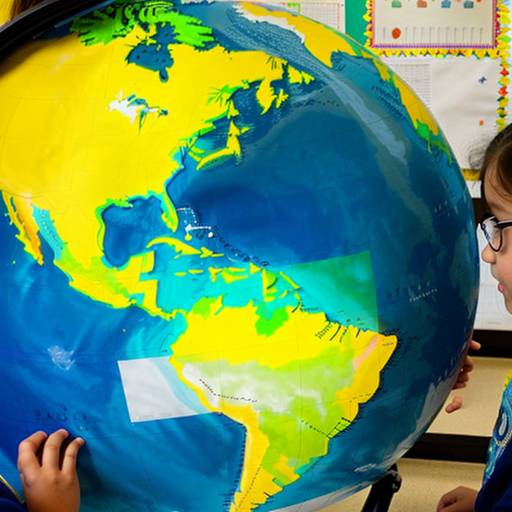
In this 2nd grade social studies lesson, students will explore the fundamental concepts of maps and geography, focusing on elements such as symbols, legends, and compass roses. The lesson begins with a warm-up discussion where students share their prior knowledge about maps, followed by an examination of various map examples. Through guided practice, the class collaboratively creates a simple map of their classroom, developing a legend to represent different features. Students then independently design their own maps of familiar places, incorporating symbols and legends. The lesson concludes with a sharing session, where students present their maps to the class and reflect on the significance of maps in navigating the world around them. Assessment will be based on participation during activities and the clarity of the symbols and legends in their maps. The lesson also includes potential extensions and adaptations to cater to varying student needs.
In this second-grade social studies lesson, students will learn about the concept of timelines and their importance in understanding history. The lesson begins with an engaging introduction where students discuss the meaning of history and explore significant historical events through visuals. They will then be guided in creating a simple timeline by modeling the process with personal life events, illustrating the sequence and significance of these occurrences.
During a group activity, students will collaborate to identify and order memorable events within their small groups, reinforcing their understanding of chronological order. Afterward, each student will have the opportunity to create their own personal timeline on a large piece of paper, illustrating at least 3-5 key events in their lives.
The lesson concludes with students sharing their timelines with peers, promoting reflection on their unique experiences while recognizing the diversity in personal histories. Assessment will involve observing participation and reviewing completed timelines to ensure students grasp the concept of chronological order. Extension activities may include creating a larger class timeline and involving families in documenting important events, further connecting personal and historical narratives.
In this 2nd-grade social studies lesson, students will explore significant historical figures and their contributions to society, enhancing their understanding of history's impact on the present. The lesson begins with a class discussion about the importance of history, followed by a read-aloud of a biography about a notable figure. Students will then work in small groups to research their assigned historical figure using provided worksheets, which guide them in noting key information about the individual's life and contributions.
After conducting their research, each group will create a visual timeline illustrating important events related to their figure. Once complete, they will present their findings to the class, fostering skills in summarization and peer interaction. The lesson concludes with a reflective discussion where students share insights gained from each other's presentations and consider how these historical figures influence our lives today. Assessment will include observation of group work and the collection of worksheets to evaluate comprehension. Extensions to the lesson include creative writing activities and the creation of a class display. The lesson aims to promote inclusivity by featuring a diverse range of historical figures.