
Filters
Level
Grade
Subject
Subject Area
Subject Topic
Standard(s)
Audience
Keyword
DurationMinutes
2nd Grade Narrative Writing Lesson Plans


In this lesson plan for 2nd-grade students focusing on narrative writing, students will explore the essential elements of storytelling, including characters, setting, problem, and solution. The lesson begins with a read-aloud of a creative story, followed by a class discussion to identify the story elements. Students will then brainstorm new characters and settings in pairs, leading to the development of an exciting plot. During independent practice, students will write their own short stories in their journals, incorporating the discussed elements and illustrating their work. Finally, students will share their narratives with the class or in small groups, promoting confidence in their writing and encouraging reflection on their creative process. The lesson includes assessments and differentiation strategies to support various learning needs.
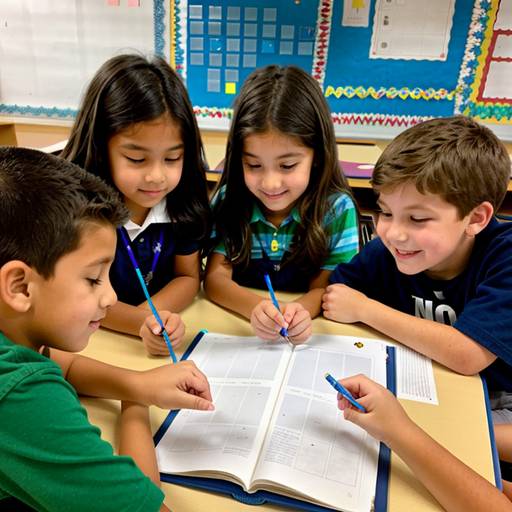
In this 2nd-grade language arts lesson, students will explore narrative writing by creating their own adventure stories. The lesson begins with a read-aloud of an engaging adventure story, followed by a class discussion that identifies key narrative elements: characters, setting, plot, and resolution. Students will then collaborate to fill out story maps that help them plan their own stories, focusing on unique characters and imaginative settings. After guided brainstorming, students will write their story drafts, incorporating the components discussed. The lesson concludes with students sharing parts of their stories with classmates, fostering a supportive environment for creativity. Assessment will be based on the clarity and completeness of their narratives, while accommodations will be provided to support diverse learning needs.

This 2nd-grade language arts lesson focuses on introducing students to the elements of narrative writing. The lesson begins with a read-aloud of a familiar story, prompting a discussion about its characters, setting, problem, and solution. Students then engage in a guided practice where they collaboratively fill out a Story Map template, effectively organizing their ideas for a narrative. Following this, they work independently to create their own stories using the Story Map, incorporating illustrations. After writing, students pair up or form small groups to share their narratives, promoting active listening and peer feedback. The session concludes with a recap of narrative elements and an opportunity for a few students to share their work with the entire class. Assessment is based on participation, the completion of Story Maps, and the sharing of their narratives, with adaptations available to support diverse learning needs and extensions for advanced learners.
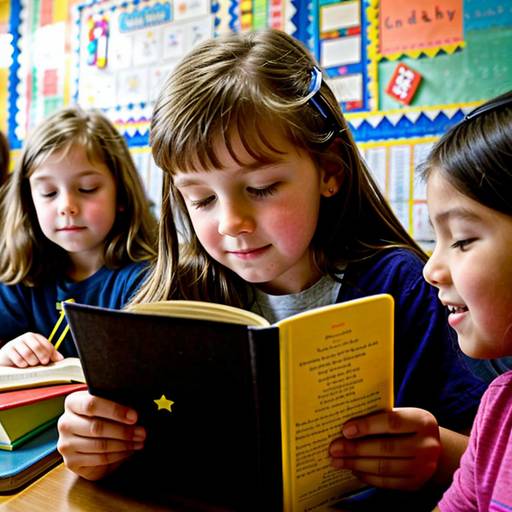
In this 2nd-grade language arts lesson, students will explore narrative writing by learning about the key elements of storytelling, including characters, setting, plot, and conflict. The lesson begins with a discussion about favorite stories, allowing students to articulate the components of narratives. After a mini-lesson where a familiar tale is analyzed, students will complete story map worksheets in pairs, brainstorming their own characters, settings, problems, and resolutions. They will then individually draft their own narratives based on their story maps, incorporating illustrations. The lesson concludes with opportunities for students to share their stories with classmates. Assessment will involve reviewing both the story maps and drafts to gauge understanding of narrative structure, and an extension activity will involve compiling a class storybook featuring student contributions. This lesson promotes creativity and engagement with writing while developing essential narrative skills.