
Filters
Level
Grade
Subject
Subject Area
Subject Topic
Standard(s)
Audience
Keyword
DurationMinutes
1st Grade Geography Lesson Plans

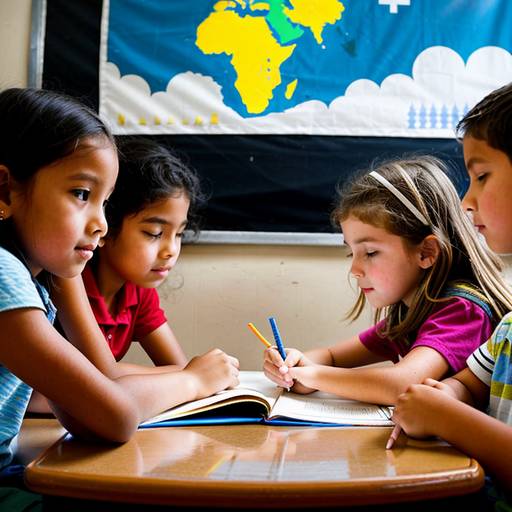
This lesson plan for 1st-grade students focuses on teaching basic geography and cultural awareness through the exploration of different countries. The lesson begins with an introduction to the concept of countries and the use of a world map or globe to help students identify and name various locations. Students will learn about 3-4 selected countries, including interesting facts about their geography, landmarks, food, and traditions.
The activity involves students working in small groups to explore provided materials, discussing and deciding on a key fact to share with the class. Each group will present their findings, fostering communication and collaboration skills. Students will then engage in a creative drawing activity where they illustrate something they learned about one of the countries, further reinforcing their understanding.
Assessment will be based on participation, engagement, and creativity during the activities. The lesson encourages cultural awareness and curiosity about the diversity of the world, with extensions for students to continue learning about different countries at home. Overall, this lesson aims to create an interactive and engaging environment for young learners to explore geography and culture.
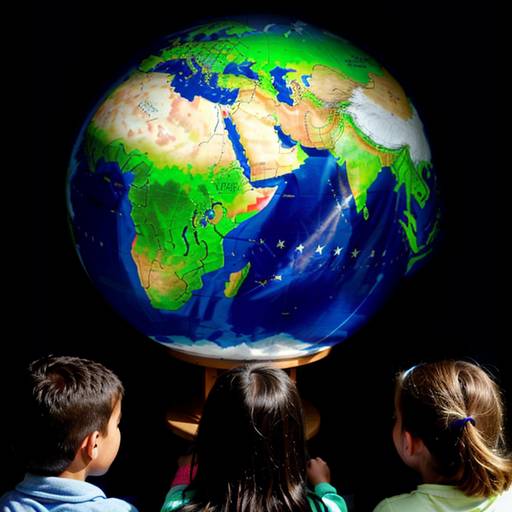
In this 1st-grade social studies lesson, students will embark on an exploration of various countries around the world, focusing on geography and cultural diversity. The lesson begins with a brief introduction to the concept of countries and geography, using a world map to highlight their own country. Educators will introduce selected countries, providing interesting facts and showing picture cards related to each country's flag, traditional clothing, and landmarks.
Students will then engage in a group activity where they locate the discussed countries on a map while discussing what makes each one unique. For the independent activity, each student will select a country of interest and create a poster that includes the country's name, a drawing or picture of a landmark, traditional food or cultural items, and a fun fact.
The lesson concludes with students sharing their posters with the class, fostering a sense of community and appreciation for global diversity. Assessment will be based on observation during the activities and the creativity demonstrated in the poster project. Optional extensions include a "Cultural Day" event, promoting further engagement with the material. The lesson aims to enhance students' understanding of different cultures and the world in which they live.
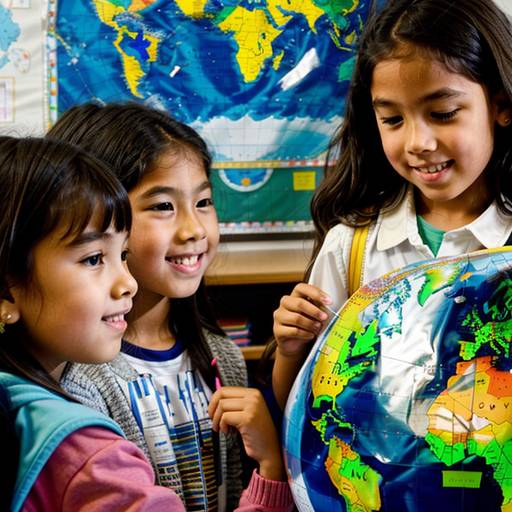
In this 1st grade social studies lesson, students will explore basic geographical concepts and the use of maps. The lesson begins with a discussion about maps and globes, allowing students to share their prior knowledge. Through direct instruction, they will learn about land, water, symbols, and the compass rose using a large world map.
During guided practice, students will work in pairs to identify and discuss symbols on printed maps. Following this, they will engage in a creative activity where they design their own simple maps of a room, incorporating recognizable symbols. The lesson concludes with students sharing their maps with the class, reflecting on what they learned by writing notes for a classroom display.
Assessment will be conducted through observation during activities and map collection for feedback. Additional extensions will be offered for students who quickly grasp the concepts, including creating treasure maps. The lesson aims to foster curiosity about geography and the importance of maps in understanding the world.
In this 1st grade social studies lesson, students will engage with the concepts of geography and maps by exploring basic map elements and creating their own treasure maps. The lesson begins with an interactive discussion about maps, where students share their knowledge and experiences. Using a large wall map, the teacher highlights fundamental features such as titles, compass roses, and symbols, while students participate in identifying key geographical elements.
Following this introduction, students work in small groups to collaboratively create and present a simple map of their classroom, reinforcing their understanding of symbols and spatial relationships. In the independent practice segment, each student creates their own treasure map, incorporating various landmarks and symbols to represent their imagined locations.
The lesson concludes with a sharing session where students present their maps, allowing for creative expression and reflection on how maps aid navigation and exploration. Assessment is conducted through observation and evaluation of the treasure maps, ensuring students grasp the lesson's objectives. Extensions and adaptations are included to accommodate different learning needs, enhancing the overall learning experience.
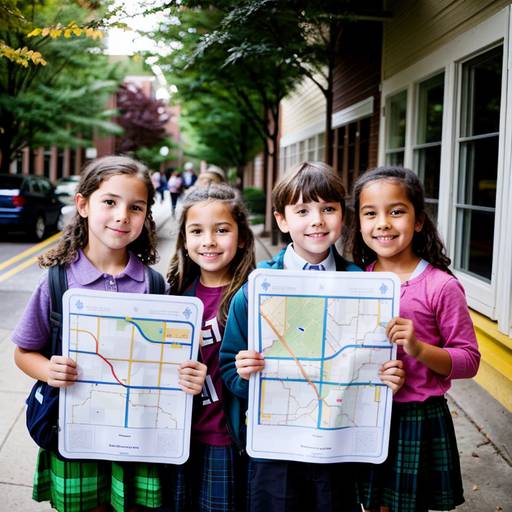
This lesson plan for 1st-grade social studies focuses on introducing students to basic geography and map concepts. It aims to help students understand important elements of maps, including symbols, legends, and cardinal directions. The lesson begins with a discussion about familiar locations in their neighborhood, leading to an exploration of map basics.
Students engage in identifying and discussing various symbols that represent different places. They then create their own neighborhood maps on blank paper, utilizing the symbols provided to accurately represent the locations and experiences they value. Through sharing their maps with peers, students develop communication skills while reinforcing their learning.
The conclusion part of the lesson involves a review of key concepts and encourages students to consider the significance of maps beyond their immediate surroundings. Assessment is based on participation and the creation of their maps, which serves to evaluate their understanding of the material. A follow-up activity suggests creating a collaborative classroom map, enhancing the lesson's focus on community and teamwork. Overall, the lesson combines creativity, engagement, and experiential learning in a structured format.
This first-grade social studies lesson focuses on introducing students to basic geography concepts, particularly related to maps. Students will begin by engaging with a storybook that highlights maps and their importance in understanding locations. They will learn about key map features such as the legend, compass rose, and symbols. Through a guided practice activity, the class will collaboratively create a community map, identifying important local landmarks and their relationships to one another.
Following this, students will have the opportunity to create their own individual neighborhood maps, incorporating at least three significant locations, along with a legend and compass rose. The lesson will conclude with a sharing session, allowing students to present their maps and explain their chosen landmarks. Assessment will involve monitoring participation and reviewing the completed maps for necessary elements. Extensions to the lesson include exploring digital maps and planning a neighborhood walk to reinforce learning. Overall, this lesson aims to foster an appreciation for maps and an understanding of students' places in their community.
In this 1st-grade social studies lesson, students will explore the concept of countries and their significance within the world. The lesson begins with a discussion about what constitutes a country, using a large world map to highlight continents and specific nations. Students will engage in a guided activity where they match flags to the associated countries while learning interesting facts about each.
For the independent activity, each student will choose a country to research further and create a colored map that includes drawings or descriptions of three notable features, such as the flag, food, and a famous landmark. They will have the opportunity to share their findings with peers in small groups, fostering communication and collaboration.
The lesson will conclude with a class regrouping to allow students to share insights about what they learned, reinforcing their understanding of global diversity. The overall aim is to instill an appreciation for different cultures and geography while encouraging creativity and peer interaction. Assessment will be based on participation and the quality of the completed maps, with potential extensions for further cultural exploration in future lessons.
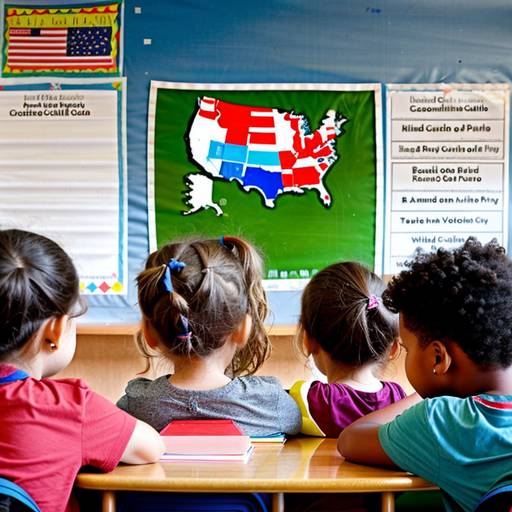
In this 1st Grade Social Studies lesson, students will explore geography and learn about various countries and their cultures. The lesson begins with an introduction to geography, using a world map or globe to discuss different countries and encourage students to share their knowledge. Students will then focus on a few selected countries, learning interesting cultural facts such as traditional foods, clothing, and landmarks through visual aids.
Following this exploration, students will engage in a hands-on craft activity where they will create a flag or cultural symbol representative of the chosen country. This activity will help reinforce their understanding and allow for creative expression. The lesson concludes with a wrap-up discussion where students share their crafts and insights, supporting language development and communication skills.
To assess understanding, the teacher will observe participation and collect crafted projects for feedback. Extension activities may include a family geography project and the introduction of online exploration tools, promoting continued learning about global cultures. The lesson aims to foster curiosity and appreciation for diversity among young learners.