
Filters
Level
Grade
Subject
Subject Area
Subject Topic
Standard(s)
Audience
Keyword
DurationMinutes
1st Grade Music Lesson Plans

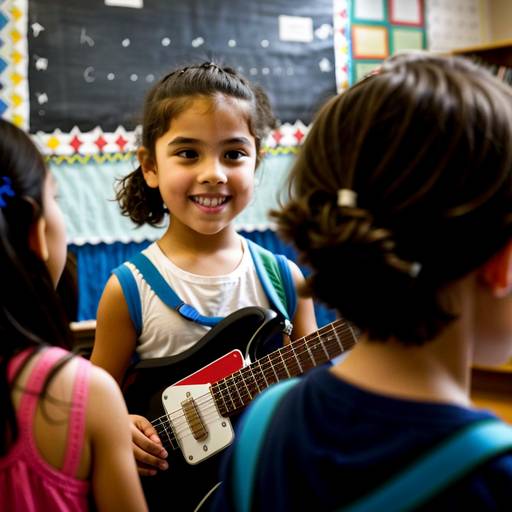
In this 1st-grade music lesson, students will explore various musical styles, specifically classical, jazz, and folk music. The lesson begins with a brief animated video about music history, followed by audio clips of each musical style to inspire discussion about feelings and imagery associated with each genre. Students will learn about key musicians linked to these styles through picture cards.
The class will then divide into three groups, each tasked with creating and performing simple rhythm patterns representative of their assigned musical style. Group 1 will focus on classical music's elegance, Group 2 will embody the lively essence of jazz, and Group 3 will capture the storytelling nature of folk music through body percussion. After the performances, a reflective discussion will allow students to articulate their thoughts on how different music affects emotions and conveys stories.
The lesson will assess participation through observation and culminate with each student receiving recognition for their involvement. As a follow-up, students will engage in a creative activity where they draw their favorite musicians and write a sentence about their musical style, reinforcing their understanding and appreciation of music history.
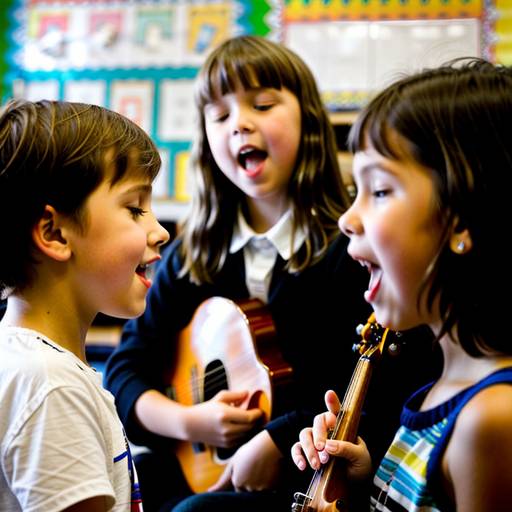
In this 1st-grade music lesson, students will explore the concepts of high and low pitch through engaging activities. The lesson begins with a brief introduction to pitch, using simple explanations and clapping exercises to reinforce understanding. Students will participate in a listening activity where they identify high and low sounds on a keyboard, followed by the use of visual aids to help them mimic pitches.
The class will then come together to sing a simple song that incorporates both high and low notes, with the teacher demonstrating the differences. Students will have the opportunity to explore pitched instruments like chimes or xylophones, practicing playing high and low sounds in response to cues.
The lesson concludes with a review of the pitch concepts, encouraging students to share their preferences and reflections. Participation is rewarded with stickers to motivate and recognize their efforts. Assessment will focus on observing students during activities to gauge their understanding of pitch differentiation. Additionally, extension ideas include incorporating movement and literary themes to further enhance their learning experience.
In this 30-minute music lesson for 1st-grade students, the focus is on introducing the concepts of rhythm through interactive and engaging activities. The lesson begins with a discussion on rhythm, providing a basic understanding and demonstration through clapping simple patterns. Students participate in clapping along with various rhythm cards that illustrate different note types, such as quarter and eighth notes.
Following this, students enhance their learning by marching in place to upbeat music while clapping and stomping to different rhythmic patterns called out by the teacher. This activity reinforces their sense of timing and coordination. In the final segment, students work in pairs to create their own rhythmic patterns using body percussion, fostering creativity and collaboration. Each pair shares their rhythm with the class, promoting a fun, collective experience.
The lesson concludes with a reflection on what was learned and experienced, with emphasis on participation and enjoyment in rhythm. Assessment focuses on individual students' engagement and ability to keep time, while adaptations are provided for those needing additional support. Extensions allow students to practice rhythms at home, further embedding their understanding and appreciation of music.
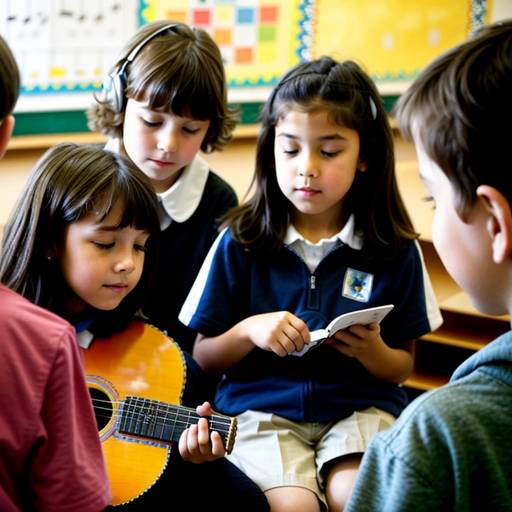
In this 1st Grade music lesson, students will explore various musical styles and their historical contexts through listening and movement activities. The class will start with an introduction to the concept of musical styles, followed by engaging listening stations featuring audio clips from classical, jazz, folk, rock, and hip-hop genres. After listening, students will participate in a movement activity where they will use colorful scarves or ribbons to express themselves in response to each musical style. The lesson will culminate in a wrap-up discussion, allowing students to share their favorite styles and connect them to visual representations. Assessment will be based on participation, understanding of musical characteristics, and their ability to articulate their preferences. Optional extensions include creating rhythms with classroom instruments or inviting a local musician for a live demonstration.