
Filters
Level
Grade
Subject
Subject Area
Subject Topic
Standard(s)
Audience
Keyword
DurationMinutes
1st Grade Music Lesson Plans


This first-grade music lesson introduces students to the basics of music history and various musical styles. Over the course of 30-45 minutes, students engage in listening activities, movement, and discussions to explore musical genres such as classical, jazz, rock, folk, and pop. The lesson begins with an interactive introduction to music, followed by a simple timeline that illustrates the evolution of music. Students listen to short clips of each genre while moving to the rhythms, allowing them to connect emotions with different musical styles. Pictures of notable musicians and composers are presented to enhance understanding and spark interest. Additionally, students participate in a hands-on activity using rhythm instruments, playing along to one of the musical styles. The lesson concludes with a reflection where students share their favorite styles and songs, fostering appreciation and engagement with music. A follow-up worksheet is provided for students to color at home, further extending the learning experience. Overall, the lesson aims to instill a love for music and an appreciation for its history and diversity.
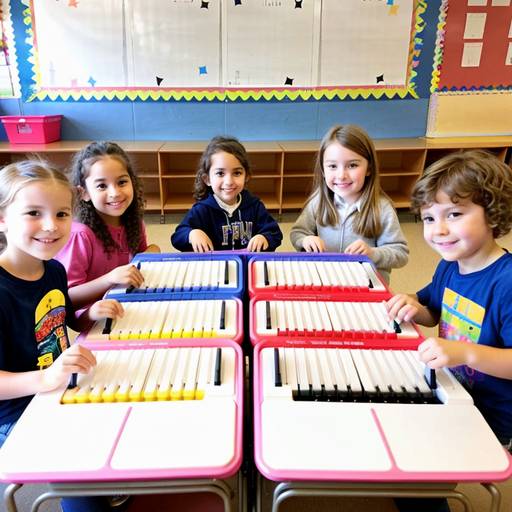
In this 1st-grade music lesson, students will explore basic concepts of rhythm and music theory through engaging activities. The lesson begins with an introduction to rhythm, where students participate in a call-and-response clapping exercise to familiarize themselves with the beat of music. Using rhythm flashcards, students learn to differentiate between quarter notes and eighth notes, practicing clapping these rhythms in unison.
Next, students are divided into small groups to create their own rhythm patterns using the note values they’ve learned, which they then perform for the class. Following the group performances, each student receives a sticky note to write their own simple rhythm, which is shared and displayed for the class. To conclude, students listen to a piece of music and clap along, reinforcing their understanding of rhythm while reflecting on the lesson's activities. Assessment is based on participation, group performance, and the accuracy of individual rhythm creations. Opportunities for extension are provided to deepen engagement and understanding of rhythm in music.
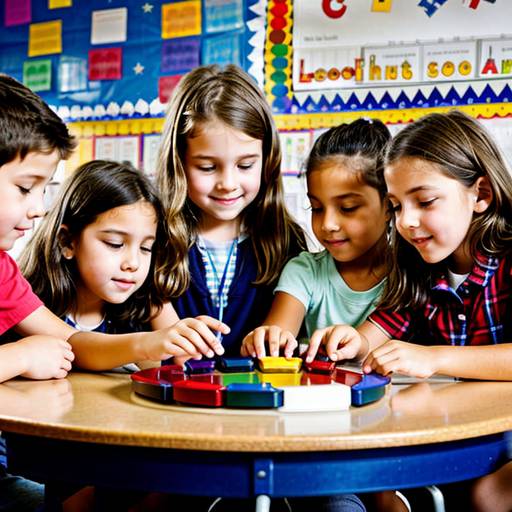
In this 1st Grade music appreciation lesson, students will explore the concept that music can evoke various emotions and images, similar to colors. The session begins with a warm-up song that encourages students to connect music with feelings. Students will listen to short audio clips of different instruments and share their thoughts on what they hear, describing the colors and emotions associated with each sound.
After the listening activity, students will engage in a movement exercise using colorful scarves. They will interpret a musical piece through movement, utilizing their scarves to express the feelings inspired by the music. Following this, students will create drawings that represent their musical experiences, allowing for personal creative expression.
The lesson culminates in a sharing session where students can present their artwork and discuss their interpretations. Assessment will focus on participation in activities, understanding of different instruments, and the connections made between music and personal expression. Students will also be encouraged to continue exploring musical sounds at home and consider how they relate to colors and feelings.
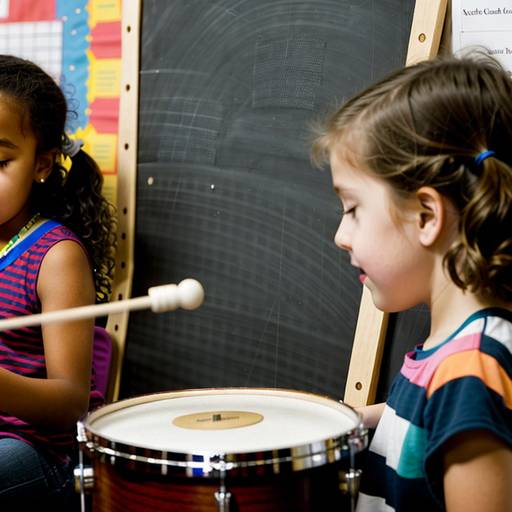
In this 1st-grade music lesson, students will explore the world of percussion instruments and understand the concept of rhythm. The session begins with a discussion about music and introduces various percussion instruments, allowing students to engage in hands-on exploration in small groups. Students will practice clapping and playing simple rhythm patterns while participating in a group performance where they showcase their assigned instrument. The lesson emphasizes listening, collaboration, and creativity in music-making. To conclude, students will share their experiences and reinforce the interactive nature of rhythm through a fun clapping game. The overall objective is to cultivate an appreciation for music and rhythm while encouraging active participation and enjoyment.
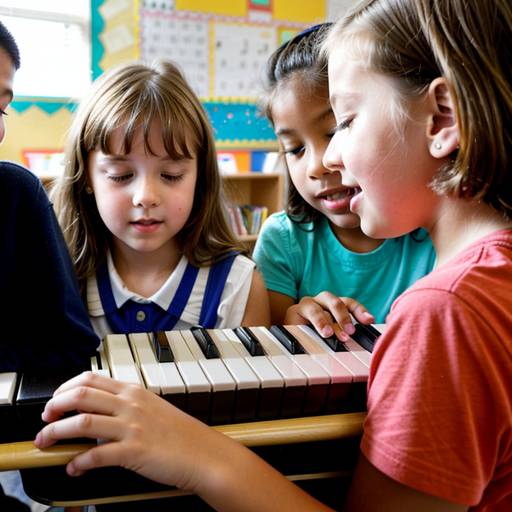
In this 1st-grade music lesson, students will explore the basics of music theory by learning to identify and name different music notes, specifically whole notes, half notes, and quarter notes, as well as their corresponding values. The lesson begins with an introduction to music notes through engaging flashcards, accompanied by rhythmic clapping to reinforce the differences between the notes.
Students will then be introduced to the treble clef and the layout of the musical staff, where they will collaboratively place the notes in the correct order. This visual representation will help them understand the relationship between the notes and their names.
Next, students will participate in an interactive group activity where they are divided into small teams to create rhythmic patterns using the notes they learned. They will practice these rhythms with simple instruments and perform for the class, encouraging peer recognition of the note names as they perform.
The lesson concludes with a review of key concepts and a discussion about their favorite parts, allowing for reflection on the material. Engagement and participation will serve as indicators of their understanding, with opportunities for extension activities to further reinforce the concepts at home or in future classes.
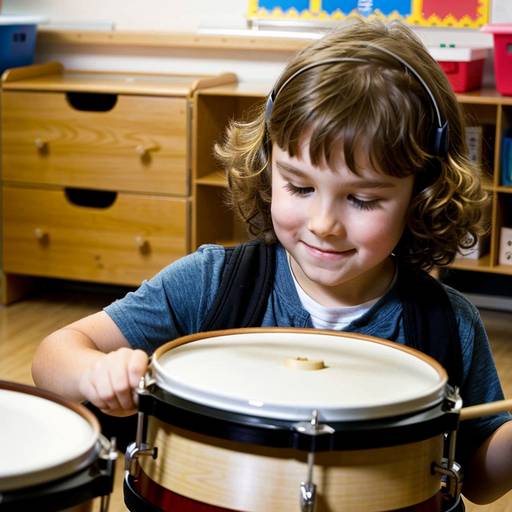
In this engaging music lesson for 1st-grade students, students will explore various percussion instruments and learn about rhythm. The lesson begins with an introduction to different percussion instruments, allowing students to experiment with their sounds. Following this exploration, students will learn the concept of rhythm through clapping and body percussion exercises.
They will then divide into small groups to create their own simple rhythms using the instruments provided. After group practice, each group will perform their rhythm for the class, fostering collaboration and creativity. The lesson concludes with a reflection session where students share their thoughts and experiences about the instruments and the process of creating rhythms.
Assessment will include observing student participation and their ability to comprehend rhythm concepts, with modifications available for those who need additional support. As an extension, students will be encouraged to listen for percussion in their favorite songs at home, further reinforcing their learning.
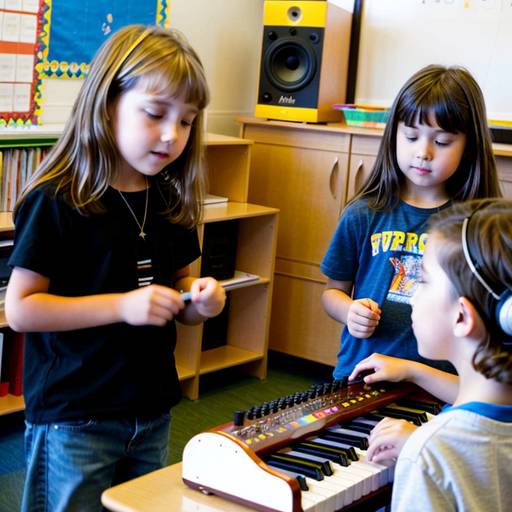
In this 1st-grade music lesson, students will gain an appreciation for music through various listening activities and discussions. The lesson begins with an engaging introduction to different musical instruments, followed by a listening session comprising short audio clips from diverse musical genres. Students will identify instruments and express their feelings about the music using Emotion Cards. A group discussion will allow students to share their thoughts on their favorite pieces and the instruments that stood out to them. To reinforce their learning, students will engage in a creative activity where they draw pictures inspired by the music they listened to. The lesson concludes with students sharing their artwork with the class and reflecting on their experiences. Overall, this lesson fosters listening skills, emotional expression, and a love for music through interactive and creative engagement.
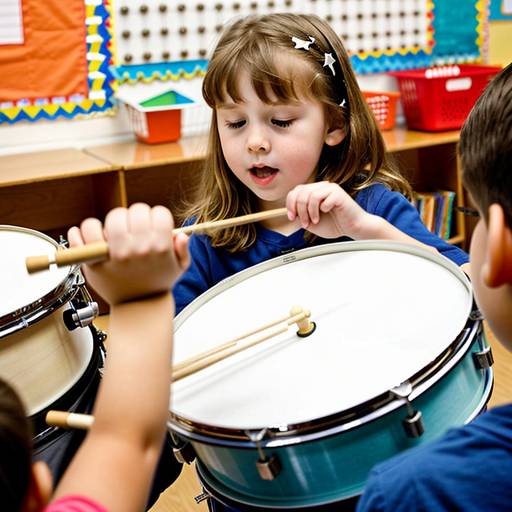
In this 1st Grade music lesson, students will explore and learn about percussion instruments through various engaging activities. The lesson begins with an introduction to what percussion instruments are, accompanied by sound clips and examples for recognition. Students will then form small groups to experiment with different instruments, allowing them to create and share their own sounds. Following this, the class will participate in a body rhythm exercise where they will learn a simple rhythm using claps, stomps, and snaps, and even create their own rhythms to share. A call-and-response rhythm game will conclude the lesson, reinforcing their understanding of rhythm and sound. Throughout the lesson, students will be assessed on their participation and ability to identify percussion instruments. To extend their learning, they will be encouraged to create a homemade percussion instrument to bring for the next class, fostering creativity and continued exploration of music. Adaptations will be made to accommodate diverse learning needs, ensuring inclusivity for all students.
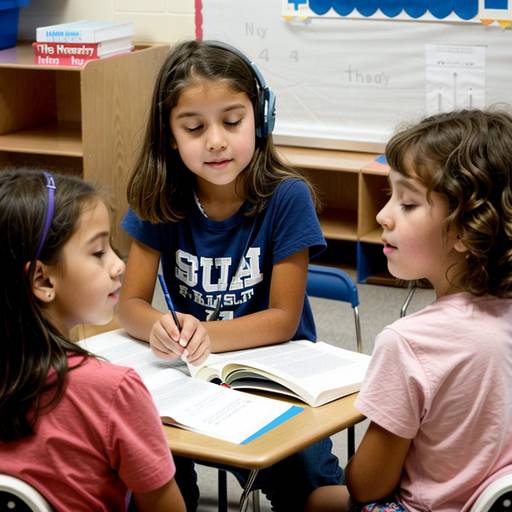
In this 1st Grade music appreciation lesson, students will explore the world of sound through listening activities and creative expression. The lesson begins with a discussion about music and the different instruments, using pictures to engage students and stimulate their interest. Students will listen to short clips from various musical genres and identify instruments they hear, discussing their feelings about the music afterwards. A group discussion will follow, allowing students to articulate their reactions and describe the emotions evoked by the pieces. They will then create artwork that visually represents their musical experience. To conclude, students will share their drawings and insights with the class, reinforcing their understanding of music’s emotional impact. This lesson aims to develop active listening skills and encourage personal expression through music.
In this first-grade music lesson, students will explore the concept of pitch by learning to identify and produce high and low sounds through singing, movement, and instrument exploration. The class will begin with vocal warm-ups and a discussion about different animal sounds representing high and low pitches. Students will engage in a call-and-response singing game, where they will alternate between high and low notes. They will also participate in a movement activity called "Pitch Freeze," where they will physically respond to changes in pitch by adjusting their body positions.
Students will have the opportunity to explore various musical instruments to further understand the differences in sound pitches. The lesson will conclude with a reflective discussion, where students share their favorite sounds, followed by a group sing-along that incorporates both high and low pitches. Assessment will be based on student participation, pitch matching, and understanding during discussions. Extensions and adaptations will be offered to ensure all students can engage meaningfully with the material. Overall, the lesson aims to create a lively and interactive environment that fosters musical expression and understanding.