
Filters
Level
Grade
Subject
Subject Area
Subject Topic
Standard(s)
Audience
Keyword
DurationMinutes
1st Grade Reading Lesson Plans

This 1st Grade Language Arts lesson plan focuses on introducing students to various genres of literature, including fiction, nonfiction, poetry, and fairy tales. The lesson begins with a group discussion about what genres are, followed by read-aloud sessions of picture books from each genre, allowing students to identify key characteristics. In a hands-on sorting activity, students work in small groups to categorize a selection of books according to genre. They then engage in a creative response activity, where they create a personalized “Storyland Passport,” illustrating their favorite genre and sharing their thoughts with the class. The lesson concludes with a brief recap of key concepts learned. Assessment is based on group participation and individual creative output, and extensions and adaptations are included for further learning opportunities and to accommodate diverse learners. This engaging approach helps foster a deeper understanding and appreciation for different types of stories.
In this 1st-grade Language Arts lesson focused on reading and reading fluency, students will engage in various activities to enhance their reading skills. The lesson begins with a discussion about the importance of reading, introducing the concept of reading fluency encompassing accuracy, speed, and expression. The teacher models fluent reading using a selected picture book, encouraging students to identify key story elements such as characters, settings, and events.
Following this, students participate in paired reading, where they take turns reading aloud to each other, practicing fluency and expression. Each student will track their reading times using fluency charts, allowing them to monitor personal progress and set goals for improvement. The lesson concludes with a reflection on the reading experience, where students can share their thoughts and feelings about the activity. They will receive small rewards for their participation, reinforcing a positive reading environment. Throughout the lesson, differentiation strategies are included to support various learners, ensuring an inclusive approach to developing reading fluency.
In this 1st-grade language arts lesson, students will work on improving their reading fluency through a series of engaging activities. The lesson begins with a discussion about reading fluency, followed by the introduction of high-frequency sight words using flashcards. Teachers will model choral reading with a simple text, and then students will practice reading aloud together as a class.
Next, students will engage in partner reading, taking turns reading short stories to one another while offering support and encouragement. This is followed by an independent fluency challenge, where students will practice reading a selected passage multiple times with the goal of increasing their speed without sacrificing comprehension.
The lesson concludes with a sharing session where students can discuss their experiences and contribute to a group storytelling activity, reinforcing fluency through collaborative participation. Assessment will involve observing students during reading activities and optionally evaluating individual reading of a new text. Differentiation strategies will be employed to support both struggling and advanced readers, ensuring an inclusive learning environment. Follow-up activities will focus on sustaining fluency development over time.
In this 1st grade language arts lesson, students explore the world of picture books through interactive reading strategies. The lesson begins with a group discussion about favorite picture books, followed by a read-aloud of a selected title. Students make predictions based on the cover and title, reinforcing their ability to infer meaning and identify the main idea and key details of a story.
Next, students break into small groups, each assigned a different picture book to read and discuss, sharing their predictions, main ideas, and details with the class. For independent practice, students select their favorite book, draw a representation of its main idea, and write a brief description. The lesson culminates with a sharing session where students present their drawings and summaries to reinforce comprehension skills.
Throughout the lesson, students engage in collaborative learning and hands-on activities that foster a love for reading while developing critical thinking and comprehension skills. Assessments are based on student participation and their ability to convey the main ideas and details of the stories read. Adaptations and extensions are provided to support diverse learners and enhance engagement beyond the classroom.
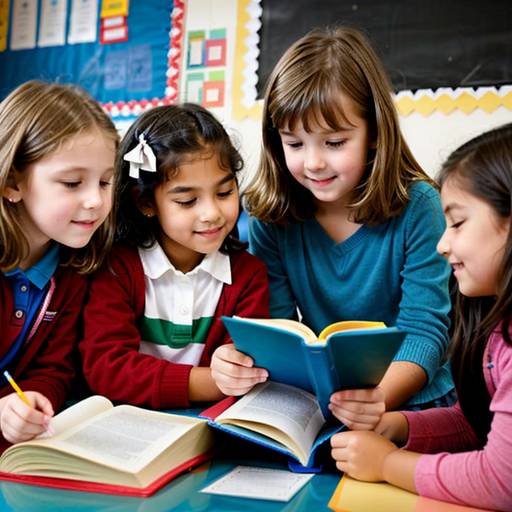
This lesson plan focuses on enhancing first-grade students' reading skills through an engaging exploration of story elements and reading strategies. Students will learn to identify key components of a story, including characters, setting, and plot, while practicing strategies such as predicting, questioning, and summarizing. The session begins with a read-aloud of a picture book, where students participate by making predictions and posing questions. Following the read-aloud, the class engages in a group discussion to fill out a graphic organizer, summarizing the story's elements. In small groups, students will then work with different picture books to identify similar story components and share their insights with the class. The lesson concludes with a recap of the strategies developed, and all students receive recognition for their participation. Assessments will include observations of student engagement and comprehension through group work and the completion of graphic organizers. Differentiation strategies are also included to support varying proficiency levels among students.
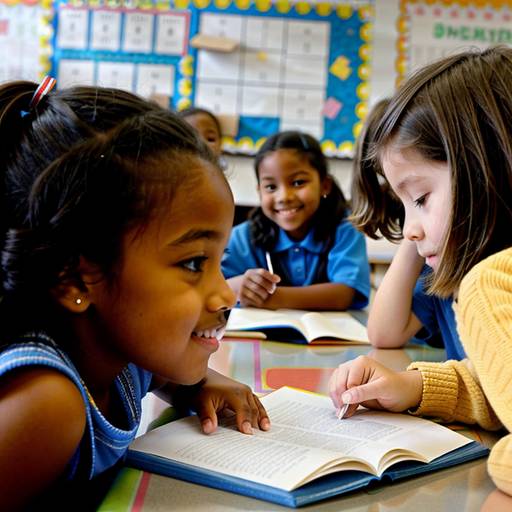
This 1st-grade Language Arts lesson focuses on reading fluency and comprehension. The lesson begins with a discussion about what reading fluency means, followed by an introduction of high-frequency words that will aid in students' reading development. The teacher models fluent reading with a short passage, demonstrating expression and speed.
Students then engage in a paired reading activity, where they take turns reading leveled texts aloud to each other for one minute, allowing them to practice fluency. Following the paired reading, the class participates in a discussion to assess comprehension by answering questions about the story.
For independent practice, students receive fluency exercise sheets to underline high-frequency words and reflect on the text. The lesson concludes with a group reflection, encouraging students to share their experiences and consider reading at home.
Assessment occurs through observation during partner reading, review of comprehension responses, and collection of the fluency sheets. The lesson includes extensions for advanced students and differentiation to support those who may need additional help, ultimately aiming to foster a love of reading and improve fluency skills in a fun and interactive manner.